

LOUISVILLE, Ky. (WDRB) -- Kentucky lawmakers voted down a $1.2 million contract with a state literacy center, saying it has failed Kentucky students.
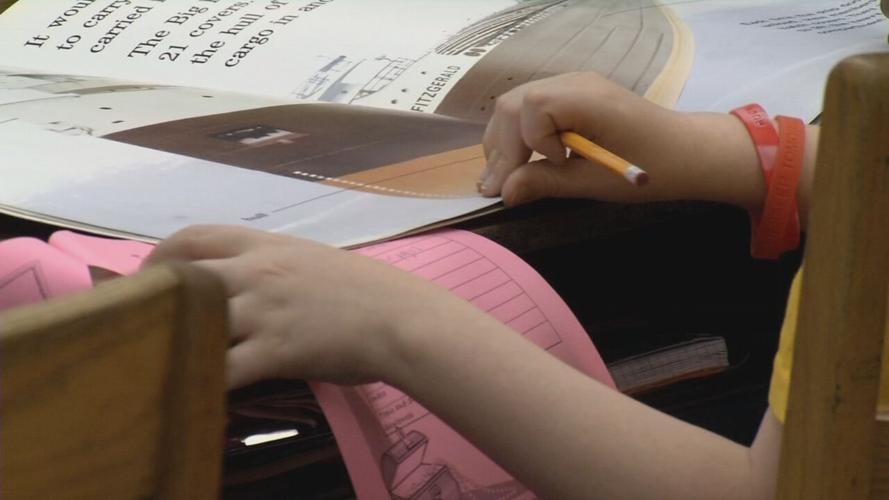
Kentucky adopted the Collaborative Center for Literacy Development, CCLD, in 1998 and it oversees Reading Recovery, an intervention reading program for first graders.
In a WDRB Investigates report this past summer, test scores showed Kentucky students who went through the intervention in first grade still couldn't read in third grade.
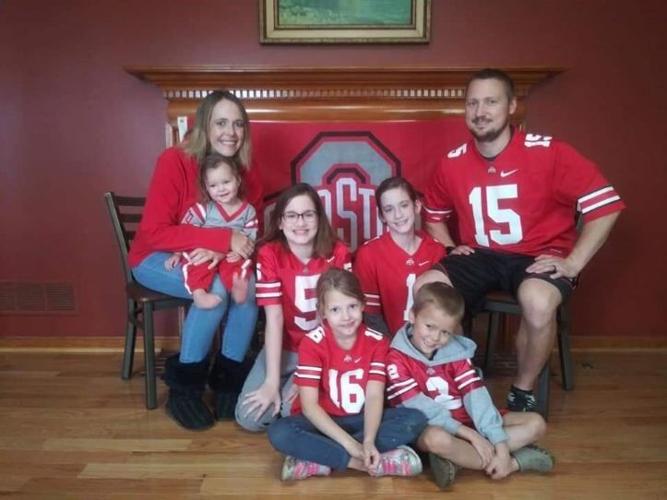
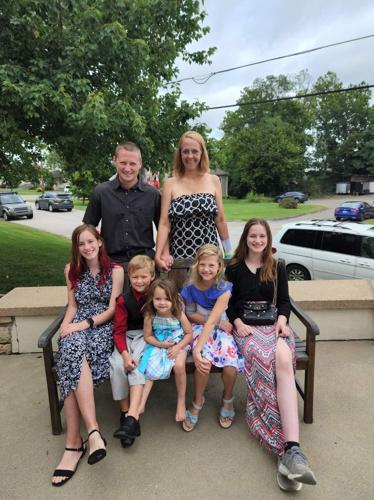
The vote against Kentucky's CCLD won't immediately change anything for students in the Reading Recovery program because it applies to the 2023 fiscal year. But parents like Andrew Dunk are hopeful for change soon. Dunk said three of his five children took part in the program and he's not impressed.
"In the long term, it did more harm than good," Dunk said.
Three of Dunk's children struggled to read and were eligible for the intervention.
"At first glance, you think, you know, it's exciting, you know, your kids getting this extra help, and it looks like it's working," he said.
But, he says, in the long term, he noticed that they were still regressing. It's a process he described as "very frustrating."
Kentucky State Senator Stephen Meredith, R-Leitchfield, said earlier this month in the committee to vote down the contract that, "This group has failed the Commonwealth miserably."
"They've had their opportunity," Sen. Meredith said. "We've invested millions of dollars and not seen any return on those dollars whatsoever."
The Kentucky Department of Education could have tried to save the program, but a spokeswoman says the department agrees with the decision.
"Mainly because the department shares many of the same reservations that were put worth by our lawmakers," said Toni Konz Tatman, chief communications officer for the Kentucky Department of Education.
Kentucky Representative James Tipton, R-Taylorsville, said the money will stay in the general fund for now, but he hopes it will be re-invested in reading.
"Lets look at all of the possibilities and have a competitive request for proposal on that -- who could do the best job for us for that," Tipton said.
Removing the contract only removes the state funding. It doesn't end Reading Recovery. Individual schools decide whether to use the program and would have to make the decision to remove it.
But as a father fighting for change, Dunk said it's a start.
"We found a problem in the system, and we're gonna fix it," he said.
The Center for Collaborative Learning's executive director did not respond to a request for comment Monday, but when WDRB spoke with him this past summer, he said Reading Recovery works at the first grade level, which is what it was designed for.
Related Stories:
- Kentucky Reading Recovery program under fire as lawmakers hear from Oldham County family
- Kentucky lawmaker wants greater scrutiny for reading intervention program
Copyright 2022 by WDRB Media. All rights reserved.