Australian Prime Minister Anthony Albanese says his government is giving priority to strengthening the world's first laws that ban children younger than 16 from social media platforms. Observers said on Friday the government is responding to evidence that the ban on young children holding accounts on platforms including Facebook, Instagram and YouTube had failed since it came into force in December year. Albanese told Parliament on Thursday this government is considering options to strengthen the ban. He said: “We’re working on that as a priority because this is something that other generations didn’t have to deal with."
From
To
Senate Republicans who were berated by President Donald Trump over opposition to his war in Iran have reversed course, holding a late-night vote to try to appease him. They rejected a war powers resolution Wednesday night, a day after a similar measure passed. Trump harangued GOP senators face to face earlier in the day for allowing a vote to block his war in Iran on Tuesday. Trump exchanged particularly harsh words with Louisiana Sen. Bill Cassidy, one of four Republicans who had voted with Democrats on the measure. Cassidy later changed his position after he received a White House briefing on the war.

AP Wire
Senate Republicans who were berated by President Donald Trump on Wednesday over opposition to his war in Iran held a late-night vote to try to appease him, voting down a war powers resolution a day after a similar measure passed. Trump harangued GOP senators face to face earlier in the day for allowing a vote to block his war in Iran on Tuesday, further escalating a feud that has diverted GOP efforts to focus on election-year affordability issues and brought much of the chamber’s business to a halt. He exchanged particularly harsh words with Louisiana Sen. Bill Cassidy, one of four Republicans who had voted with Democrats on the measure.

AP Wire
A federal judge has permanently barred President Donald Trump’s administration from implementing most of his first executive order on elections. Trump's order included provisions that would have required people to show documentary proof of citizenship in order to register to vote. It also would have prevented mail ballots from counting if they're received after Election Day. The ruling Wednesday effectively makes permanent a preliminary order that the Boston-based judge issued a year ago. The judge agreed with arguments from Democratic attorneys general that the Constitution gives states and Congress, not the president, the power to regulate elections. The White House said it was confident it would ultimately prevail in the case.
Trump refuses to sign bipartisan housing bill into law. What does that mean for homebuyers, renters?
A sprawling legislative package aimed at lowering the cost of housing and spurring more home construction won broad bipartisan approval from Congress this week, but it’s hit a major roadblock in becoming law. Although the White House supported the 21st Century ROAD to Housing Act, President Donald Trump canceled the housing bill signing ceremony on Wednesday. He says he won't sign the measure until Congress passes separate election reform legislation. The delay could impact aspiring homeowners and renters at a time when many Americans are burdened by the cost of housing.
House approves bipartisan bill aimed at lowering housing costs, sending it to President Trump.
The Senate has passed a bipartisan housing bill that aims to bring down home prices and increase supply. The 85-5 vote on the bill Monday represents one of the most sweeping efforts in recent decades to reduce federal regulations for housing and expand local control. The legislation bans corporate investors from buying single-family homes but doesn’t include a provision that would have required investors to sell newly constructed homes within seven years. The House is expected to give the bill final approval later this week and send it to President Donald Trump, who has signaled his support.
Senate passes bipartisan housing bill that aims to bring down prices and boost supply, sending it to the House.
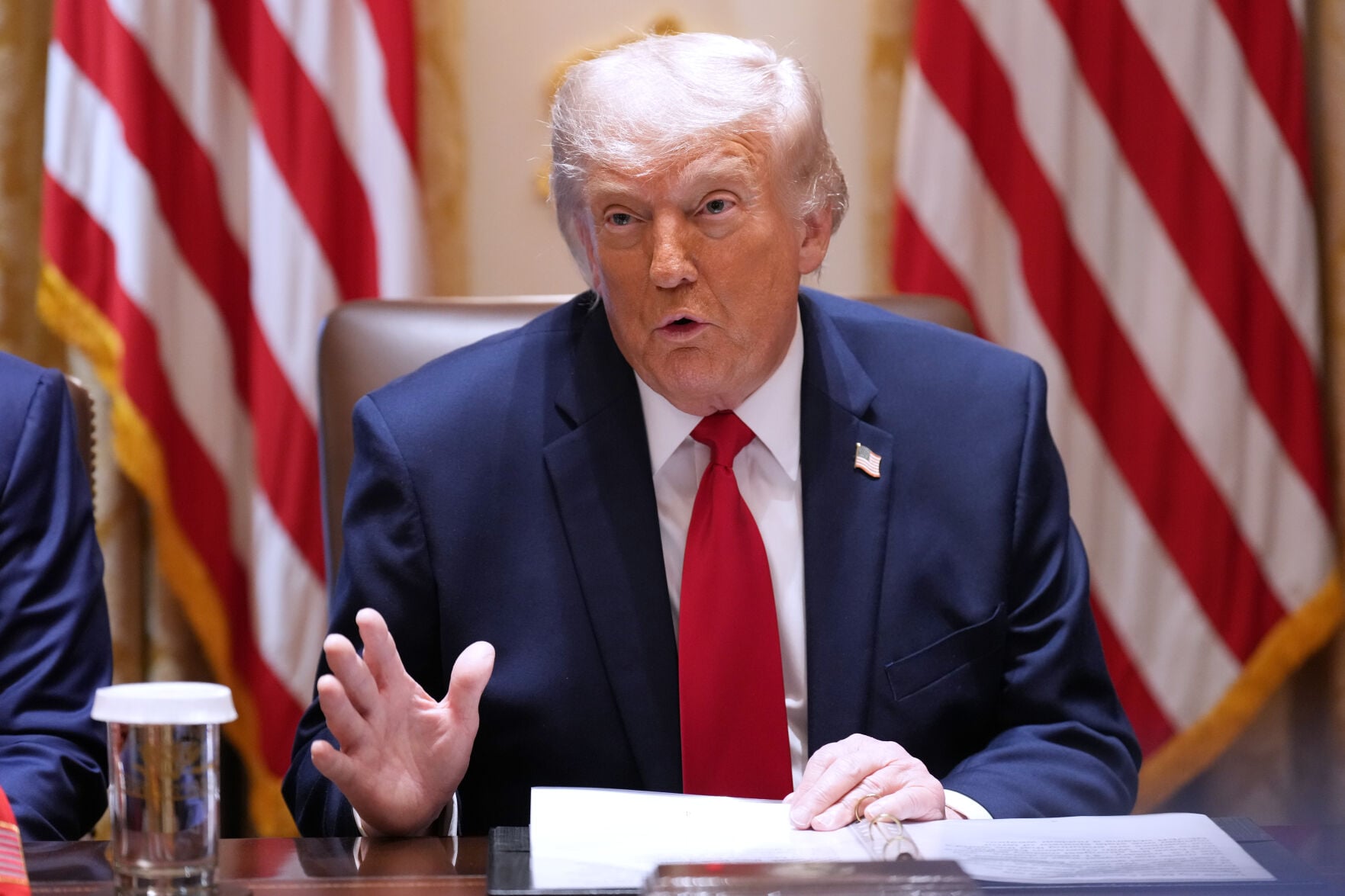
AP Wire
The relationship between President Donald Trump and Senate Republicans seems to be nearing a breaking point. Tensions flared this week on Capitol Hill as Trump upended Republicans efforts for a swift confirmation of his intelligence nominee and as he thwarted quick passage of a bill to renew a surveillance law. Republicans have been frustrated and openly critical of Trump's agreement with Iran. The public tensions are an almost complete reversal from a year ago. Back then, Republicans senators worked closely with Trump on a complicated effort to push through his massive package of spending and tax cuts.

AP Wire
President Donald Trump is trying to stop the confirmation process for his own nominee to head the nation’s intelligence agencies. Trump's extraordinary move Wednesday upended Senate efforts to renew a crucial surveillance program that expired last week and fueled fresh tensions with fellow Republicans on Capitol Hill. Trump declared in a social media post he was delaying the nomination of Jay Clayton as director of national intelligence just hours before his scheduled hearing. Republicans eventually postponed the hearing for Clayton, who's U.S. attorney for the Southern District of New York. Further complicating matters, Trump says he won't sign the surveillance program renewal without his legislation to require proof of citizenship for voters.