

LOUISVILLE, Ky. (WDRB) -- Like most offices and businesses, WDRB Media is adjusting to a new normal in the wake of the pandemic. Beginning Monday, some employees are being phased back into the building.
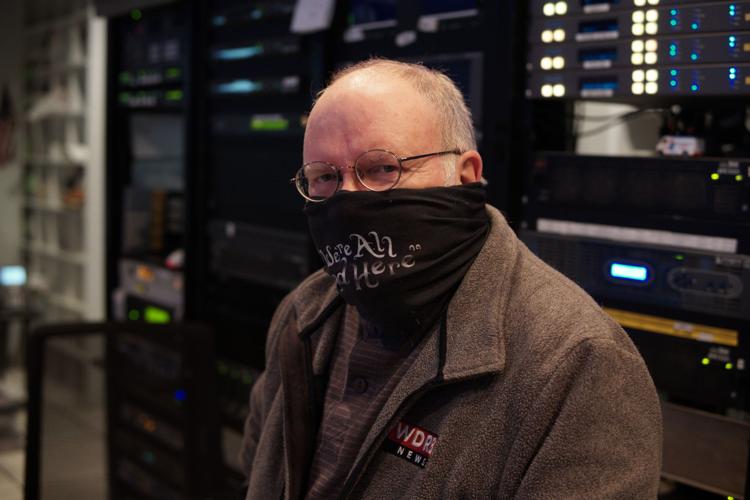
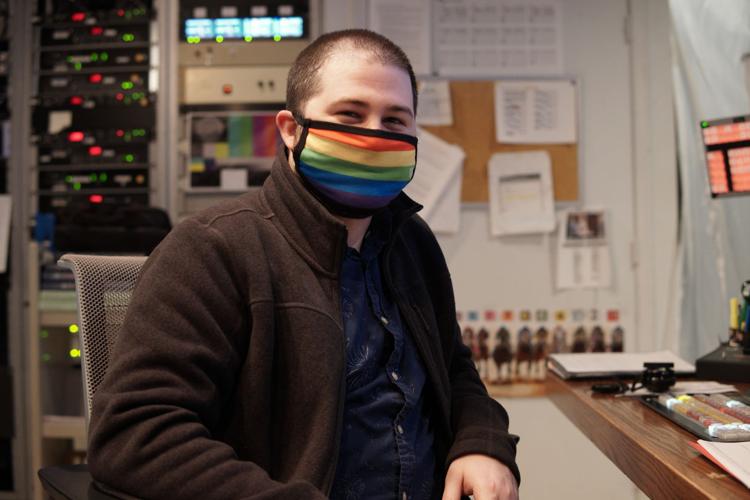
Employees at WDRB are required to wear masks when moving through the building, when in public and when others are nearby. You may see some reporters in the field wearing masks on television if they are in a place where masks are needed to protect themselves and others.
On Monday, all of the news producers returned to the building. They are each in charge of putting together newscasts and communicating with our anchors, reporters and photojournalists that contribute stories. For the past two months, many of them have worked from home and communicated through chat rooms, texts and a flurry of phone calls to ensure the news makes it to air.
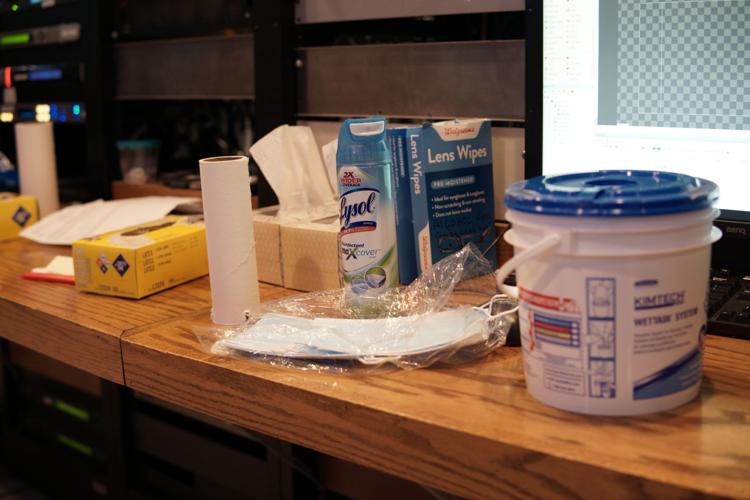
We are also staggering schedules to make sure there aren't too many employees in the newsroom or in the building at one time. Masks, sanitizers and wipes are being provided to employees. And the station is sanitized each Saturday by a specialized crews that spray work stations and common areas.
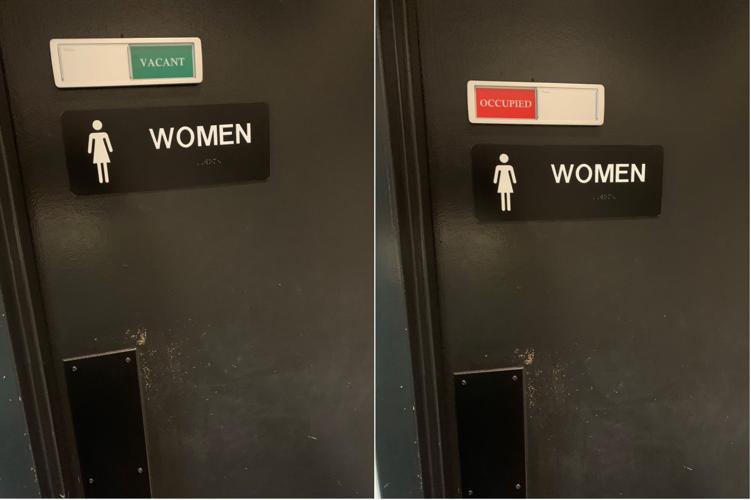
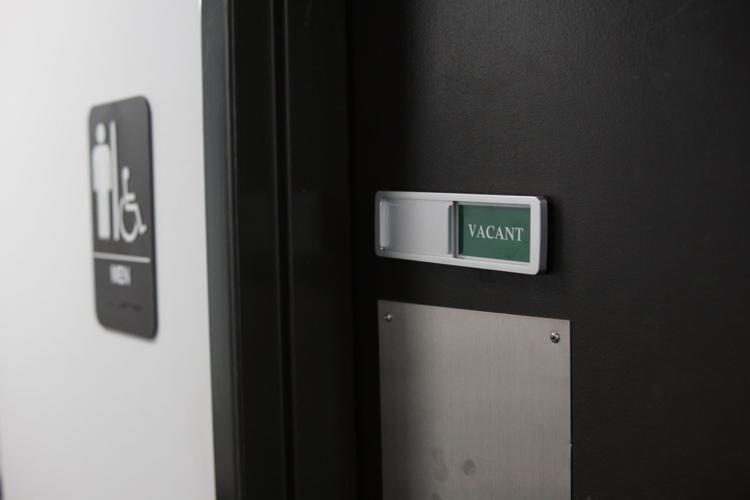
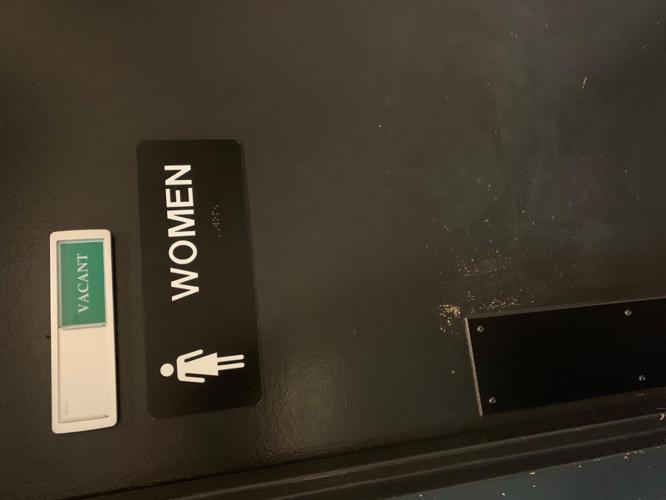
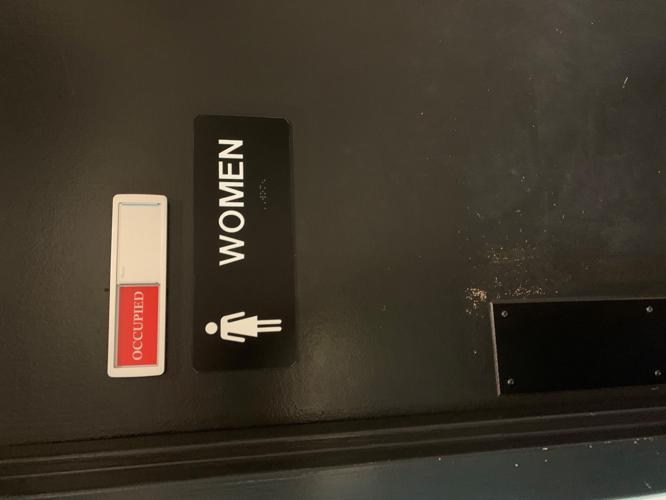
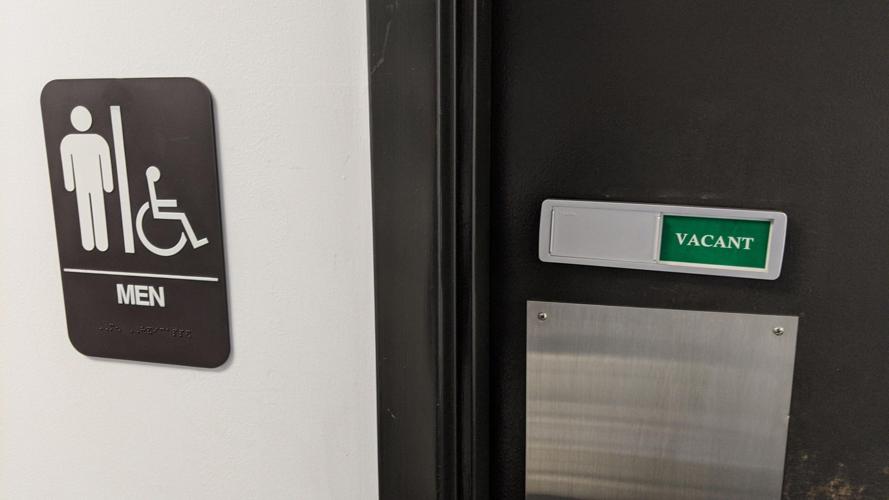
Signs have been installed on restrooms to indicate whether they are occupied or vacant. And there are limits to the number of people in shared areas of the station including the break room.
How we present the news has also changed. You'll notice anchors are sitting farther apart. Meteorologists are staying in the studio weather center more. And the people who run our teleprompter are in a quiet part of the studio now instead of the studio control room. At one point, conference rooms were repurposed as directors' stations to reduce the number of people in one room to run newscasts.
WDRB Media begins phasing in more employees with increased social distancing
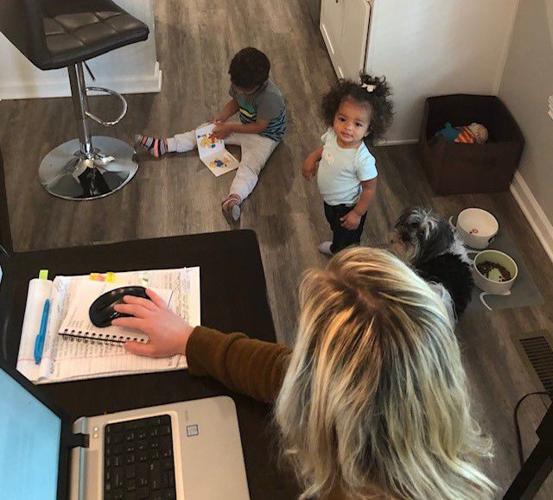
Human Resources director Joanna Spencer is working from her kitchen table with her two young children and the family dog competing for her attention.
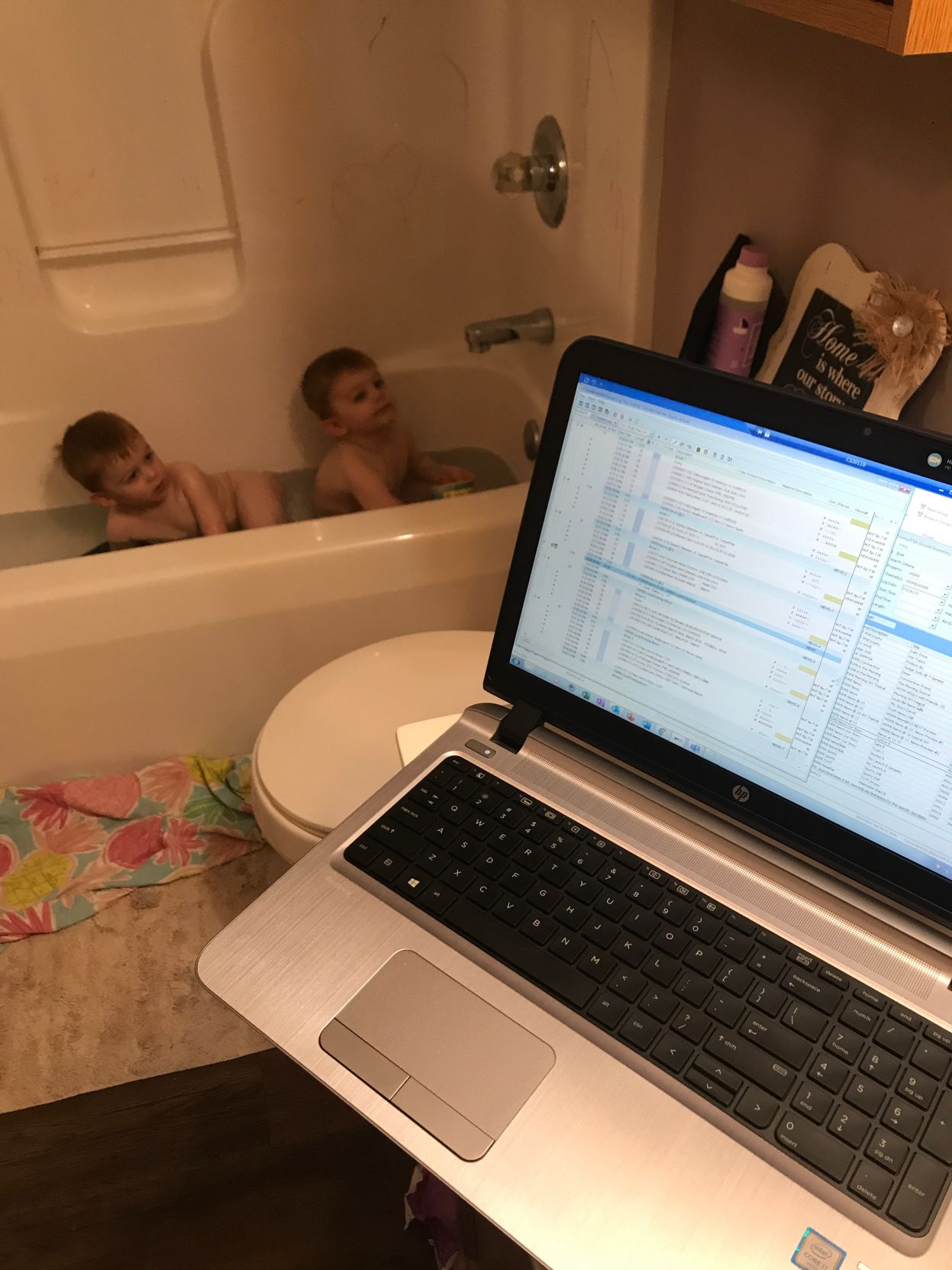
Laura Bottorff from Creative Services is working remotely from home and stays on the job while taking care of her family.
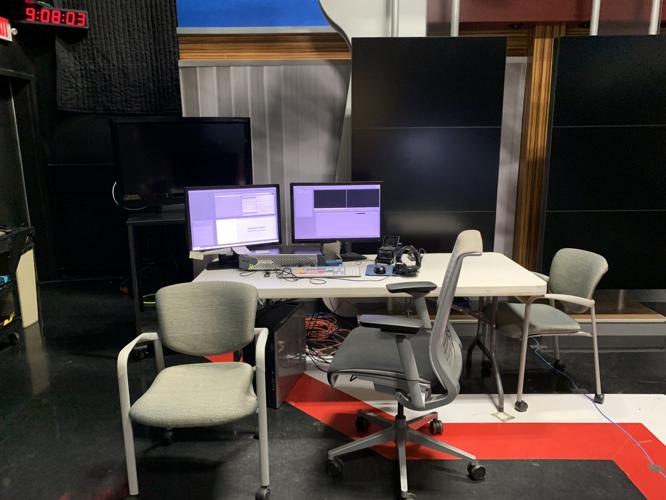
Separate work stations are set up in Studio B for reporters and photojournalists that need a place to write and edit stories.
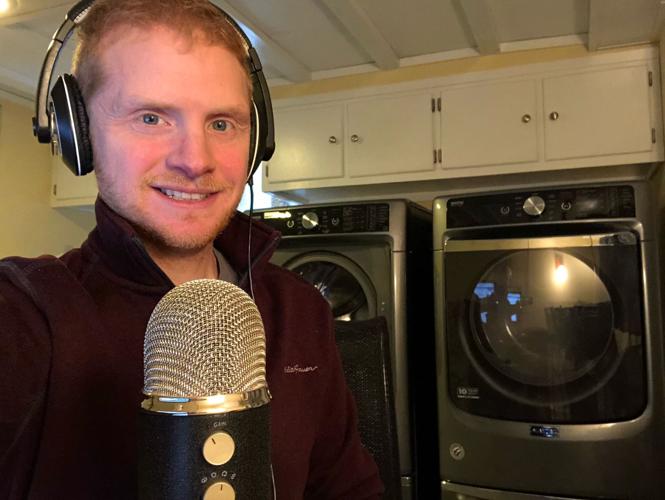
Business reporter Chris Otts is using his laundry room to record his weekly podcast, Uncovered."
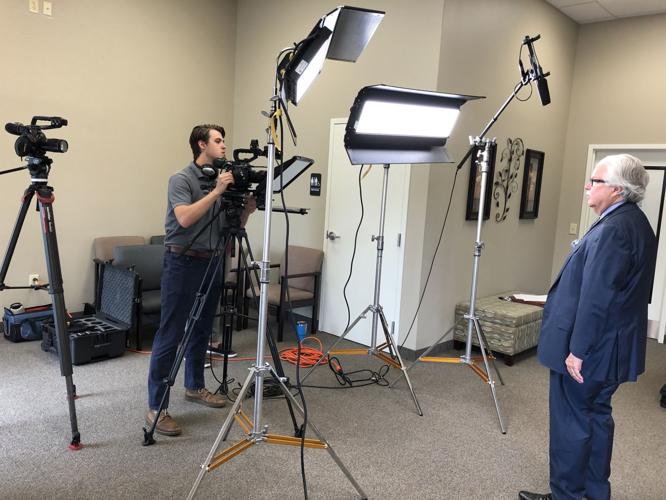
Commercial production is also modifying it's practices by using boom mics on long sticks to record sound instead of placing a small mic on someone's shirt.
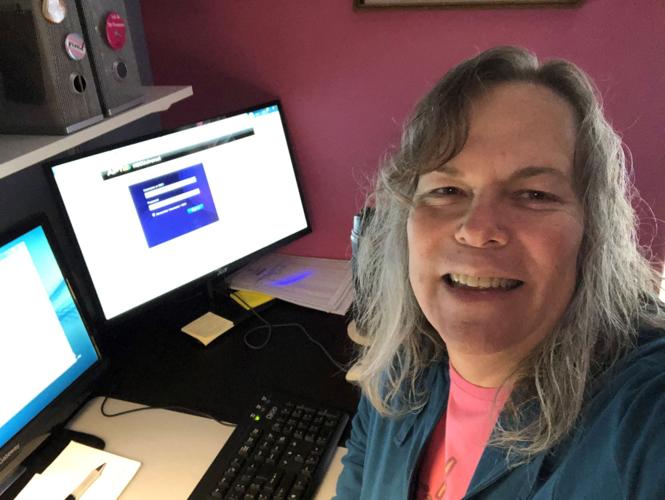
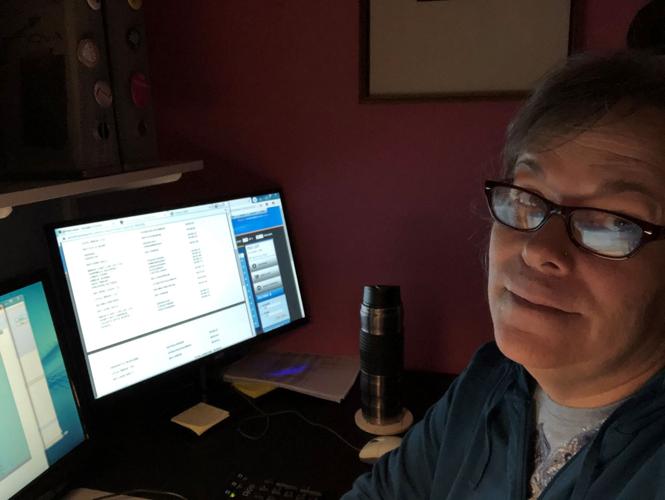
WDRB's Jaime Pool is in a room by herself to watch over commercial logs.
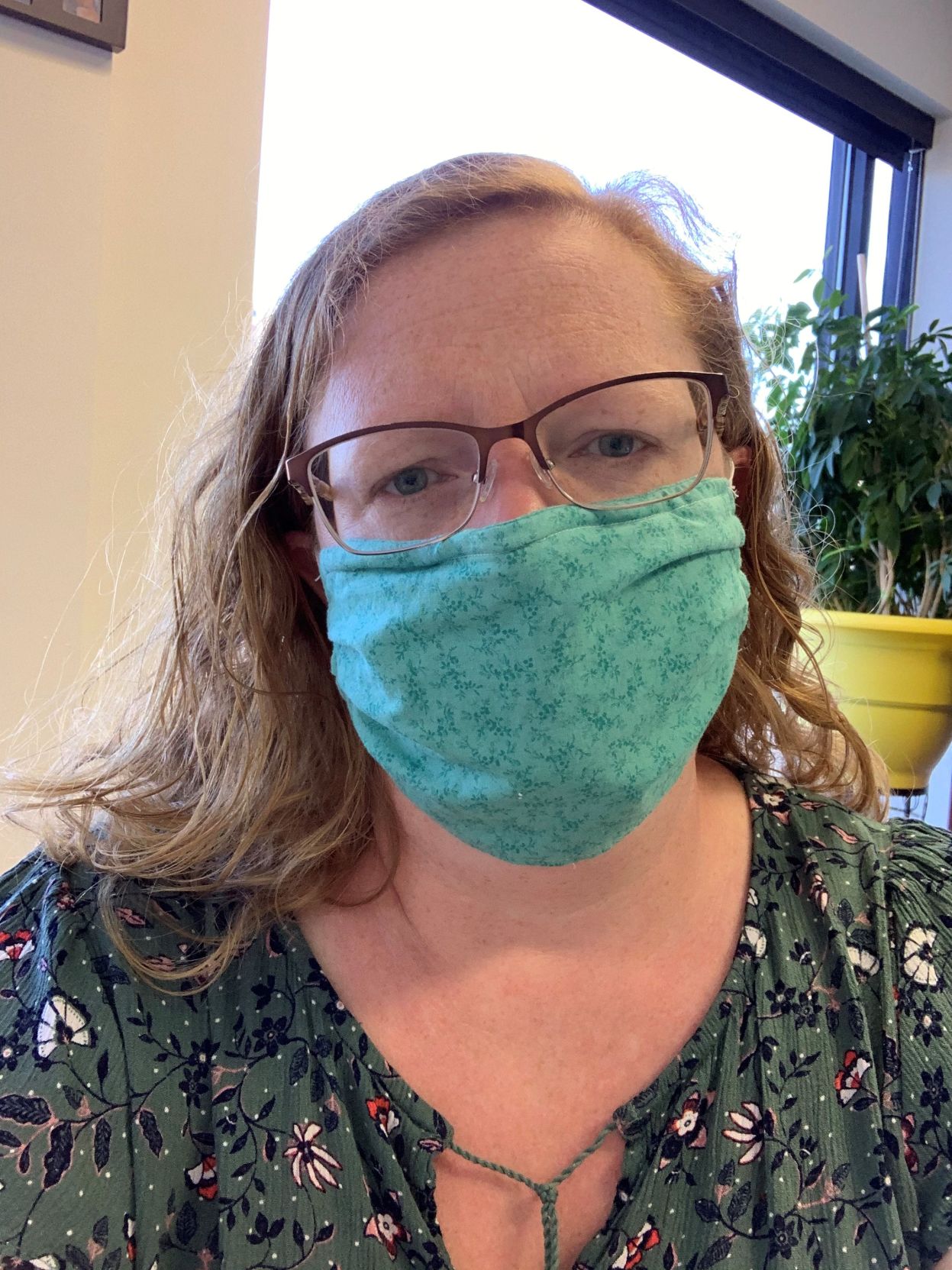
Everyone in the building is wearing masks including Lynette Defevers.
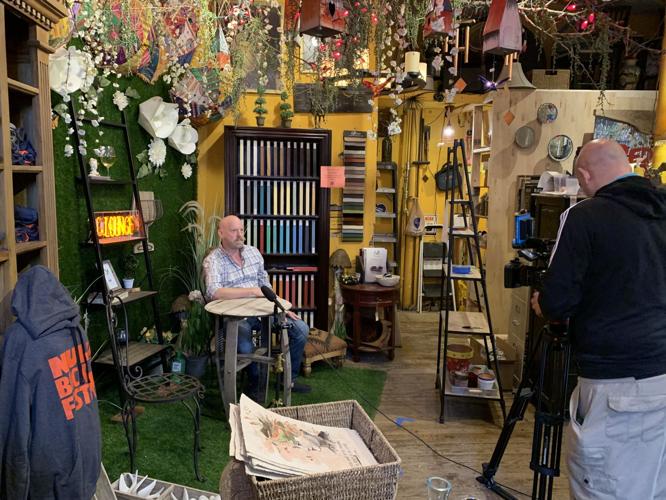
Photojournalist Frank Stamper records interviews by using mic stands to ensure social distancing.
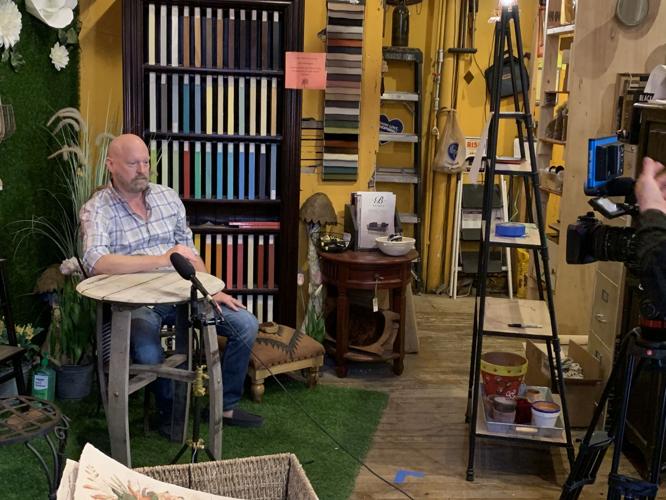
WDRB's Darby Beane set up a microphone on a stand to conduct an interview to help ensure social distancing during the pandemic.
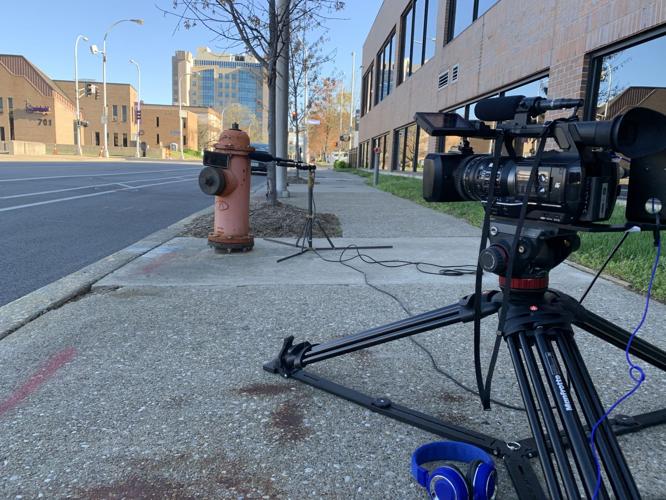
Tripods and mic stands help our photojournalists record sound and video off of a smartphone positioned on a hydrant outside the newsroom.
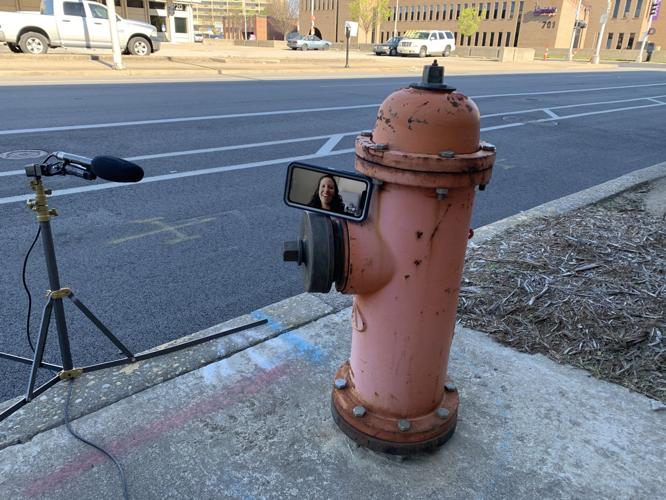
Tripods and mic stands help our photojournalists record sound and video off of a smartphone positioned on a hydrant outside the newsroom.
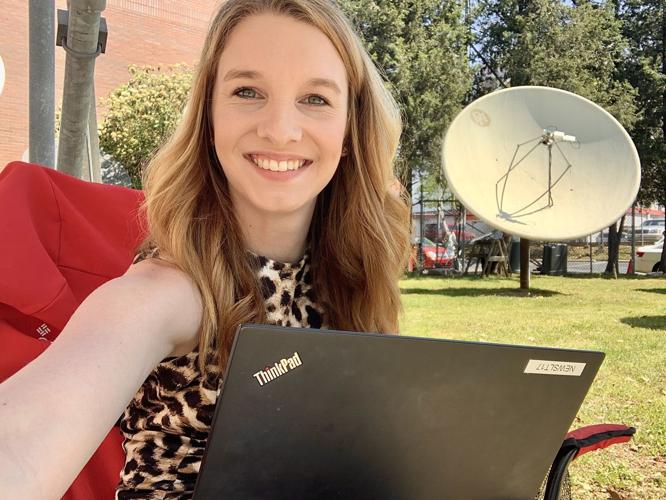
WDRB's Darby Beane sat outside Studio B in the parking lot to file her story on a laptop.
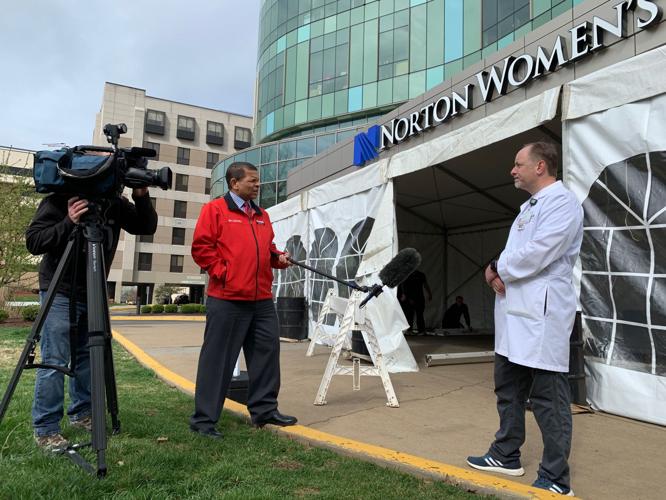
WDRB's Lawrence Smith interviews a Norton Healthcare doctor outside a triage tent set up for COVID-19 patients.
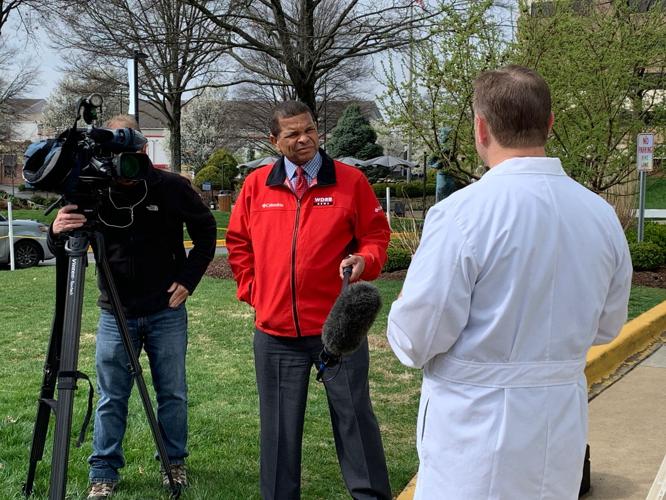
WDRB's Lawrence Smith interviews a Norton Healthcare doctor outside a triage tent set up for COVID-19 patients.
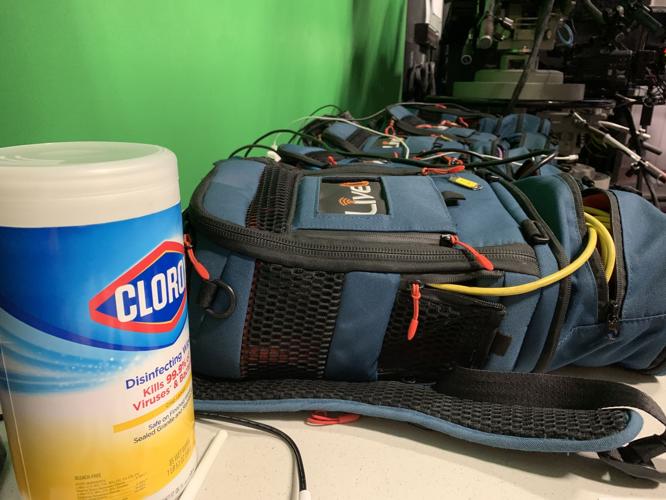
Equipment and disinfecting supplies are available to outside crews in Studio B.
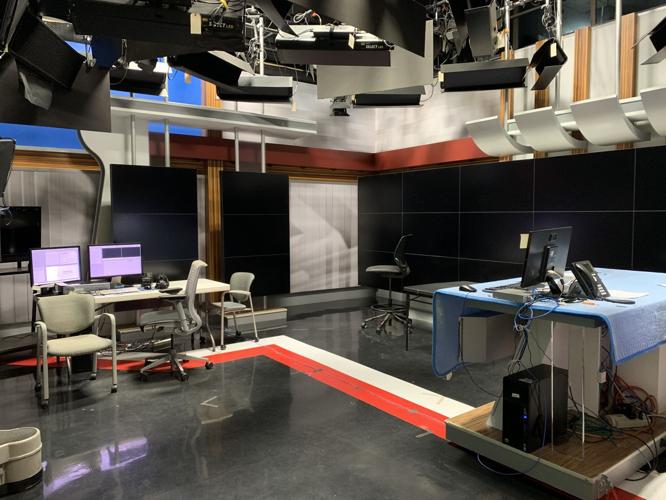
Work and edit stations are set up in Studio B for outside crews.
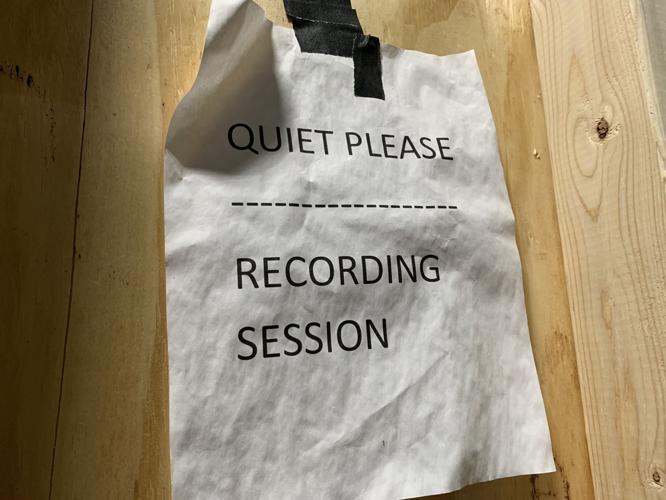
A makeshift recording booth is set up for outside crews, so a sign reminds them to be aware of noise levels.
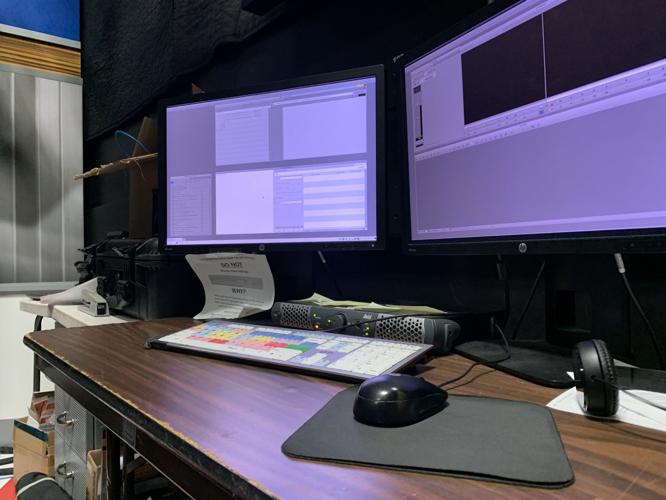
An edit station is set up in Studio B for reporters being kept out of the main building.
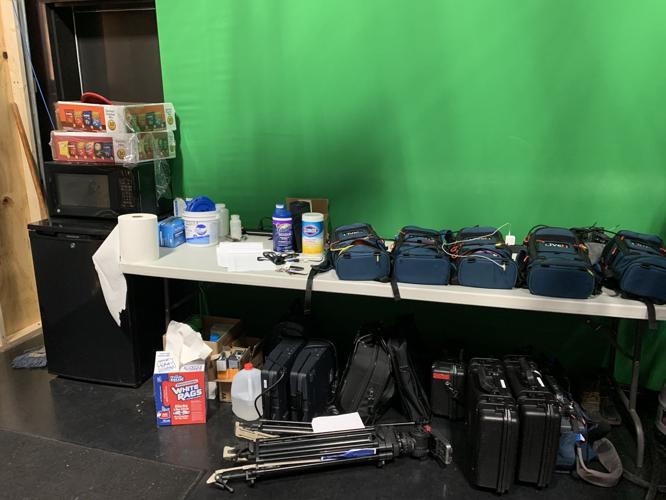
Equipment and cleaning supplies are ready for the "outside" crews using Studio B as a base during the pandemic.
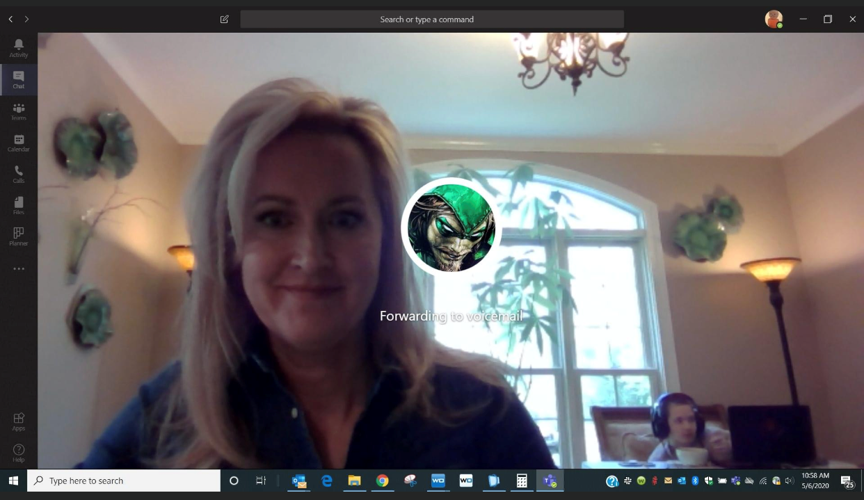
Stephanie Lake is working remotely from home and using video conferencing to talk to coworkers. Her daughter is e-learning in the background. She called this the "longest take your daughter to work day" ever.
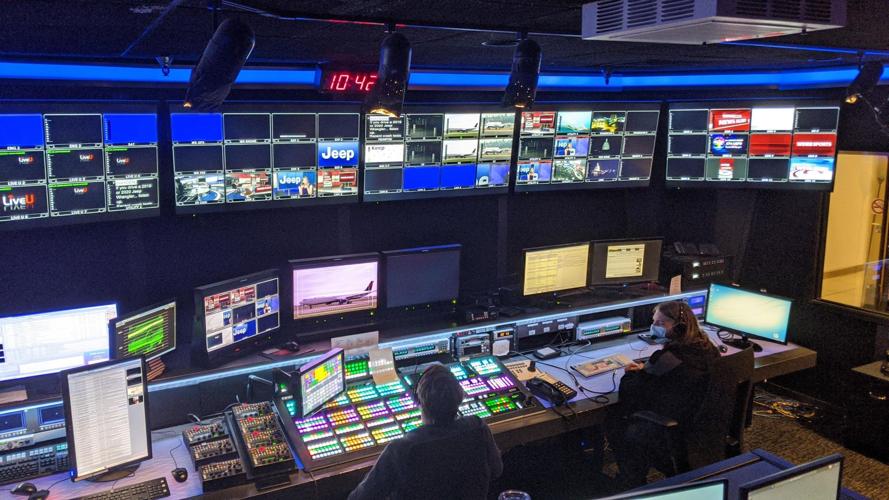
The control room where production operates all the elements of a newscast usually has seven people. During the pandemic, just three people are there including the director, producer and technical director.
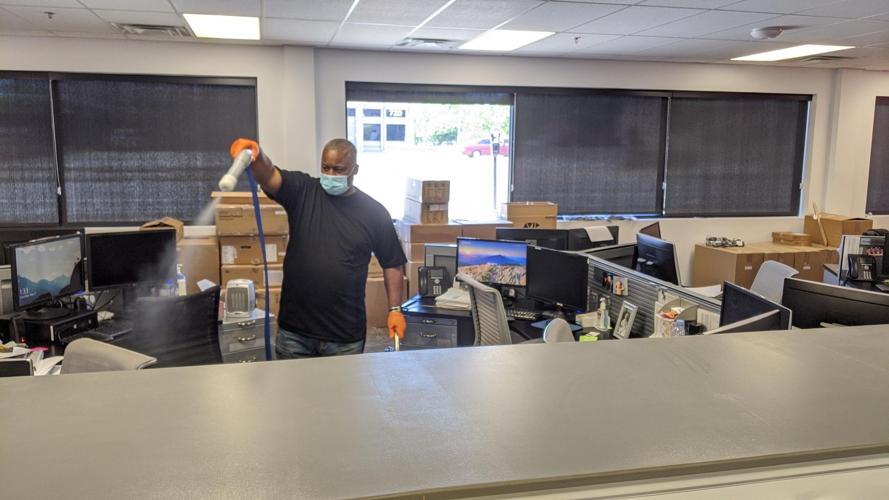
Cleaning crews use a special spray to disinfect the WDRB building every weekend.
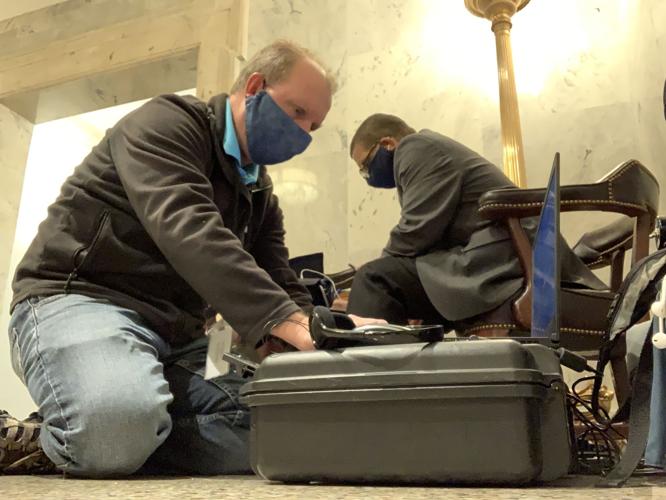
Photojournalist Doug Smith and reporter Lawrence Smith are wearing masks in the field to protect themselves and others.
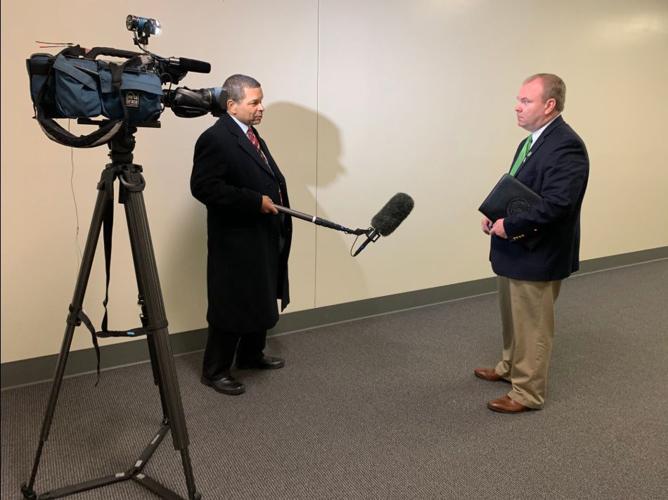
WDRB's Lawrence Smith conducts an interview using a boom mic on a long stick to help ensure social distancing during the pandemic.
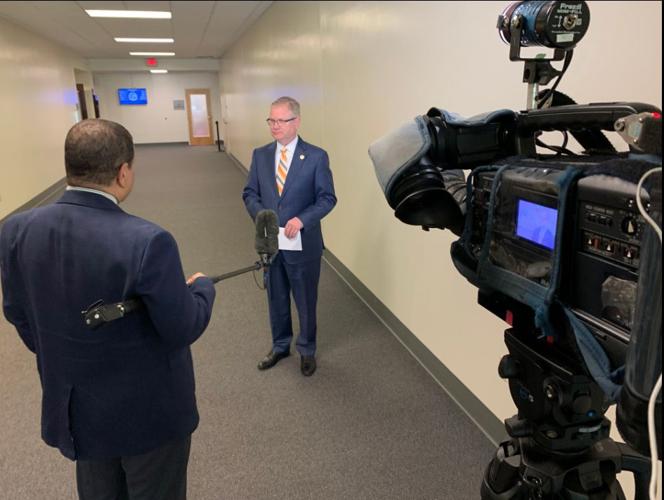
WDRB's Lawrence Smith conducts an interview using a boom mic on a long stick to help ensure social distancing during the pandemic.
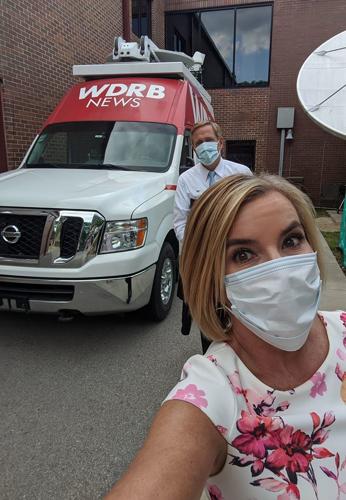
WDRB's Elizabeth Woolsey and Scott Reynolds both wear masks when they are outside the studio.
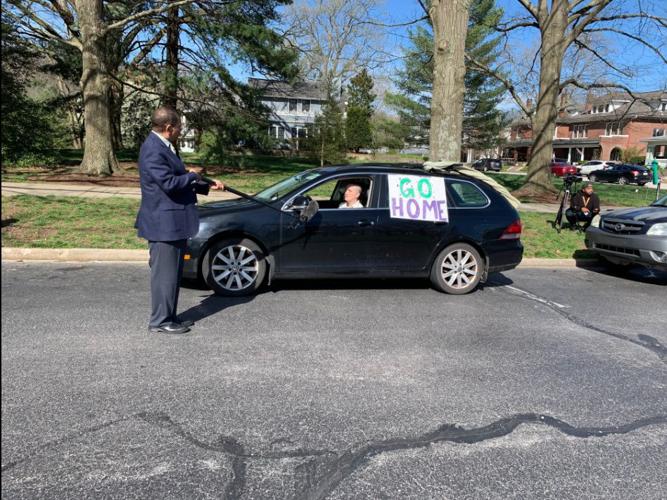
WDRB's Lawrence Smith conducts an interview using a boom mic on a long stick to help ensure social distancing during the pandemic.
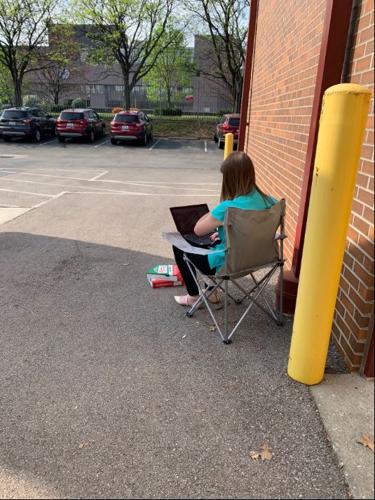
WDRB reporter Lexie Ratterman files her story on a laptop outside Studio B from the station parking lot.
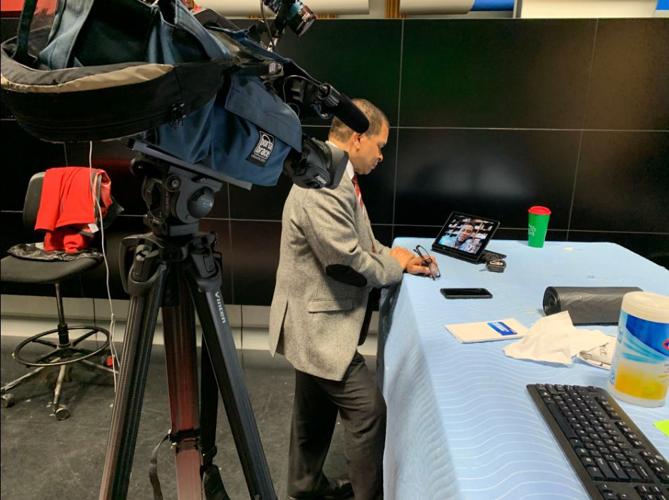
WDRB's Lawrence Smith conducts an interview using video conferencing on a tablet from Studio B.
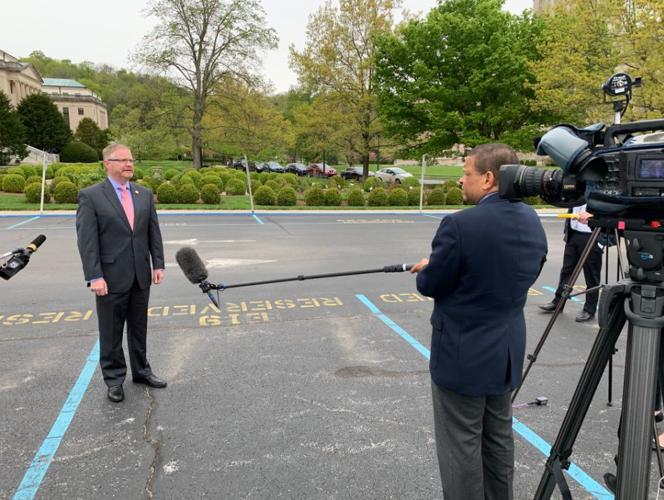
WDRB's Lawrence Smith conducts an interview using a boom mic on a long stick to help ensure social distancing during the pandemic.
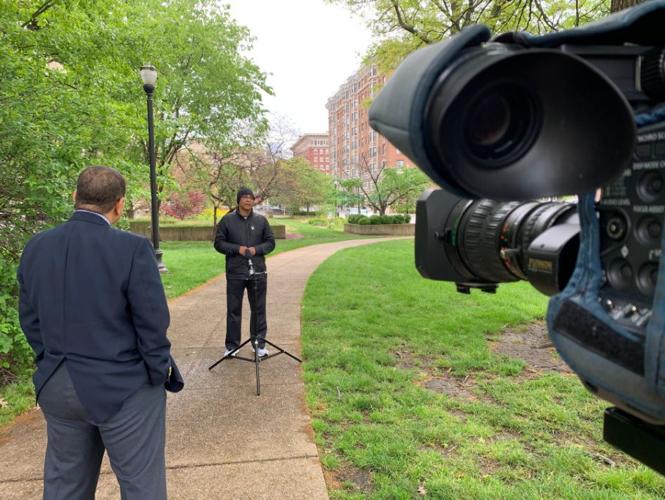
WDRB's Lawrence Smith conducts an interview using a mic on a stand to help ensure social distancing during the pandemic.
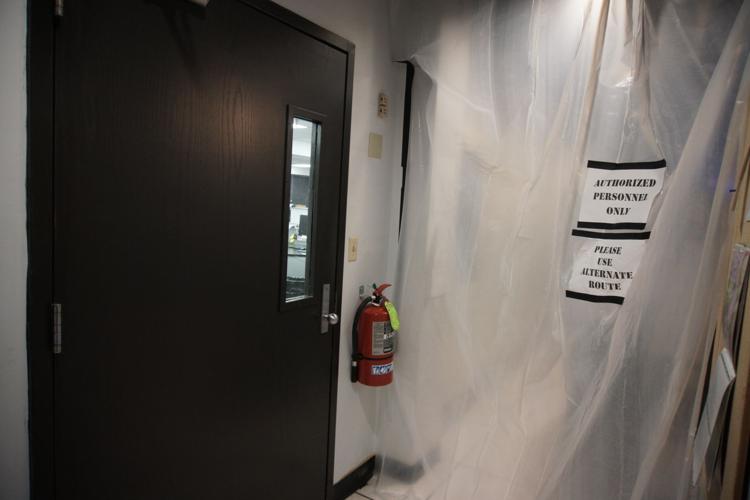
In March, the decision was made to have some employees work outside the building. For the newsroom, that meant assigning some reporters and photographers to work through a secondary part of the building, that we call studio B, which was cut off from the newsroom to avoid cross-contamination. It was set up with equipment, work stations and even snacks, since employees couldn't come in to the building to access vending machines.
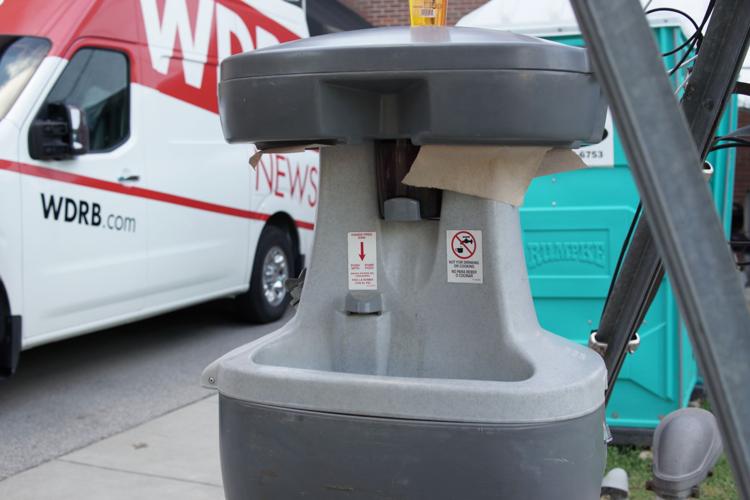
In the back parking lot, there is also a portable toilet for the "outside" crews to use along with a sanitizing station for them to wash hands.
Video conferences have replaced meetings, including four daily news meetings to decide which stories we'll cover and who will cover them. There are some crews that stay in the newsroom to conduct interviews on Skype or FaceTime.
There are still daily crews who go out into the community. They are wearing masks and using gloves, as needed. Plus, they have modified how they conduct interviews by standing farther away and using boom mics on long metal poles to record sound instead of pinning a small lav mic on someone's shirt.
Our digital team, which runs the website, apps and all the daily news conferences, is split up. Most of them are working remotely with just one person in the newsroom to help communicate with the rest of the staff.
Employees from sales, finance and human resources are also working remotely.
Copyright 2020 WDRB Media. All Rights Reserved.