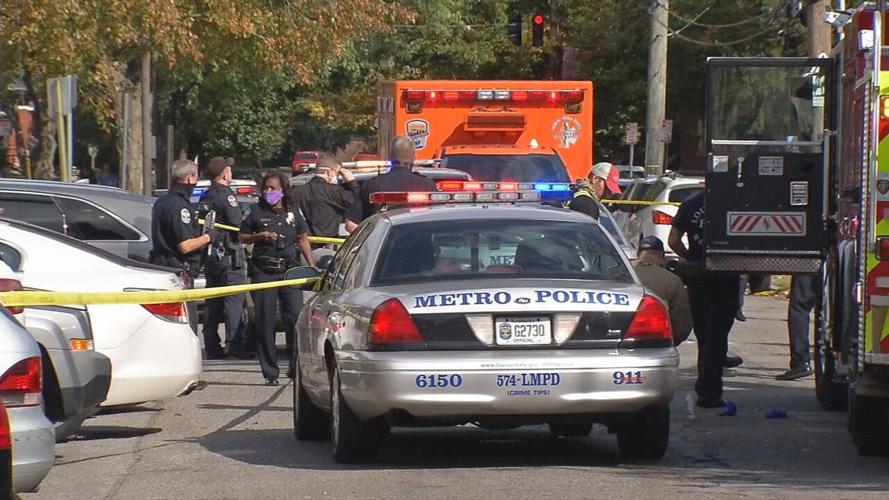


LOUISVILLE, Ky. (WDRB) -- Louisville announced a new plan Friday morning to cut down on violence in the city. The strategy uses the same model other cities have used that got big results in little time.
Louisville has had 140 homicides and around 500 shootings this year. "We are failing, and I say that as the Chief Federal Law Enforcement Officer for this district. We are failing neighborhoods, and we are failing this community," U.S. Attorney Russell Coleman said during Friday's news conference announcing the partnership.
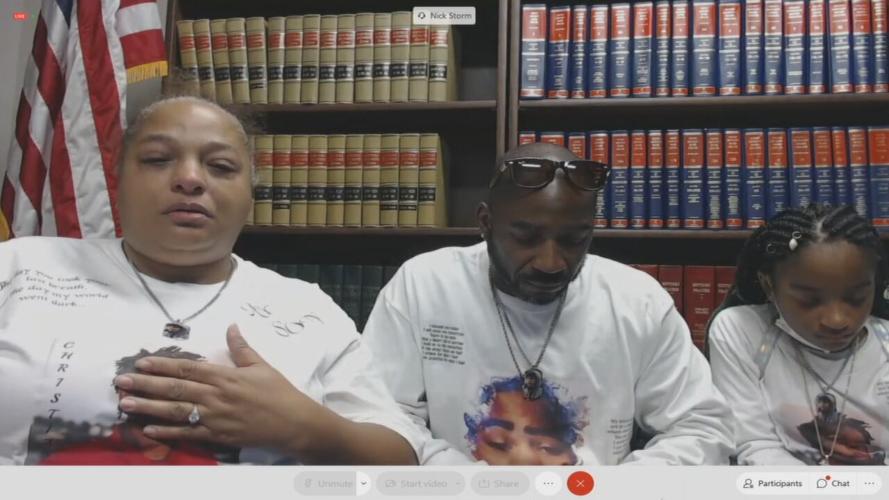
The Gwynns know the pain firsthand.
"My son was 19-years-old," Krista Gwynn said. "Coming home from Indi's. walking down the street, a car drove past my son and took his life for nothing."
Louisville is partnering with John Jay College of Criminal Justice in New York City to create the Group Violence Intervention.
"'Don't announce something important a few days before the election.' That's what the public affairs world would say, but the community needs hope, and this is cause for hope," Coleman said.
John Jay College has built an evidence-based portfolio over the last 25 years. Professor David Kennedy said the most vulnerable population is overwhelmingly concentrated in historically damaged, Black communities across America. "There is in my view, no greater matter of racial justice and racial equity than the disproportionate gun violence, lethal, near lethal victimization of young Black men in neighborhoods all across our country. It's intolerable," Kennedy said.
"He had a purpose in life, and someone drove past my son and took his life for what? Because he lived in the west end? It's so unfair," Gwynn said.
Professor Kennedy said the national network is a hands-on, active, violence prevention shop. This new strategy recognizes a high-risk, very small group of people driving violence and offers them help. Violent offenders on parole or probation are called into meetings as a condition of their release and meet with three groups. The first group includes law enforcement and prosecutors. The second is social service providers. The third group is ex-offenders and families of victims of violent crime.
Kennedy and his team first implemented the GVI model in Boston in 1996-97, resulting in a 63 percent drop in youth homicides. In other cities, large and small, homicides were reduced by 40 to sometimes 70 percent.
"We do not know how to cure this problem, but we absolutely now know how to make it substantially better," Kennedy said.
Leaders said it'll happen relatively quickly.
"We may not work together on many things, we may not collaborate on many things, but the story of this announcement, Mrs. Gwynn, is we are listening to you, and we are working together," Coleman said.
Committees are being developed and will begin meeting regularly next month.
The first year of this model is already paid for by people in the community.
The commitment is two years, but there's no time limit.
Copyright 2020. WDRB News. All rights reserved.


