

BERNHEIM FOREST (WDRB) -- We've all seen it hanging from the doorpost and we all know what it means: hints of romantic interludes, or awkward moments.
But even though the mistletoe is "hung where you can see," oftentimes holiday revelers don't know where it comes from. Believe it or not, it's actually a type of parasite.
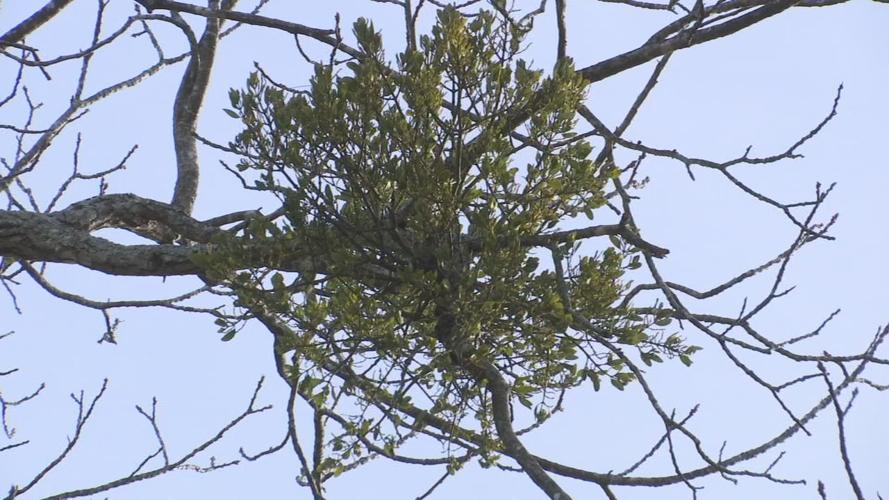
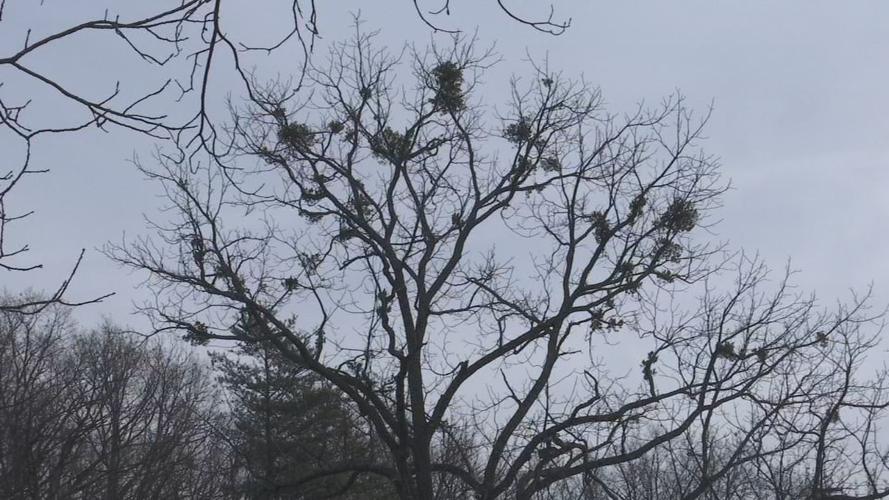
"Mistletoe is an evergreen, parasitic plant," explained Matthew London, a horticulturist at Bernheim Forest. "This time of year, it makes an appearance after all the deciduous trees drop their leaves, and we’re able to see it in the tops of these other trees."
And mistletoe has a way of spreading.
"The plants absolutely do berry," London said. "They are flowering plants and they produce white, translucent berries. These berries are picked up by birds. They're not very variable. They're usually always white. There's a sticky film on the seed of this berry as it's dropped from great heights by these birds or wiped off of the fur of mammals or bird beaks."
That's when the mistletoe takes root.
"It penetrates the tree, makes it its host and starts growing as mistletoe."
But it's a very slow process, taking anywhere from 4-5 years for the mistletoe plant to reach maturity.
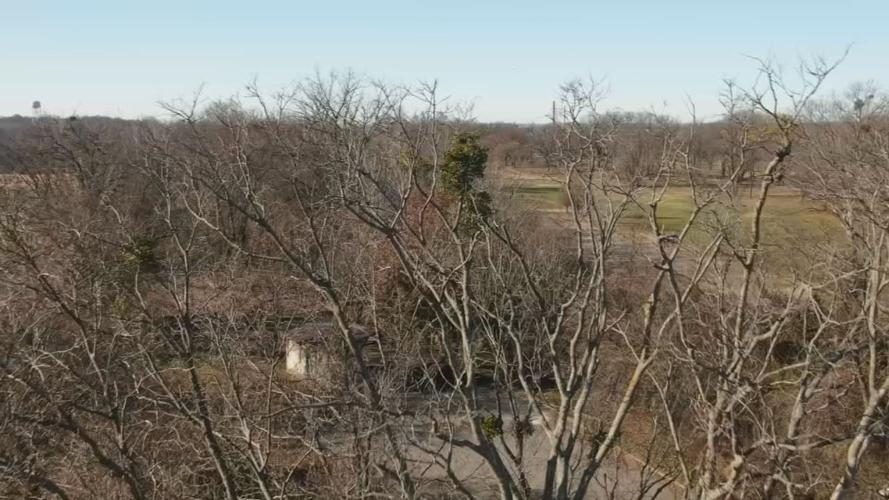
"Mistletoe can grow anywhere on a host tree, and it actually hosts on hundreds of trees in North America," London said. "It is not always growing on the tops of trees. In fact, landing on the bark lower to the ground such as here, you can see that it's germinated and it's growing just fine."
But science aside, London acknowledges that mistletoe has special meaning grounded in metaphor.
"Being evergreen, it's a sign of hope for the spring to come, and folks usually bring it indoors and use it in their traditions."
Copyright 2019 by WDRB Media. All rights reserved.


