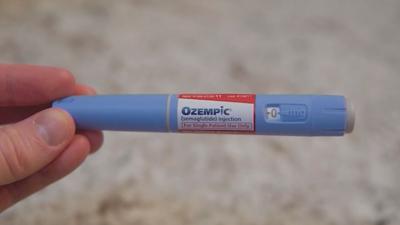


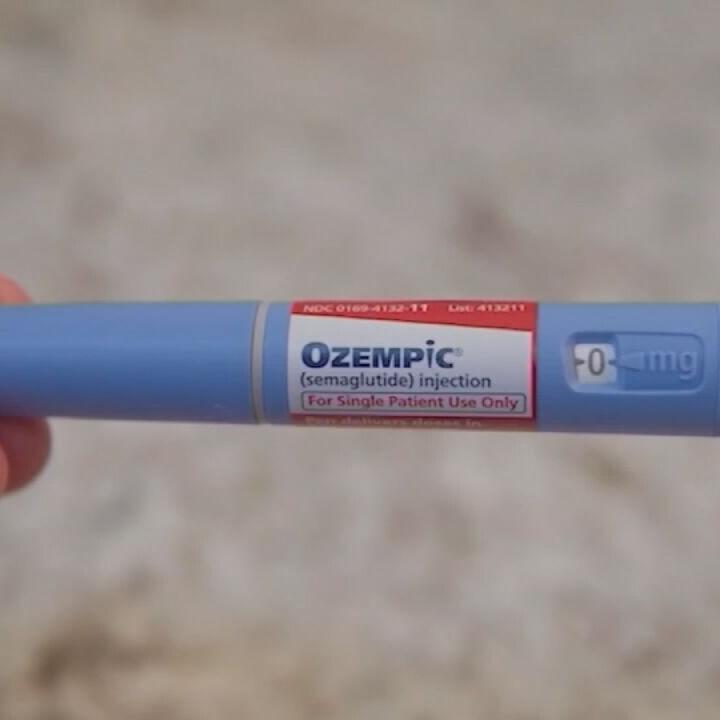
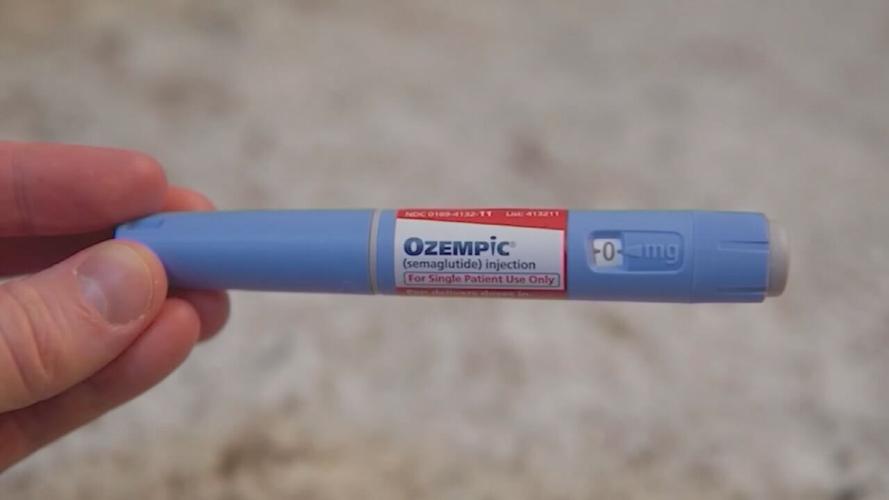
LOUISVILLE, Ky. (WDRB) -- Ozempic and Mounjaro, popular drugs created to treat the effects of diabetes, have taken off in popularity.
The reason? The injectable pens have caught on as a weight loss drug, and their surging use — at retail price tags of $900 per month or more — has led to a nationwide shortage.
Hannah Raake, a nurse practitioner in New Albany who specializes in weight loss, said physicians noticed years ago that diabetes drugs like Ozempic weren't only managing the disease but helping patients lose weight.
So now, companies are making weight loss versions of the diabetes drugs.
"It's the exact same medicine you'll find in diabetic medicine," Raake said.
The new obesity drugs, originally designed to treat diabetes, include semaglutide, used in Ozempic and Wegovy, and tirzepatide, used in Mounjaro and recently approved as Zepbound. Now aimed at weight loss, too, the drugs delivered as weekly injections work far differently than any diet. They mimic powerful hormones that kick in after people eat to regulate appetite and the feeling of fullness communicated between the gut and the brain. Users can lose as much as 15% to 25% of their body weight, studies show.
And the skyrocketing demand has led to a shortage and even people facing challenges getting the drugs covered by their insurance provider.
"We get phone calls on a daily basis (from patients saying) 'We can't find our medicine,'" Raake said. "... A lot more insurance companies are covering for diabetes than weight loss."
A new study, which was funded by Eli Lilly, featured about 600 people who had obesity or were overweight with a weight-related health complication — but not diabetes. On average, study participants weighed about 241 pounds to start. Participants who got both the weight-loss shots and the placebo lost about 7% of their body weight, or almost 17 pounds, during the diet-and-exercise phase. Those who received the drug went on to lose an additional 18.4% of initial body weight, or about 44 pounds more, on average. Those who received the placebo shots regained about 2.5% of their initial weight.
Side effects including nausea, diarrhea and constipation were reported more frequently in people taking the drug than those taking the placebo. They were mostly mild to moderate and occurred primarily as the dose of the drug was escalated, the study found.
But more data is needed about the long-term effects of the medications.
"I would love to see more long-term studies, because they are just so new we haven't had the opportunity to see those things," said Madisson Veatch-Smith, a registered dietitian in New Albany.
Baptist Health Floyd in New Albany recently launched a program around these weight loss medications in which there's education from a registered dietitian to help patients.
Doctors said anyone with a Body Mass Index of 27 or more is eligible for the drugs if they also have an additional health condition like diabetes, high blood pressure or high cholesterol. If you don't have any those conditions, the BMI must be 30 or more.
Copyright 2024 WDRB Media. The Associated Press contributed to this report. All Rights Reserved.


