


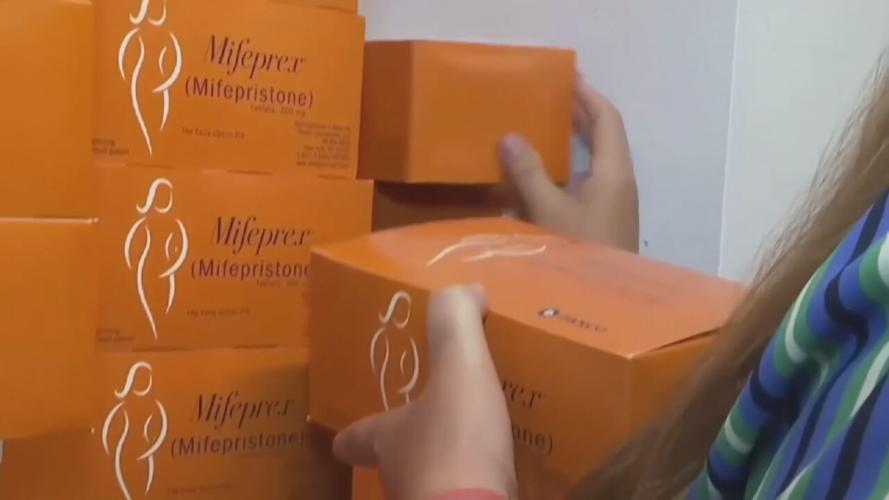
LOUISVILLE, Ky. (WDRB) — Kentucky and Indiana’s top prosecutors are joining a multi-state effort asking federal regulators to consider whether a widely used abortion medication should be classified as a water contaminant — a move environmental health experts say is not supported by scientific evidence.
Indiana Attorney General Todd Rokita, along with Kentucky Attorney General Russell Coleman and leaders from 12 other states, are calling on the Environmental Protection Agency to add mifepristone to its Contaminant Candidate List under the Safe Drinking Water Act.
In a letter led by Missouri, the coalition argues increased use of the drug, including what it describes as more chemical abortions occurring outside traditional clinical settings, has raised concerns about pharmaceutical waste entering wastewater systems.
Rokita, in a statement, said medication-induced abortions "present a growing threat," arguing increased at-home use could lead to more medical waste entering waterways. He also said exposure through drinking water could pose risks to pregnant women and reproductive health.
The request points to a 1996 Food and Drug Administration statement noting the drug could enter the environment through wastewater systems, though the FDA said environmental impacts were not expected.
The coalition also cites data showing medication abortions accounted for about 63% of U.S. abortions in 2023, up from 31% in 2014 and 14% in 2005.
Environmental health experts, however, told the Kentucky Lantern there is no evidence mifepristone at trace levels in water systems poses harm to people or the environment. They say pharmaceuticals are commonly detected in water supplies and are routinely monitored under existing safety systems designed to flag harmful contaminants.
The EPA has not said whether it will take action on the request.
Copyright 2026 WDRB Media. All Rights Reserved.


