LOUISVILLE, Ky. (WDRB) -- Ahead of a possible ice storm in Louisville, southern Indiana and parts of Kentucky, the American Heart Association is encouraging Hoosiers to protect themselves while shoveling snow and to know the signs of a heart attack.
“Shoveling snow can be a very vigorous activity, and you’re basically doing it ‘in a freezer,’” Dr. William Gill, a cardiologist who is immediate past-president of the American Heart Association board of directors in Indianapolis told FOX 59. “Those conditions can very quickly lead to stress on the heart.”
Here are some of the ways you can safely shovel, according to a statement by the AHA:
- Give yourself a break. Take frequent rest breaks during shoveling so you don’t overstress your heart. Pay attention to how your body feels during those breaks.
- Don’t eat a heavy meal prior or soon after shoveling. Eating a large meal can put an extra load on your heart.
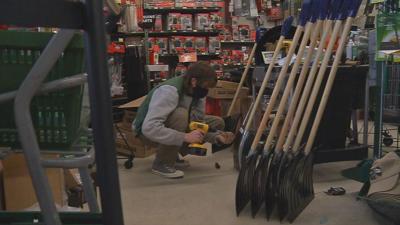
- Use a small shovel or consider a snow thrower. The act of lifting heavy snow can raise blood pressure acutely during the lift. It is safer to lift smaller amounts more times, than to lug a few huge shovelfuls of snow. When possible, simply push the snow.
- Learn the heart attack warning signs and listen to your body, but remember this: Even if you’re not sure it’s a heart attack, have it checked out (tell a doctor about your symptoms). Minutes matter! Fast action can save lives — maybe your own. Don’t wait more than five minutes to call 9-1-1
- Don’t drink alcoholic beverages before or immediately after shoveling. Alcohol may increase a person’s sensation of warmth and may cause them to underestimate the extra strain their body is under in the cold.
- Consult a doctor. If you have a medical condition, don’t exercise on a regular basis or are middle aged or older, meet with your doctor prior to the first anticipated snowfall.
- Be aware of the dangers of hypothermia. Heart failure causes most deaths in hypothermia. To prevent hypothermia, dress in layers of warm clothing, which traps air between layers forming a protective insulation. Wear a hat because much of your body’s heat can be lost through your head.
“I can’t stress enough the urgency of getting proper treatment for a heart attack,” Gill said. “Don’t die of doubt, whether that is doubting your symptoms could be a heart attack or whether you have doubts about going to the hospital during the COVID pandemic. Hospitals are safe and offer life-saving treatment.”
Signs of a heart attack include chest discomfort and discomfort in other areas of your upper body. You should call 911 if you experience any of those symptoms.
Related Stories:
Copyright 2022 WDRB Media. All Rights Reserved.


