



LOUISVILLE, Ky. (WDRB) -- Louisville's health department is continuing to collect tick samples and asking for the community's help.
More than 50 tick samples have been submitted to the Louisville Metro Department of Health and Wellness, which has a special lab set up to determine the species and to log where the tick was found.
Louisville has had a program studying mosquitos and working on mosquito control since 1956. Now, the state and local agencies are also looking into ticks.
"Nationwide we see more tickborne illness than we do mosquito-borne illness in most places in the United States," said Matthew Vanderpool, an environmental health specialist at Louisville Metro Public Health and Wellness.
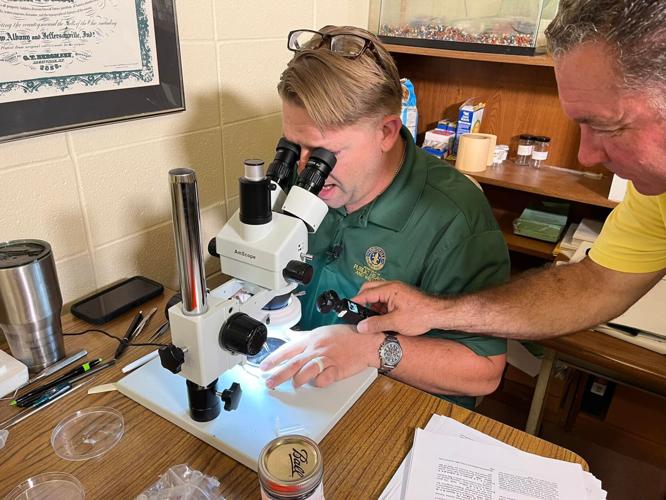
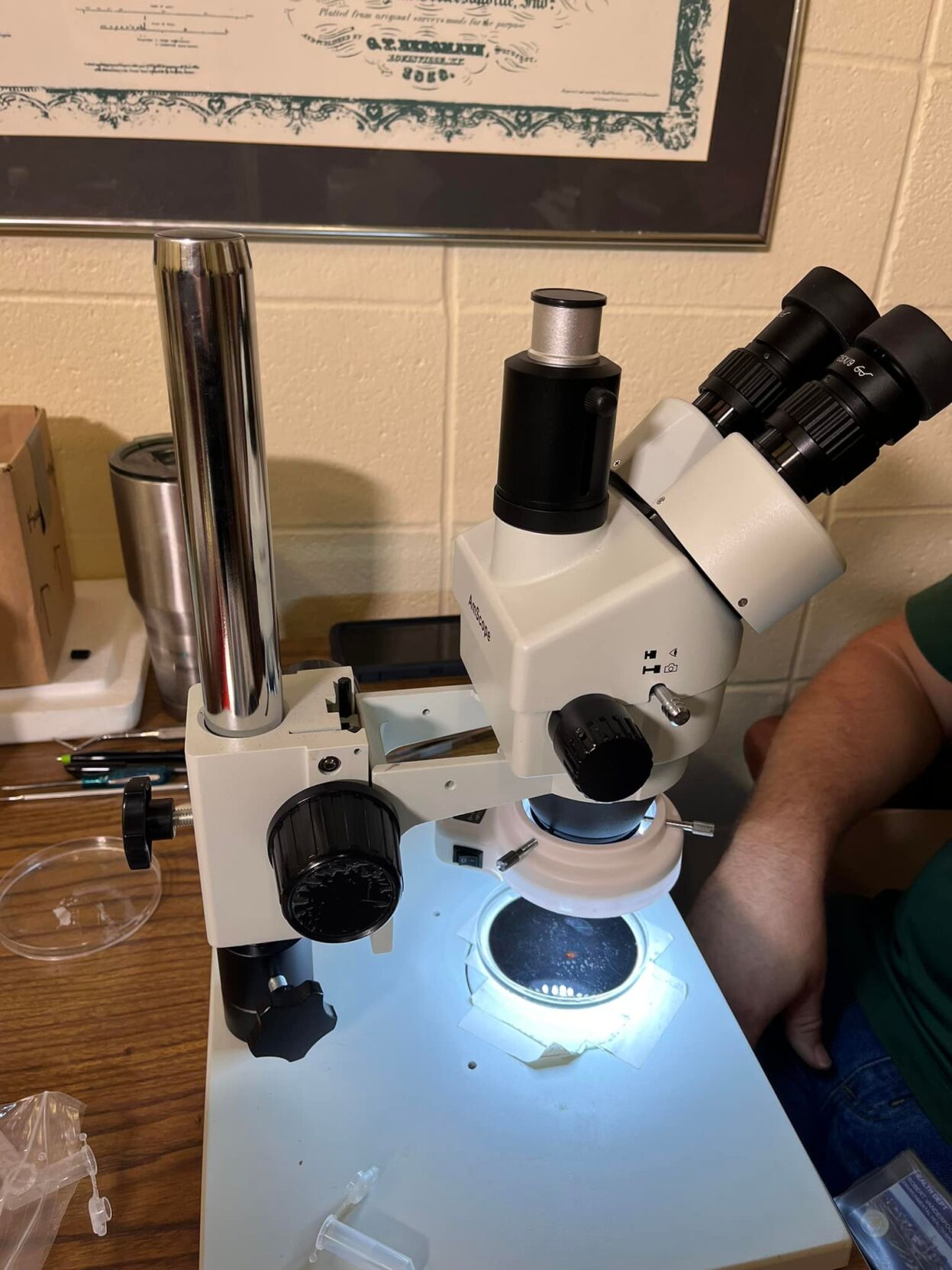
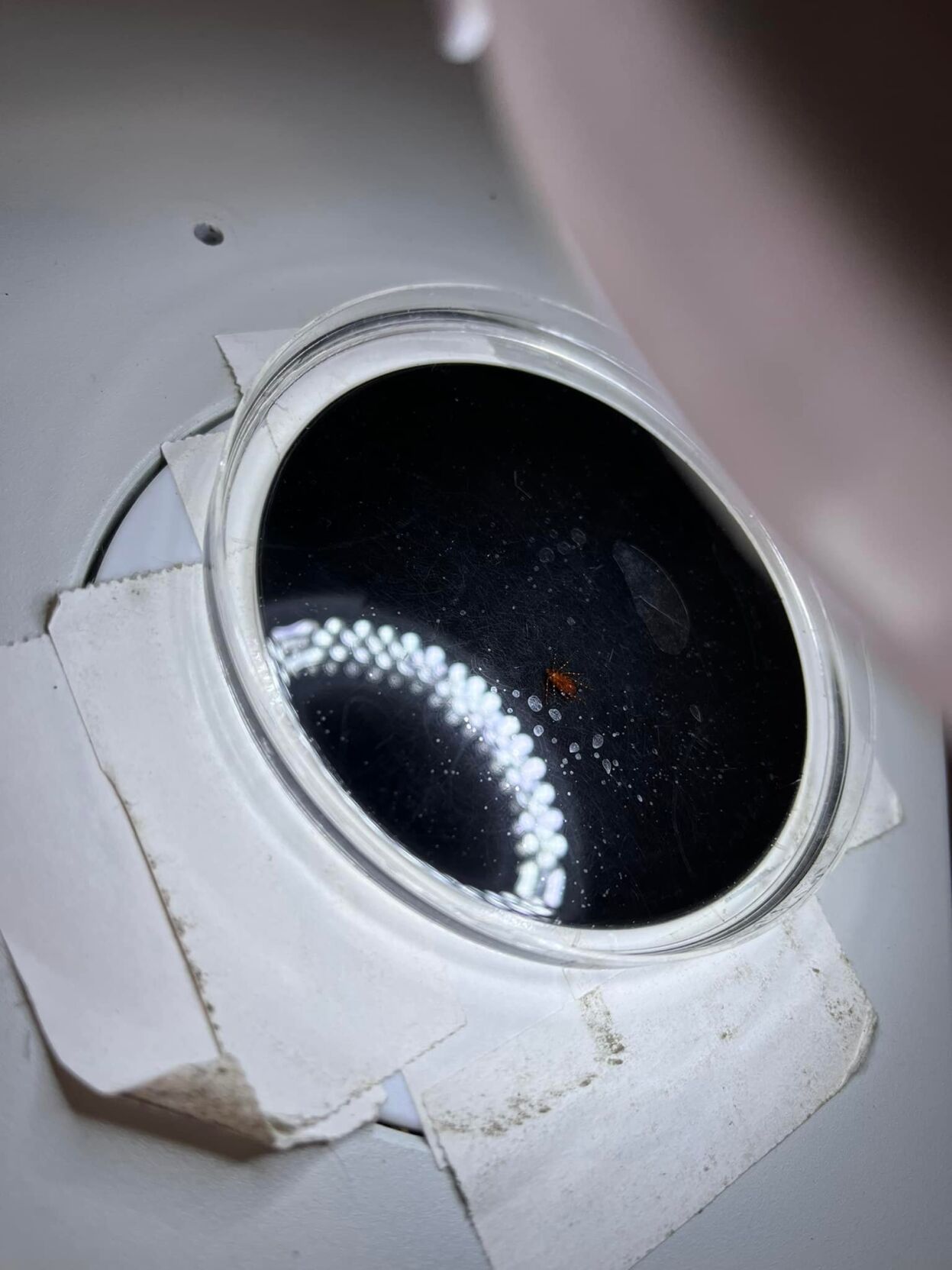
Vanderpool said different types of ticks carry different types of diseases, and that's exactly why he and other experts are putting them under the microscope, zooming in on all the tiny details -- even counting rows of teeth -- and flipping through paperwork to determine where certain types of ticks are being found in Jefferson County.
"Knowing the types of ticks tells us the potential for different types of diseases in different areas," said Vanderpool.
Those diseases include things like Lyme disease and Rocky Mountain spotted fever.
"Most of the ticks I see are lone star ticks and based on what people are bringing in, it's still Lone Star ticks," Vanderpool explained.
According to the CDC, Lone Star ticks do not cause Lyme disease. But there are six different types of ticks in Kentucky, according Vanderpool, and he's working to keep the public informed.
This year, the health department started a new program called "Spot a Tick and Share." Community members across Louisville who find a tick or are bitten by one are asked to put the sample in a sealed container with rubbing alcohol and take it to the health department for this research.
It's very important that ticks are submitted correctly, or the data can't be collected. If you want to submit a tick sample, the tick must be put in a container with a lid. Ziploc-type storage bags do not work. Each sample must also be covered in rubbing alcohol, otherwise the ticks become too brittle and break apart.
There's also a form to fill out online to let the department know where the tick was found. Samples can be dropped off at LMPHW at 400 E. Gray St. Monday through Friday between the hours of 8 a.m. and 5 p.m. Complete one form per tick or tick bite.
As tick samples continue to come in to the lab, each one is getting closely examined and data is recorded.
Vanderpool's goal is to make a map of the city pinpointing where ticks were found. Once he has enough data, that map will be made public so people can be aware of the types of ticks they could encounter in a certain area.
"This isn't a program we plan on doing just this year. We want to add to this year by year by year," he said.
To learn more about this program, click here.
Related Stories:
Copyright 2022 WDRB Media. All Rights Reserved.


