A new survey finds about half of U.S. adults under 50 get health information from social media influencers or podcasts. The analysis by the Pew Research Center of nearly 7,000 influencers also found less than half described themselves as healthcare professionals. Experts say the key to being a smart consumer of health content is to look for credentials, think twice when people speak in absolutes, follow the influencer money and confirm with a trusted health professional before acting on anything you see online.
From
To
There is a long-running discussion about the role that religion can play in enhancing personal well-being and lowering the risk of mental health problems. A positive view of religious faith’s relation to mental health is shared by several prominent U.S. organizations, including the National Alliance on Mental Illness and Mental Health America. The American Psychological Association takes a nuanced approach, citing the vast variety of religious and spiritual beliefs and practices. It evokes the capacity of religion and spirituality “to do both good and harm.”
Meta is raising the prospect of shutting down social media services in New Mexico in response to a push by state prosecutors for fundamental changes to platforms, including Instagram, to protect the mental health and safety of children. The possibility emerged Thursday amid legal gamesmanship in the runup to a bench trial next week on allegations that Meta poses a public nuisance. In a court filing and public statement, Meta said it was unfeasible for the company to meet proposed requirements. Prosecutors are seeking a series of changes to social media platforms for child accounts aimed at reining in compulsive use and preventing child sexual exploitation.
The Food and Drug Administration says it will offer ultra-fast review to three psychedelic drugs being studied for hard-to-treat mental health conditions, including major depression. The agency announced the move Friday, following an executive order by President Donald Trump calling for the agency to speed up access to the mind-altering drugs. The move reflects growing popular support for the psychedelics among Trump’s supporters, including combat veterans and followers of the Make America Healthy Again movement. The FDA also greenlighted initial testing of a drug related to ibogaine, a potent psychedelic linked to dangerous heart rhythms.

Keith Kaiser finds a new way to release some tension.

In a letter to staff, UofL Health Peace Hospital CEO Aundrea Lewis said she was taking time off for herself, her family and her own mental health.

Keith Kaiser gets salty for his own benefit.
Top Story
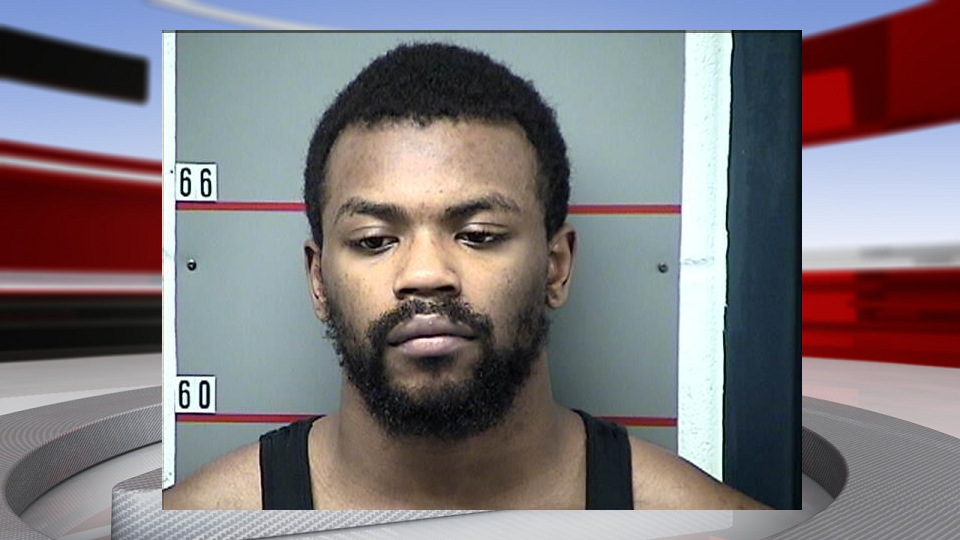
While Brown has claimed he never meant to hurt or kill anyone, prosecutors allege that he took “direct aim” at Greenberg and shot at him multiple times, twice hitting the desk where the mayoral candidate was sitting. The wall immediately behind where Greenberg was sitting had multiple bullet holes, according to pictures of the scene.

Top Story
In court documents filed Wednesday, Brown maintains he was not attempting to kill or hurt anyone, but admits he fired a gun into Greenberg's campaign office in the Butchertown Market on Story Avenue on Feb. 14, 2022.

This number became available across the United States in 2022. And since then, more than 124,000 Kentuckians have used it.