

LOUISVILLE, Ky. (WDRB) — Don’t do it now.
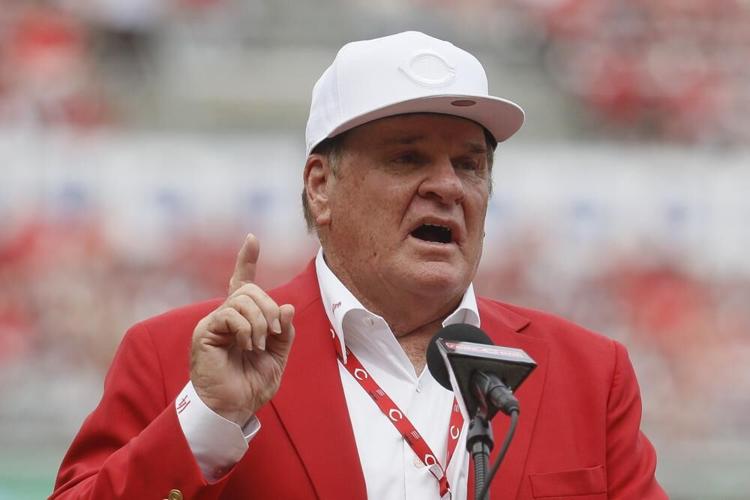
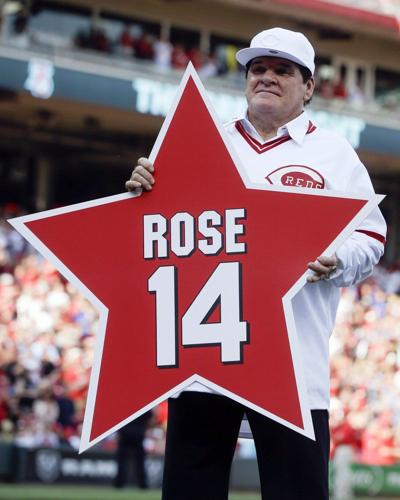
Don’t clear the path to hang a plaque for Pete Rose at the Baseball Hall of Fame in Cooperstown, N.Y. so that his friends, family and former teammates can celebrate his remarkable baseball achievements without him after Rose, 83, died Monday in Las Vegas.
From every Rose book or story I’ve read or every Rose interview I’ve watched, Peter Edward Rose would snarl at that. If there was going to be a Cooperstown moment for Rose, Rose wanted to be there for every second of it.
Going into the Hall now would agitate Rose more than the lifetime ban that he accepted from former commissioner Bart Giamatti in 1989.
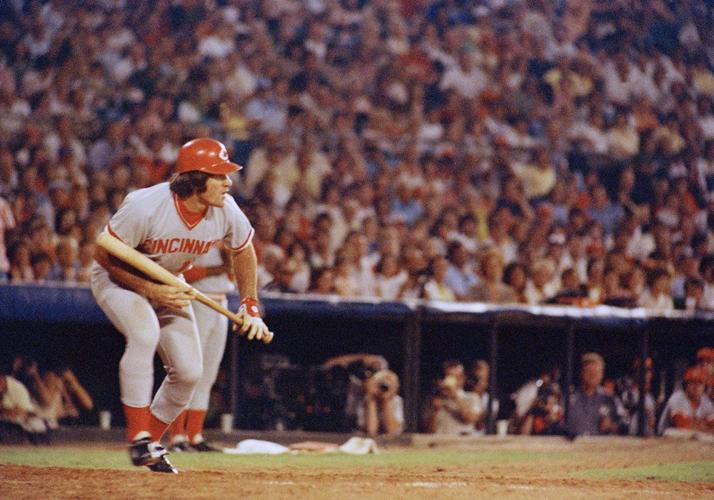
Rose absolutely earned his way into the Hall with his 4,256 hits, 44-game hitting streak, MVP and Rookie of the year awards and the three World Series he won, including 1975 and 1976 when the Big Red Machine was the most feared and admired professional sports team in America.
He earned his Sportsman of the Year award, his national television commercials and the most fitting and enduring baseball nickname of all time — Charlie Hustle, a perfect ode to the frenetic blasts of energy and competitiveness that the undersized Rose relentlessly delivered.
I fell in love with baseball in elementary school. Rose is right there with Mays, Clemente, Gibson, Koufax, Mantle, Aaron, Bench, Morgan, Seaver, Robinson, Yaz or any player of his generation.
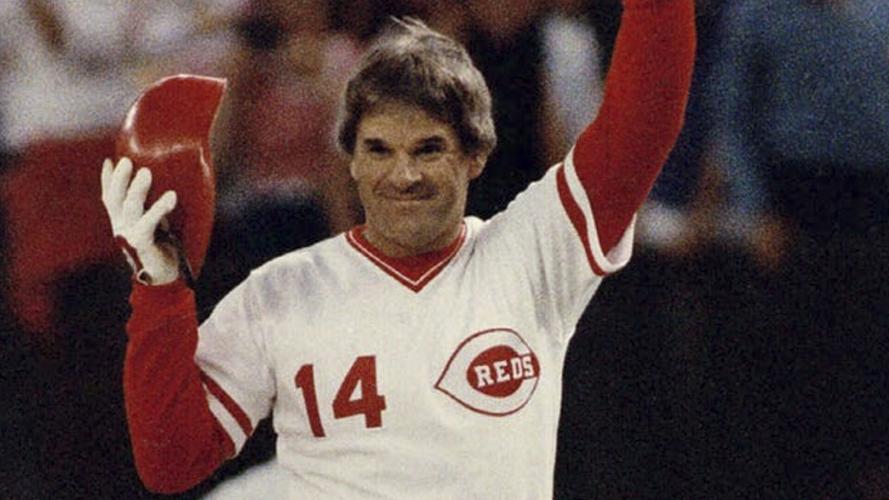
The running to first base on walks. The head first slides. The ability to switch hit or switch between second base, third base, first base, left field or right field. And, of course, the base hit after base hit after base hit, until he toppled Ty Cobb as baseball’s Hit King on Sept. 11, 1985 against Eric Show and the San Diego Padres.
You loved him or you loathed him. Middle ground was out of the question.
But Rose also absolutely earned his lifetime ban, too. For betting on baseball. For lying about betting on baseball. For retracting his lying about betting on baseball when it became convenient to boost sales of a book. Or sales of autographed baseballs. Or personal appearances.
That was always the chasm in the Pete Rose Story, the one that could never be mediated, negotiated, remedied or overcome.
Hall of Fame player. Yes.
Hall of Fame representative of what you’d like the best in baseball to be? No.
The warring sides on The Pete Rose Question have been unable to find a middle ground for 35 years. Maybe his passing will change that. I’m not convinced.
My sense has always been the majority of baseball fans believe that Rose should have been voted into the Hall long ago.

Pete Rose, baseball's all-time hits leader.
That’s especially true in this area, where the Reds were once so popular that during the prime years of the Big Red Machine both The Courier-Journal and Louisville Times dispatched beat reporters to Riverfront Stadium to chronicle every Reds’ home game.
The truth is that it was former C-J sports reporter Ron Coons who did the research that confirmed Peter Edward Rose played in more winning baseball games than anybody who played the game.
Rose loved sharing that statistic at every opportunity, and Coons became a lifetime friend and fierce Rose defender.
Whenever my thoughts on Rose’s lifetime ban start to lean toward the group that suggested a reasonable compromise would be to place him in the Hall with an asterisked plaque that outlined his transgressions, I get stuck on troubling Rose anecdotes, like the one Jayson Stark included in his story about Rose in The Athletic Monday.
Stark wrote that in 2002, Joe Morgan and Mike Schmidt, both former Rose teammates, worked to secure a secret meeting between Rose and then baseball commissioner Bud Selig.
According to Stark, Selig told Rose everything he would be required to do for baseball to consider rescinding the lifetime ban.
One condition was no more gambling. According to Stark, that meant any gambling, even legalized gambling at casinos and race tracks. In fact, the story said that Rose was asked to stop “hanging out at all those casinos and race tracks.”
The other major condition was that Rose would be required to schedule a press conference. He would admit that he bet on baseball as the manager of the Cincinnati Reds. He would apologize to fans, his former teammates and the game. He would promise that it would not happen again.
Stark wrote that Rose and Selig shook hands.
There was no press conference. There was no detente. There was no reinstatement.
What happened?
Stark reported that Rose went directly from the press conference to an appearance in Las Vegas, which is where he was living when he died. Stark wrote that Selig and friends close to him were “furious.”
End of the story. There would be no Cooperstown.
As much as he campaigned for his place in the Hall, Rose worked just as relentlessly selling his status as a baseball outcast. Nobody hustled the way Rose hustled.
He sold private dinners with Pete at high-end Las Vegas steakhouses. He had a Cameo account to sell personalized birthday and get well wishes. His popularity never waned. It likely grew. According to his website, he had appearances booked for Chicago in November; Mill Creek, Wash. in December and Houston in January.
Rose’s final public appearance was Sunday in Nashville, where he signed autographs with Tony Perez, Ken Griffey Sr., Dave Concepcion and George Foster, all teammates on the 1970 Cincinnati Reds.
On Monday night, after Rose’s passing, I went to Rose’s official website — PeteRose.com. A dozen different versions of an autographed Rose baseball were for sale, ranging in price from $99.99 to $299.99.
Why the different price points?
For $99, Rose signed his name and his trademark No. 14 or that he was a 17-time All-Star or the 1975 World Series MVP.
But the priciest versions included this autographed message:
“Sorry I bet on baseball.”
Pete Rose made his choice — and his choice was not to make it to Cooperstown, especially if he was not alive to celebrate it.
Related Stories:
- Pete Rose, baseball’s banned hits leader, has died at 83
- BOZICH | New Pete Rose book ignites debate about baseball ban, gambling, Hall of Fame
- Baseball glove worn by Pete Rose when he broke hit record to be auctioned
Copyright 2024 WDRB Media. All rights reserved.


