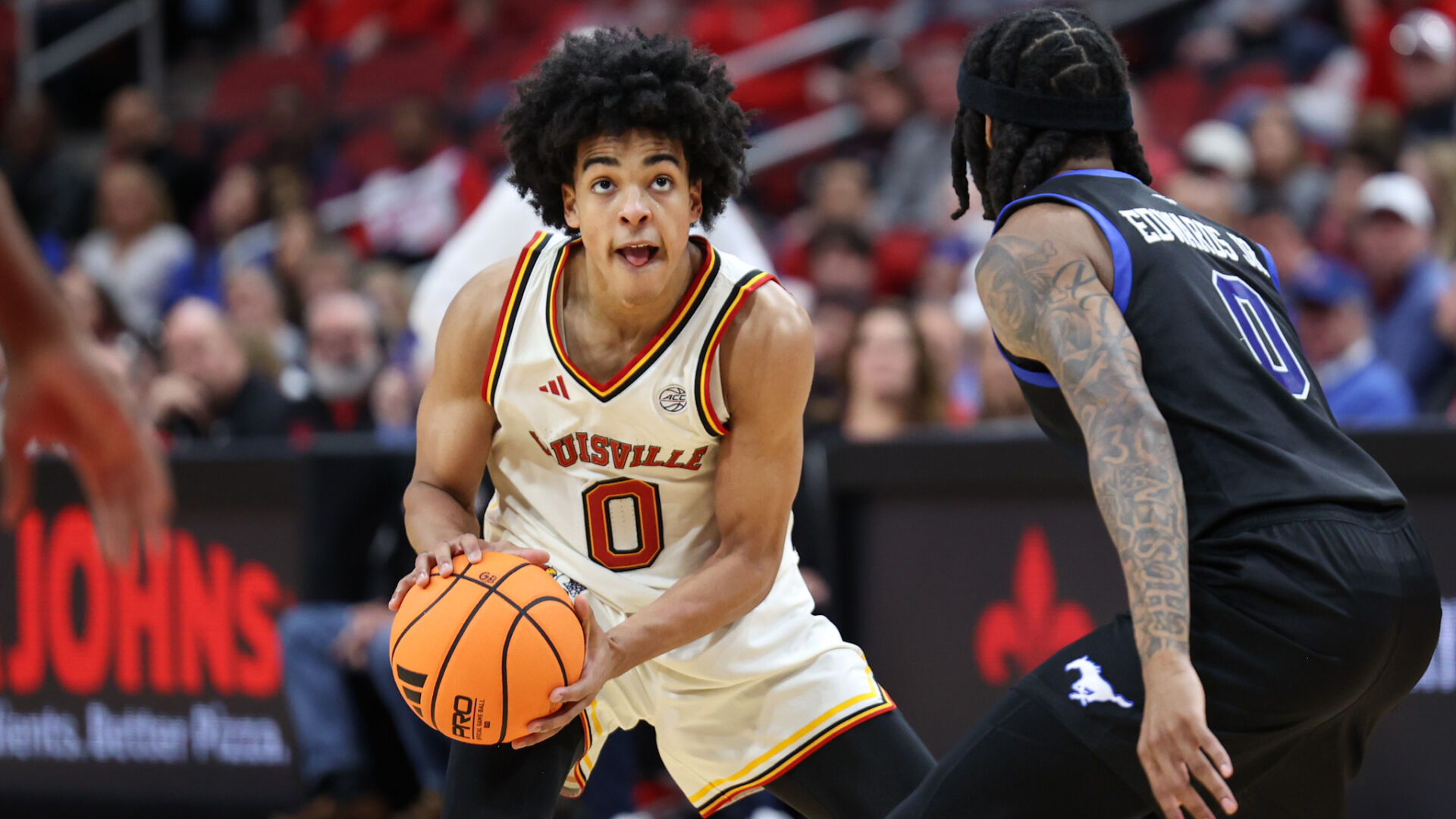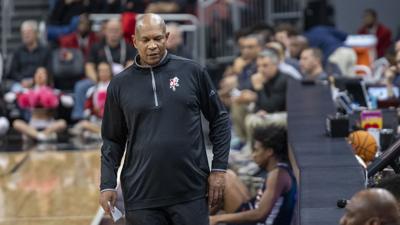
LOUISVILLE, Ky. (WDRB) -- This wasn't the way it was supposed to end for Kenny Payne.
Not for a coach who played on the University of Louisville's last recognized men's NCAA championship team. Not for a guy who prepped for the job under multiple Hall of Famers.
Not for a man who embraced the significance of serving as the program's first permanent Black basketball coach, no small responsibility for one of the South's first integrated programs.
But after all the joy and optimism over Payne's arrival two years ago, this is the inglorious way it did end, with 52 losses in 64 games, rows of empty seats and the promise of another search for a coach who can bring this program back to national relevance. With the news Wednesday that Payne was fired merely two seasons into his six-year contract.
No, it did not work for a stack of reasons, some the responsibility of Payne, some the result of the mess he inherited from Rick Pitino and Chris Mack. But Payne's credentials were legitimate. His passion was sincere. His vision was sound. His heart and soul were committed to Louisville.
It didn't work but Payne earned his chance to succeed or fail.
The chance to lose to Lenoir-Rhyne, Bellarmine and 18 games in the Atlantic Coast Conference in an alarming first season.
The do-over second season that quickly became do more of the same with losses to Kentucky Wesleyan, Arkansas State and others that should not beat the Cardinals even when they are at their worst.
Despite his best intentions, Payne often annoyed and disheartened the University of Louisville men's basketball fan base over the past two unpleasant seasons.
Some wanted a bigger name. Some questioned if he was qualified. Some howled that he was forced on the university because of his race. They never let that go -- and Payne didn't win enough games (less than 20%) to earn a third season that coaches generally get.
IMAGES | From first day to last: Kenny Payne's Louisville tenure in photos
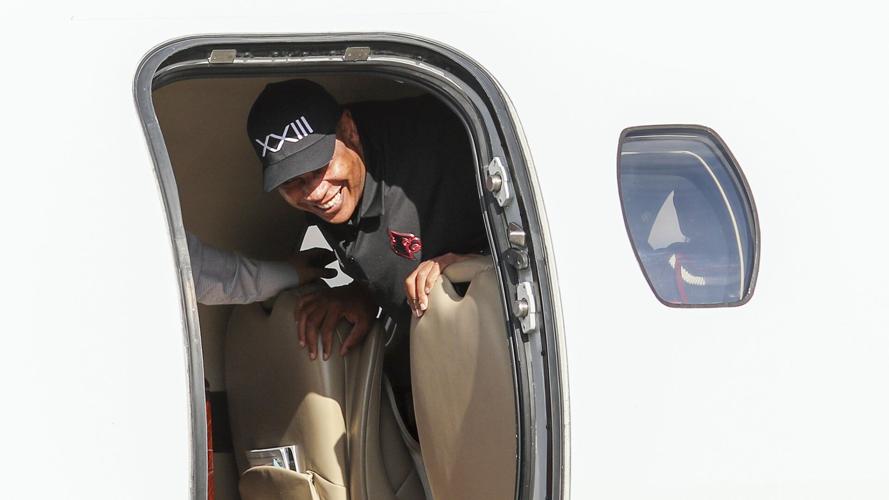
Kenny Payne peeks out of the door of the private jet that brought him to Louisville to accept the head coaching job at his alma mater.
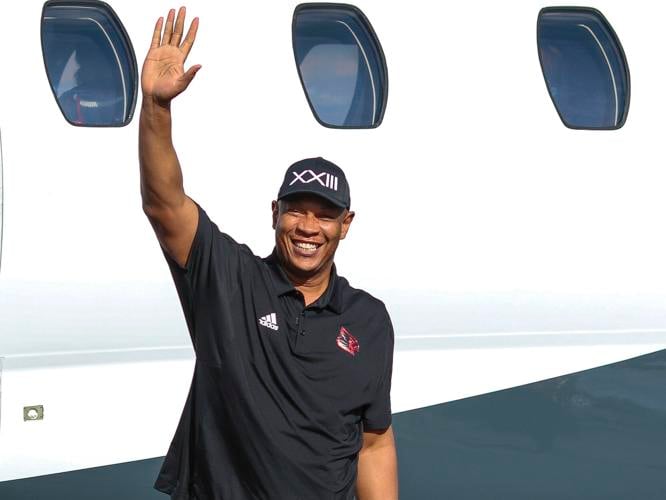
Kenny Payne waves to those gathered on the Bowman Field tarmac after he arrived to take the job as Louisville basketball coach.
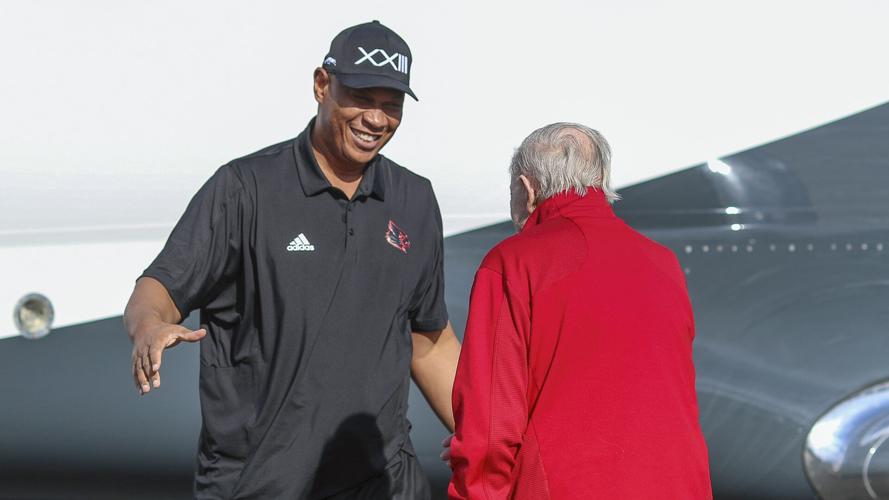
Kenny Payne greets Hall of Fame coach Denny Crum on the tarmac at Bowman Field after arriving to take the job as Louisville basketball coach.
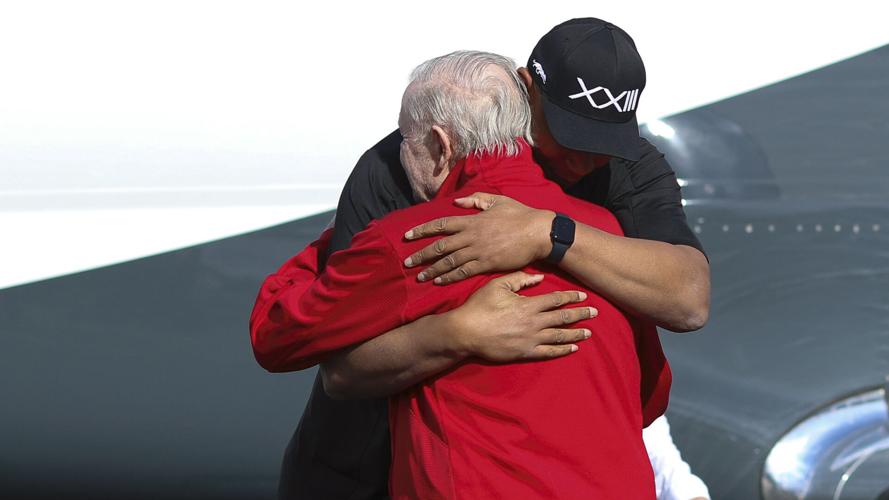
Kenny Payne hugs Hall of Fame coach Denny Crum after arriving at Bowman Field to take the job of Louisville basketball coach.
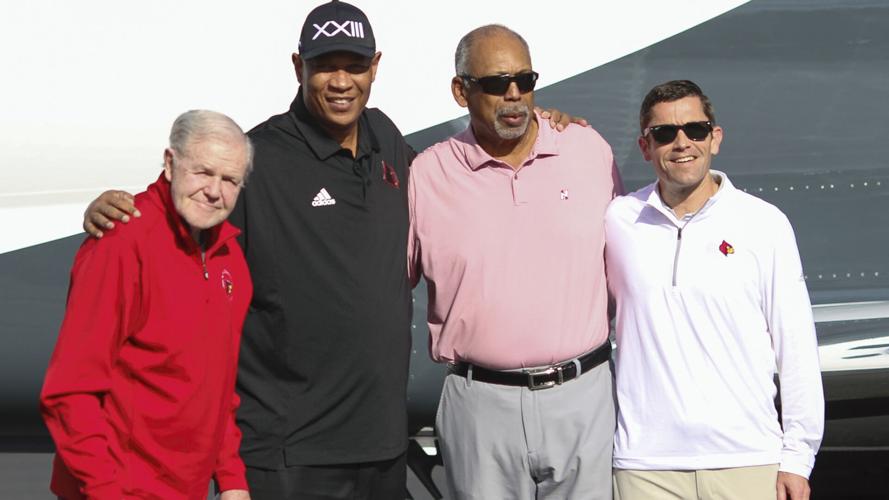
Kenny Payne with Denny Crum, Wade Houston and Josh Heird after arriving at Bowman Field to accept the job as Louisville head basketball coach.
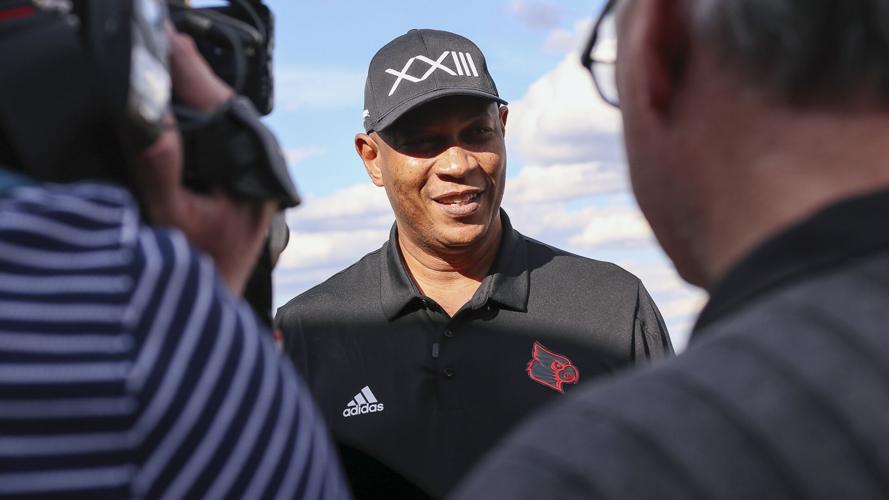
- Eric Crawford photo.
Kenny Payne with reporters at Bowman Field after arriving to take the job as Louisville basketball coach.
- Eric Crawford photo.
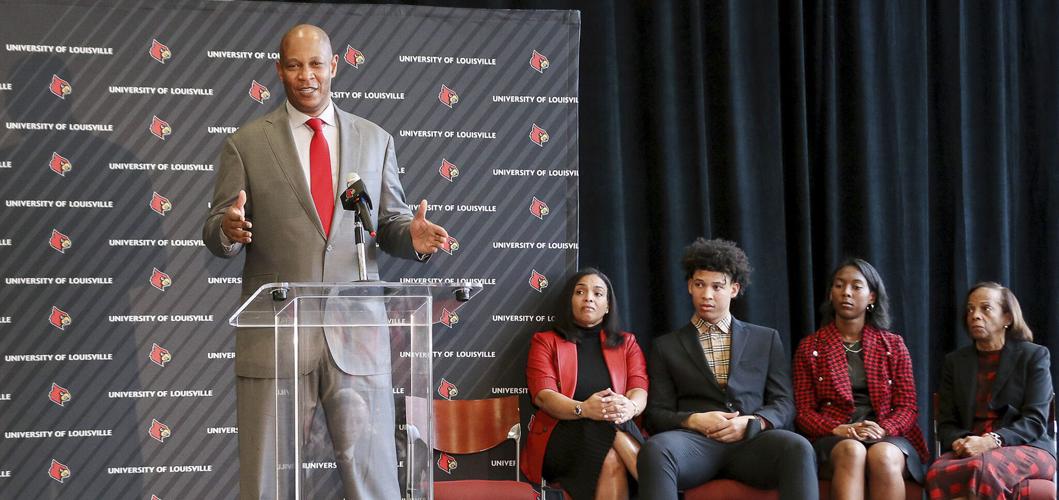
Kenny Payne speaks at his introductory press conference as Louisville basketball coach.
- Eric Crawford photo.
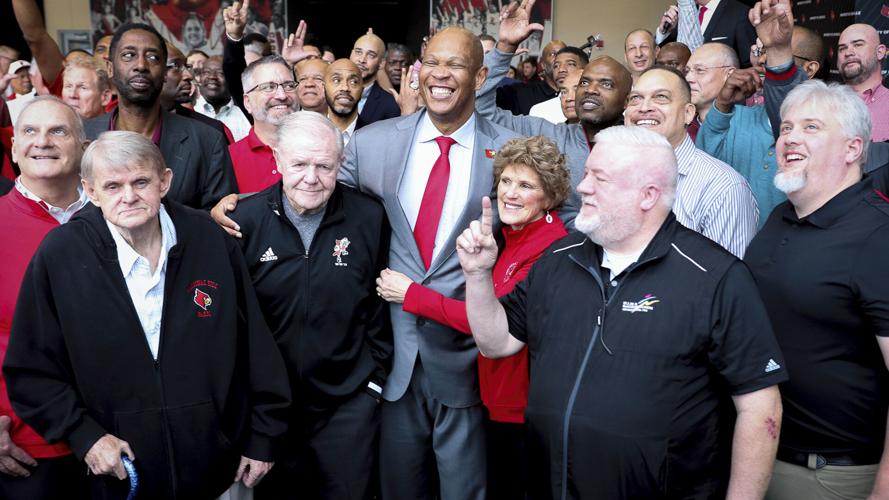
Kenny Payne poses with friends and former players after being named Louisville basketball coach.
- Eric Crawford photo.
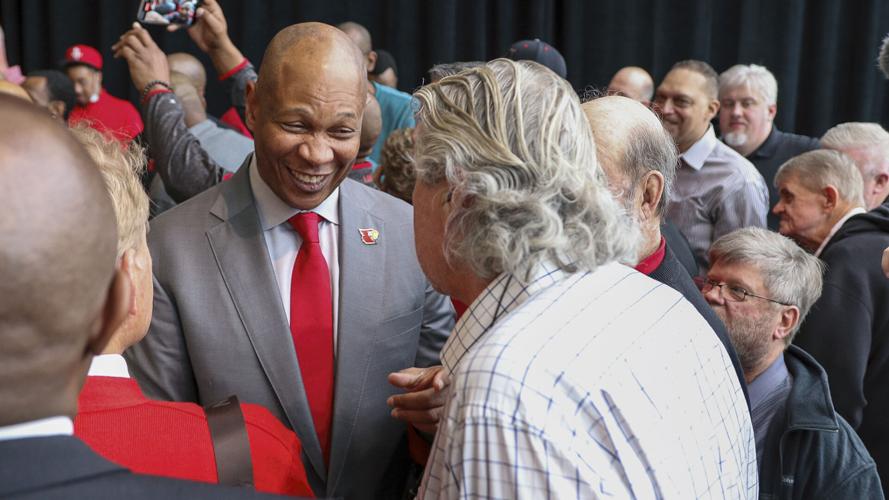
Kenny Payne after being named Louisville basketball coach.
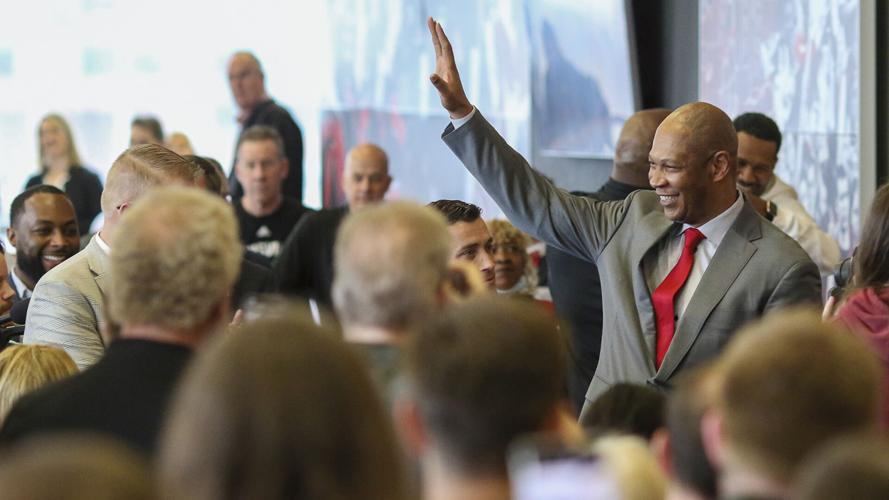
Kenny Payne waves to supporters before being introduced as Louisville basketball coach.
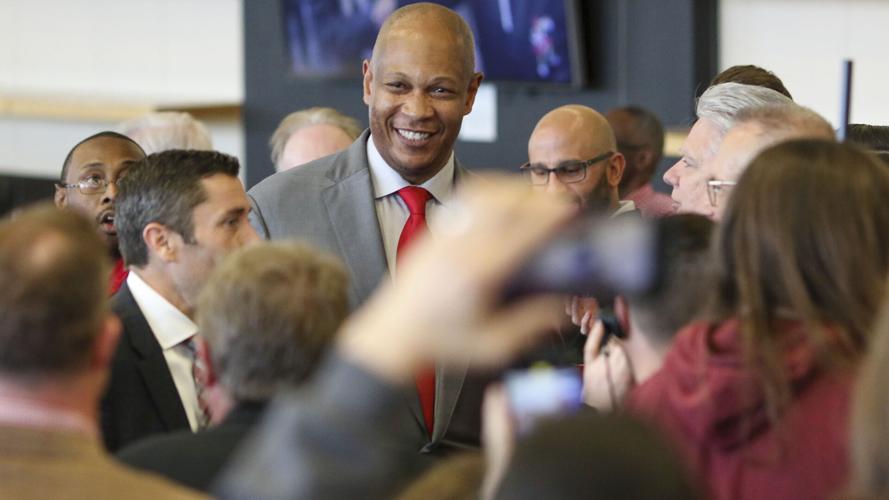
Kenny Payne is surrounded by supporters after arriving to be intorduced as Louisville basketball coach.
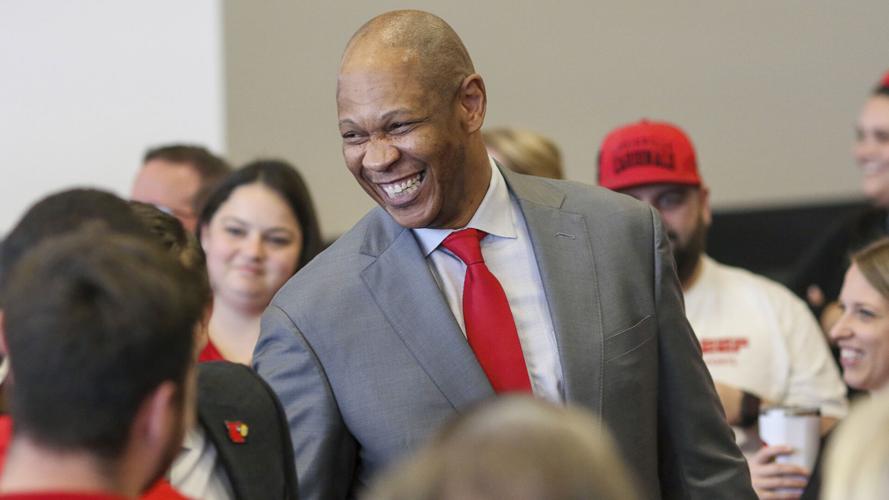
Kenny Payne greets fans before being introduced as new Louisville basketball coach.
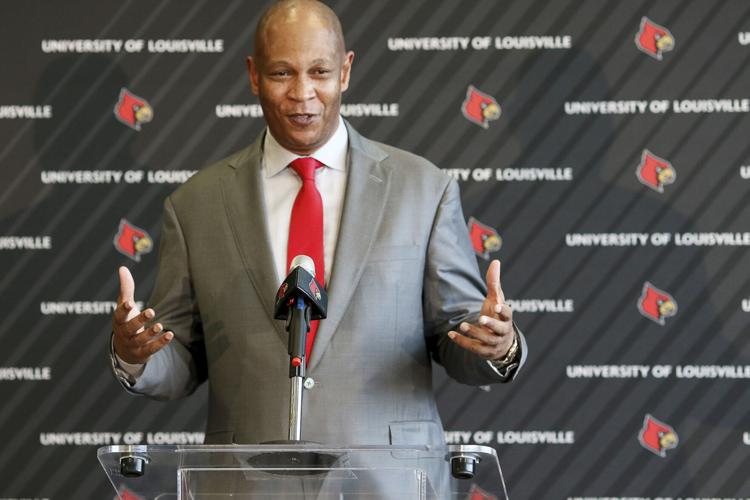
Kenny Payne speaks at his introductory press conference as Louisville basketball coach.
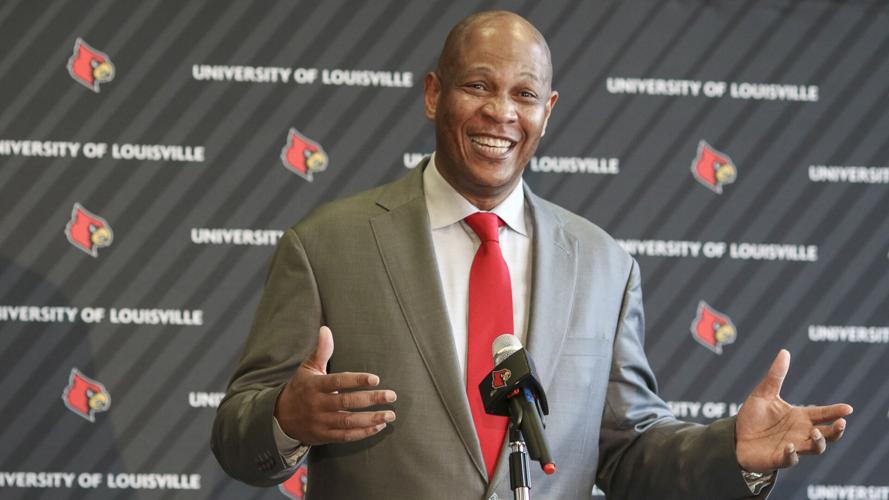
Kenny Payne speaks at his introductory press conference as Louisville basketball coach.
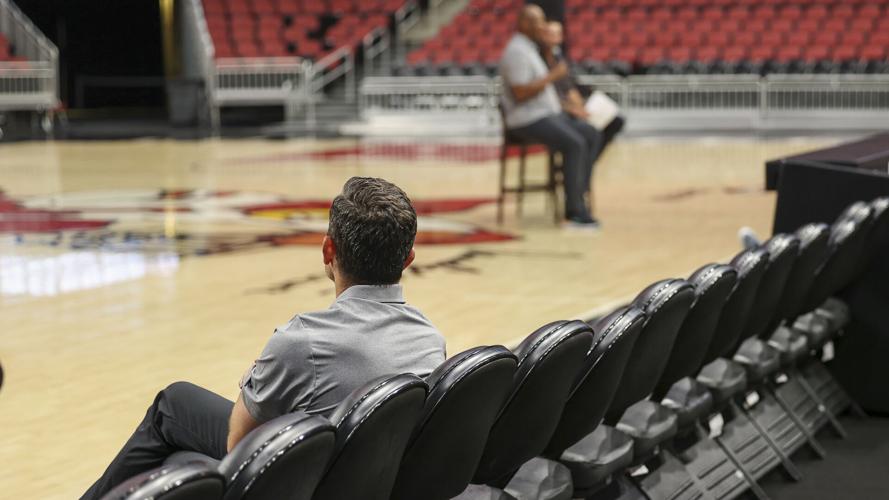
- ERIC CRAWFORD
Josh Heird watches as Kenny Payne speaks to season ticketholders in the KFC Yum! Center
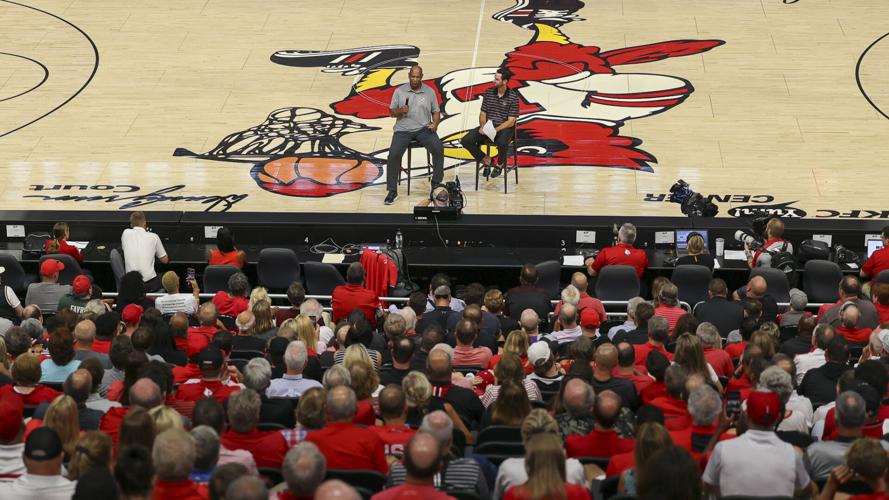
- ERIC CRAWFORD
Kenny Payne is interviewed by Luke Hancock at an event for season ticketholders in the KFC Yum! Center.
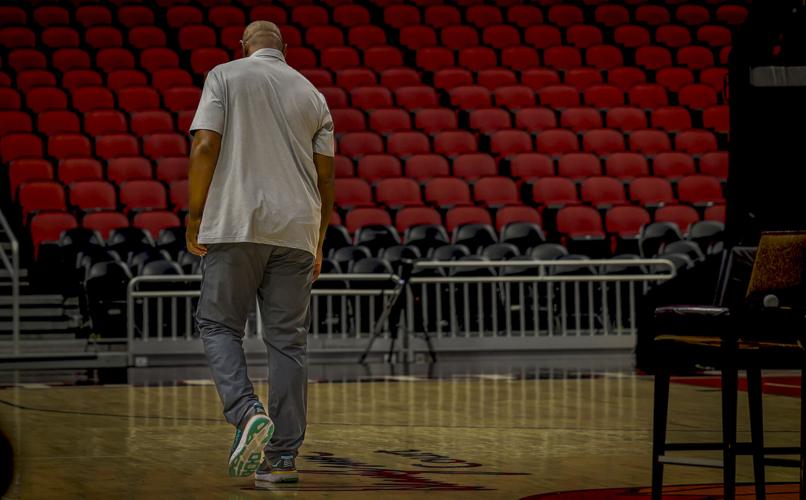
- ERIC CRAWFORD
Kenny Payne leaves an event with season ticketholders at the KFC Yum! Center.
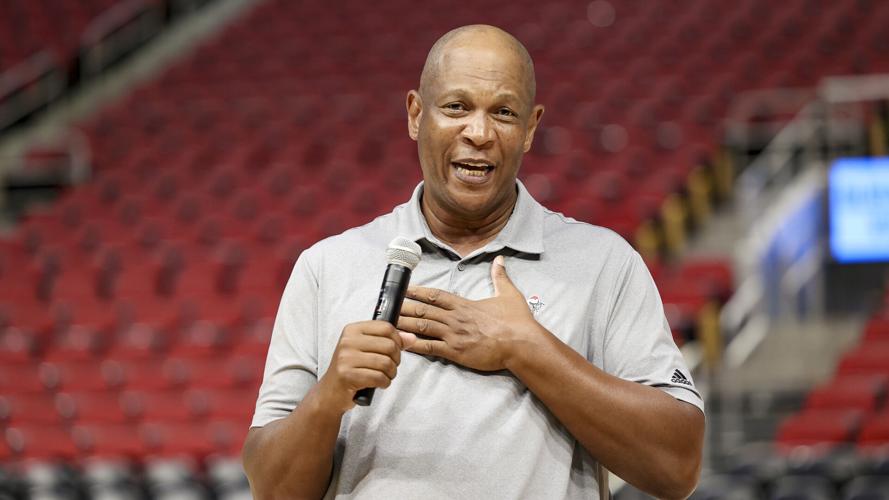
- ERIC CRAWFORD
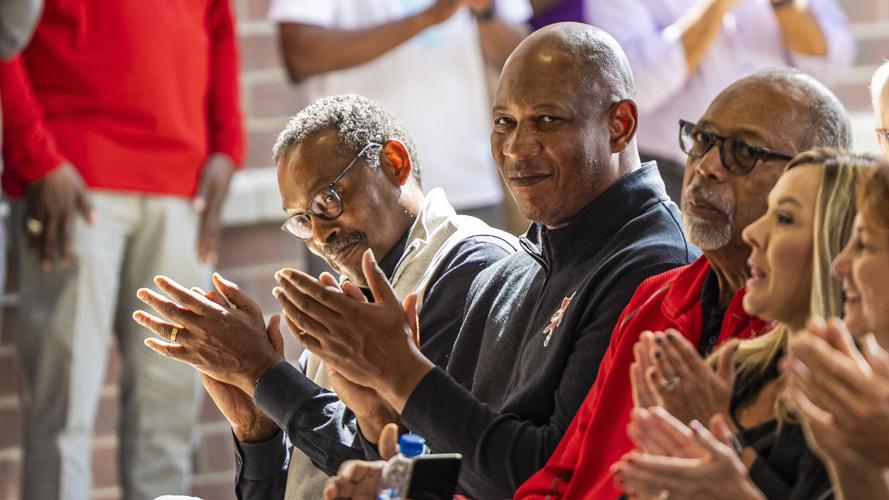
Kenny Payne speaks with Louisville basketball season ticketholders.
- ERIC CRAWFORD
- ERIC CRAWFORD
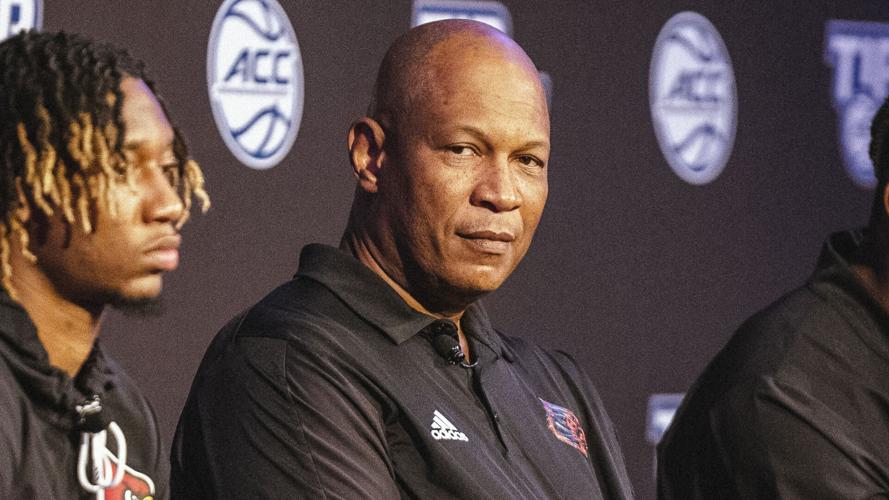
Kenny Payne at ACC Basketball Media Days in 2022.
- ERIC CRAWFORD
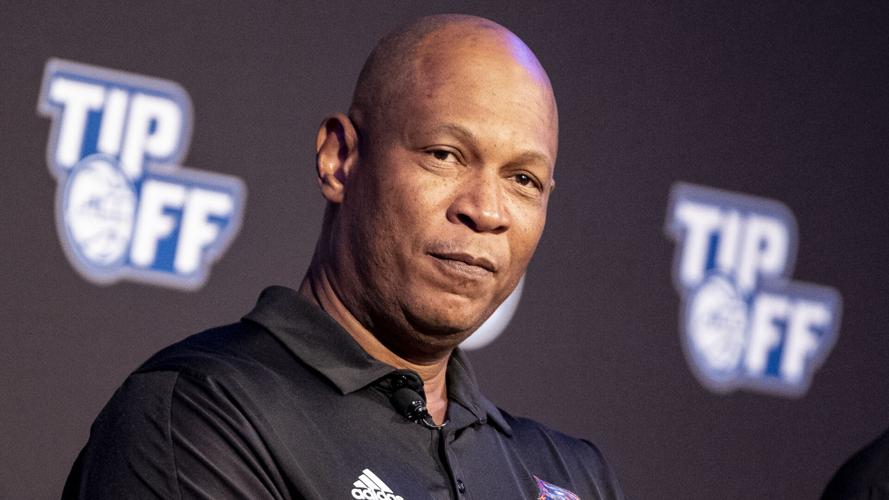
Kenny Payne at ACC Basketball Media Days in 2022.
- ERIC CRAWFORD
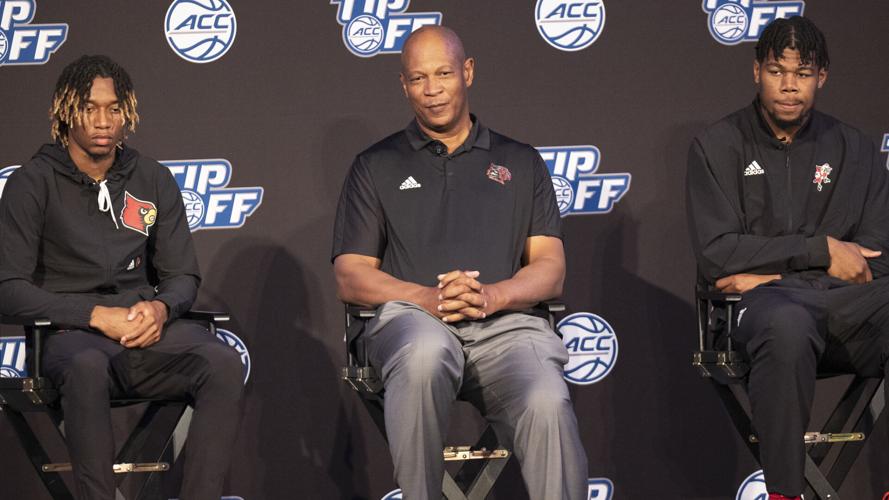
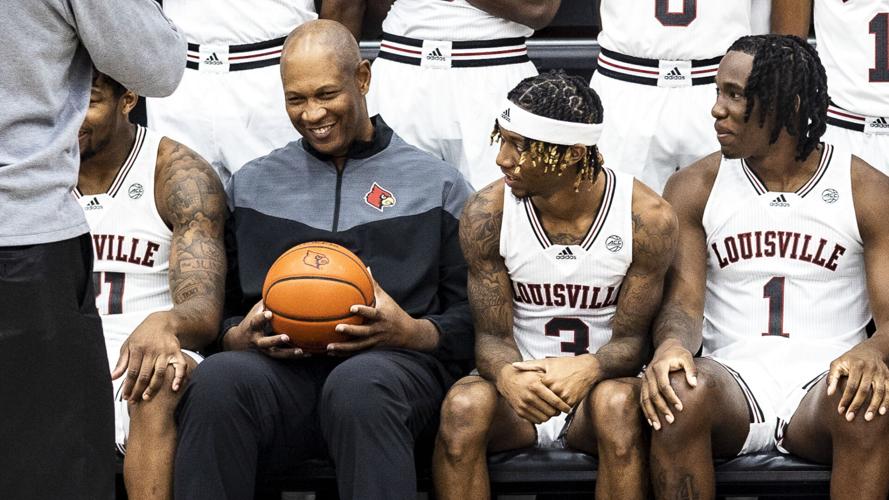
Kenny Payne with El Ellis and Sydney Curry at ACC Basketball Media Days in 2022.
- ERIC CRAWFORD
Kenny Payne with his team on Media Day, 2022.
- ERIC CRAWFORD
- ERIC CRAWFORD
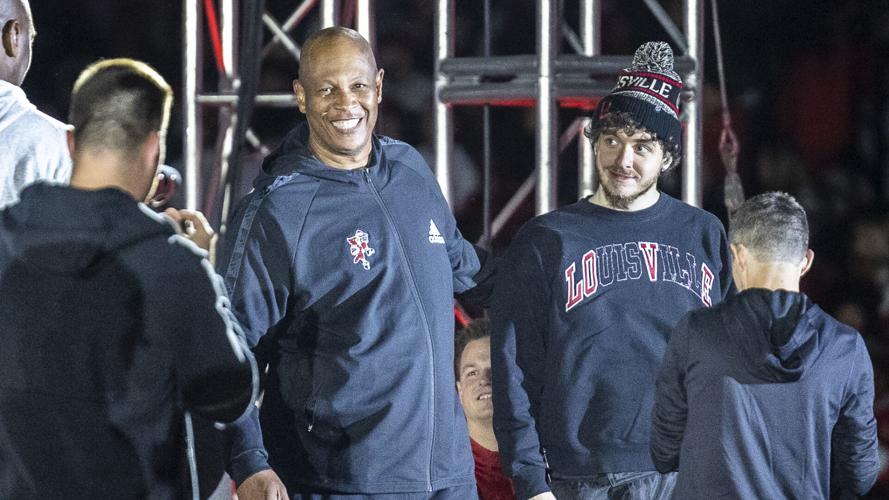
Kenny Payne with rapper Jack Harlow at Louisville Live in 2022.
- ERIC CRAWFORD
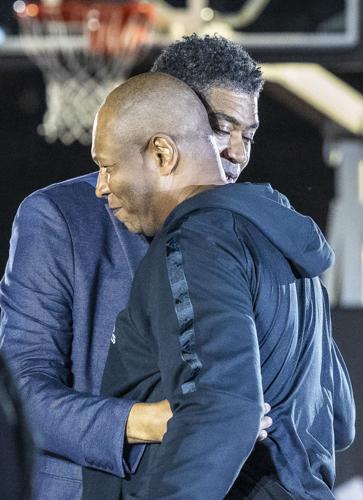
Kenny Payne with Pervis Ellison at Louisville Live in 2022.
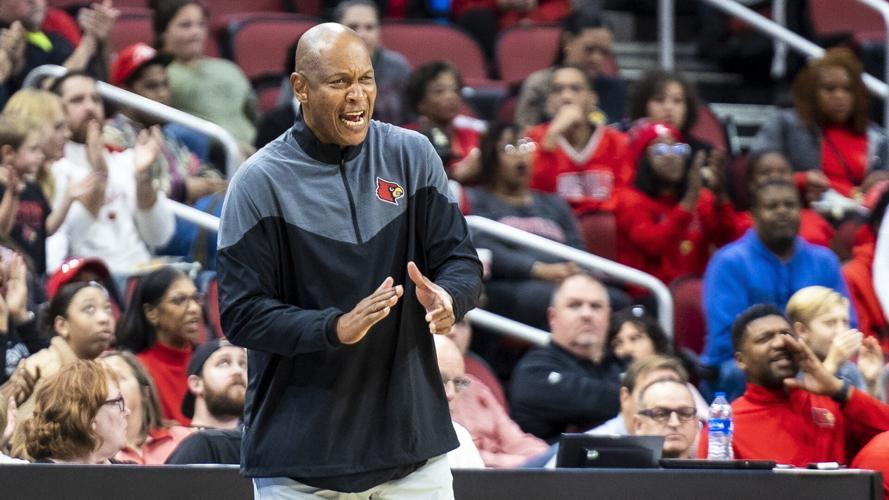
- Eric Crawford
Kenny Payne shouts to his team in Louisville's first exhibition of the 2022-23 season in the KFC Yum! Center.
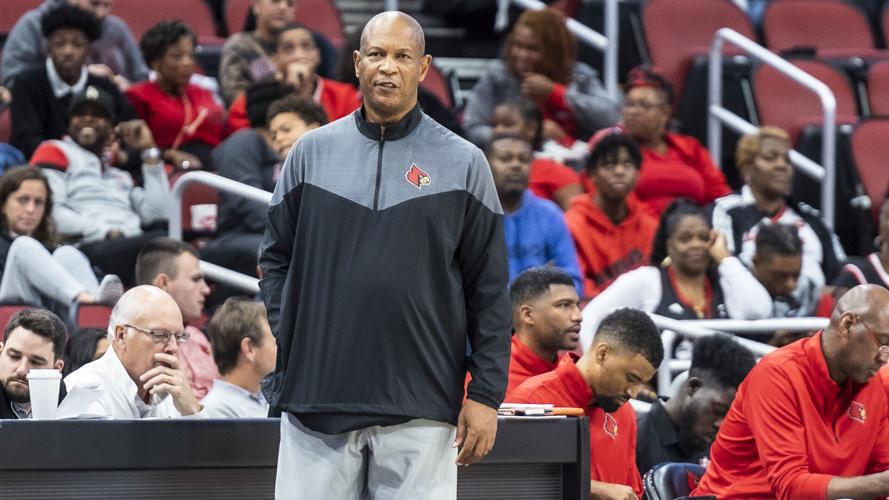
- Eric Crawford
Kenny Payne directs his team in Louisville's first exhibition of the 2022-23 season in the KFC Yum! Center.
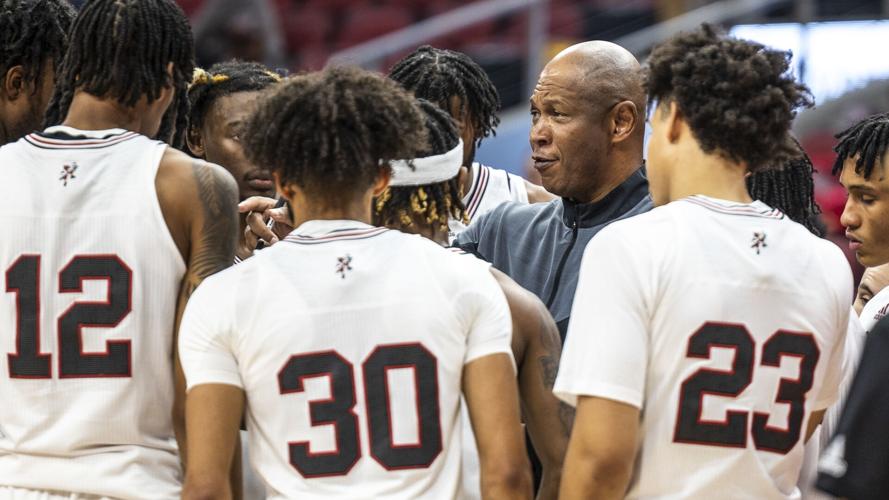
- Eric Crawford
Kenny Payne speaks to his team in Louisville's first exhibition of the 2022-23 season in the KFC Yum! Center.
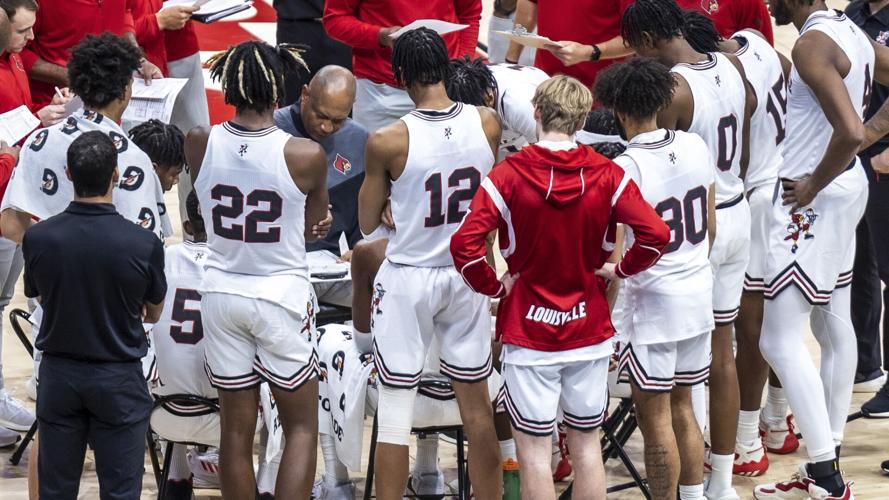
- Eric Crawford
Kenny Payne speaks to his team during a timeout in Louisville's first exhibition of the 2022-23 season in the KFC Yum! Center.
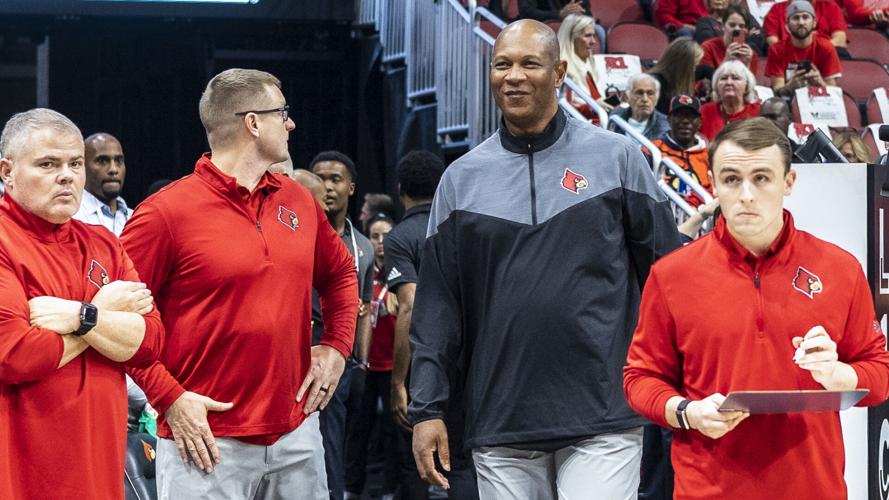
- ERIC CRAWFORD
Kenny Payne takes the court for his first regular season game, against Bellarmine, on Nov. 9, 2022.
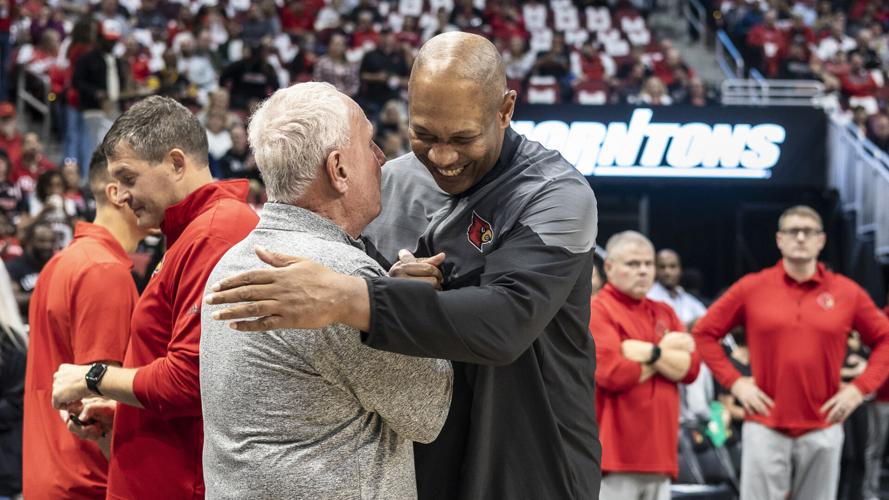
- ERIC CRAWFORD
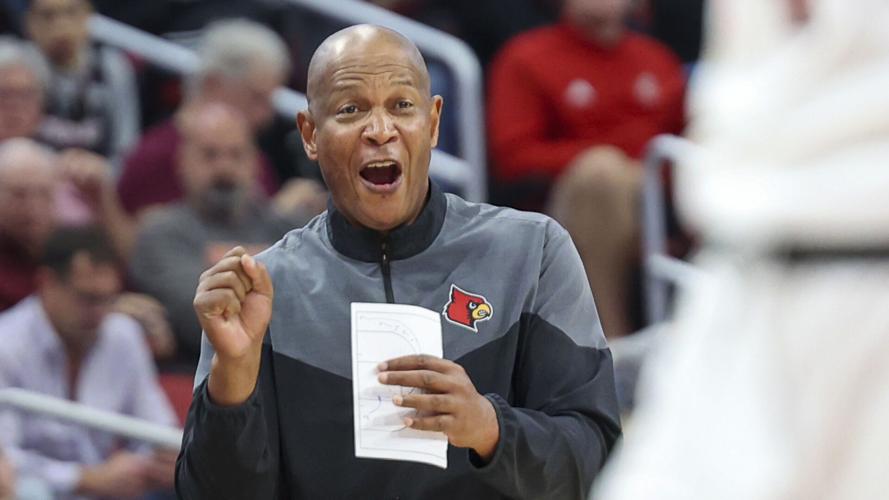
- ERIC CRAWFORD
Kenny Payne in his first game as Louisville coach, Nov. 29, 2022.
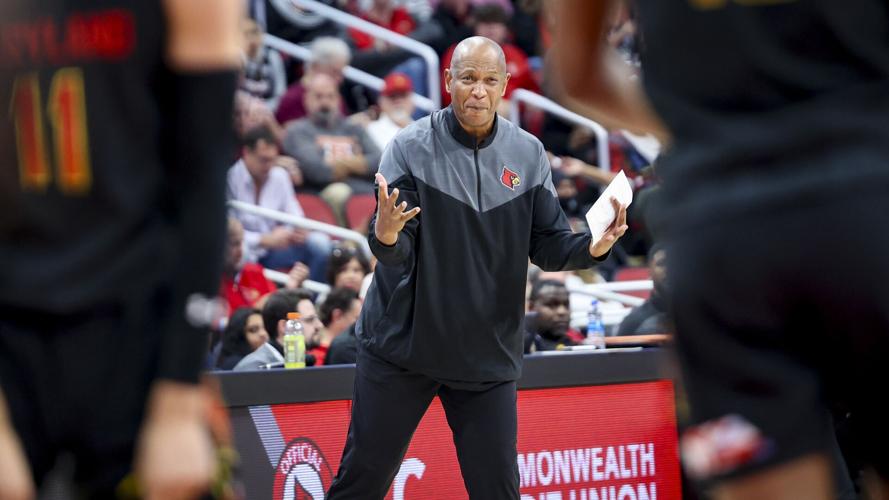
- ERIC CRAWFORD
Kenny Payne in his first game as Louisville coach, Nov. 29, 2022.
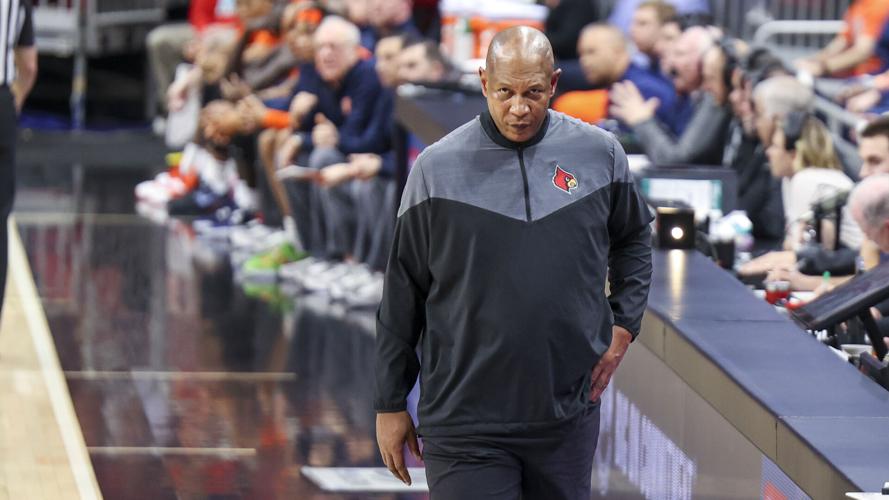
- ERIC CRAWFORD
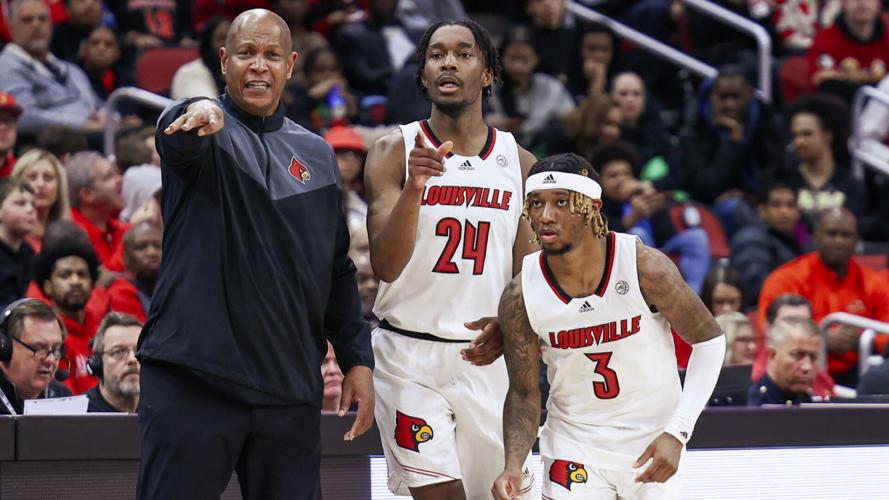
Scenes from the Louisville career of Kenny Payne.
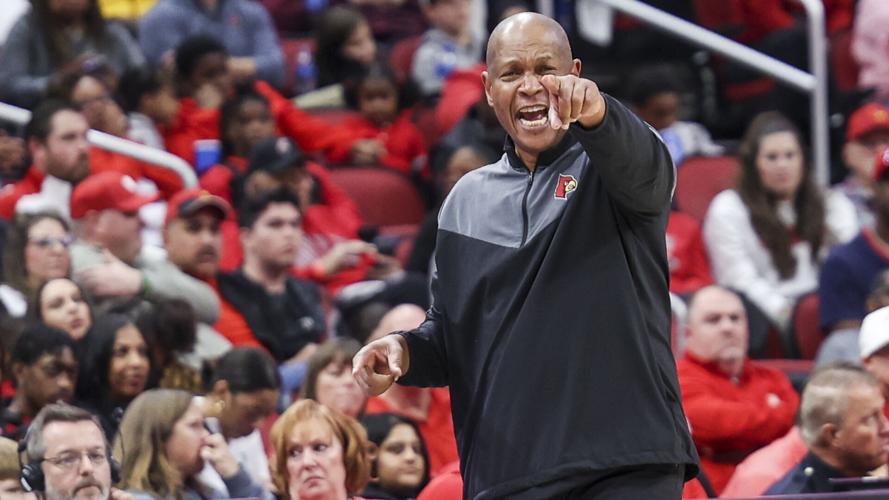
- ERIC CRAWFORD
Scenes from the Louisville career of Kenny Payne.
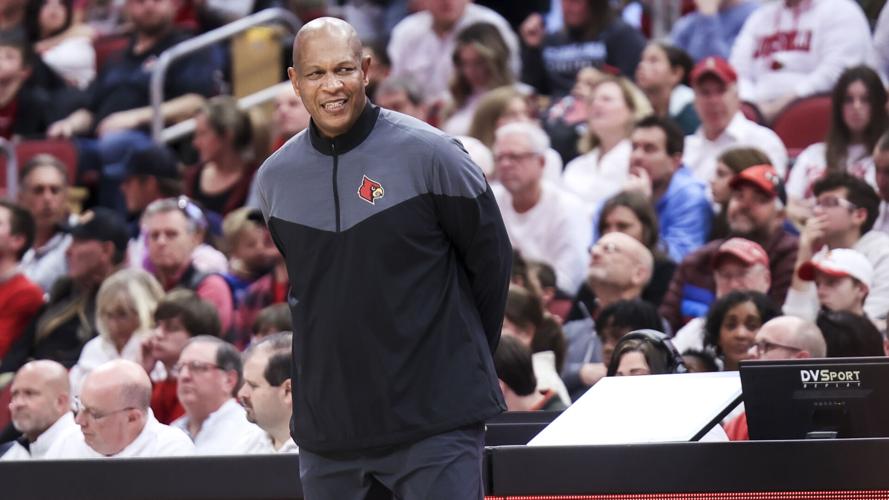
- ERIC CRAWFORD
Scenes from the Louisville career of Kenny Payne.
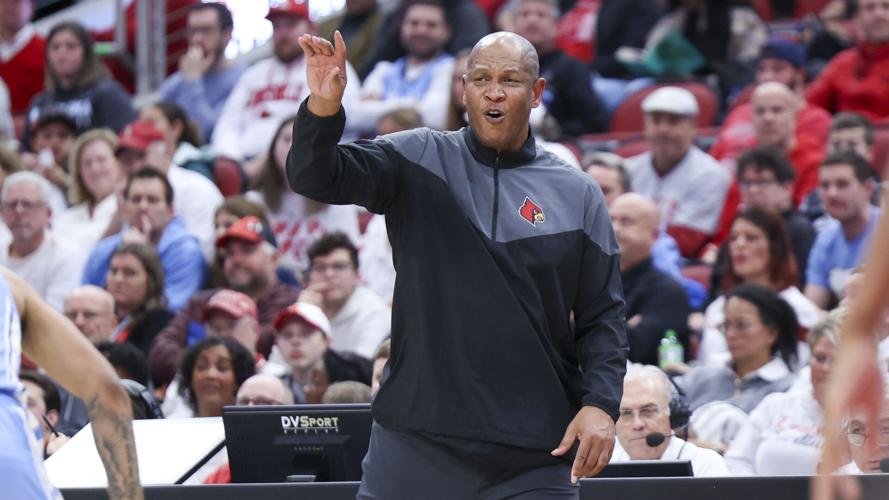
- ERIC CRAWFORD
Scenes from the Louisville career of Kenny Payne.
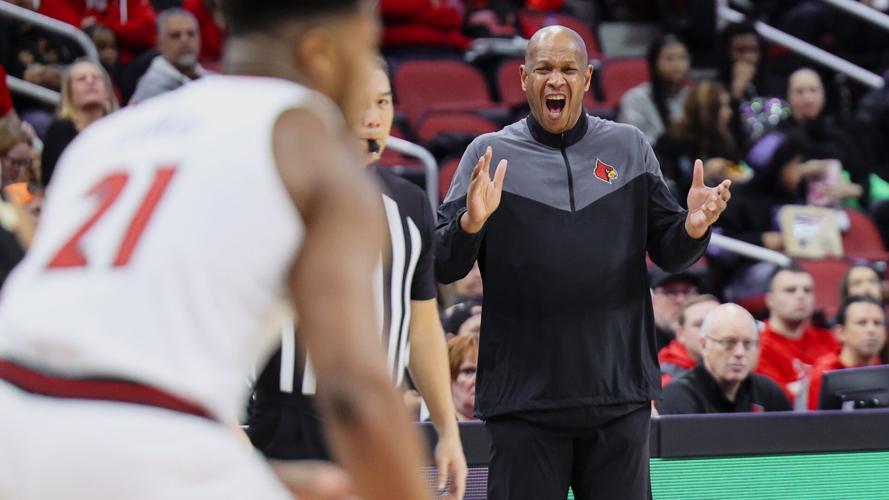
- ERIC CRAWFORD
Scenes from the Louisville career of Kenny Payne.
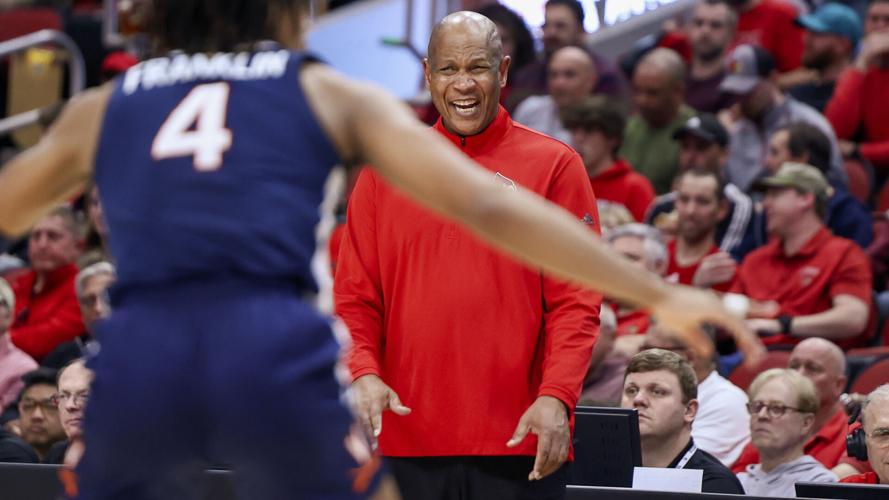
- ERIC CRAWFORD
Scenes from the Louisville career of Kenny Payne.
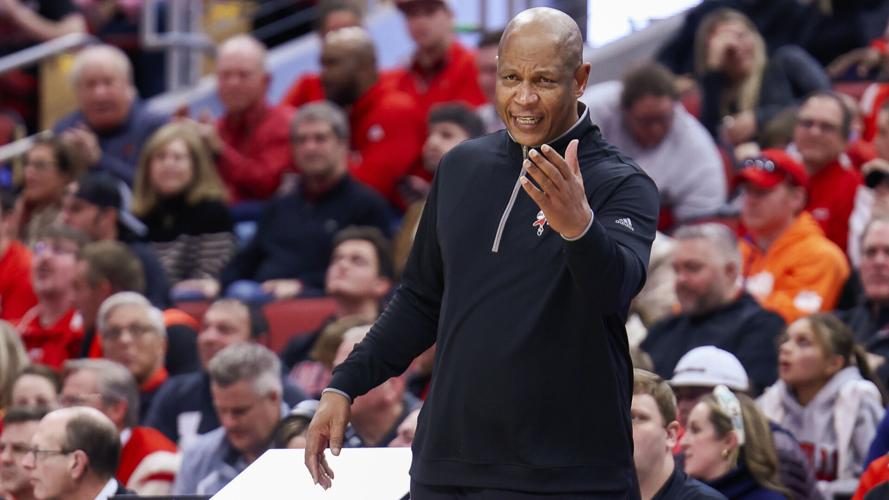
- ERIC CRAWFORD
Scenes from the Louisville career of Kenny Payne.
- ERIC CRAWFORD
Scenes from the Louisville career of Kenny Payne.
- ERIC CRAWFORD
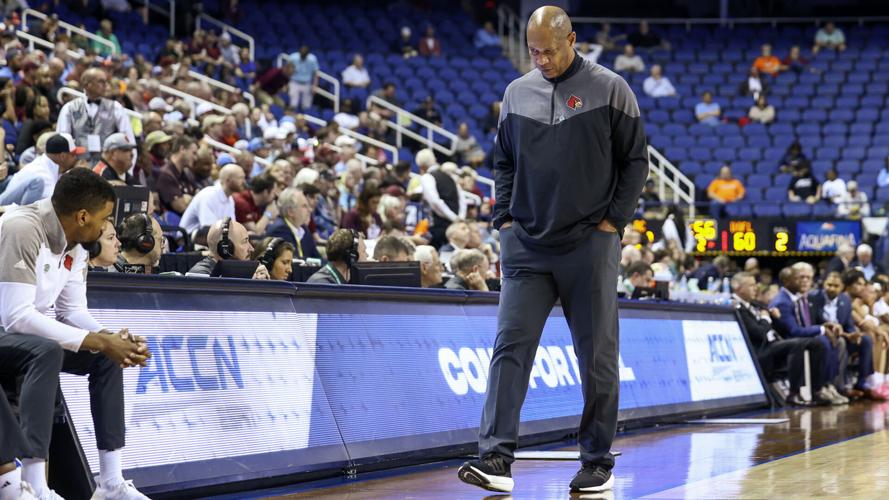
Kenny Payne during the 2023 ACC Tournament.

- ERIC CRAWFORD
Kenny Payne with his staff during the 2023 ACC Tournament.
- ERIC CRAWFORD
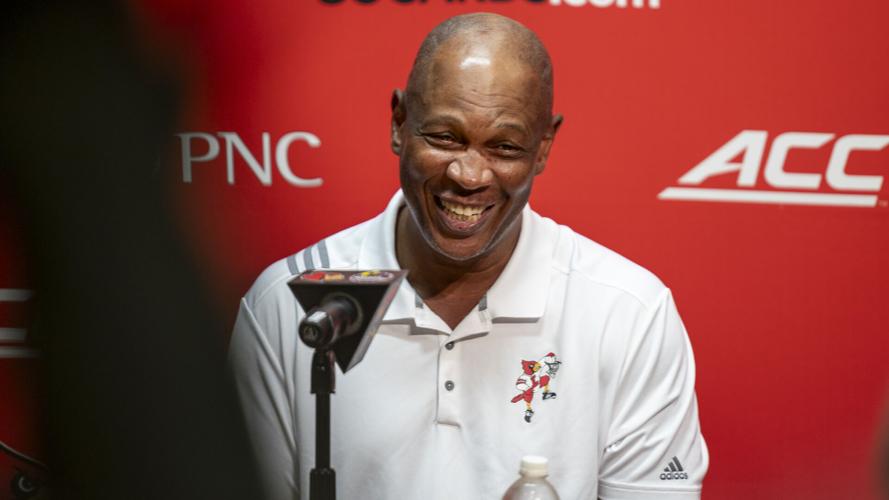
Kenny Payne speaks with reporters at a press conference on July 28, 2023.
- ERIC CRAWFORD
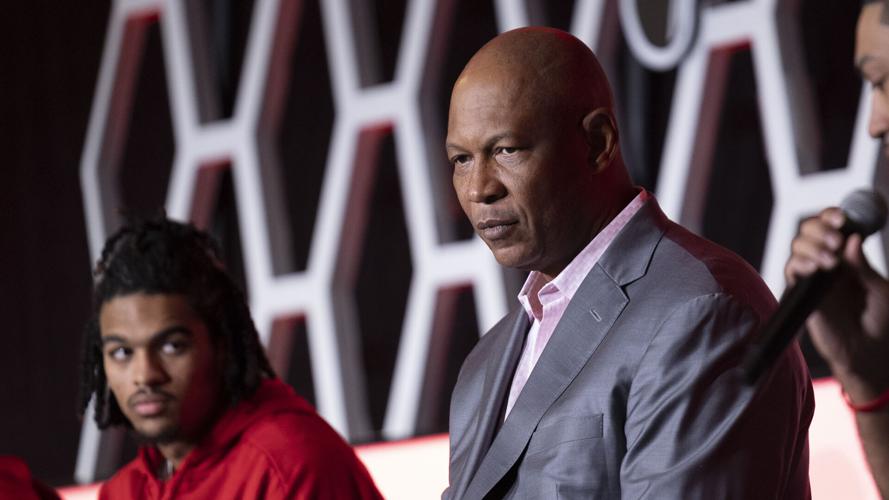
Kenny Payne speaks to fans at the annual basketball tipoff luncheon on Oct. 9, 2023.
- ERIC CRAWFORD
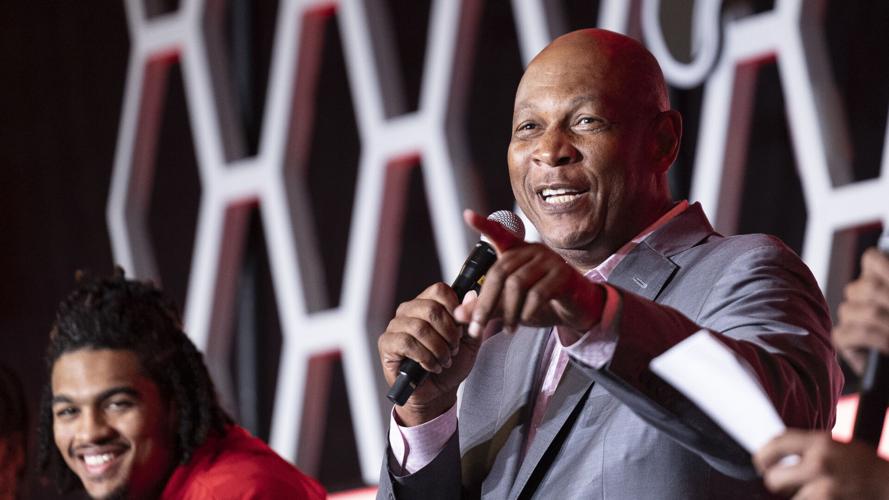
Kenny Payne speaks to fans at the annual basketball tipoff luncheon on Oct. 9, 2023.
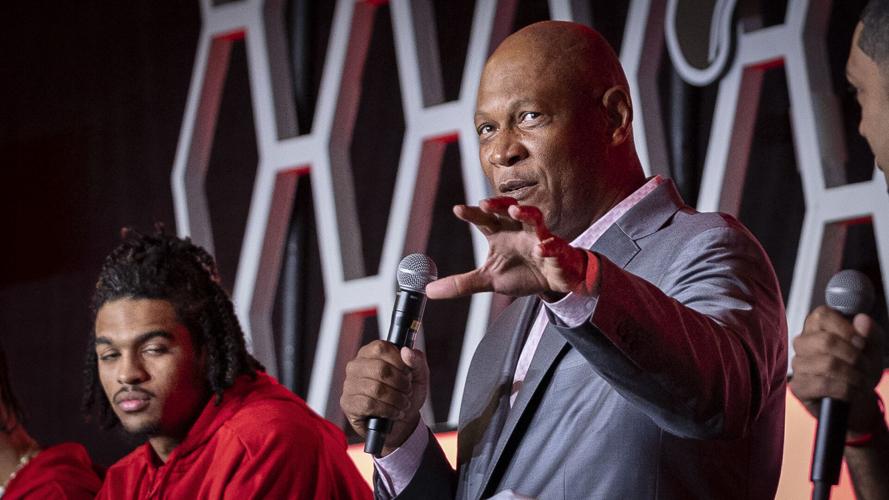
- ERIC CRAWFORD
Kenny Payne speaks to fans at the annual basketball tipoff luncheon on Oct. 9, 2023.
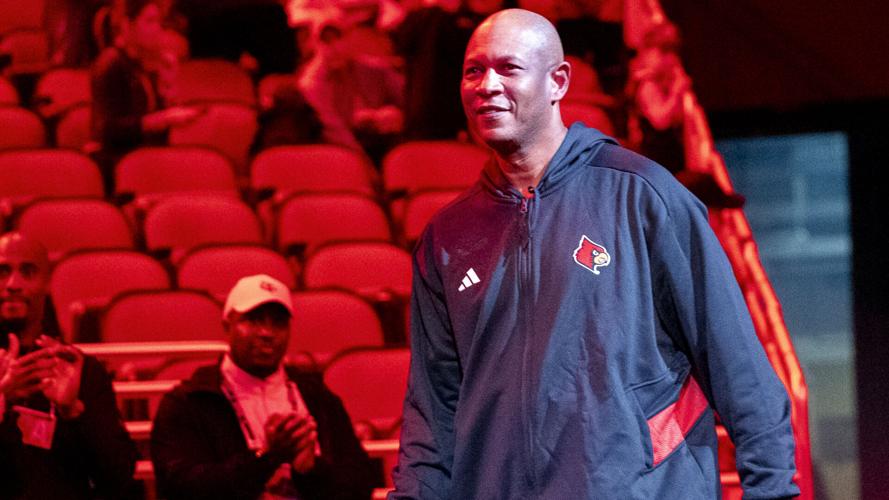
- ERIC CRAWFORD
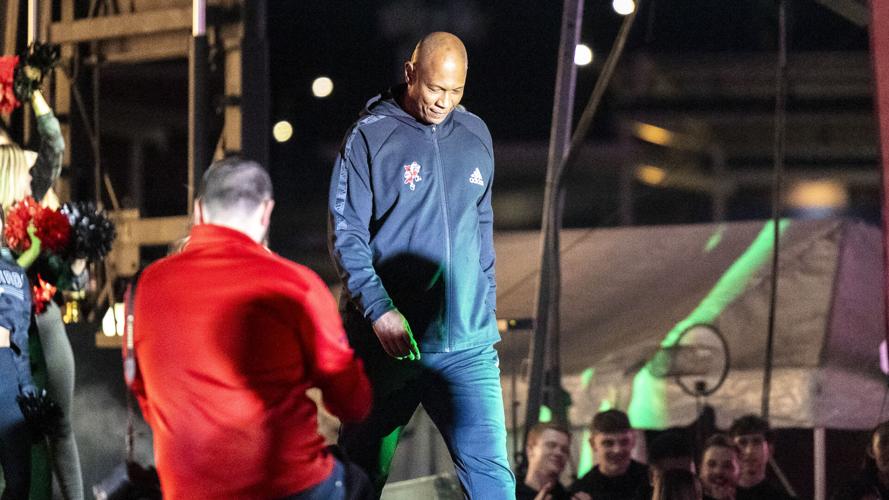
Kenny Payne walks in for the Red-White Scrimmage on Oct. 11, 2023.
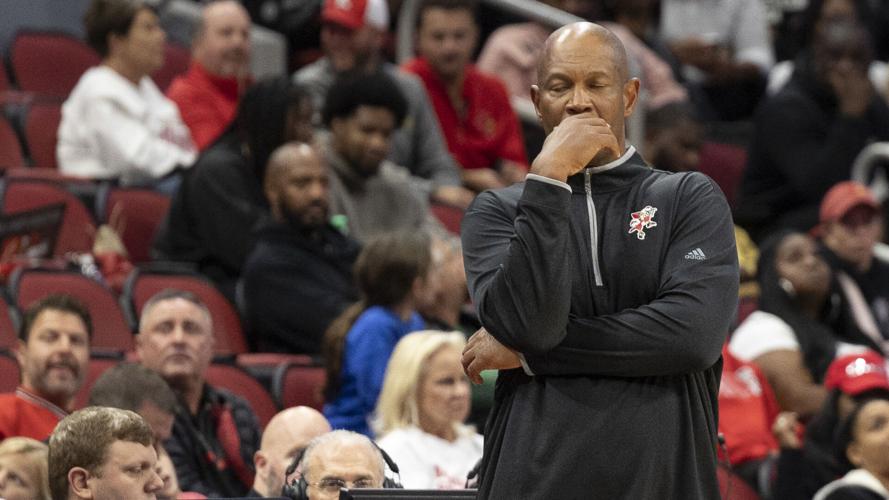
- ERIC CRAWFORD
Scenes from the Louisville coaching career of Kenny Payne.
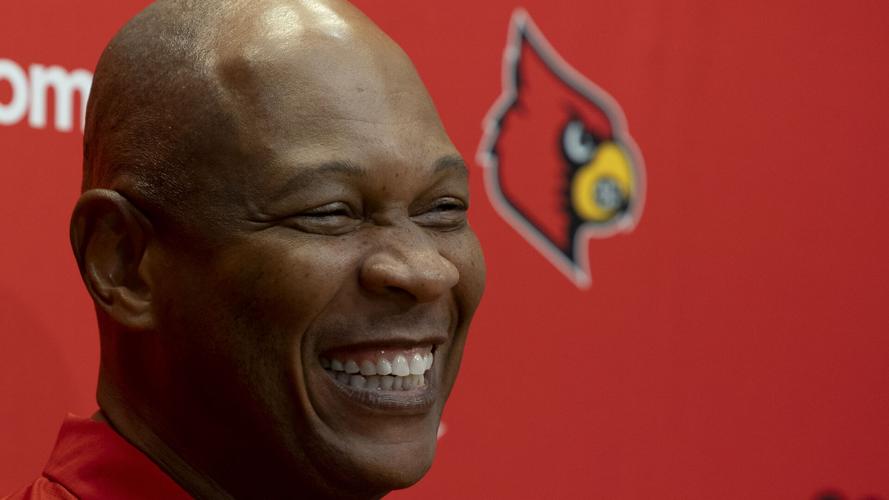
- ERIC CRAWFORD
Scenes from the Louisville coaching career of Kenny Payne.
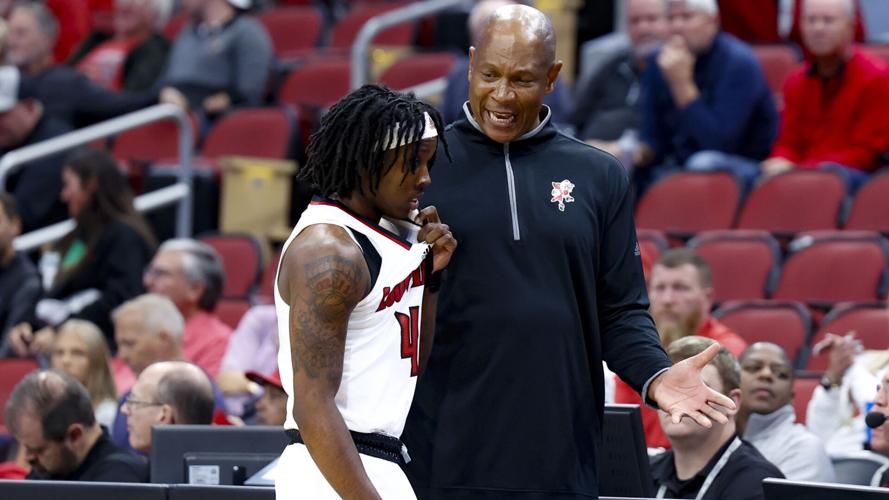
- ERIC CRAWFORD
Scenes from the Louisville coaching career of Kenny Payne.
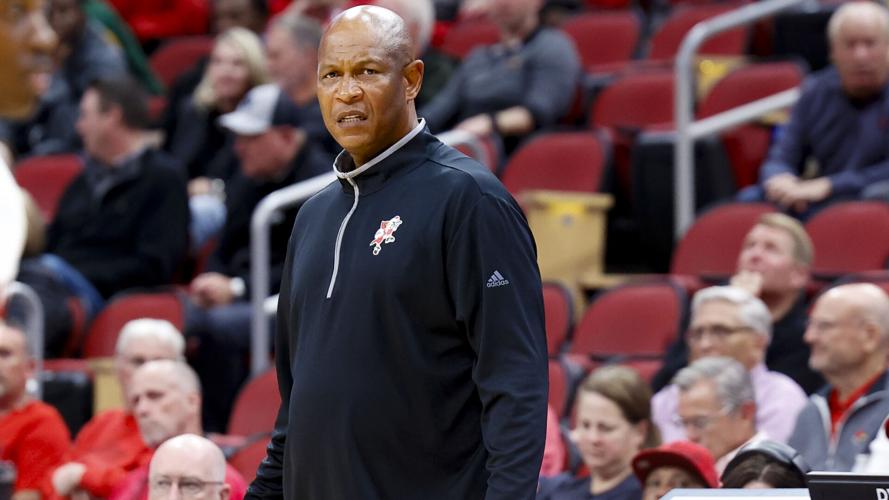
- ERIC CRAWFORD
Scenes from the Louisville coaching career of Kenny Payne.
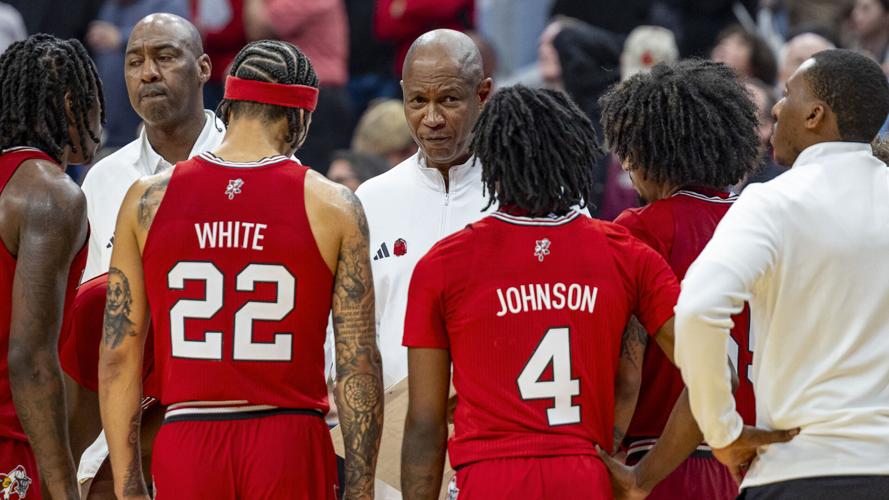
- ERIC CRAWFORD
Scenes from the Louisville coaching career of Kenny Payne.
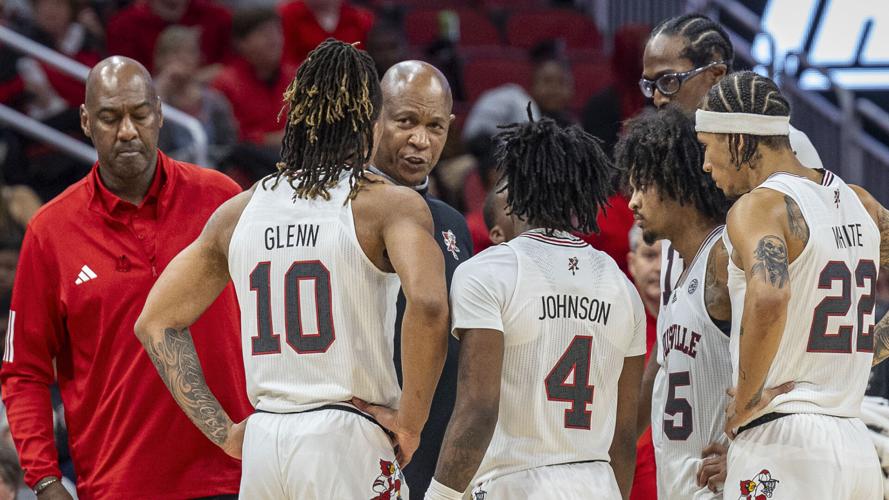
- ERIC CRAWFORD
Scenes from the Louisville coaching career of Kenny Payne.
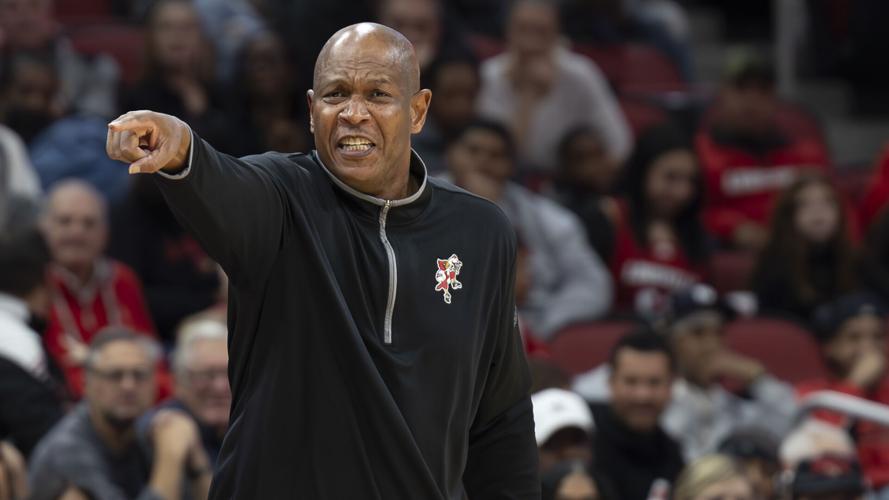
- ERIC CRAWFORD
Scenes from the Louisville coaching career of Kenny Payne.
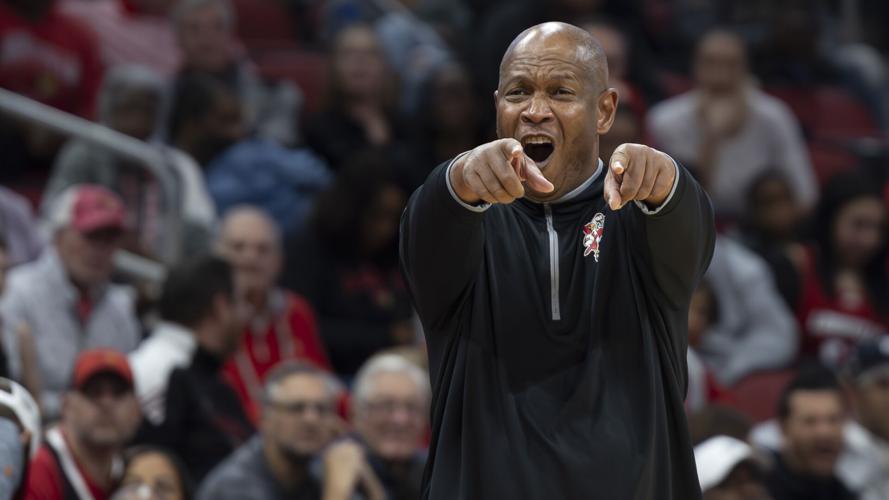
- ERIC CRAWFORD
Scenes from the Louisville coaching career of Kenny Payne.
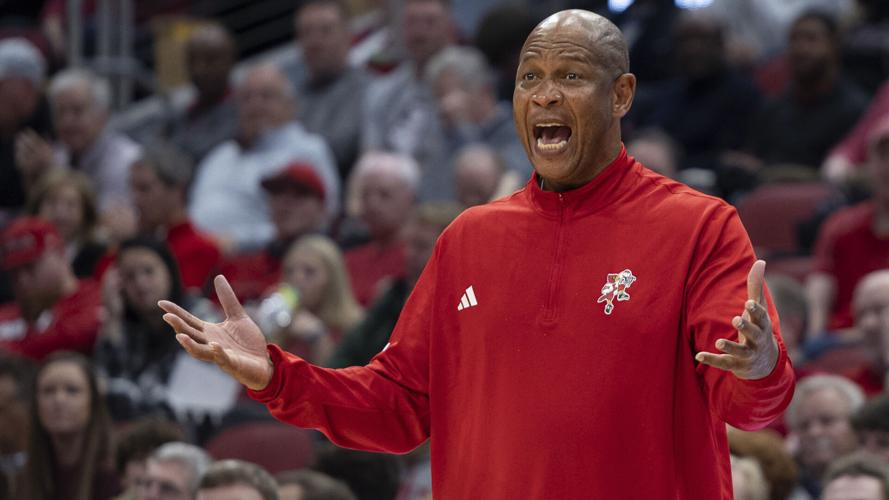
- ERIC CRAWFORD
Scenes from the Louisville coaching career of Kenny Payne.
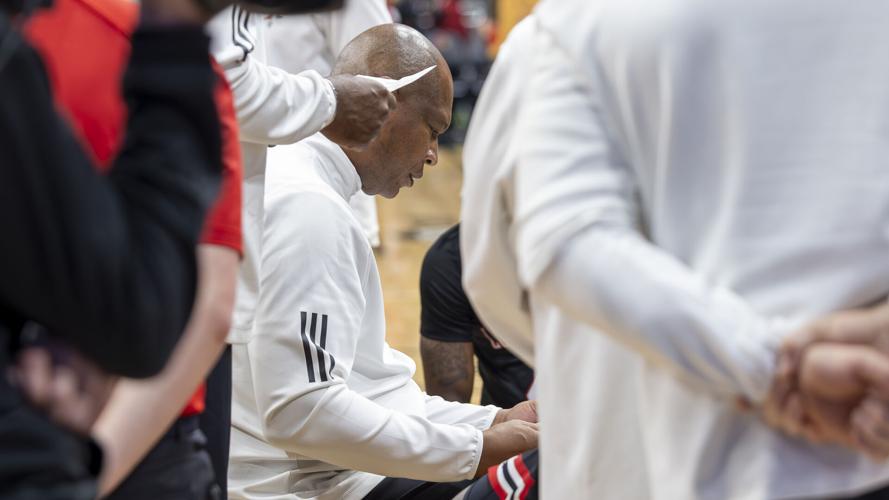
- ERIC CRAWFORD
Scenes from the Louisville coaching career of Kenny Payne.
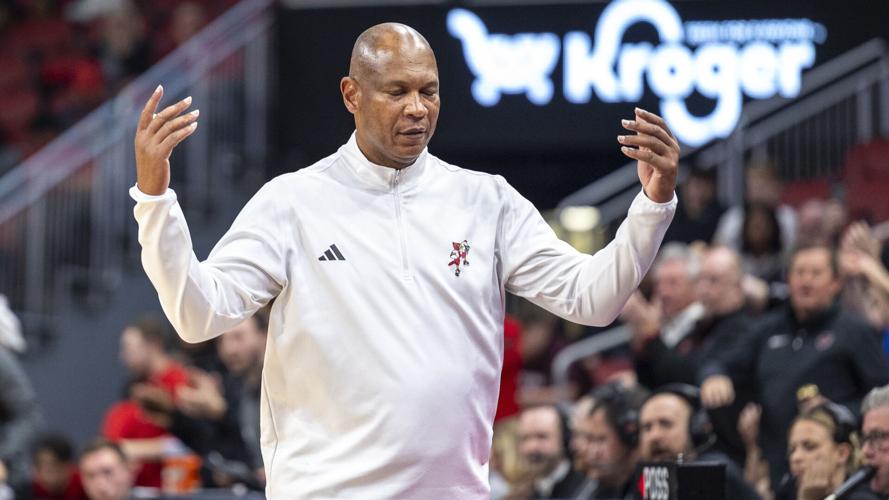
- ERIC CRAWFORD
Scenes from the Louisville coaching career of Kenny Payne.
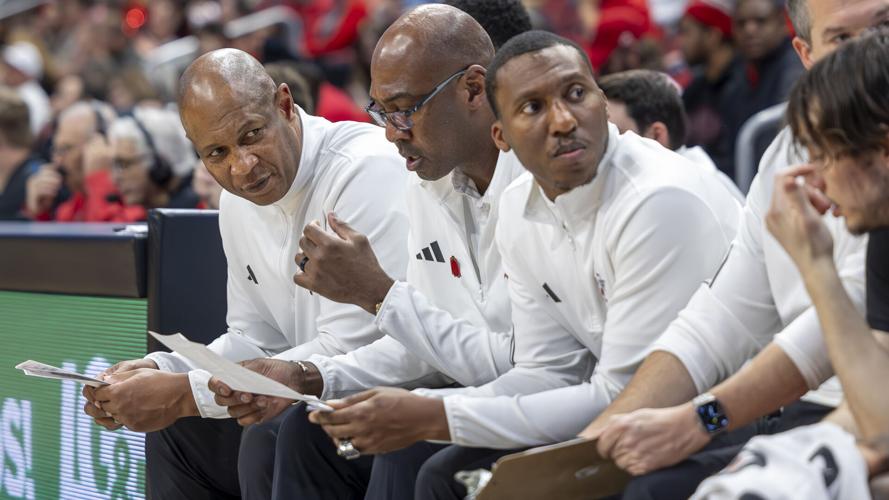
- ERIC CRAWFORD
Scenes from the Louisville coaching career of Kenny Payne.
- ERIC CRAWFORD
Scenes from the Louisville coaching career of Kenny Payne.
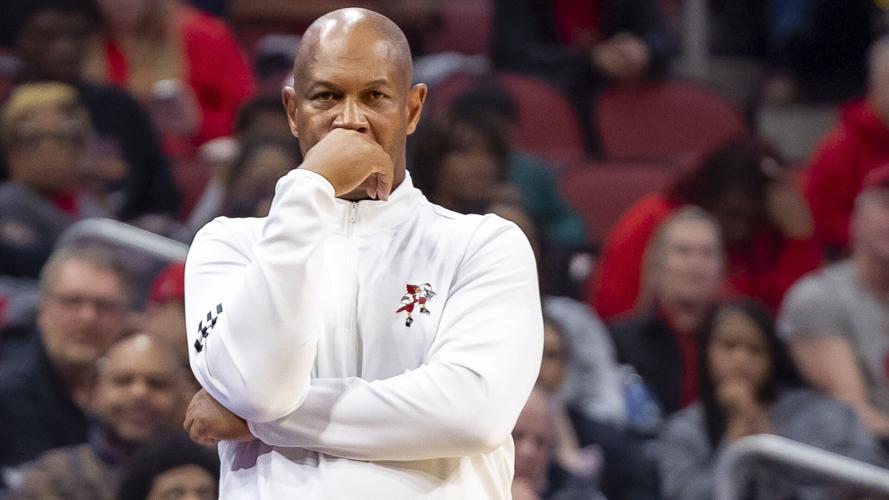
- ERIC CRAWFORD
Scenes from the Louisville coaching career of Kenny Payne.
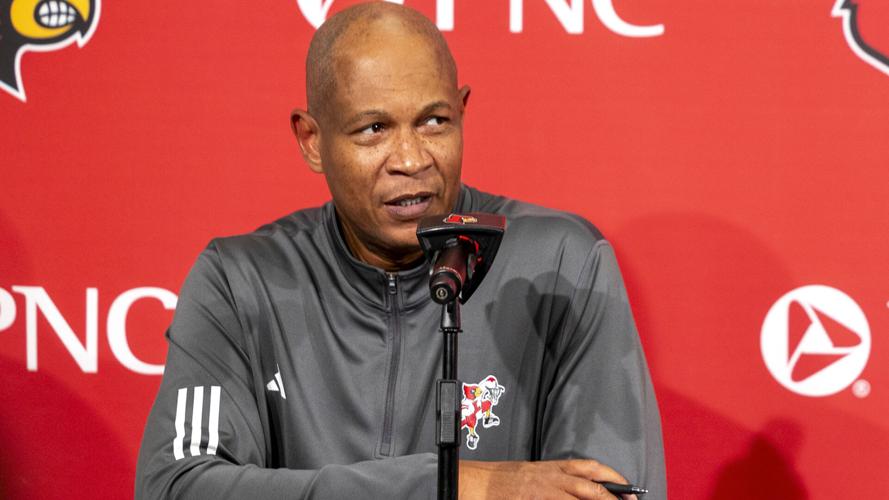
- ERIC CRAWFORD
Scenes from the Louisville coaching career of Kenny Payne.
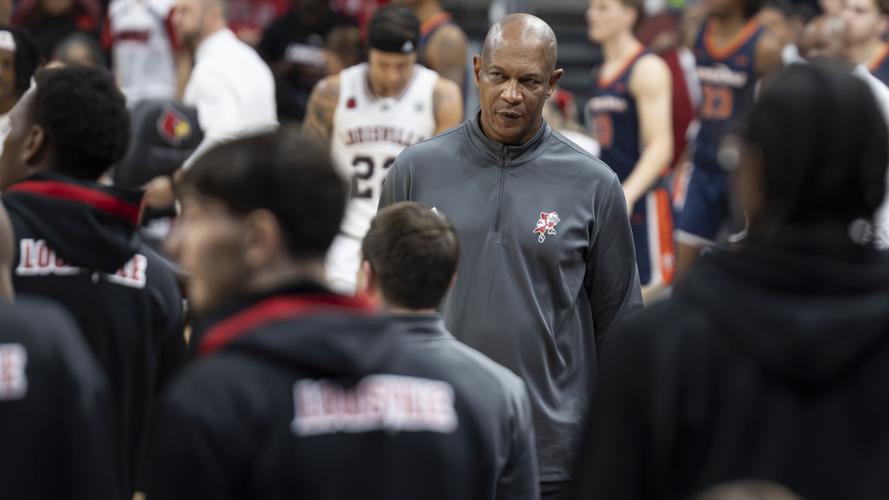
- ERIC CRAWFORD
Scenes from the Louisville coaching career of Kenny Payne.
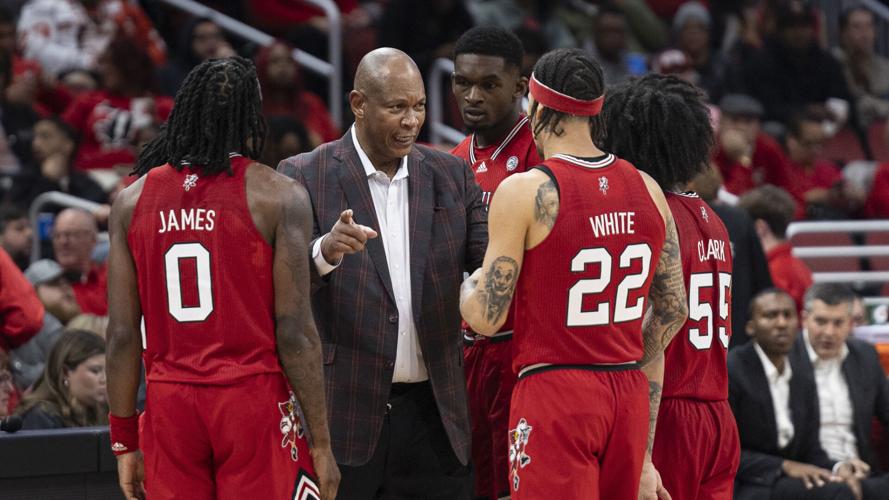
- ERIC CRAWFORD
Scenes from the Louisville coaching career of Kenny Payne.
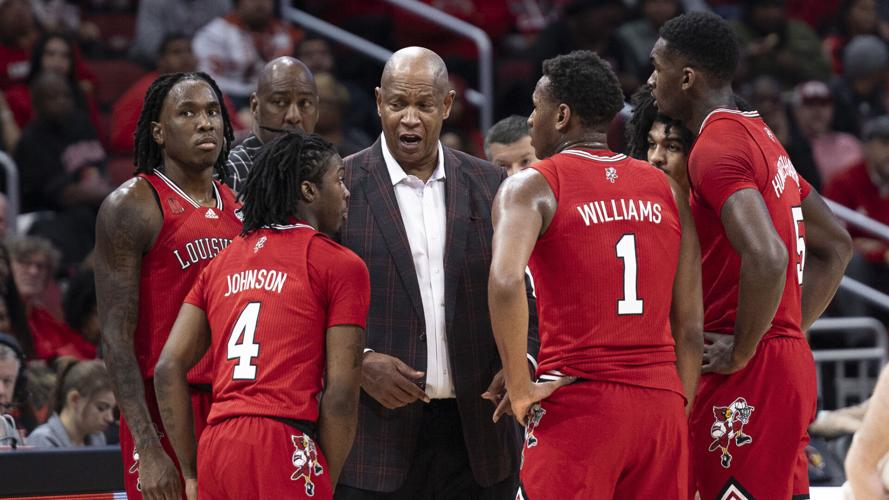
- ERIC CRAWFORD
Scenes from the Louisville coaching career of Kenny Payne.
- ERIC CRAWFORD
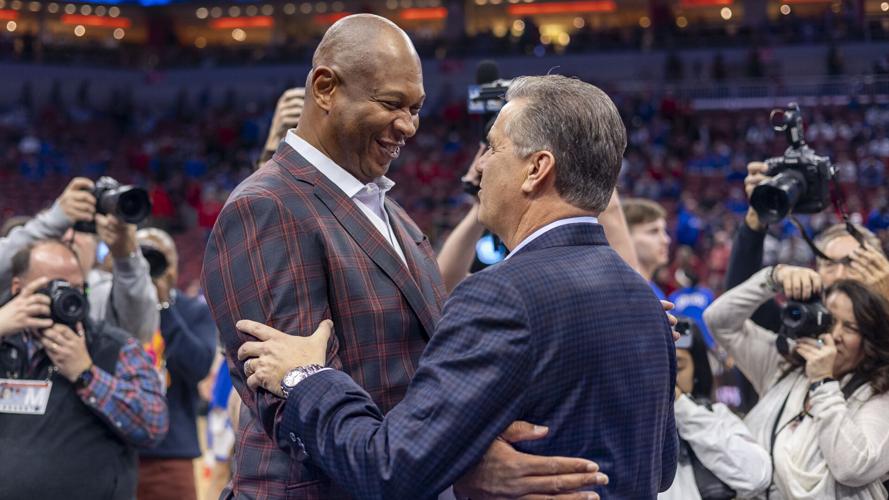
Kenny Payne with Kentucky coach John Calipari berfore their teams met on Dec. 21, 2023.
- ERIC CRAWFORD
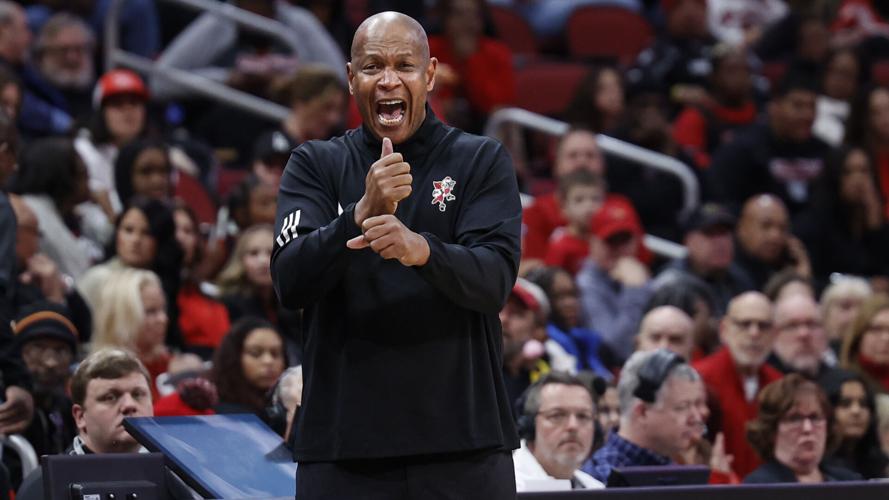
Scenes from the Louisville coaching career of Kenny Payne.
- ERIC CRAWFORD
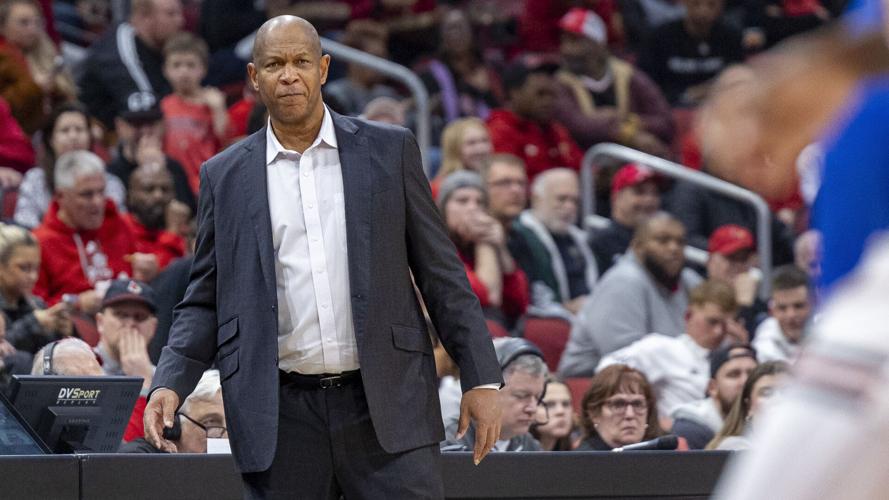
Scenes from the Louisville coaching career of Kenny Payne.
- ERIC CRAWFORD
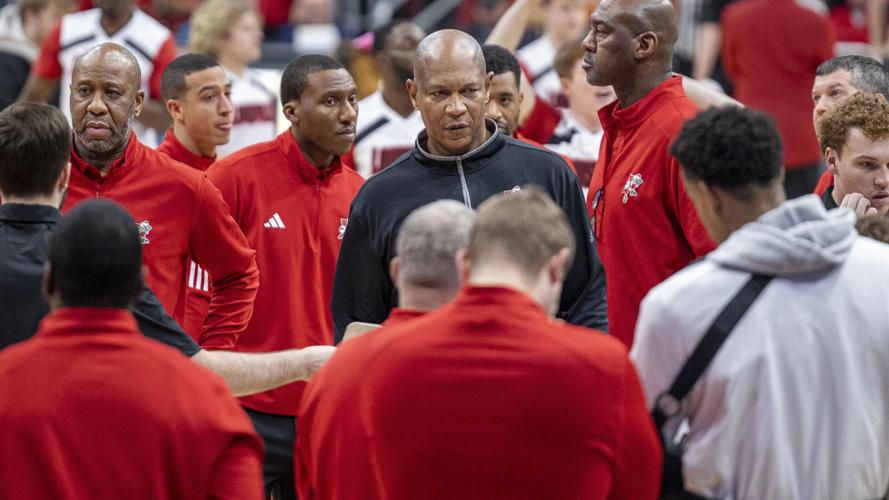
Scenes from the Louisville coaching career of Kenny Payne.
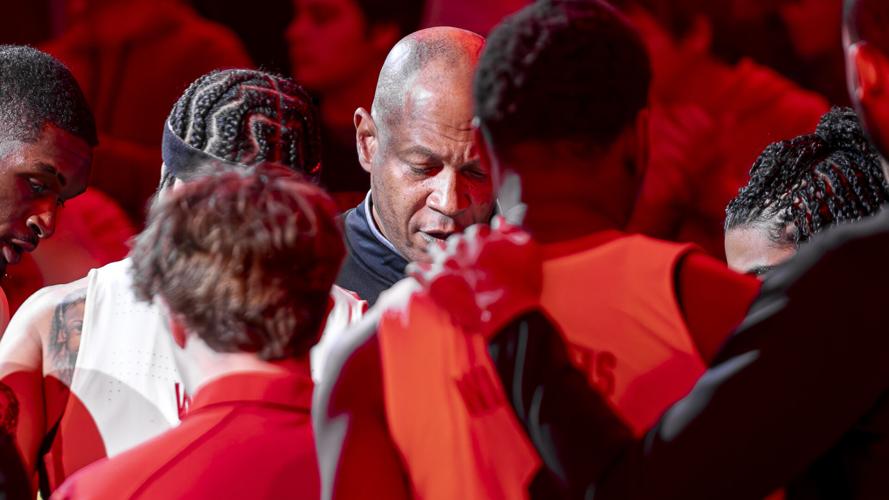
- ERIC CRAWFORD
Scenes from the Louisville coaching career of Kenny Payne.
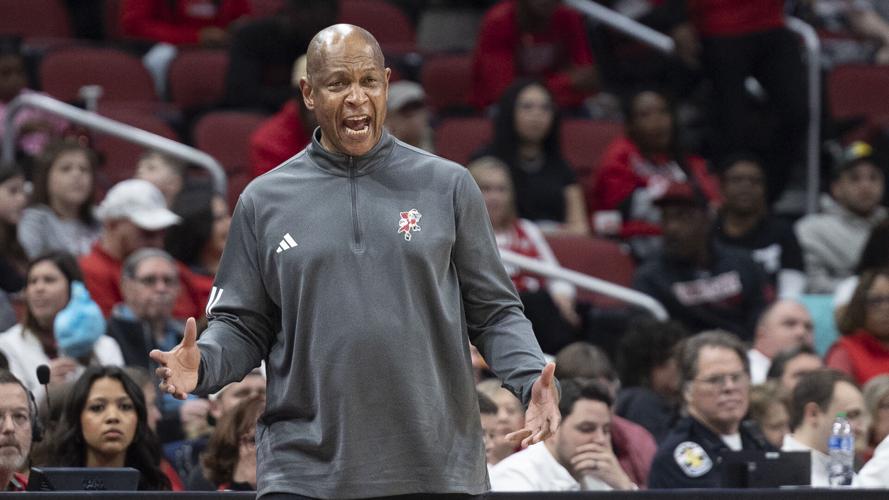
- ERIC CRAWFORD
Scenes from the Louisville coaching career of Kenny Payne.
- ERIC CRAWFORD
Scenes from the Louisville coaching career of Kenny Payne.
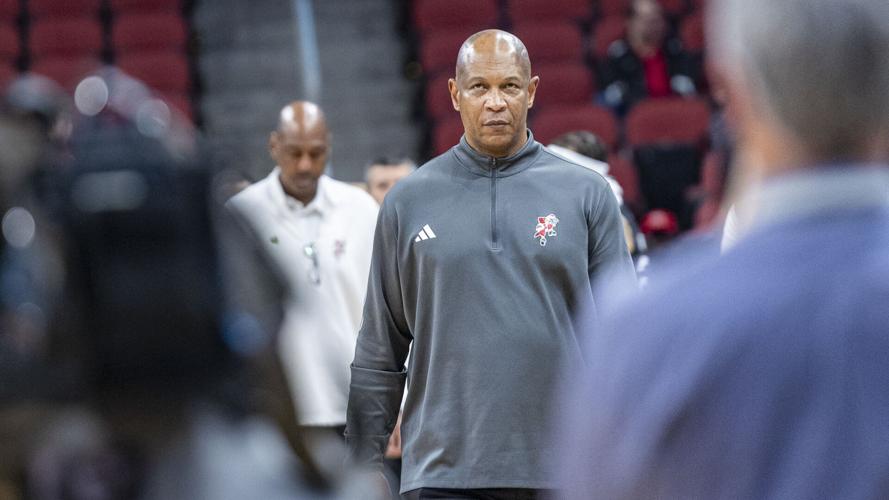
- ERIC CRAWFORD
Scenes from the Louisville coaching career of Kenny Payne.
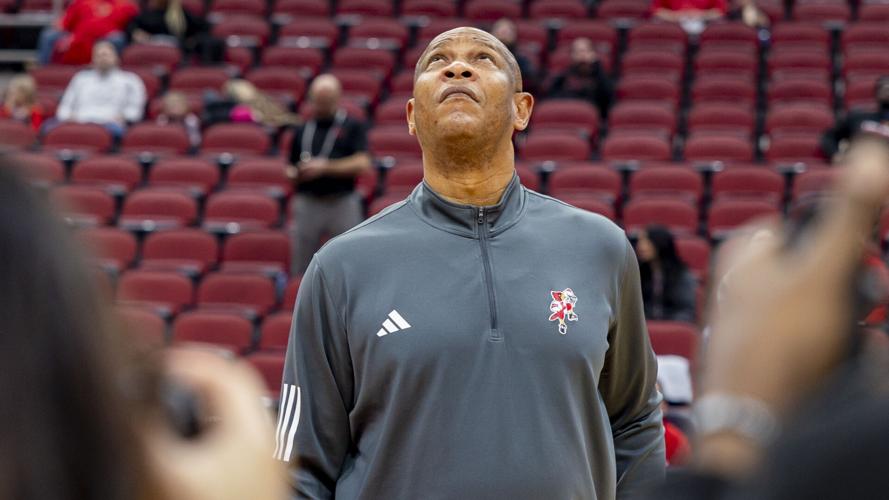
- ERIC CRAWFORD
Louisville coach Kenny Payne looks up at the scoreboard before the Cardinals' loss to Boston College in the 2024 regular-season finale.
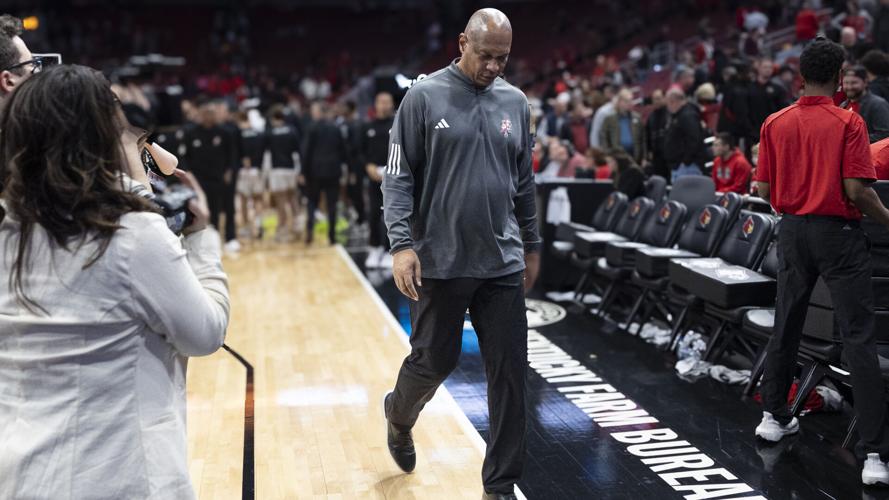
- ERIC CRAWFORD
Kenny Payne walks off the KFC Yum! Center court after his final home game as coach.
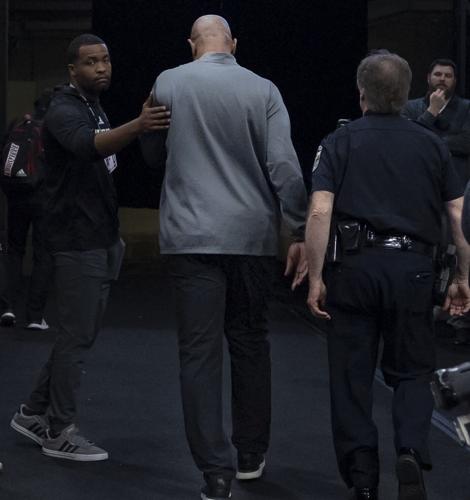
- ERIC CRAWFORD
Kenny Payne leaves the KFC Yum Center court after his final game as Louisville coach.
This was not working. Not for the administration. Not for downtown Louisville and the economic outlook of the KFC Yum! Center. Not for Payne. And not for the fans. No fan base should be expected to swallow five conference victories in 40 games.
It was time for the change the program made when it announced that Payne's run as the Cards' coach concluded after the Atlantic Coast Conference Tournament loss to North Carolina State in Washington D.C. Tuesday evening.
I expect Payne to depart for his home in central Georgia. He and his wife, Michelle, might be there by the weekend, taking walks and pondering the future.
I also expect that he will return to basketball as an NBA assistant coach one day, perhaps next season, wiser for the experience. Several teams have already inquired about his plans. He's 57. He is not finished with basketball. He is respected and connected across the multiple levels of the game.
Payne won't be as ugly or spiteful in his exit as his critics were to him during every step, good or bad, since his arrival in March 2022.
That's not his belief system. His wish for the program remains to win a national championship like the one Payne won when he played for Denny Crum and the Cardinals in 1986.
The lack of victories is always the first line in any story about a coaching change. Over two seasons Payne was never able to win more than two games in a row. Of the Cards' 52 losses, 33 were by 10 or more points. The basketball wasn't good enough. It simply wasn't.
The lack of fan support accelerated the process. Already discouraged by the program's backslide after the firing of Pitino in 2017, many Louisville fans decided quickly that Payne was not the guy who could return Louisville to glory.
The lack of effort, execution and competitive grit was a persistent issue. Defense was a mystery to the Cards. They could not stop or pressure the basketball. They gave up dunks — and they gave up three-pointers. Payne and his staff never developed a clear defensive identity. A mystery.
Last season, it was reasonable to believe the problem was a lack of ACC-level talent. The losing culture that spread through the program's DNA during the final two years of the Chris Mack/Mike Pegues era was more than a coach can overcome in one transitional season.
Payne called the program broken. Pitino broke it with multiple NCAA violations. Mack was unable to fix it, choosing to leave in 2022 before he completed his fourth season. At Xavier Mack won at least one NCAA Tournament game in each of his last four seasons. At Louisville, Mack did not win any.
Mack's final recruiting classes were riddled with misfires. On Senior Day at Louisville last Saturday, Payne and the Cardinals got nothing from anybody Mack recruited in the 2020 class. J.J. Traynor was the only player still on the team -- and he's been out since December with a shoulder injury.
This season was supposed to be better. Much better. Better attitude. Better talent. Better effort. Better results. Payne promised that last summer because of the guys that he recruited.
Better product because this is a business. This is an entertainment product.
Did not happen, certainly not to the degree it had to happen. Going from 4-28 to 8-24 was not the upgrade fans expected or deserved, not from a roster with seven players considered top-100 recruits by at least one recruiting service.
In October, Payne promised when fans saw his second team the Cards would pass an eye test his first team failed.
Instead, in year two, there were too many nights when Cardinal fans wanted to cover their eyes — or stay home.
The Cards lost Trentyn Flowers, Koron Davis, Dennis Evans, Traynor and Hercy Miller. By February, they lost something more critical: They lost hope.
The gloomy atmosphere baked into the KFC Yum! Center by the thousands of empty seats increased the malaise. The fans who did show up brought energy. The faithful 6,000 or so stood and cheered enthusiastically any time they were given a reason.
The product remained uneven and inconsistent. The defensive effort lacked forcefulness and will. The offensive performance was inefficient and riddled with misplays.
Stopping opposing guards from attacking is Defensive Basketball 101. The Cards did not pass that course.
Attention to detail trickled down to players not caring enough to keep their jerseys tucked in. Players wandered from the locker room to the court in groups of three or four, instead of as a bonded unit.
During one game, a game the Cards led at halftime and eventually won, one starting player was so disturbed by his lack of scoring that he asked the coaches to draw plays for him to get more shots in the second half. That is not the DNA of a winning program. Another reserve stirred tension by telling several teammates the head coach did not like them. A mess.
In the end, Payne's considerable pocket of critics got what they wanted, some of them from Day One. Payne could not get Louisville basketball in a winning groove. Something was not working. The disconnect between Payne's vision and the results was considerable.
In the beginning, they were wrong.
Payne earned the chance to fail, building credentials and learning the game with nearly two decades as a valued assistant coach. His resume was similar to the resumes of many others who get their first head coaching change.
It simply did not work.
I backed his hiring before U of L athletic director Josh Heird announced it March 18, 2022. And even after everything I've observed over the last 24 months, I would not change a word in what I wrote about Payne when he departed the New York Knicks to take the Louisville job.
Not because it was past time for Louisville to hire the first Black man to run its men's basketball program, although that was absolutely important considering the massive sweat equity Black players invested in this program.
Payne's credentials were legit. A decade next to John Calipari, mostly as second in command of the Kentucky basketball juggernaut. Julius Randle, Karl Anthony-Towns, Devin Booker, Anthony Davis and other former Wildcats (as well as their parents) went to bat for Payne, extolling his ability in player development.
A strong endorsement from Larry Brown, the Hall of Fame coaching sage who gave Payne his first opportunity on the bench.
A thumbs up from assistant Mike Woodson, head coach Tom Thibodeau and owner Jim Dolan, all of the New York Knicks, where Payne worked for nearly two full seasons before coming to Louisville.
Crum, Payne's college coach, was on board — as were many of Crum's players. They were ecstatic to embrace one of their former teammates as the leader and face of the program. They did not have to be ordered to show up at Payne's introductory news conference. Dozens wanted to celebrate and contribute to the success of a guy who loved this program as much as they love it.
Payne's character is five-star. His investment in the emotional happiness and academic success of players was a top priority. He helped find spots for guys who transferred out of the program. Some coaches ignore in-season complaints from disgruntled parents. Payne responded to calls and texts.
Occasionally, that burned him. It did with Davis, whose departure from the program became an unnecessary distraction this season. Payne was also misled by Flowers, the top high school prospect who committed to Louisville, accepted Name/Image/Likeness money and then left last summer before first semester classes began.
Payne was always running uphill. This place was a toxic mess before Payne got here, thanks to the multiple NCAA rules fiascos of the Pitino era and four uneven seasons of Mack. The roster and culture needed an overhaul.
Payne could not strategize like Crum, teach like Brown or recruit and sell like Calipari. And, despite the benefits of the transfer portal/NIL era, Payne was not able to turn Louisville around as quickly as Lamont Paris has upgraded South Carolina or T.J. Otzelberger fixed Iowa State.
Fans notice that and wonder why better results did not happen here. There are no more 5-year plans. The Cards' 22-point home loss to Notre Dame and its first-year coach Micah Shrewsberry this season was likely the moment that hope disappeared Payne could get Louisville rolling.
It happens. First-time head coaches do not come with guarantees. Leadership isn't easy.
You can add Payne's name to the list of former alums who did not succeed at schools where they played: like Chris Mullin (St. John's); Clyde Drexler (Houston); Kevin Ollie (UConn); Matt Doherty (North Carolina); Tony Yates (Cincinnati) and Larry Farmer (UCLA).
As a first-time head coach, Payne needed a strong staff to assist and question him on and off the court. He went with Danny Manning, the former head coach at Wake Forest and Tulsa; Nolan Smith, Duke's No. 3 assistant and Josh Jamieson, an operations guy at Oregon.
They were not the answer. Last spring, Heird encouraged Payne to rebuild his staff after the ugly 4-28 opening season. Payne declined. He was loyal to his guys, more loyal to them than some were to him.
This was the way Payne wanted to play it. His loyalty was admirable. But it was a mistake. He would have benefited from stronger voices and teachers beside him. He needed a guy who could make his players defend and value the basketball. A stronger teacher and practice voice. The Cards could not overcome a loose relationship with fundamentals.
Even at its lowest moment, Louisville basketball should not be losing exhibition games and finishing last in the ACC in consecutive seasons.
But that is what happened.
No, Kenny Payne did not succeed as the Louisville men's basketball coach. But, yes, he earned the opportunity to take his shot.
Louisville Basketball Coverage:
- Kenny Payne fired at Louisville after just 12 wins in 2 tumultuous seasons
- WHO'S NEXT? Louisville basketball coaching search Big Board, 1.0
- CRAWFORD | What went wrong? For Payne at Louisville, many factors led to failure
- CRAWFORD | By the numbers: Kenny Payne's tenure in cold, hard stats
Copyright 2024 WDRB Media. All Rights Reserved.