


LOUISVILLE, Ky. (WDRB) – This was, simply put, the most important team in Louisville sports history. For the University of Louisville, for the city of Louisville, in ways that go far beyond sports, the trajectory of everything changed after the 1980 NCAA men’s basketball championship.
The city began to see itself in a different way. The university found itself in the midst of national exposure it had rarely experienced, and interest in and giving to the institution increased substantially. And head coach Denny Crum kept the ball rolling, with four Final Fours from 80-86, culminating with a second national title.
I’ve said this, and stand by it: Crum may not have built the modern-day U of L, but he made a substantial down payment on it.
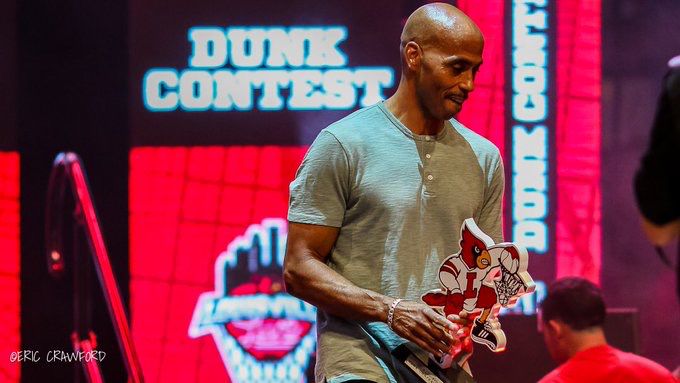
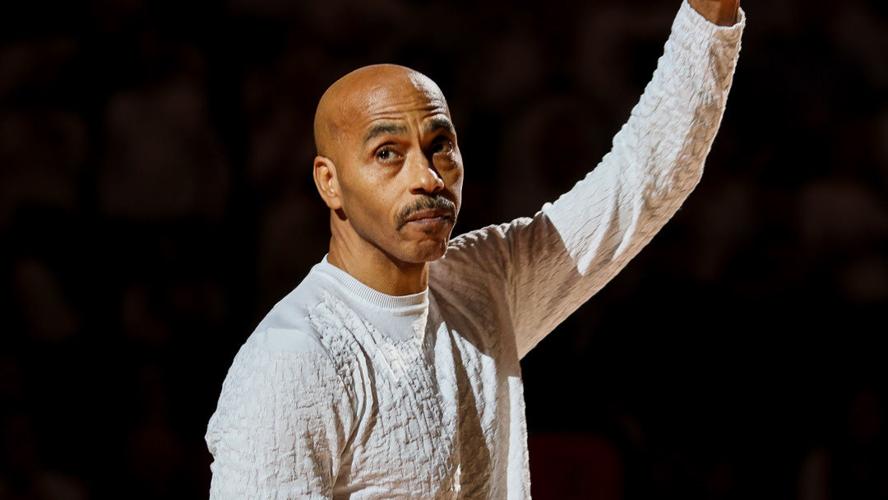
Can it really have been 40 years ago? Darrell Griffith looks just the same. Close your eyes and you can remember Louisville’s 2-2-1 press wearing down another opponent, or multiple hands above the rim in search of the next rebound.
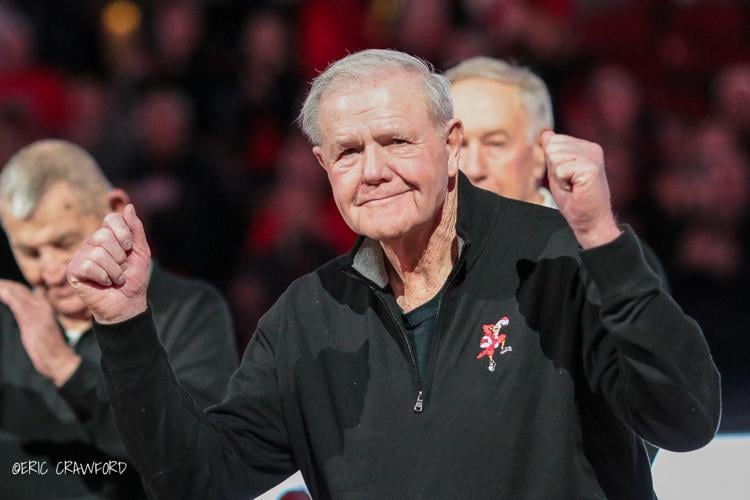
When the school honors the 1980 team during Saturday’s 4 p.m. home game against Virginia, it will honor a group as historic as any ever to represent the school.
"I don't think there's any question it changed a lot of things," Crum told Louisville public radio station WFPL in April of 2013, when asked about the 1980 title. "I think giving was way up to the university and it's continued to be that way. I think nationally it gave us a little foothold. In the eighties, I think we were in four Final Fours and won two championships. No one else did that during the eighties, so I think that really put us on the map."
Louisville had knocked on the door for a decade. Crum had coached under John Wooden at UCLA and was used to operating amid the nation’s best programs. But it wasn’t until he landed the nation’s top recruit, Male High School’s Darrell Griffith, that he was able to break through. Griffith came to U of L with great fanfare. He had been the only high school player invited to try out for the 1976 U.S. Olympic team.
Griffith went to U of L for one reason: To bring a national championship to his hometown. Actually, his exact quote on signing day was, “I want to bring several national championships to Louisville.” From the start, he put an immense amount of pressure on himself.
After every season, there were pro overtures, and there were murmurs. Fans were holding him to his promise. Heading into the 1980 season, he was down to his last chance. That summer in the old Crawford Gym on campus, he completed his transformation from dazzling dunker to complete player. His jump shots became as deadly as his soaring slams.
He scored 825 points that season, leading Louisville to the title, and winning the John Wooden Award for nation’s best college player.
The late Jim Murray, a legendary sportswriter for the Los Angeles times, wrote of Griffith’s Wooden Award ceremony in Los Angeles, “UCLA players showed up in fascination. They wanted to get a look at Darrell Griffith at ground level. . . . Like the Abominable Snowman and California condor, Griffith is rarely found in low altitudes. . . . He's not a guard, he's a satellite."
And he and the 1980 team took U of L to new levels. Not just the basketball program – though certainly its success in the coming years was ready evidence of that. But the university began its two-decade transformation from commuter city college to a sprawling state university, from the Metro Conference to the Atlantic Coast Conference.
A couple of years after that title, the city commissioned a public relations campaign built around a song, “Look what we can do, Louisville.” You wonder if that message would’ve been such an easy sell if Crum, Griffith and Co. hadn’t done what they had done to show the way.
Of course, it took more than those two. Jerry Eaves was Griffith’s steady hand point guard in the backcourt, and went on to spend five seasons in the NBA. The late Derek Smith would spend nine years in the NBA and was one of the Cards who popularized the “high five” during the team’s run. Scooter McCray was an important piece in Crum's lineup until he went down with an injury, then his younger brother Rodney emerged as one of the great players in school history. Wiley Brown provided strength and athleticism. Roger Burkman was a key sixth man.
And Tony Branch, a senior who had given up his starting role as Louisville's talent young backcourt had emerged, was an important presence, and wound up delivering a victory in overtime against Kansas State in the NCAA Tournament, keeping the Cardinals' run alive.
Every member of the 1980 team is expected to appear at the KFC Yum! Center on Saturday, except for Eaves and Brown, who both coach college teams and will be at those games.
And it should be said clearly, 40 years after their 33-3 and run, they are owed a debt by more than just the university and its fans. The city itself owes much to this group of players and coaches, who demonstrated what was possible.
Copyright 2020 WDRB Media. All Rights Reserved.
