What is the weather in Tokyo?

How will weather like this affect the Olympic athletes?

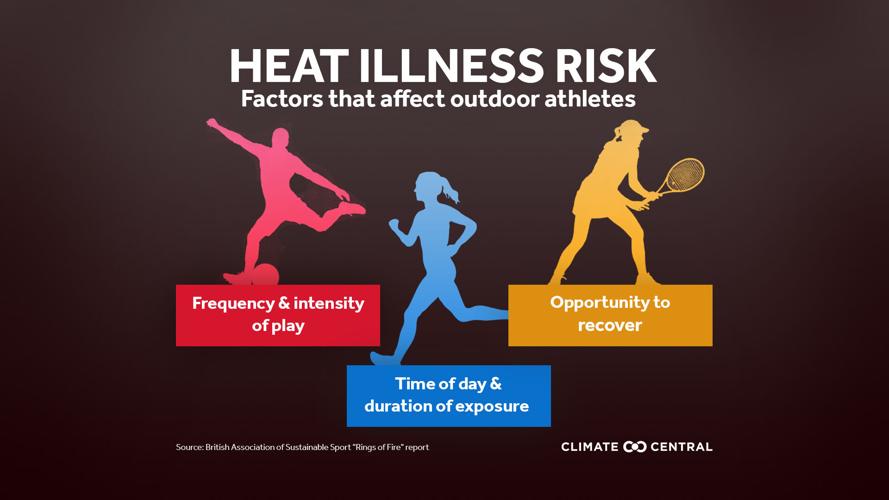
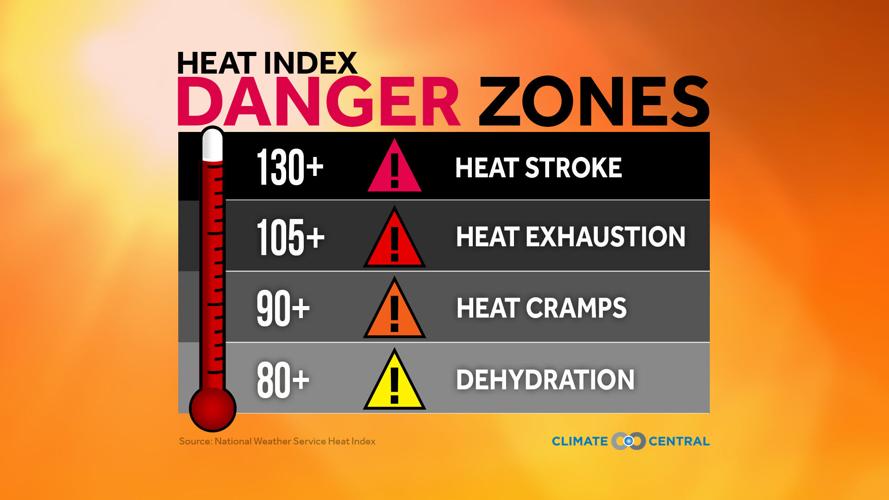
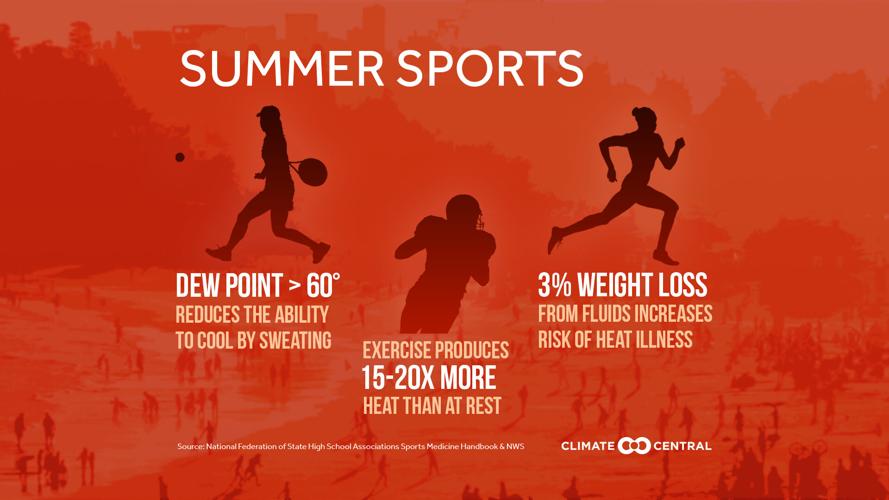
Obviously heat affects everyone differently, and Olympic athletes are some of the most physically fit people in the world. With high heat and humidity compounding the heat, though, even Olympians may struggle with the heat in Tokyo. Think about how long the athletes are exerting themselves depending on their sport. What kind of surface are they competing on? Does that make the heat worse (like for the marathon) or better (like soccer)? As soon as a human starts losing fluids, they are at risk for dehydration or heat-related illnesses. Athletes will need to replenish fluids and electrolytes to stay in the game. There are many other events referenced in the report, and it's a fascinating read if you have a couple minutes to skim through it.

This report released by the British Association for Sustainable Sport references the many different ways heat could impact the 2021 Tokyo Olympics. It specifically breaks down a few of the events most likely to be impacted by heat and what changes need to be made to accommodate the heat. For example additional water and cooling breaks may be needed in tennis and for the horses, especially, in the equestrian events. If the water temperature or air temperature is too warm, the triathlon event will either be shortened or potentially canceled.
What has been done to mitigate the heat?
The field at Japan's National Stadium was developed in south Georgia to withstand the heat and high traffic the stadium will experience during the Olympics. Organizers have even changed the location of a few events to a less hot area. For example the marathon was moved to Sapporo, Japan, which is more than 500 miles north of Tokyo. That would be like moving an event from Louisville to Traverse City, Michigan, in an effort to compete somewhere less hot.
There are also plenty of cooling stations around the different Olympic venues as part of the "Tokyo 2020 Cooling Project" the International Olympic Committee launched. This includes water stations, misters, and shaded areas both for the athletes and spectators to use to cool down. Climate Central also reports "many teams, like Canada’s track and field team, are training for several weeks in locations with a similar climate to Japan to help acclimate to the heat and humidity." While Tokyo's climate likely feels similar to ours right now in Kentuckiana, not all summer Olympic athletes are used to competing in a climate like this.
You will likely hear the commentators reference the heat and humidity during the more strenuous outdoor events over the coming weeks as Tokyo heads into its (statistically) hottest month of the year.


