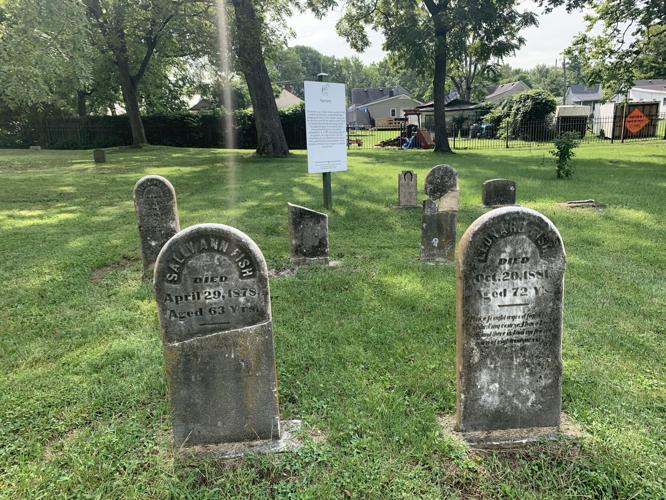
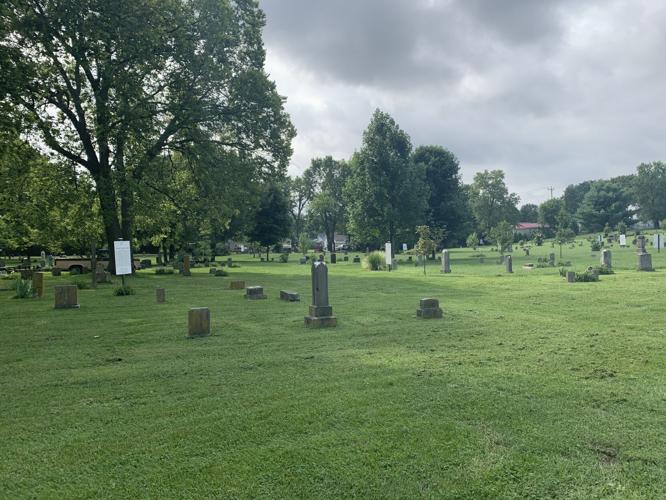


LEXINGTON, Ky. (WDRB) -- A small cemetery in Lexington is helping to preserve the legacy of African Americans in Kentucky's horse racing industry.
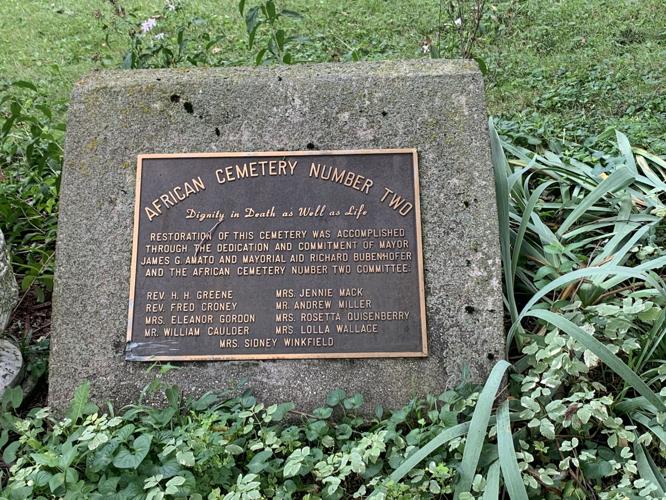
It is called simply the African American Cemetery #2, and much of the early history of thoroughbred racing lies buried there.
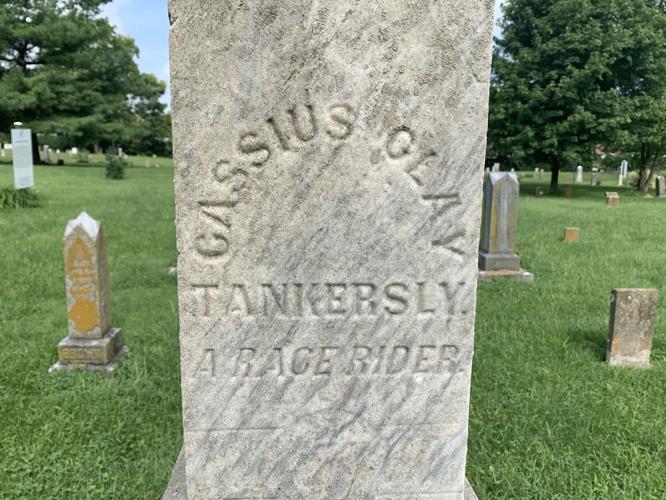
Oliver Lewis, the winner of the first Kentucky Derby; James "Soup" Perkins, the youngest Derby winner at age 15; and Isaac Murphy, a three-time Derby champion, were all laid to rest in the cemetery.
Murphy's remains have since been moved to the Kentucky Horse Park.
"There are more famous riders buried here than probably any other place," said Mark Coyne, chairman of the foundation that maintains the cemetery.
The site had become overgrown and almost lost.
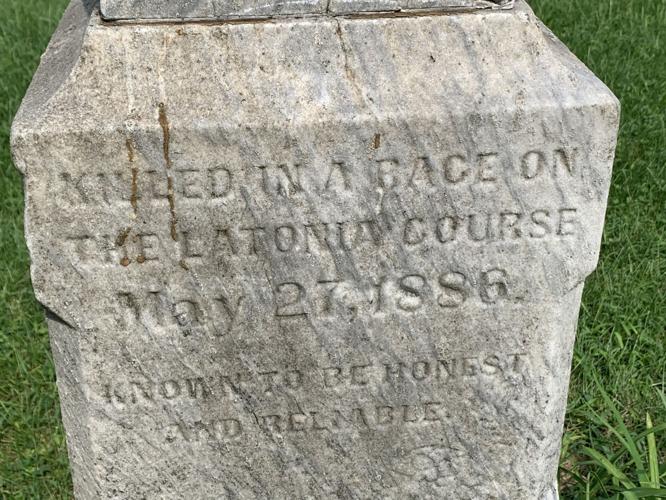
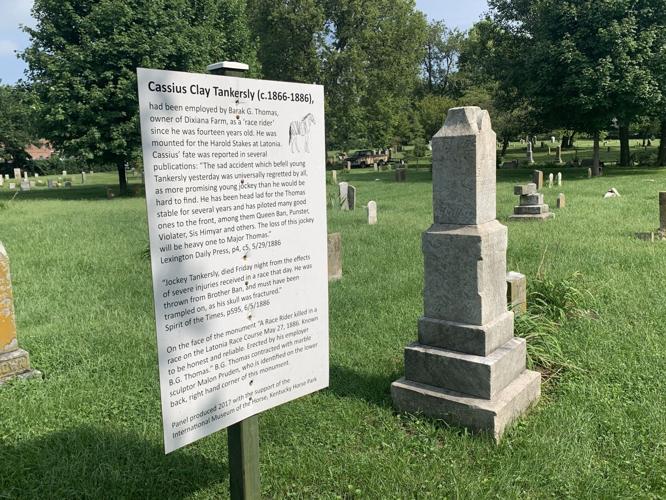
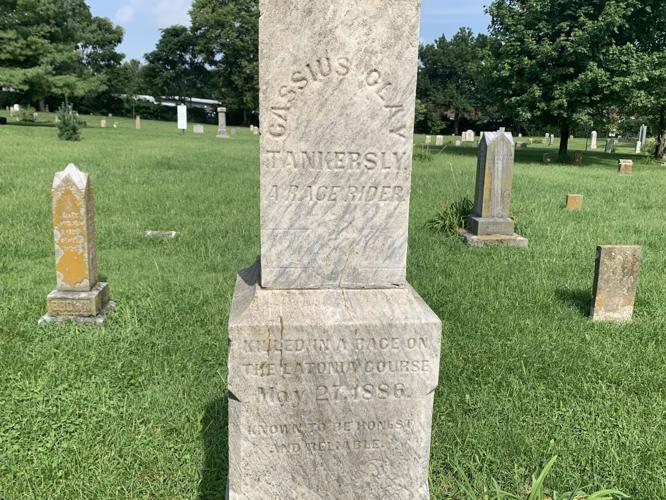
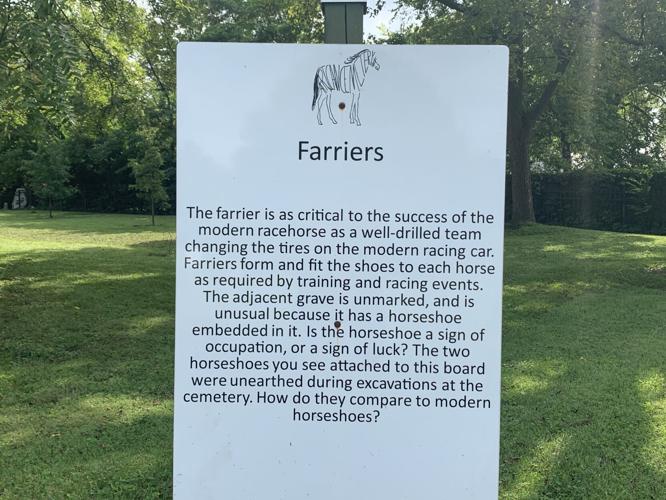
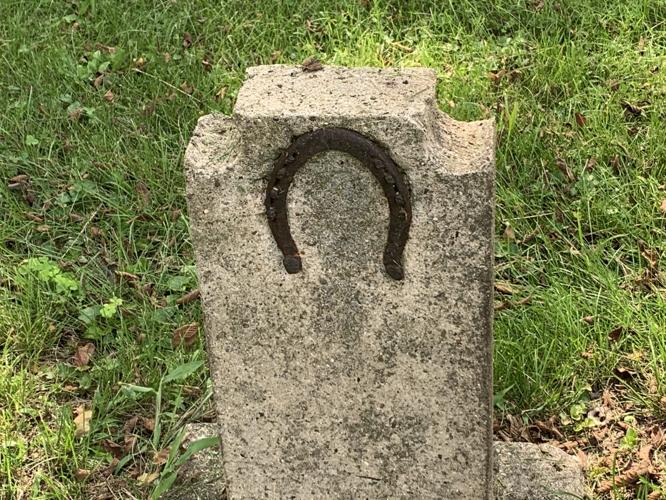
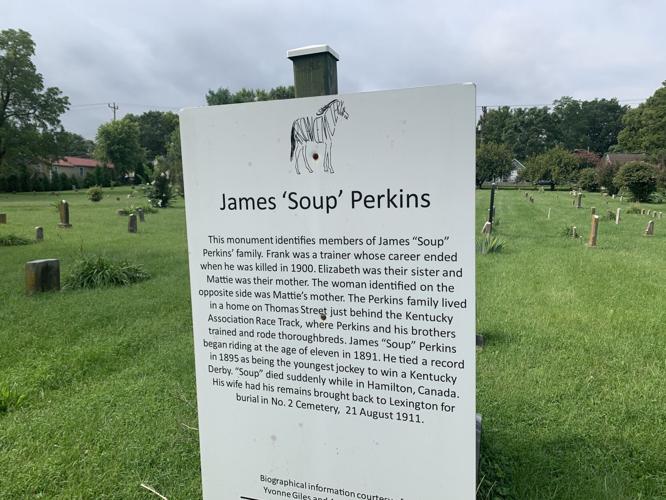
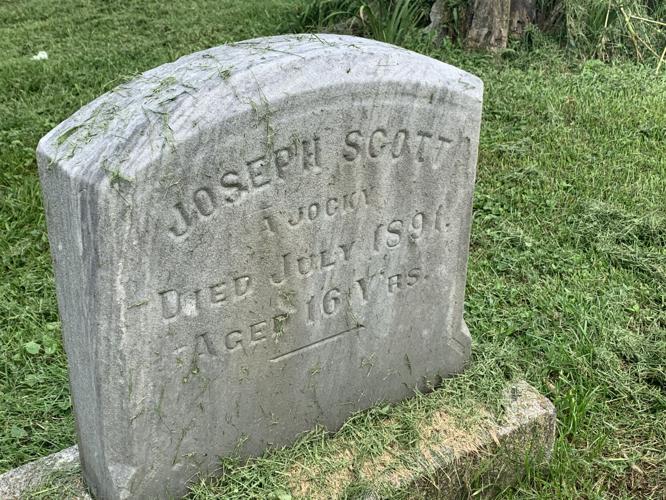
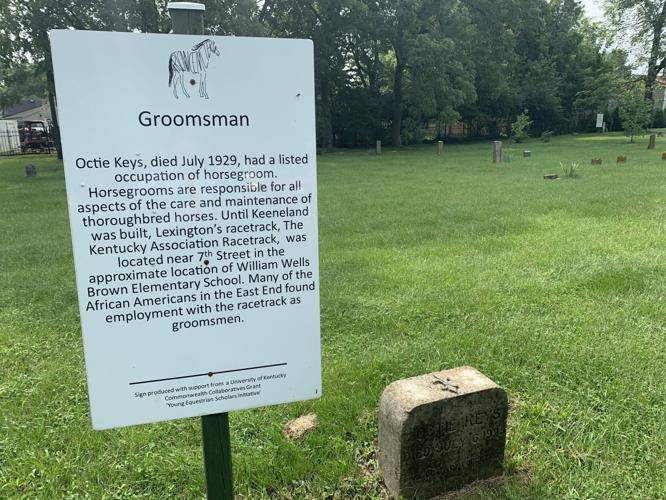
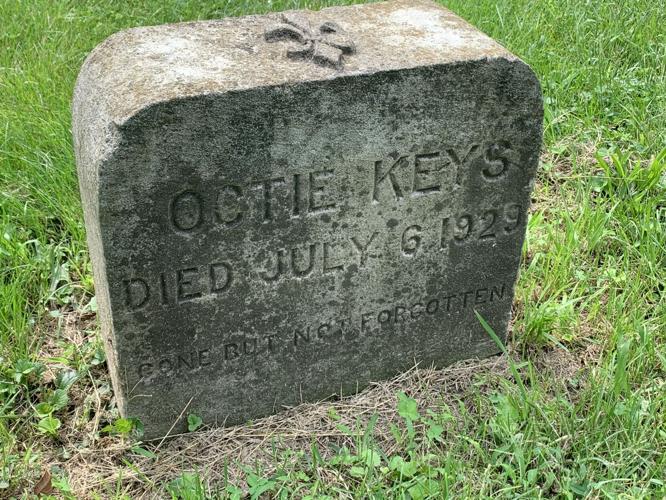
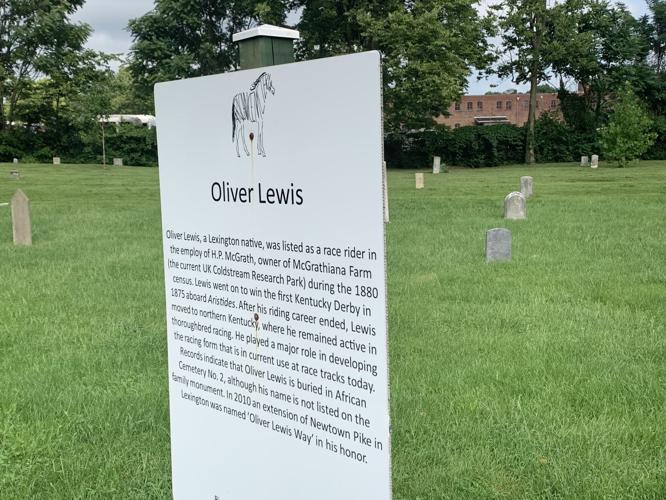
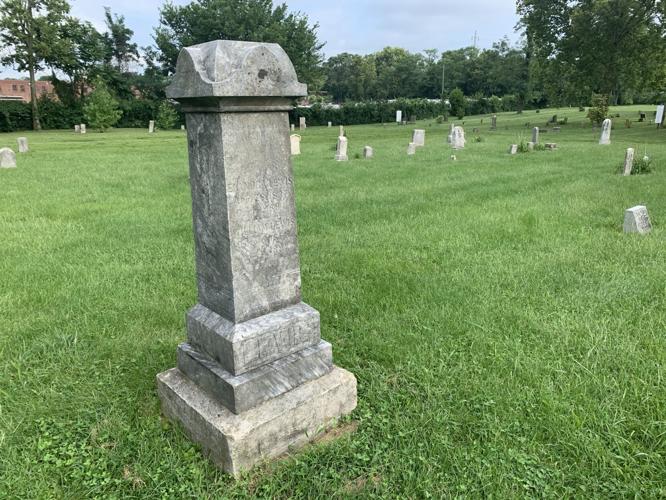
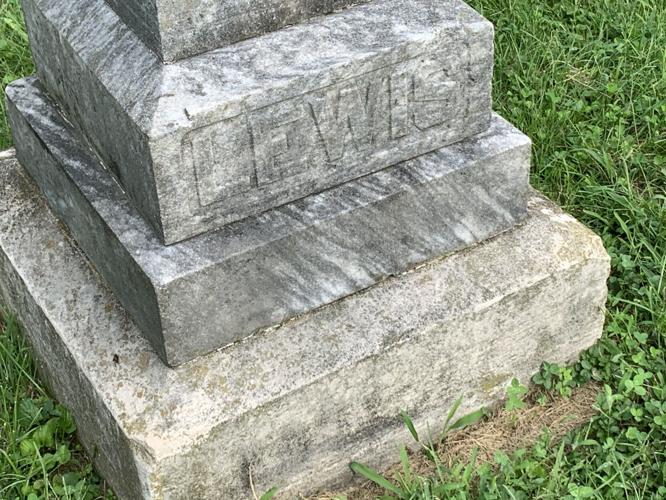
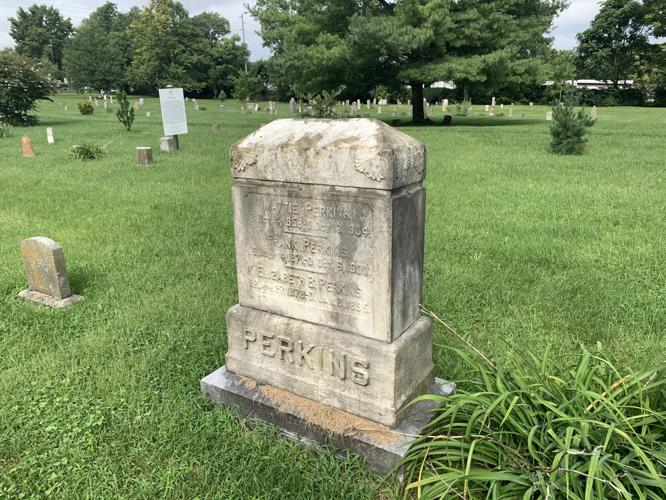
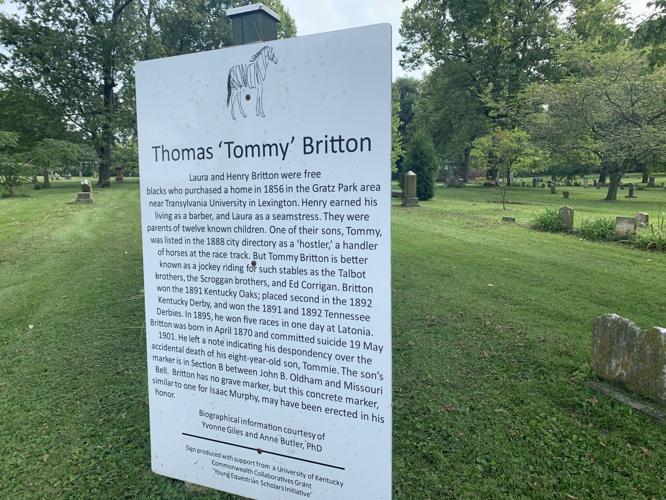
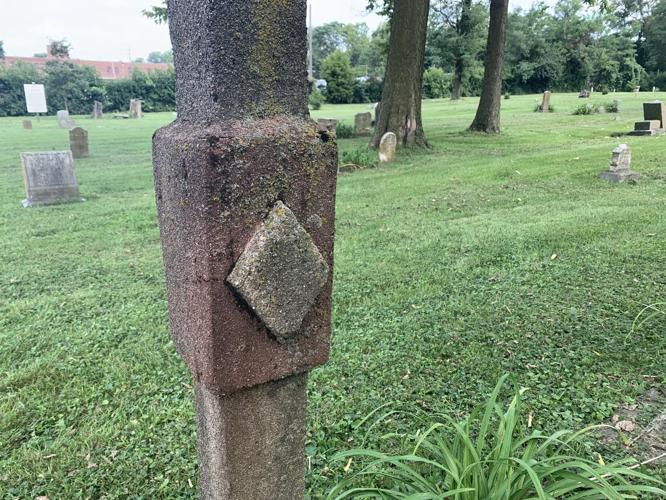
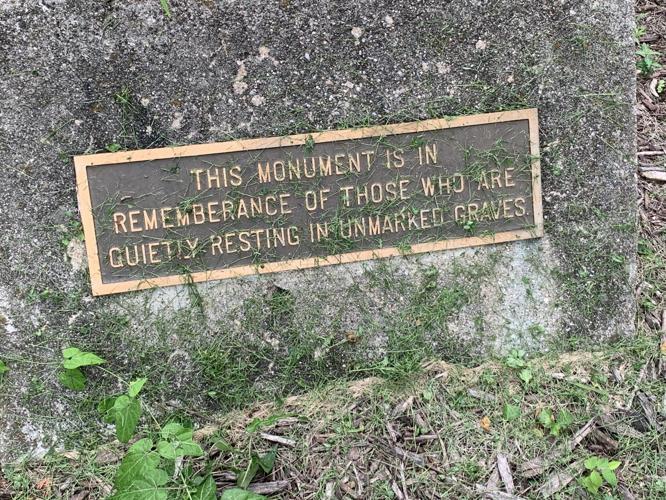


"It was more or less abandoned in the mid-60s, and the community activity came and said, 'We want to preserve the heritage of this site.'"
The cemetery is now listed on the National Register of Historic Places.
In addition to jockeys, more commonly known then as "race riders," more than 150 Black trainers, groomsmen, and others who worked with horses are buried there.
"Name after name after name after name, occupation after occupation," said Coyne. "We're trying to bring those stories back to life."
Part of the story buried at the cemetery is how racism reared its head.
Blacks began to be systematically shut out of the industry in the early 1900s as they began to earn fame and fortune, and Jim Crow laws were passed.
"It's a deeply disturbing story -- how treatment of one group of individuals who were so notable in a particular industry was essentially wiped away," said Coyne.
Coyne hopes the restoration of the cemetery and the new attention on racial injustice will help resurrect the legacy of African Americans in horse racing, and inspire young people to get involved.
"The history is there. If you know the history you should think, 'Well, yes, I should be part of that history as well.'"
In a statement on Thursday Churchill Downs said it is now committed to preserving and sharing the stories of the black jockeys who helped shape the Kentucky Derby -- stories that have been buried for generations.
Copyright 2020 WDRB Media. All rights reserved.


