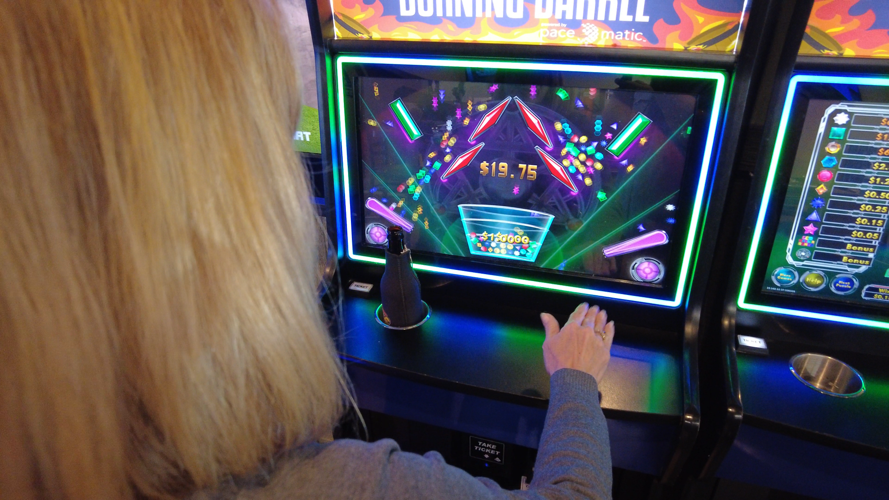
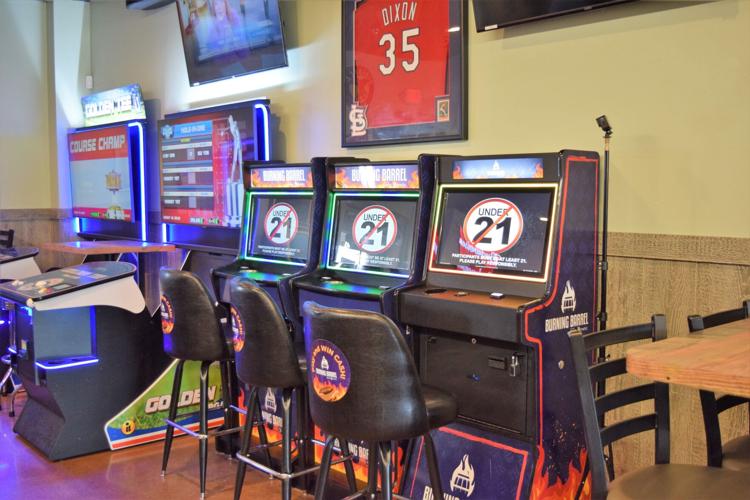
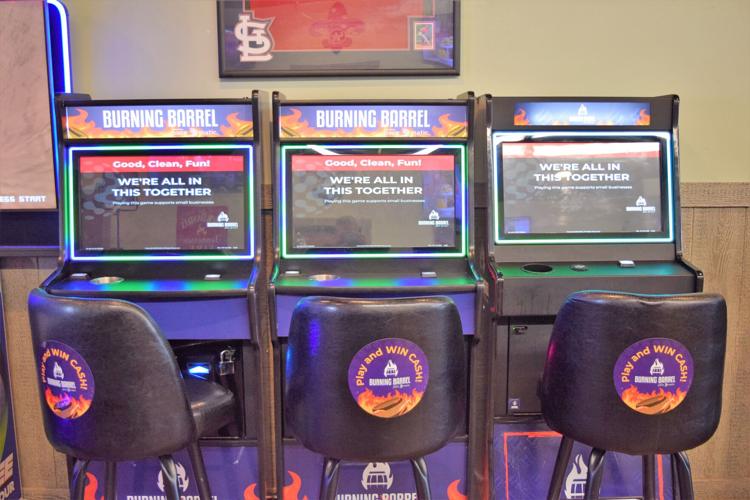
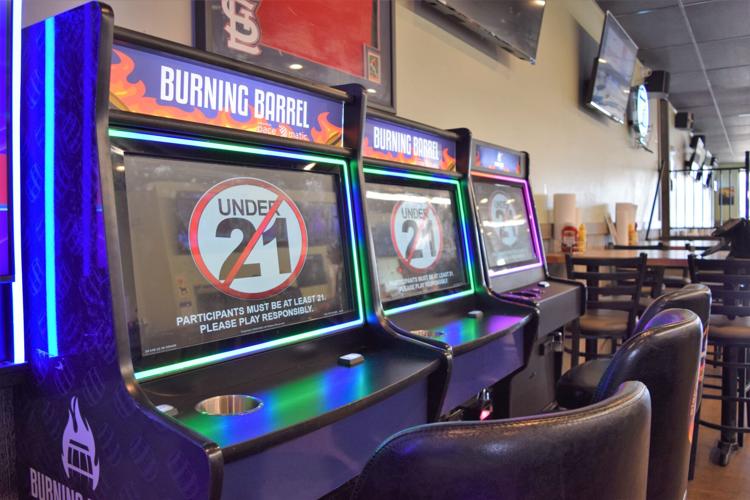



LOUISVILLE, Ky. (WDRB) — The CEO of Louisville-based Churchill Downs Inc. said Thursday that the company stands to benefit from Kentucky’s move to outlaw thousands of so-called “gray machines” that have popped up since 2021 at bars and restaurants around the state, though he said it’s hard to quantify the impact.
Churchill Downs, which operates state-regulated gaming venues with slots-like machines, kept a low profile earlier this year amid an expensive lobbying fight over the gray machines at small venues.
Kentuckians Against Illegal Gambling, a group backed by Churchill Downs and other horse-racing interests, led the charge to successfully convince the Republican-controlled legislature to ban the games.
But speaking to investors on a conference call Thursday, Carstanjen didn’t mince words when asked about the gray games.
“These were terrible for our industry. They were unauthorized, unregulated and unmanaged by the state, and that’s dangerous for a product like gaming, so we’re happy to see them go,” he said. “We expect that it’ll improve all facilities out there that are licensed and regulated like ours.”
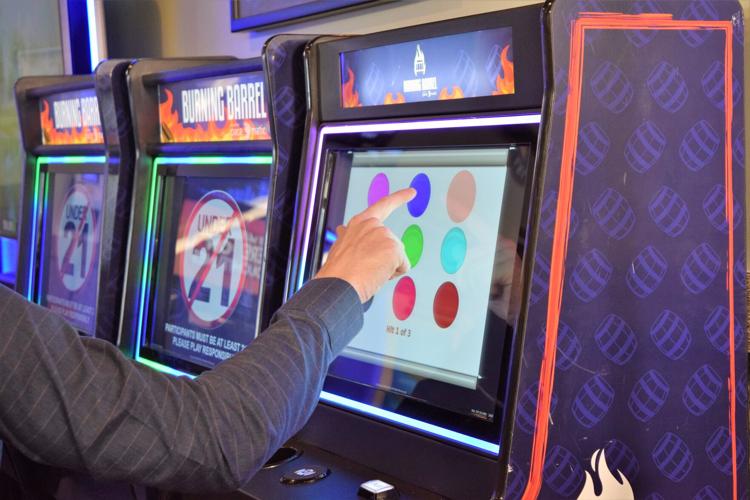
Also called “skilled games,” the machines offer Kentuckians another gambling-like experience and can generate thousands of dollars in monthly income for bar and truck stop owners who host them.
They’re still operating until the new law takes effect this summer, which the skill game companies hope to block via a lawsuit.
Carstanjen said it's hard to quantify just how Churchill Downs will benefit because the number of gray games in Kentucky isn't publicly reported.
Churchill Downs operates about 4,200 slots-like historical racing games at venues around the state, such as Derby City Gaming in Louisville. It could more-than double its machines in Kentucky via expansions over the next several years, such as the downtown Derby City Gaming venue that will open later this year.
Pace-O-Matic, the company behind Burning Barrel — the most common skill game in Kentucky — said Carstanjen’s comments reveal that his opposition is more about eliminating a competitor to slots-like historical horse racing games than ensuring public welfare.
“We’d like to start by thanking Bill Carstanjen for finally admitting the reason Churchill Downs Inc. fought so hard to ban skill games in Kentucky. It’s because he, and his Saudi investors, perceived the games as a threat to his company,” said Michael Barley, chief public affairs officer for privately held Pace-O-Matic.
Barley added that the skill game industry proposed regulations and taxes, but lawmakers didn’t advance that bill.
“We all know it was only ever about lining the pockets of Churchill Downs Inc., and their executives, at the expense of Kentucky small businesses,” Barley said.

Churchill Downs' quarterly earnings released Thursday underscore how the slots-like games have been a financial boon to the company five years after they launched.
Churchill notched $185 million in net revenue from historical racing machines in the three months ended March 31, up from $86 million a year earlier. The increase was partly because the company added its fifth gaming facility at Turfway Park in northern Kentucky, bringing another 800 machines.
Carstanjen said the industry is "our key strategic focus over the next five to 10 years for our company."
In addition to Kentucky, Churchill Downs plans historical racing machines in Virginia, New Hampshire, Louisiana "and perhaps beyond," he said.


