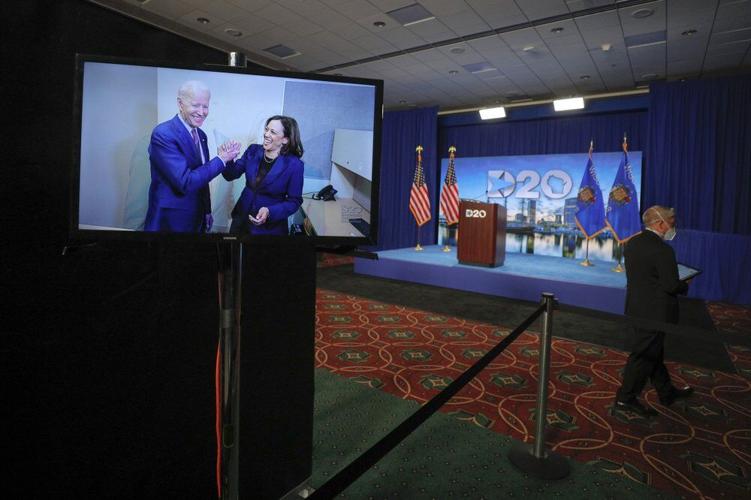



LOUISVILLE, Ky. (WDRB) – With the nation’s two major political parties holding virtual conventions after traditional events were scuttled by COVID-19 concerns, the medium – as it always does – is molding the message.
The parties had the stagecraft of conventions down to a science. The splash and sizzle of the oversized stage. The timing of speakers. The rhythm of events. They knew, in a room full of partisans, how to let the emotions ebb and flow.
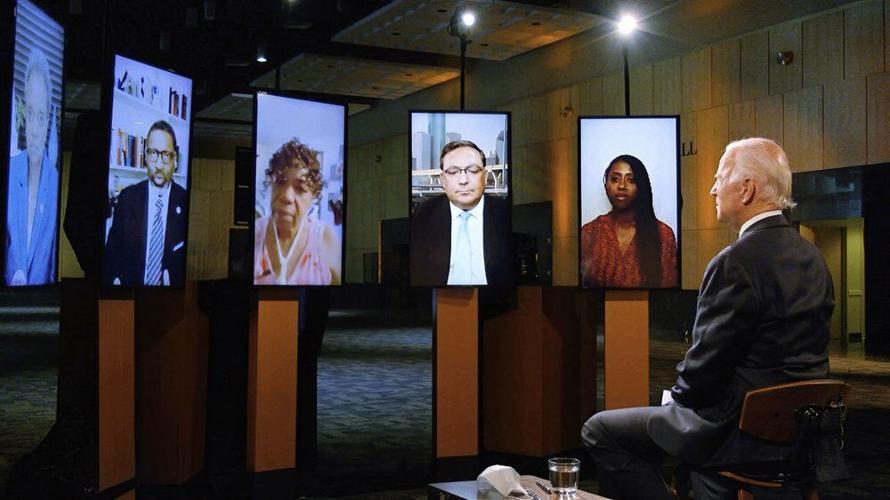
But in a virtual setting, none of those things matters. In a virtual setting, it’s personal. It’s a speaker or performer, and the viewer at home, and in this coronavirus creation, usually no one else.
It’s difficult.
As someone who tries with varying degrees of success to hold the attention of people for 20-30 seconds at a time in that format, I can tell you, holding it for 5 minutes is extremely difficult, for 20 minutes, harder still.
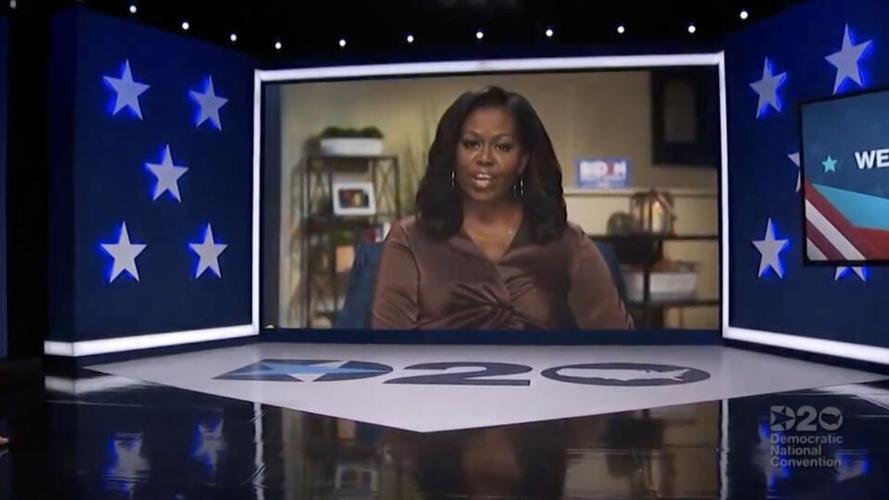
In this format, accomplished speakers who are accustomed to holding a room in the palm of their hand can seem ordinary, while others like former First Lady Michelle Obama and prospective First Lady Jill Biden, a college professor at home in a classroom speaking to small groups, can be incredibly effective.
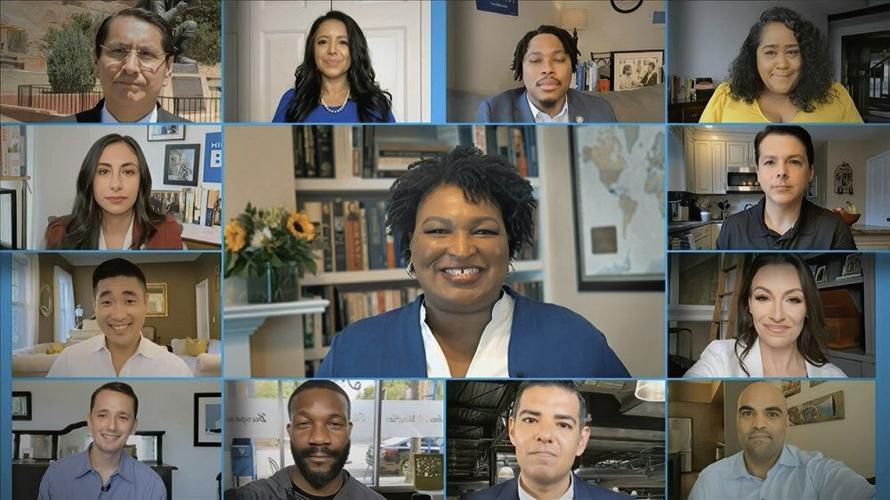
It’s a different dynamic. Sometimes the virtual stuff works, sometimes not. A great many commentators praised the Democrats’ keynote, using 17 different speakers, young leaders in the party, to combine on a speech with repeated quick cuts. It worked for a few minutes. Not for 11 minutes. A montage of past well-known convention keynotes was a reminder of that.

In this image from video, former Georgia House Democratic leader Stacey Abrams, center, and others, speak during the second night of the Democratic National Convention on Tuesday, Aug. 18, 2020. (Democratic National Convention via AP)
The keynote address is usually given to a rising star. Barack Obama delivered it in 2004. Mario Cuomo in 1984. The only logical choice this year was difficult, because she also is the vice presidential candidate. Kamala Harris should have given it.
Some things, in this format, work, and some don’t. Bill Clinton can work a room. Minus the crowd reaction, he was not particularly memorable. Bernie Sanders gave a speech that would have been a big hit in a big room, but behind a podium is not necessary in the virtual format, and in fact creates a distance between speaker and viewer.
There have been some gaffes for which there is no excuse. Everybody ought to have some rudimentary knowledge of framing their own shot and what a decent camera angle looks like. And who decided to put former Ohio congressman and governor John Kasich in the middle of a field? If real life is what they are going for, sometimes it is too real.
And sometimes, it’s a revelation. Something that did work was the roll call vote. Usually a boring collection of state representatives saying ever more grandiose things about the nominee and their states, on Tuesday the votes were taped on-location in the states, and it was charming, and a reminder of the diversity and beauty of this nation.
The roll call should be forever changed.
It’s also a lesson that “live” doesn’t always mean better. Michelle Obama’s talk with the American people on Monday night was taped. And it may wind up with the most memorable takeaway lines of the entire convention.
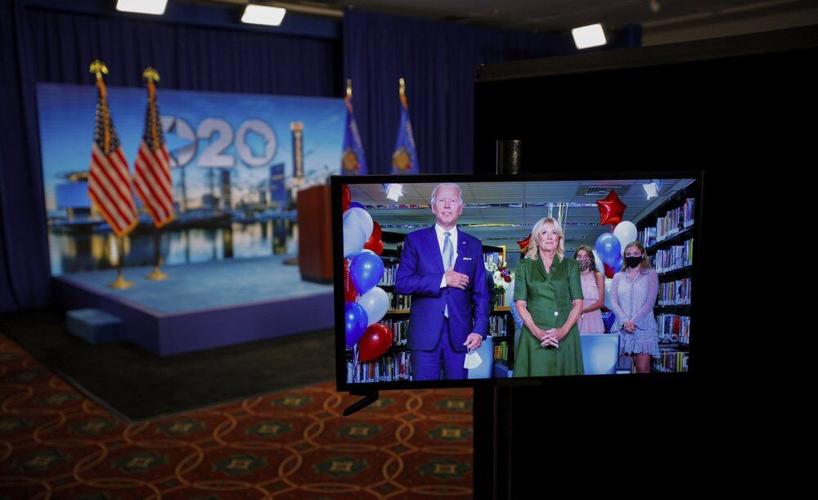
Jill Biden spoke live, walking down a school hallway before settling comfortably into a classroom.
Both speeches hit their marks, but more than that, hit home with a great many people sitting at home.
In some ways, Republicans benefit from watching the Democratic convention. They are seeing what works and what doesn’t work. They can call some audibles and polish their presentations a bit. President Donald Trump is said to be weighing some historic venues for his various appearances – including the White House itself, which sources say is where Trump will accept the nomination, before fireworks are shot off around the Washington Monument.
Biden being in a room with his family and a few balloons for his moment, however, seemed on brand for him, and on message for the convention.
The Democrats are trying to hit on a theme of normalcy, showcasing the ordinary even during an extraordinary time. The Zoom-room applause moments, such as after Biden accepted the nomination on Tuesday, look almost corny. But people around the country who have experienced so many such moments of their own in the past six months are likely to appreciate them for what they are. If your birthday party was a Zoom call, or if your weekly get-togethers are virtual, you know the drill.
The age of grand production may well have passed. Television networks that would never have aired spotty, pixelated guests on iPhone video now are doing it nightly. And, as long suspected, the American people don’t care nearly as much about production value as professionals in the field do.
Regardless, the necessity of virtual conventions is forcing the parties to scramble and experiment. And it is giving the American people a good look at who can connect personally, and who can’t.
Copyright 2020 WDRB Media. All Rights Reserved.


