

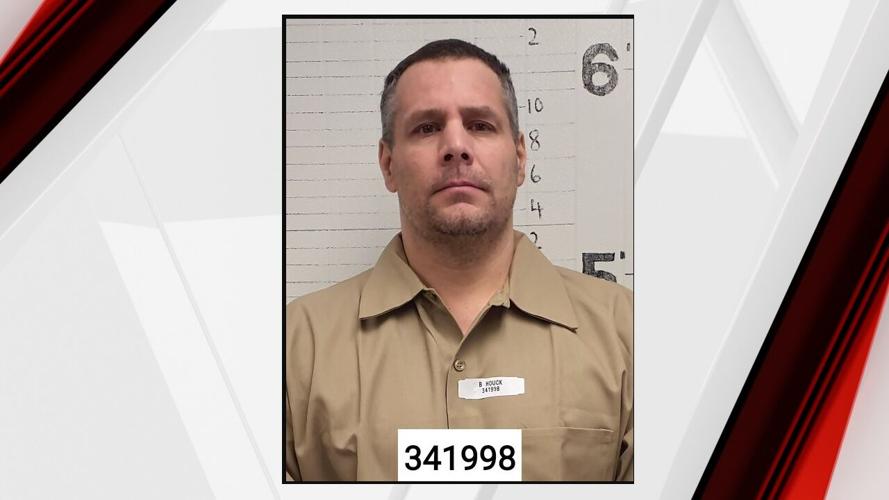
LOUISVILLE, Ky. (WDRB) — Kentucky's attorney general asked the state supreme court Wednesday to uphold Brooks Houck's conviction in the murder of Crystal Rogers.
Attorney General Russell Coleman filed a brief in response to Houck's appeal of his conviction to the Kentucky Supreme Court, arguing "in support of the substantial proof presented" during Houck's murder trial last year.
In his January appeal, Houck argued the state never proved Rogers, his girlfriend at the time of her 2015 disappearance, was ever even murdered.
The 10-day trial, which began June 24, 2025, included more than 50 witnesses, testimony about cellphone data, experts on policing, surveillance videos and recorded interrogations, among other evidence.
Rogers, a 35-year-old mother of five from Nelson County, was last seen alive during the Fourth of July weekend in 2015 with her boyfriend, Houck. Days later, her car was found abandoned — still running — on the side of the Bluegrass Parkway. Her purse and other belongings were inside. Despite years of searching, she's never been found.
"A loving mother of five doesn't just walk away and vanish," Coleman said in the brief. "But that is what Brooks Houck would have this Court believe happened. That's because he killed Crystal."
While there was no physical evidence, such as a body, murder weapon, crime scene or witness, the prosecution hammered Houck's actions in the days before and after Rogers' disappeared.
Coleman said his brief "underscores other evidence of the crime including Houck's 'distinct indifference' to the disappearance of his girlfriend in the first 36 hours," and lays out a "detailed timeline" of the night Rogers was last seen.
The attorney general accuses Houck of "once again trying to escape responsibility."
In his appeal, Houck laid much of the burden on Judge Charles Simms III, who, the appeal claims, failed to recuse himself in light of an earlier comment that Houck was the "prime suspect in the disappearance and presumed death of his previous girlfriend."
Simms still brought the case to trial, Houck argues, during which he made three additional errors:
- Tried Brooks and Joseph Lawson together
- Failed to strike for cause potential jurors who knew of Steve Lawson's conviction arising from Crystal Rogers's disappearance
- Allowed the introduction of prejudicial hearsay evidence from multiple witnesses
Houck's 69-page appeal relitigates much of the weeklong trial, attempting to poke holes in testimony from numerous witnesses and even sowing doubt in the impartiality of the jury.
"... when the Commonwealth is unable to produce the alleged victim's body, it must provide other evidence sufficient to establish that the alleged victim was killed – a confession, an eyewitness to violence toward the alleged victim, a crime scene," the appeal says, adding prosecutors never found evidence of the following:
- Crystal Rogers's body: Never found and indeed no evidence that Crystal Rogers was ever killed was presented.
- A confession: Brooks has never confessed to any criminal activity and instead steadfastly maintained his innocence.
- An eyewitness of violence toward Crystal Rogers: There was a total absence of evidence that Brooks had ever acted with violence toward Crystal Rogers.
- A crime scene: A total lack of evidence concerning where Crystal Rogers was actually killed, with the Special Prosecutor admitting that he had “no idea” where the alleged murder occurred.
- A murder weapon: No evidence of any murder weapon, or any evidence of how the alleged murder occurred, was presented.
Houck acknowledged he was with Rogers from about 7 p.m. until midnight on July 3, 2015, at the family farm. She was never seen again. He took her to his family's farm that rainy night on what was supposed to be a special date, according to her friends.
Prosecutors said Houck's version of events given to police for what he did that day was a lie. While saying he'd been driving around doing business July 3, he was actually at the Houck farm most of the day.
After Rogers disappeared, Houck didn't answer multiple texts and phone calls from her family members but did answer a call from his mother, Rosemary Houck.
Houck had told police Rogers stayed up playing on her phone when he went to bed after they got home. But records show her phone battery died at 9:23 p.m. that night, according to prosecutors, while they were still at the farm.
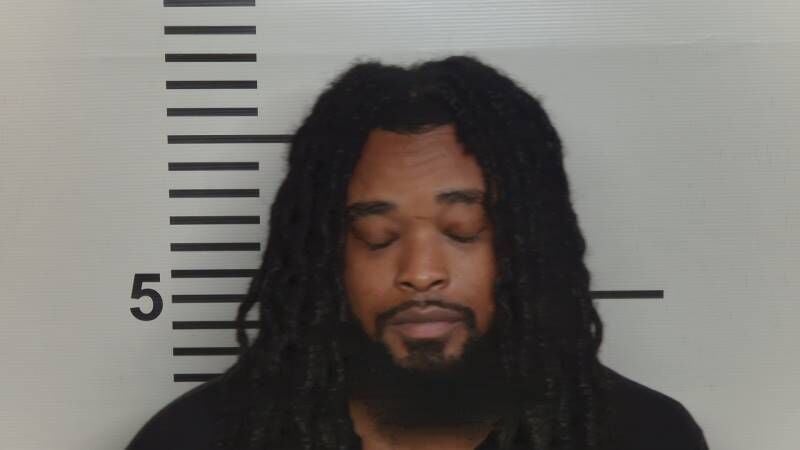
In September, Houck and his co-defendant, Joseph Lawson, were sentenced in Nelson County after their convictions in the Rogers case. Circuit Court Judge Charles Simms III sentenced Houck to life in prison and Lawson to 25 years, the maximum sentences allowed by Kentucky law.
Lawson's father, Steve Lawson, was previously sentenced to 17 years behind bars.
Copyright 2026 WDRB Media. All Rights Reserved.