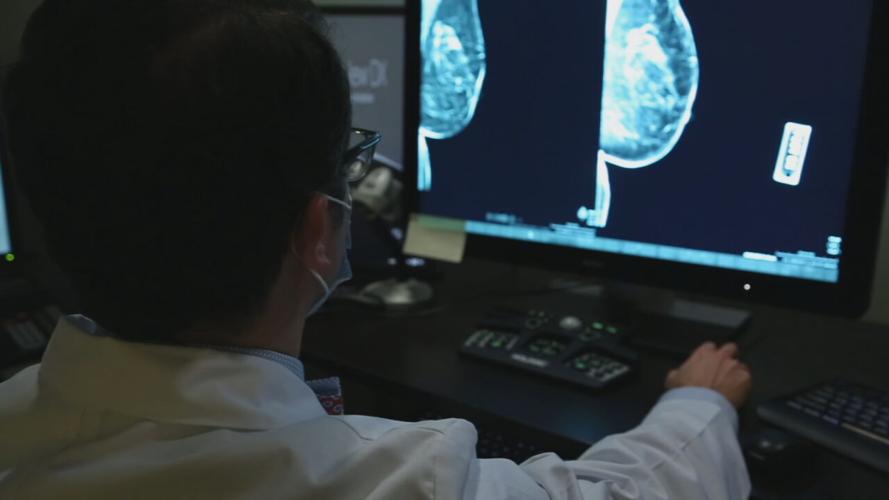
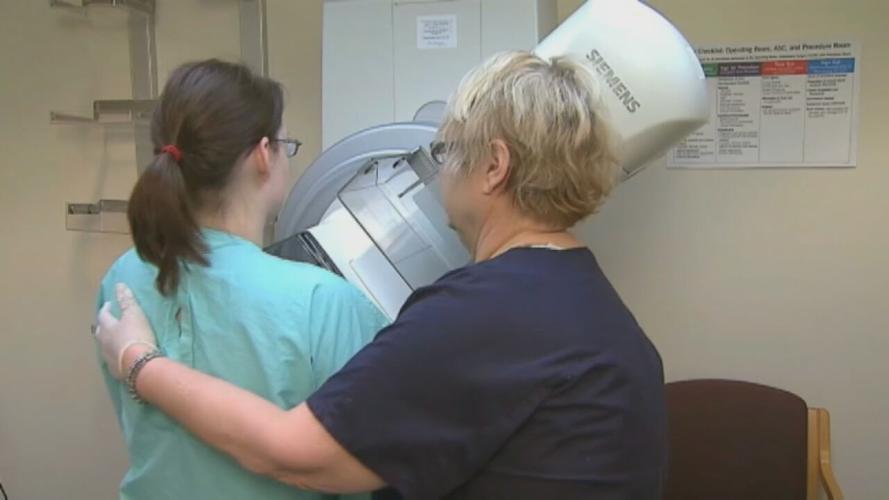


LOUISVILLE, Ky. (WDRB) -- Breast cancer is one of the leading causes of death for women and doctors in Louisville are warning people not to put off routine screenings amid the pandemic.
Medical Oncologists Dr. Brian Dong with U of L Health and Dr. Laila Agrawal with Norton Healthcare say they both saw fewer patients keeping up with routine screenings in the height of the pandemic. In recent months, both say they have seen an increase in patients being checked out and for some, delaying checkups has led to more severe diagnosis.
Dong says many patients have told him they didn't think putting screenings off for a few months or one year would be a big deal.
"I think it's without question there was a nationwide decline in mammograms being ordered due to the pandemic," said Dong. "We're finding that some women, when they have that one-year gap, they've developed cancer that's far more advanced. There are some women that have had an aggressive cancer that started last year and now it's already spread."
"We have seen some more advanced diagnosis where potentially things were delayed because of fears related to the COVID-19 pandemic. I've had patients who perhaps put off coming in because they were concerned about contracting COVID," said Agrawal.
Agrawal says anyone who has concerns about changes to their breast should reach out to a doctor. She says people should especially keep an eye out for things like lumps or bumps, pain, changes to the nipple, red spots or swollen lymph nodes.
"It's so important to get a timely diagnosis if there is any concern about breast cancer," Agrawal.
Dong and Agrawal say it is especially important for minority women to keep up with routine screenings, even if they don't think anything is wrong.
According to the Breast Cancer Research Foundation, Black women are 40% more likely to die from breast cancer compared to white women, despite being diagnosed at similar rates. For those under 50, Black women are twice as likely to die compared to white women.
"Black women also are known to have more aggressive subtypes of breast cancer that may require more treatment," said Agrawal. "The reason for this is complex and there's a lot of factors that are playing into it and not all of them are truly known, or fully understood."
Dong says one reason for the disparities could be a lack of awareness about the need to increase screenings if cancer is common in a particular family.
"You may just say, 'well cancer runs in the family' and they might not know that there is more we can do about that, whether it's genetic testing or increased surveillance," said Dong. "It's so important that we catch those women earlier on. I think if you have a family history, if you have concern for your own genetics, you should absolutely see a specialist even before you have any known cancer."
To help reach minority communities, both UofL Health and Norton Healthcare have mobile screening units. The RVs allow doctors to travel to areas like churches or community centers where patients may feel more comfortable speaking with healthcare professionals, to offer mammograms and other services for early detection.
"For women out there, especially of color who may have their concerns about, I'll just say about the system, find a team that you can trust. Advocate for yourself, find a team you're comfortable with, and go from there," said Dong.
To view the schedule for UofL Brown Cancer Center's Mobile Screening unit, click here.
To view the schedule for Norton Healthcare's Mobile Prevention Center, click here.
Copyright 2021 by WDRB Media. All rights reserved.


