
LOUISVILLE, Ky. (WDRB) -- The Centers for Disease Control and Prevention estimates 700 women die from pregnancy-related complications every year.
These deadly complications can happen throughout pregnancy and even up to a year after birth.
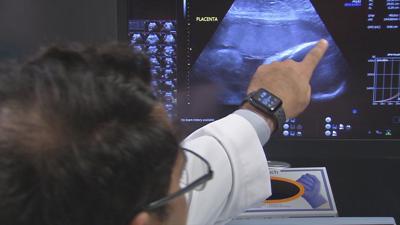
"There are patients that, during the birthing process, may unfortunately have some unexpected complications," said Dr. Jamil Elfarra, a high-risk pregnancy specialist with Norton Healthcare.
Elfarra is one of many Louisville doctors working to identify women at risk during pregnancy, delivery and follow-up care. Norton hospitals have protocols that alert nurses and doctors to complications that may come up and allow them to take action.
"Every life is precious, and one death is one death too many," Elfarra said. "If we can prevent one, that's a win situation for everybody."
CDC data shows about 60% of pregnancy-related deaths are preventable.
"So, what are some of those things that could've been done differently?" Elfarra said. "Could this patient have been educated more about some of those warning signs that needed her to come in earlier?
"Blood pressure is one of those things where, if it's high immediately when the patient comes in, that's going to alert the nurse," Elfarra said. "And, if it continues to be high for a second reading, the nurse is allowed to give medication to lower it -- even if the doctor still hasn't come in. That vital intervention can make a very very big difference."
The CDC said African American and Native American women are about three times more likely to die from a pregnancy-related cause. Risk factors for pregnancy -elated death include the mother's access to health care, a missed or delayed diagnosis and not recognizing the warning signs of serious issues.
These stats are alarming, but Elfarra doesn't want new and expecting moms to panic. He said the most important thing is to keep in touch with their doctors during and after pregnancy.
"For you to be able to take care of your baby for many many years, you first need to be able to take care of yourself," Elfarra said.
For more information on maternal mortality in the United States, click here.
Copyright 2019 WDRB Media. All Rights Reserved.


