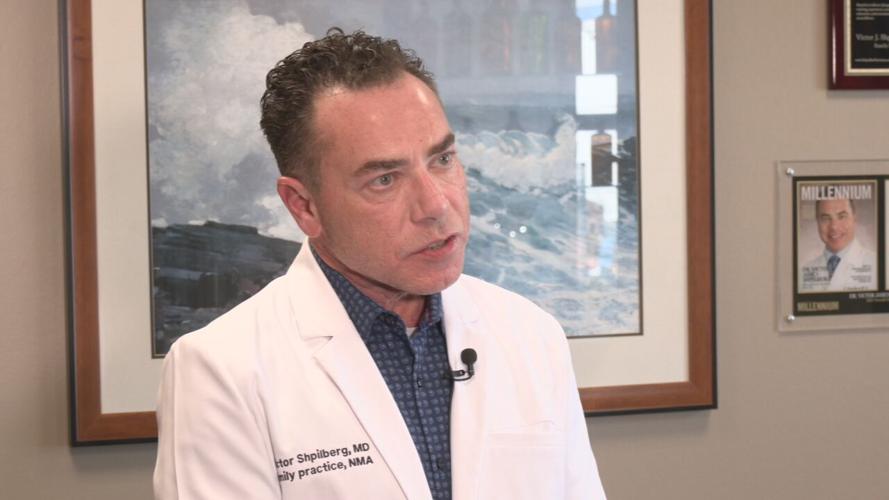


LOUISVILLE, Ky. (WDRB) -- A primary care physician at Norton Healthcare is taking his talents to new heights. Literally.
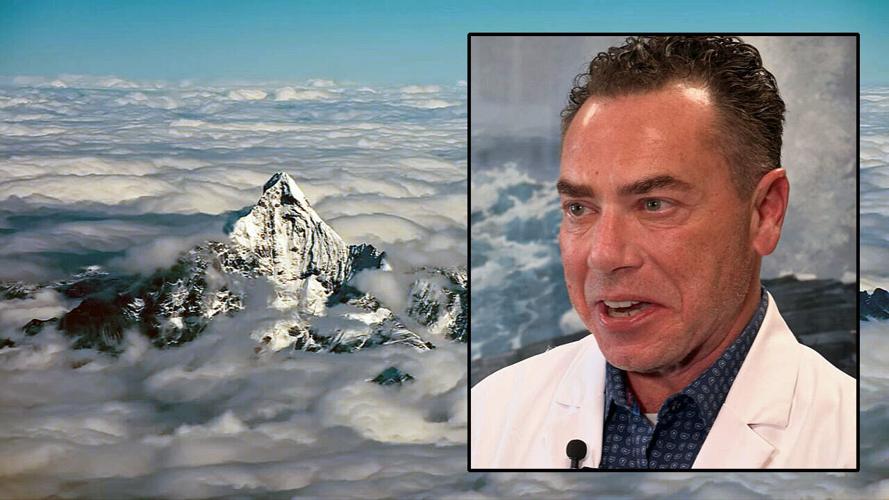
Dr. Victor J. Shpilberg is about to take a dangerous journey to the top of Mt. Everest -- a summit that has been reached by little more than 6,000 people in the world.
Shpilberg says many of his coworkers think he's crazy.
"This is something I have to do -- I must do," he said.
This week, Shpilberg and three friends will travel several thousand miles, heading west for a once-in-a-lifetime adventure.
"So I'm leaving about Oct. 30," he said. "The hike starts Nov. 2, and will end later in November."
He calls Mt. Everest, "the granddaddy for anyone who loves to hike."
"It is long," he said. "It is arduous."
But, he says, it's always been on his bucket list.
"I've done some training and some hiking in altitude before," he said. "Nothing to this extent."
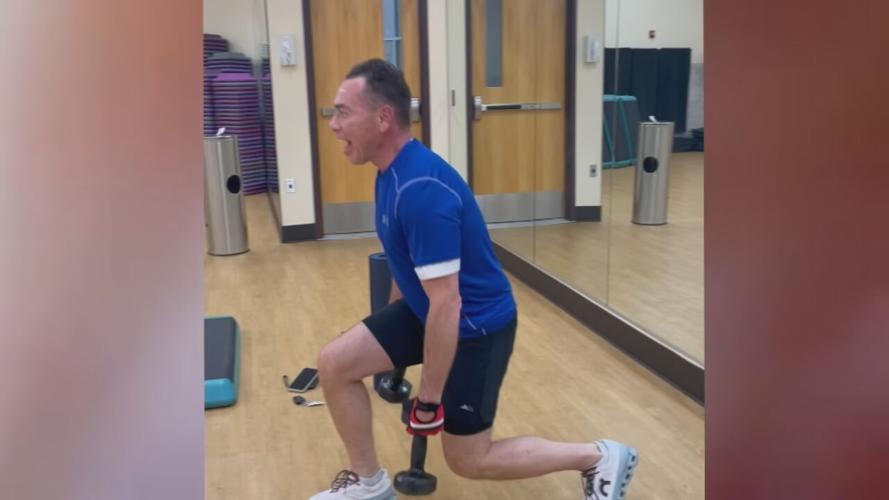
The 61-year-old physician has been training and preparing for the last nine months. He says that involves using a Stairmaster and a regimen of four to six hours of exercise several days a week.
"Just aerobic conditioning and...strength conditioning," said Shpilberg.
He says he could have started training last year, but another adventure got in the way.
"I was cycling, actually, at the Tour de Lou for the Derby event in 2021 and I had a terrible spill," he said.
That fall left Shpilberg with a broken hip and in the care of one of his Norton Healthcare colleagues.
"He said to me, 'Well, Victor, he said, six months you'll be good. 12 months, you'll be really good. And in 18 months, you can be hiking the mountains again.'"
Mt. Everest is on the border of Nepal and Tibet, China, known as "the roof of the world," and one of the world's highest mountains, once considered insurmountable.
"The hike itself is approximately 83 miles," Shpilberg said.
The mountain is massive, with many believing it to be more than 60 million years old.
"Each day is about eight to 10 hours," Shpilberg said. "Eight to 10 hours of hiking."
In 1953, Sir Edmund Hillary of New Zealand was the first to conquer the mountain. Since then, a little more than 6,000 others have reached its summit, although many more have tried.
"There is no spring or summer or fall," Shpilberg said. "It's cold season. It's all cold season."
Dr. Shpilberg hopes to reach the top of the mountain within 12 days, but then he still has to get back to the bottom.
"There are three ways to come down," he said. "The fast way, which is over the top, the slow way, which is walk back from where you came from, or the helicopter picks you up and takes you down."
Lizzy Maddox is the office supervisor and says she didn't believe Shpilberg when she learned of his plans.
"I was very shocked," she said. "I was like, 'Are you serious?'"
She says even patients have questions.
"They are saying that, 'Are you crazy? You're going to be going for how long?'"
His answer to the "why" question may seem simple, but here it is:
"If I don't do it now, I don't think I ever will."
Dr. Shpilberg says after he climbs Mt. Everest, it's on to the next journey.
Copyright 2022 by WDRB Media. All rights reserved.