Iowa’s waterways face significant pollution challenges due to agricultural runoff and sewage. The problem impacts both recreation and public health. Authorities have found that many lakes and streams do not meet standards for swimming, drinking or aquatic life. Algal blooms and bacteria pose risks. Efforts to improve water quality have fallen short of goals. While the state has relied on voluntary actions, conservationists argue for more robust measures. Iowa's reliance on agriculture complicates solutions, but local initiatives show that attention and resources can make a difference in preserving nature.
From
To
Governments around the world are being pressed to find and support alternatives to reduce dependency on chemical fertilizers as the Iran war drives up prices. The Gulf region produces 30% of globally traded chemical fertilizer. That’s caused concerns about food supply. Experts say the shift away from chemical fertilizer could benefit the environment since its production and use cause significant global greenhouse gas emissions, the main driver of climate change. In Senegal, farmer Abou Sow has turned to organic compost. In Brazil and India, farmers are exploring biofertilizers and natural farming. But there are challenges including in scaling up availability.

AP Wire
Prices for tomatoes are up 40% over the past year, the biggest increase tracked among products in the Consumer Price Index. Experts say the spike is the result of crop yields and two pillars of President Donald Trump's second term policies. The Iran war has spiked shipping costs. And Trump has slapped tariffs on tomatoes from Mexico, which grows most of America's supply. Outraged consumers are voicing their displeasure online, but the impact is most acute among businesses that rely on tomatoes as a key ingredient. Wayne Humphrey of Snarf’s Sandwiches, which which operates dozens of stores in Colorado, Missouri and Texas, says the price hike will cost him $1.7 million this year.

After speaking to the audience at the championship tractor pull in Freedom Hall, Rollins visited with the employees of companies like John Deere to learn more about the work they’re doing.

Senior Peyton Murray works in a hydroponic greenhouse as a co-op with Agriculture teacher Mackenzie Wright, growing lettuce and trying his green thumb at cherry tomatoes.

Top Story
BULLITT COUNTY, Ky. (WDRB) -- Bullitt Central High School is preparing for its first Farm to Table dinner.

Louie's Greenhouse is a microfarm where over 40 different types of microgreens, herbs, lettuces and more can be grown inside the Ville Grill.
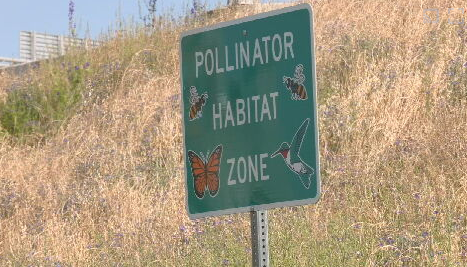
The program's director Mike Smith said it's a vital movement to our ecosystem.

The sanctions against Russia over the war in Ukraine means farmers are paying premium prices on everything from fuel to feed for livestock.

Keith Kaiser explores the latest in farming equipment.