


LOUISVILLE, Ky. (WDRB) -- An NCAA survey done in 2021 showed that student-athletes were one and-a-half times more likely to suffer from anxiety and depression than in just the previous year, an issue exacerbated by the pandemic.
Bellarmine University has teamed with Norton Sports Health to confront the issue head-on.
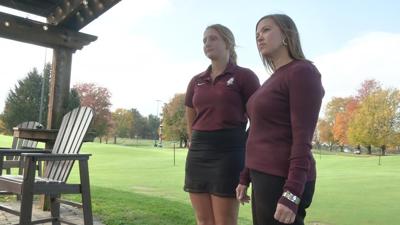
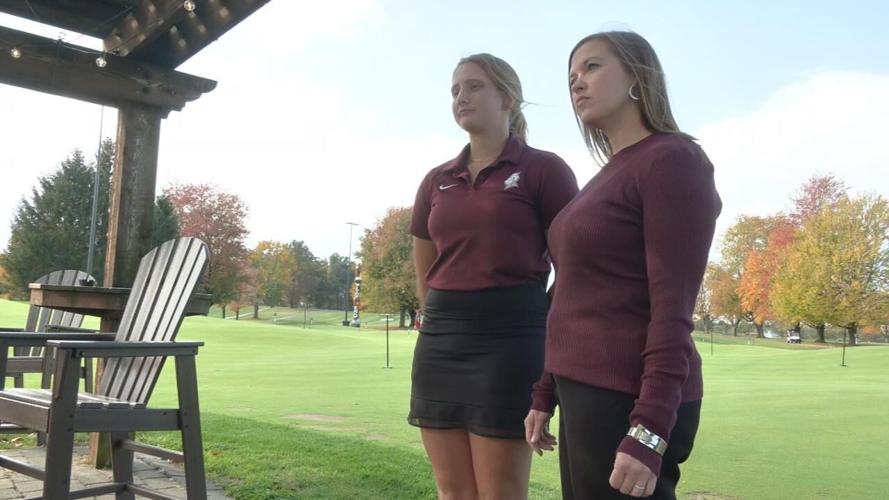
Alaina Schmitt knows there has been a stigma around mental health. That there are those who think that if you see a counselor or advocate for mental health that you're weak. But her view changed in the last couple of years.
"I think it's the opposite," said Schmitt. "You're very strong for being so vulnerable. And I think it's just a great way to help yourself and help others too."
The Bellarmine senior golfer initially started talking about sports psychology to help her game but it morphed into something much deeper.
"I kind of made the leap into my personal life when my friend overdosed in 2021," continued Schmitt. "And that's when I was like, 'I need to talk more about my life outside of golf,' and then it's helped with her overdosing and then with my mom's breast cancer, that whole journey and then losing a bunch of loved ones, it's just helped with all aspects of my life."
For the last year or so, those conversations have been with Paula Struck, from Norton Sports Health. The sports mental health therapist has an office at Bellarmine and is available full-time to talk and work with student athletes at the school.
"Having a person integrated and ingrained in the program, who understands what those risk factors and what those additional pressures and stressors are for them, and making that person accessible is clutch," said Struck.
"Oh it's awesome," said Schmitt. "I know there's not a lot of schools out there taking that step and the fact that Bellarmine has makes me very proud of my school."
"There's always been this stigma around talking about mental health in the general population, but in athletics it's even heightened," said Struck. "So sometimes it's been viewed as seeking support has been a weakness. You're not mentally tough or that you lack grit. The truth is that addressing mental health is true resiliency."
It took a little time, but Schmitt has come to that realization.
"When I first got into sports psychology, I was a little worried about how people perceive me. But then I took a step back and looked at, well, this is something that is going to help me and who cares what other people think because if it helps me then I need to do it."
Schmitt said she was helped by athletes like Simone Biles discussing their own mental health struggles and she hopes that by opening up about her journey, she can help others realize that getting help is the way to go.
Copyright 2023 WDRB Media. All Rights Reserved.


