Quick - list as many types of winter weather as you can!
Your list probably includes things like snow, sleet, and freezing rain. But what about thundersnow? Steaming lakes or rivers? Frozen fog? Frozen waves? Solid ponds and lakes? Winter does some weird things to weather and water. Check out this blog post Katie McGraw wrote about the differences between rain, snow, hail, sleet, freezing rain, and graupel.
Let's talk about some of the other weird winter phenomenon:
Frozen Waves
These are also called slush waves or slurpee waves (or in extreme cases, ice tsunami or ice shove) because they still move. They are not technically frozen in place even though this top layer of water has frozen. It's important to note that fresh water and salt water freeze at different temperatures. The freezing point of ocean water is closer to 28ºF (28.4º to be specific). So what's happening? The top layer has frozen. As the current continues to push the water toward the shore, waves still break under this layer of ice pushing the ice forward. Since the top of the water is in contact with the much colder air, it freezes before the whole body of water does. That means ice will form on top of liquid in deeper bodies of water as the temperature drops.
Waves off Nantucket's coast are so thick with ice that they are being compared to slurpees. (Feb. 27)
Subscribe for more Breaking News: http://smarturl.it/AssociatedPress
Get updates and more Breaking News here: http://smarturl.it/APBreakingNews
The Associated Press is the essential global news network, delivering fast, unbiased news from every corner of the world to all media platforms and formats.
AP’s commitment to independent, comprehensive journalism has deep roots. Founded in 1846, AP has covered all the major news events of the past 165 years, providing high-quality, informed reporting of everything from wars and elections to championship games and royal weddings. AP is the largest and most trusted source of independent news and information.
Today, AP employs the latest technology to collect and distribute content - we have daily uploads covering the latest and breaking news in the world of politics, sport and entertainment. Join us in a conversation about world events, the newsgathering process or whatever aspect of the news universe you find interesting or important. Subscribe: http://smarturl.it/AssociatedPress
Freezing Fog
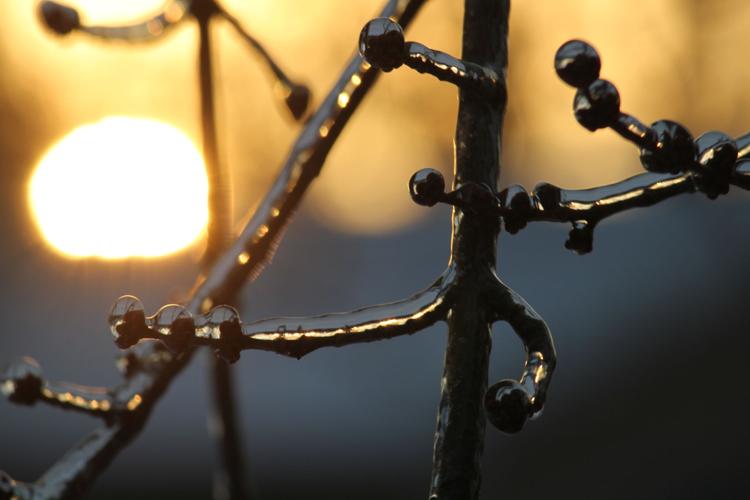
Freezing fog is a lot like freezing rain - it doesn't start frozen but freezes on contact. This happens when the air temperature is near freezing. Fog forms like normal creating supercooled water droplets hanging in the air. When they come into contact with an object, those droplets freeze on it.

Solid Ponds/Lakes
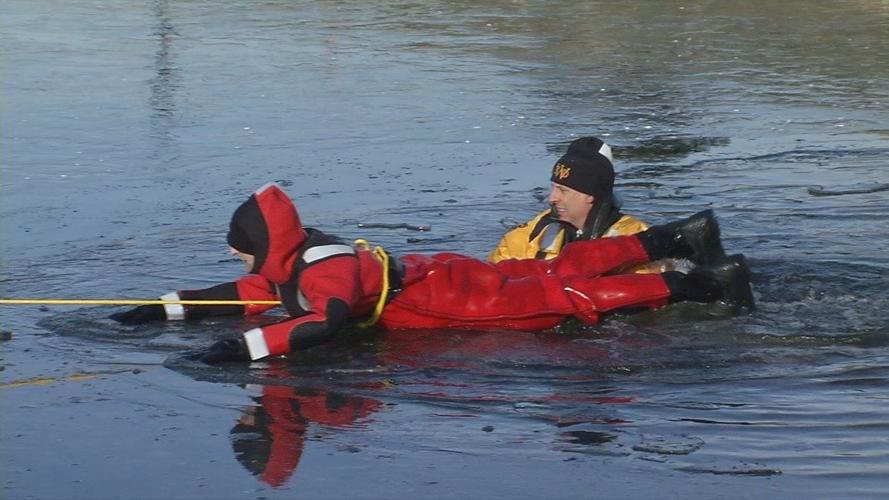
This is a pretty easy one. We all know the air temperature can drop well below freezing, but the air doesn't change. Water is different; liquid water can't exist too far below 32º. Once the water temperature drops below 32º, it will start to freeze. That normally takes much longer than for the air to reach freezing because the water heats and cools more slowly than the air.

Steaming Lakes/Rivers
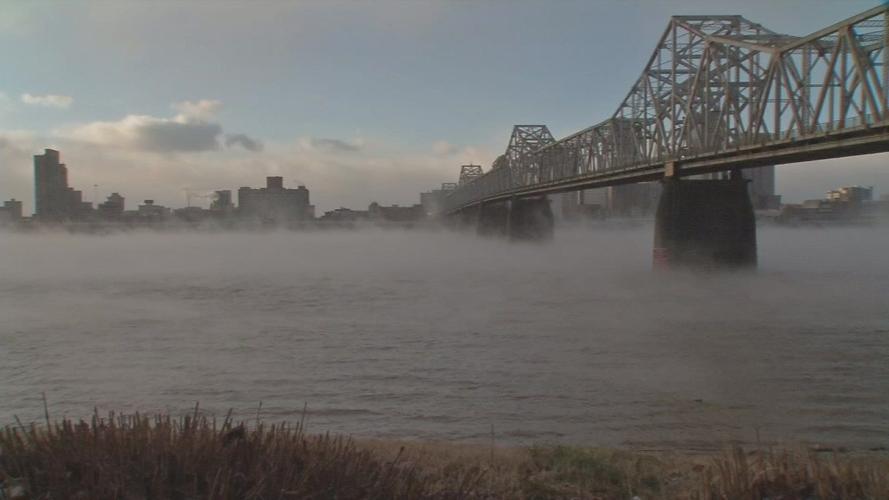
That same principle of water cooling and heating more slowly than air creates "steam" above lakes and rivers in cold weather. In these situations, the water is warmer than the air above it. That causes a lot of water to evaporate into the air above it but then condense back to liquid when it gets into the colder air. Now you have tiny droplets of liquid water hanging in the air, so technically what you're seeing isn't steam but more of a cloud or fog.

Thundersnow
To a meteorologist this is THE winter phenomenon you want to see. I (Hannah) know at least a dozen meteorologists who say this is on their bucket list. It's basically just a thunderstorm, but instead of rain it's snow. In the summer warm air rises from the ground to create and feed the thunderstorm. In the winter the air is cold and more dense, so it has trouble rising the same way. Instead you need even colder, denser air to move in over top of that surface layer to create the friction needed to develop the thunder and lightning. Thunder also sounds different in the cold, dense air with snow falling than it does in the summer.
Do you have a new favorite now or anything to add to your weather bucket list? Tell us on social media!


