There are a lot of posts floating around on the internet about a green comet you will be able to see for the next few mornings just by looking up. There is some truth to it, but like most things on the internet, not everything you've read about the "green comet" is true. Let's separate the fact from the fiction!
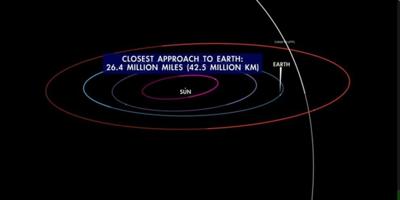
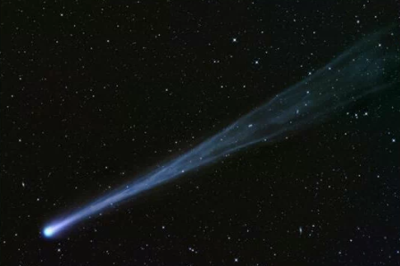
Comet C/2022 E3 (ZTF) was only discovered in March of last year, so there are still things we don't know about it including if it has ever been visible from the Earth before and will it ever pass by again. Yesterday it made its closest approach to the sun, and its orbit will bring it closest to Earth between February 1 and 2 (which will still be about 26 million miles away). Between now and then is your best chance to see it. You will need binoculars or a telescope for a chance to see it; it seems unlikely you would be able to spot it with just your eyes based on its current brightness. Comets can be difficult to spot with light pollution, so for your best chance to see this, get away from city lights and the lights around your property then look toward the northwestern horizon between midnight and dawn. You may even be able to notice a slightly green color at its head and a long tail. That slight green color is likely caused by the chemicals inside the comet.

Image Credit: NASA
It's easiest to see right now because it appears to us like it gets brighter as it approaches the sun. It's not actually getting brighter but the ice inside the comet reflects more of the sun's light as it gets closer and some of the frozen matter in the comet starts to sublimate, the process of going directly from a solid state (frozen) to a gaseous state. That sublimation is why most pictures you see of the comet online look kind of fuzzy. Even through a good telescope, that's what it looks like because the comet is surrounded by gas.
Since scientists haven't known about this comet's existence for even a year, they don't know its full orbit or trajectory. That means there's no guarantee you will have another chance to view this particular piece of space debris, and even if it did come back by us, it would likely be tens of thousands of years from now.


