


LOUISVILLE, Ky. (WDRB) — On New Year's Eve, many people will gather in public spaces or homes to welcome the new year. But for many in the Black community, the most meaningful place to celebrate is in church, where faith and tradition take center stage.
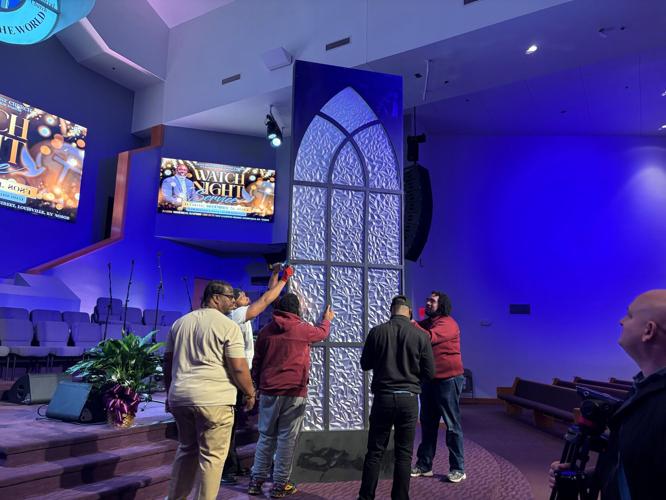
At Bates Memorial Baptist Church, located in Smoketown on Lampton Street, preparations were underway Tuesday for its 7 p.m. Watch Night service -- a gathering that nearly rivals the church's Easter crowd.
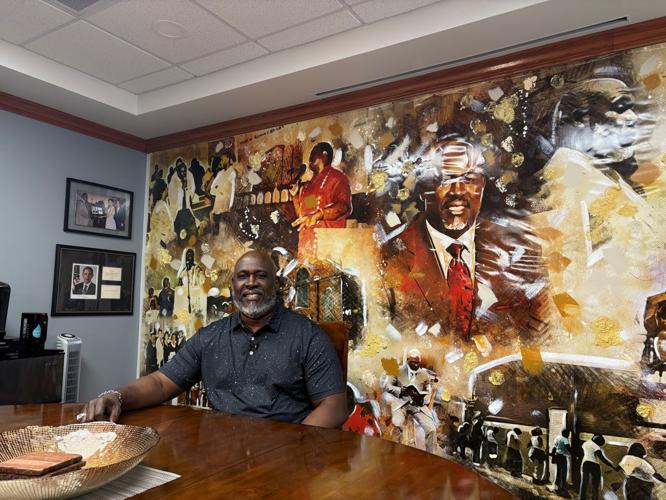
"It's going to be packed," said the Rev. Dr. F. Bruce Williams, pastor of Bates Memorial. "We have an overflow in the fellowship hall and a building across the street."
For many, this sacred service is the cornerstone of New Year's Eve celebrations, offering a time for reflection and renewal.
"Even some people who don’t know the tradition have been part of it for so long that they look forward to bringing in the new year in the sanctuary," Williams said.
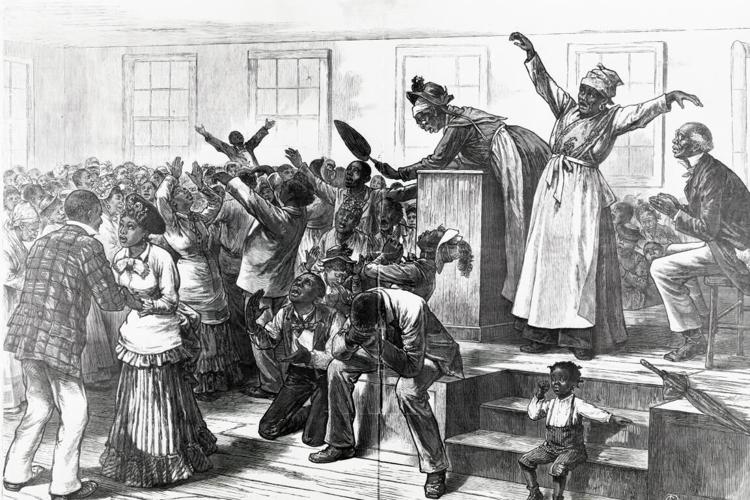
The origins of Watch Night in the Black community date to Dec. 31, 1862 -- known as "Freedom’s Eve." That night, enslaved and free Black Americans gathered in churches and homes, anxiously awaiting the enactment of the Emancipation Proclamation.
President Abraham Lincoln had issued the proclamation in September 1862, but it didn't take effect until Jan. 1, 1863, marking a pivotal step toward freedom for millions.
"A lot of people don’t realize that Abraham Lincoln issued the preliminary Emancipation Proclamation in September of 1862, but it didn't go into effect until Jan. 1, 1863," said Simmons College professor Dr. Jemar Tisby. "That's where the Watch Night service has its origin -- where Black people gathered in churches to pray, worship, sing, and wait."
For Williams, Watch Night is both a spiritual and social tradition. It serves as a call to reflect, take action, and uplift communities like Smoketown, where faith fosters resilience in the face of challenges.
"To commemorate that is to remind ourselves, regardless of the circumstances we’re in, the trouble we've got to face, the challenges that are inevitable -- that trouble doesn't last always," Williams said.
Through sermons, music, and prayer, Watch Night services at Black churches across the country honor the sacrifices of the past while embracing the promise of a brighter future.
"We need to recount this history and the integral role that the Black church plays in bringing about freedom for our people -- and all people," Tisby said.
As the choir sings and the clock ticks toward midnight, Watch Night continues to inspire with its 150-year tradition of reflection, resilience, and hope.
"Any blessings that God has for us are often on the other side of the temptation to quit," Williams said.
CLICK HERE to visit Dr. Tisby's website or HERE to follow him on Substack.
Related Coverage:
- New Year’s Eve gunfire could lead to jail time and fines, Louisville police say
- Tips to remain safe during New Year's Eve celebrations
Copyright 2024 WDRB Media. All rights reserved.


