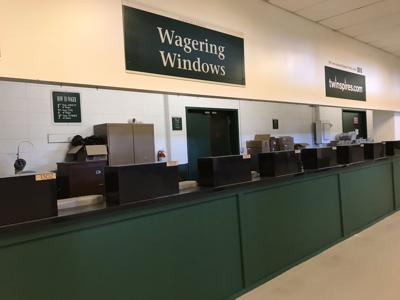



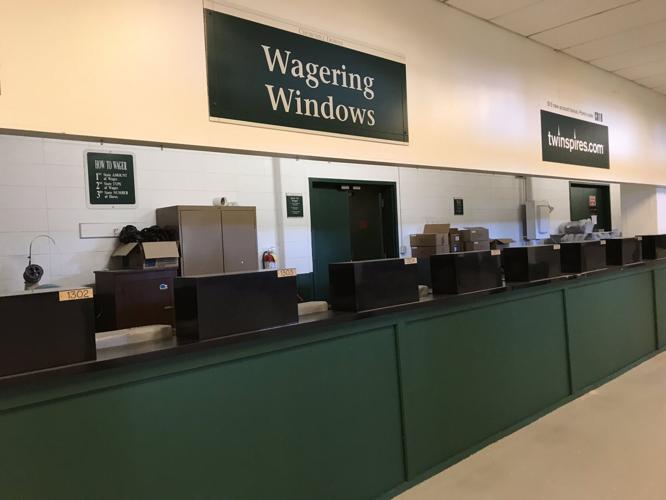
LOUISVILLE, Ky. (WDRB) -- Horse racing and gambling go together like peanut butter and jelly, and legal wagering was born at the world's best-known racetrack and sporting event.
"Wagering has always been important to the Kentucky Derby," according to Chris Goodlett, the director of curatorial and educational events at the Kentucky Derby Museum.
Aside from the straight $2 bet, there's also exotic bets like Exactas, Trifectas, Superfectas, and more. When placing in-person bets, you can cash your winning tickets right after the race.
But long before box trifectas and daily doubles, wagering began at Churchill Downs with an auctioneer, taking bids for the derby field, and awarding the winner a jackpot.
"You had an auctioneer that took all the starters, would auction them off, each person would bid and at the end of the race, the one who had the winner would get the total pool," Goodlett explained.
Things have changed quite a bit since the earliest wagers.
Since those auction pools at Kentucky Derby 1, there's been a fervent spirit within the historic racetrack that fills grandstands. Since its origin in 1875, Churchill Downs has given life to that spirit by capitalizing on competition.
"It really is kind of an offshoot of all this," Goodlett said.
You can bet your bottom dollar on this: horse racing and gambling are synonymous.
Three years after the first Derby, pari-mutuel wagering was legalized and introduced at Churchill Downs, but there was little to no interest.
"What really caught on as we get to the 1880s were bookmakers," Goodlett said.
Goodlett said that didn't work out well, however, because "the thing about bookmakers is you could get some accusations if they were friends with owners, friends with jockeys -- you could get some accusations of collusion."
Horse racing's past is filled with black eyes and scars, and the wagering system is not immune to those.
When bookmaking became illegal in 1908, it gave rise to pari-mutuel wagering, which is still in place today. It involves a tote board that displays constantly changing odds, based on the amount of money being wagered on each horse.
After bookies were outlawed, there was uncertainty.
"They really kind of panicked because they didn't know what we were going to do," Goodlett said. "Wagering is such a big part of the racing industry, and a big part of the Kentucky Derby. If we don't have that option for our fans, that's going to be a detriment to the race."
Wagering, in it's earliest forms began with this sport, and many of the early legal horse bets were placed at Churchill Downs.
Fast forward a century and a half, and sports betting is now legal in Kentucky, largely thanks to that first bet placed at the most famous racetrack in the world on Central Avenue.
"Really hits home as to how that element of the sport, and the event, is crucial to the success of the event," said Goodlett.
WDRB will have Derby Day coverage beginning at 6 a.m. on air and online. CLICK HERE to visit our page for all things Derby.
Related Content:
- Watch all the replay videos of Kentucky Derby 150 prep races on the road to the roses
- Fierceness rolls to Florida Derby win at Gulfstream, looking very much like Kentucky Derby favorite
- Resilience earns spot in 150th Kentucky Derby after Wood Memorial win
- How to place a wager at the Kentucky Derby
- Kentucky Derby betting 101: Learning the art of wagering on horses
Copyright 2024 WDRB Media. All rights reserved.


