

LOUISVILLE, Ky. (WDRB) -- A sexual assault case that's been cold for nearly two decades now has an answer, police said this week.
Kentucky State Police said in a news release Wednesday that there is now a DNA match in the case thanks to federal grant money.
"It was DNA that had been stored from the original case that was able to be tested via this grant," said Detective Trevor Welch, a KSP investigator who works cold cases such as this one.
The original case dates back to Jan. 11, 2005. KSP said a 17-year-old girl reported to LMPD that she had been kidnapped at gunpoint and raped. According to state police, DNA evidence from the rape kit was entered into the Combined DNA Index System (CODIS), but "no match was identified."
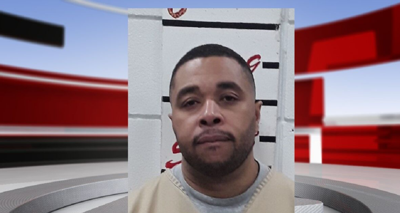
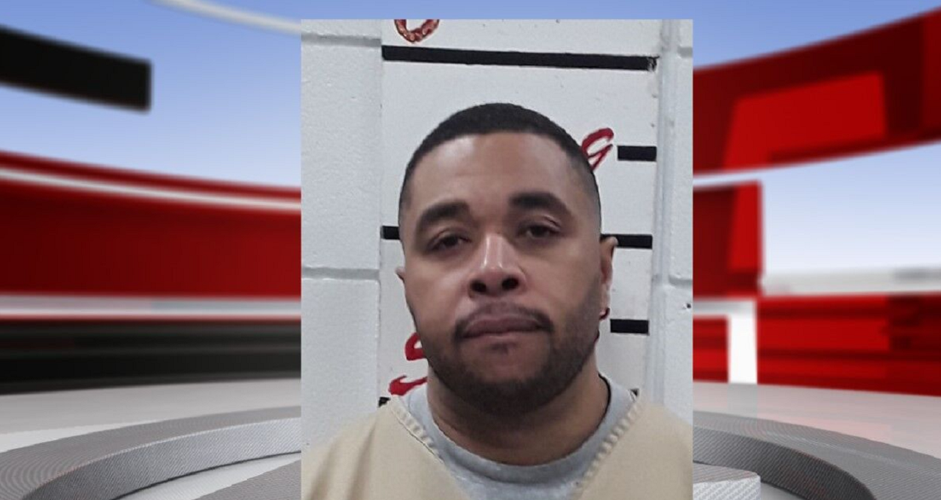
KSP said the DNA match links Robrico English to the case. English has been charged with kidnapping and rape.
"The name and the DNA came together," Welch said. "It was a completely unknown suspect."
Grant funding in July 2021 from the U.S. Department of Justice allowed KSP to form the Sexual Assault Kit Initiative, or SAKI investigative team, helping look into cold cases such as this one.
Welch said there are four detectives covering various areas of the state. He is one of two assigned to the Louisville area, which he said has the largest case-load in Kentucky.
"I have a ton of emotions wrapped up into this case," Welch said.
He said he first contacted the woman in this case several years ago.
"This victim was so happy to see us, because this case basically ruined her family life," Welch said. "Her family didn't believe her at the beginning of this case. And it just drove a wedge that's been there for 19 years. And we're bringing closure."
English is currently serving a 12-year prison sentence stemming from a 2019 first-degree robbery conviction. Court records show he has several convictions dating back to the 1990s. According to the Department of Corrections, in 1996, he was convicted of nine charges, including robbery, burglary, fleeing or evading police and more. He's spent the following stints in prison:
- Dec. 9, 1996, to Feb. 21, 1997
- April 11, 2001, to April 23, 2004
- Feb. 11, 2005, to June 5, 2009
- Jan. 22, 2010, to Dec. 5, 2017
- Nov. 26, 2019, to present
"His DNA apparently was not in the CODIS system earlier," Welch said. "Which is one of the main reasons we have the SAKI program. I mean, the more DNA samples we can get attached to a name (and) put into the CODIS system, the more crimes will be solved across the country. That's basically the point of this whole program."
According to Welch, DNA is now taken when someone goes to prison but, "it didn't use to be, which is going to lead to a follow-up of this grant. ... In the future, we plan to transition into getting lawfully-owed DNA that hasn't been collected yet."
Welch said he's currently working on several other cold cases and noted DNA testing "improves rapidly."
"What was unable to be tested before, six months from now might be able to be tested," he said.
He said this work is important because DNA testing can be expensive, and things tend to move at a rapid pace in police departments.
"Even small jurisdiction police departments, they have very few people at work, and all they can really do is keep up with the business of policing their city," Welch said. "You know, cold cases take a backseat. That's just the nature of it."
In a news release from KSP, SAKI investigator Ben Wolcott said this announcement "speaks to the unending commitment to deliver justice to victims of sexual assault, even if that justice happens decades after the crime occurred. Delayed justice is still justice served."
This particular case is worked in partnership with LMPD.
"We have a wonderful relationship, and I'm very proud to be doing this with them," Welch said.
English is scheduled for a court hearing Dec. 11.
Related Stories:
Copyright 2024 WDRB Media. All Rights Reserved.