

LOUISVILLE, Ky. (WDRB) -- "A lifelong dream for me, come true."
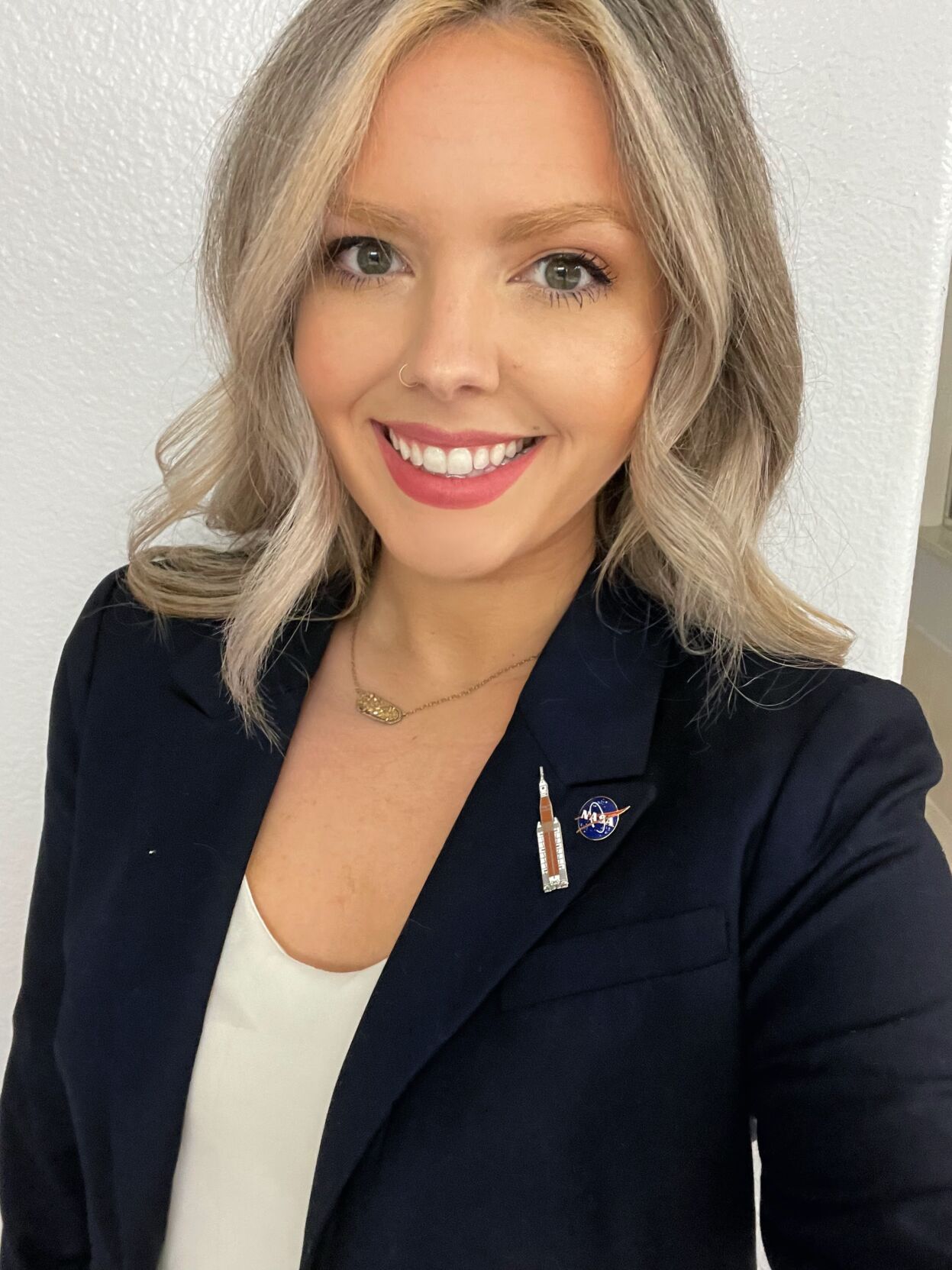
That's how 26-year-old Alora Mazarakis, a UofL Speed School graduate, describes her role as an engineer on the launch team for Artemis I, the first of a series of NASA space missions that aims to return humans to the moon, and eventually, send them to Mars.
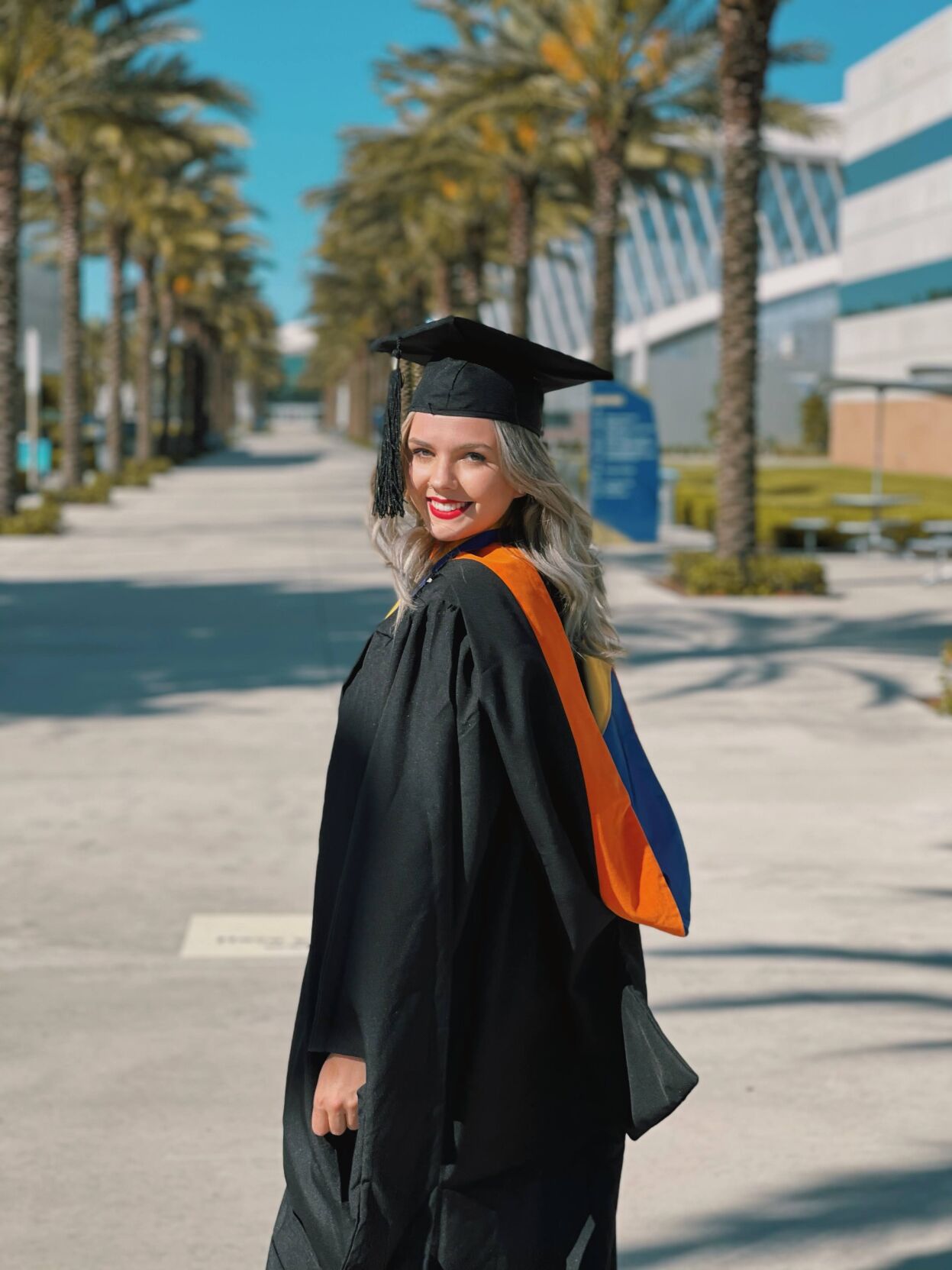
Alora Mazarakis
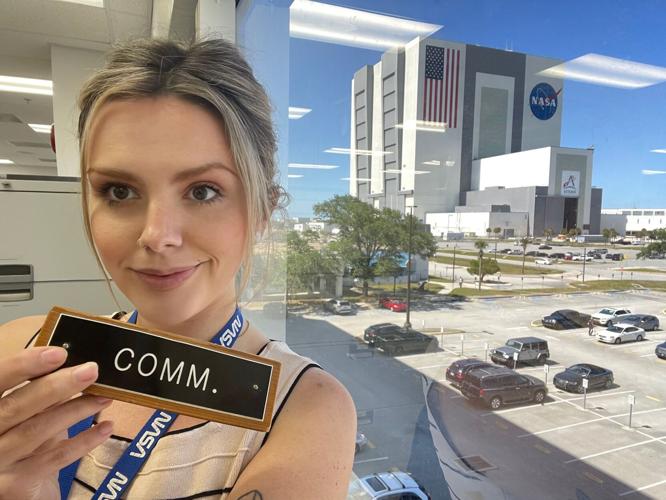
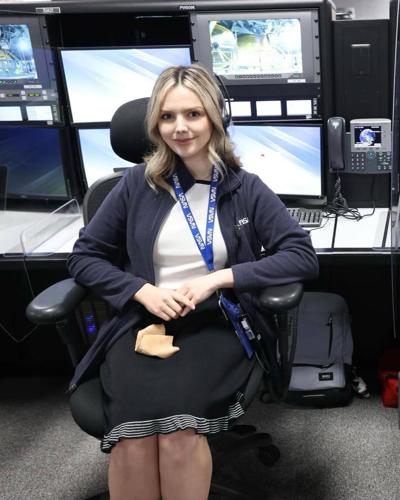
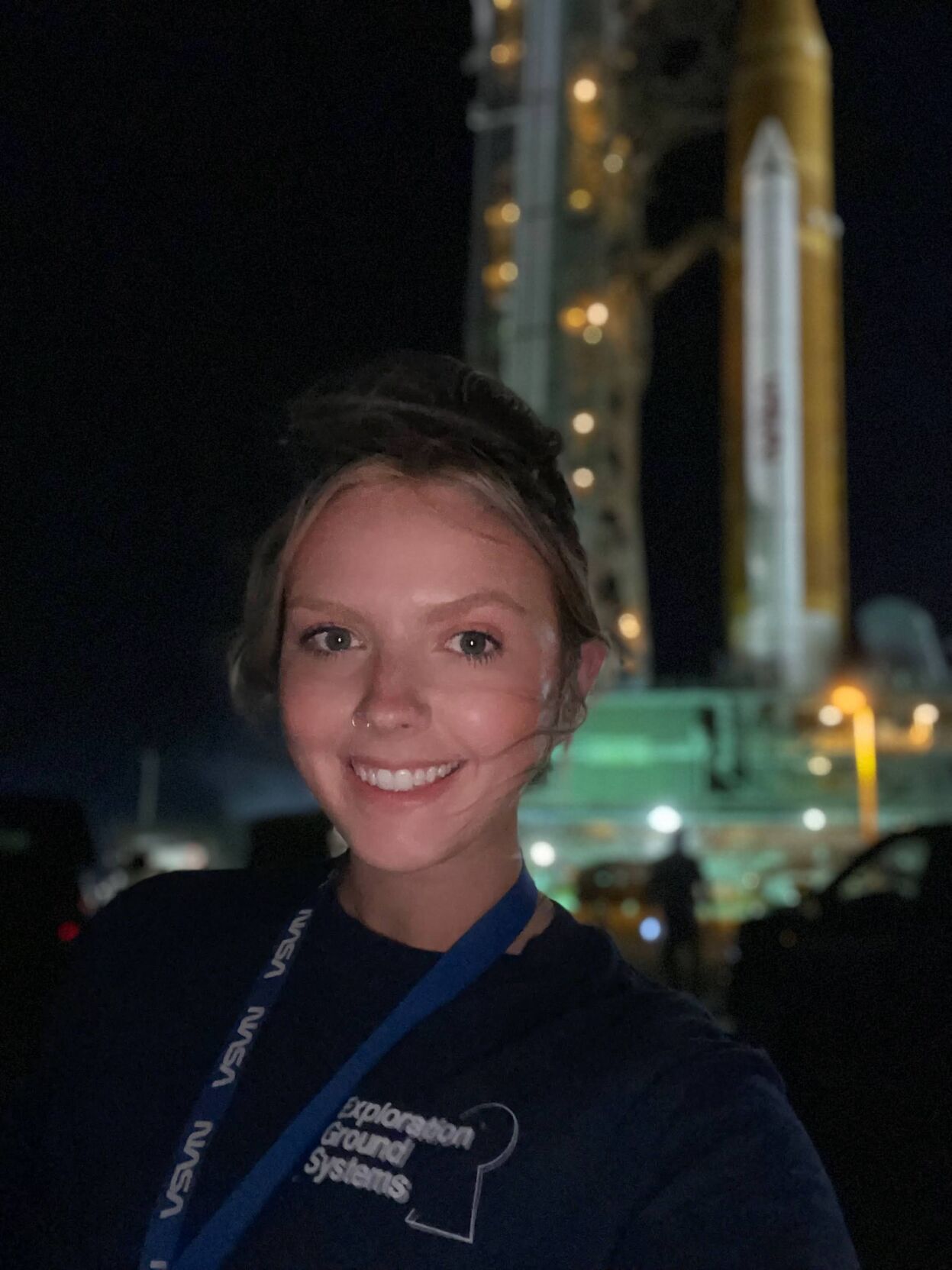
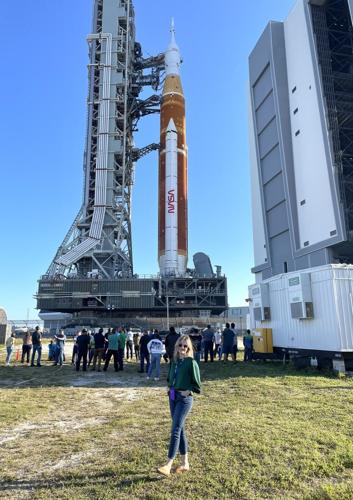
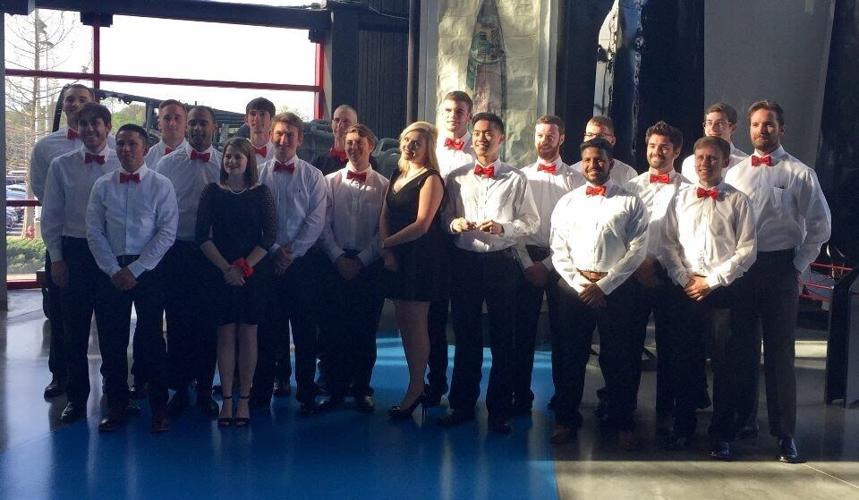
Alora Mazarakis grew up in Shelbyville, Kentucky and credits the UofL Speed School of Engineering and the River City Rocket Club for preparing her for a career as a flight communications and tracking engineer for NASA's Artemis I program. (Image provided by Alora Mazarakis)
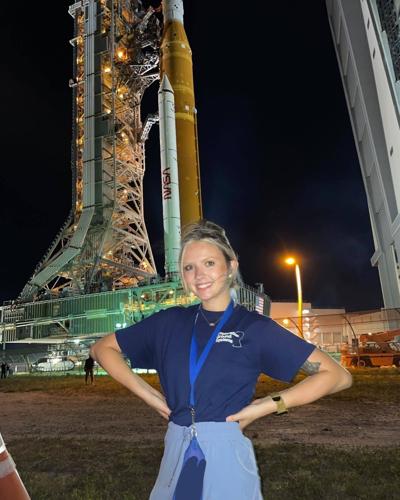
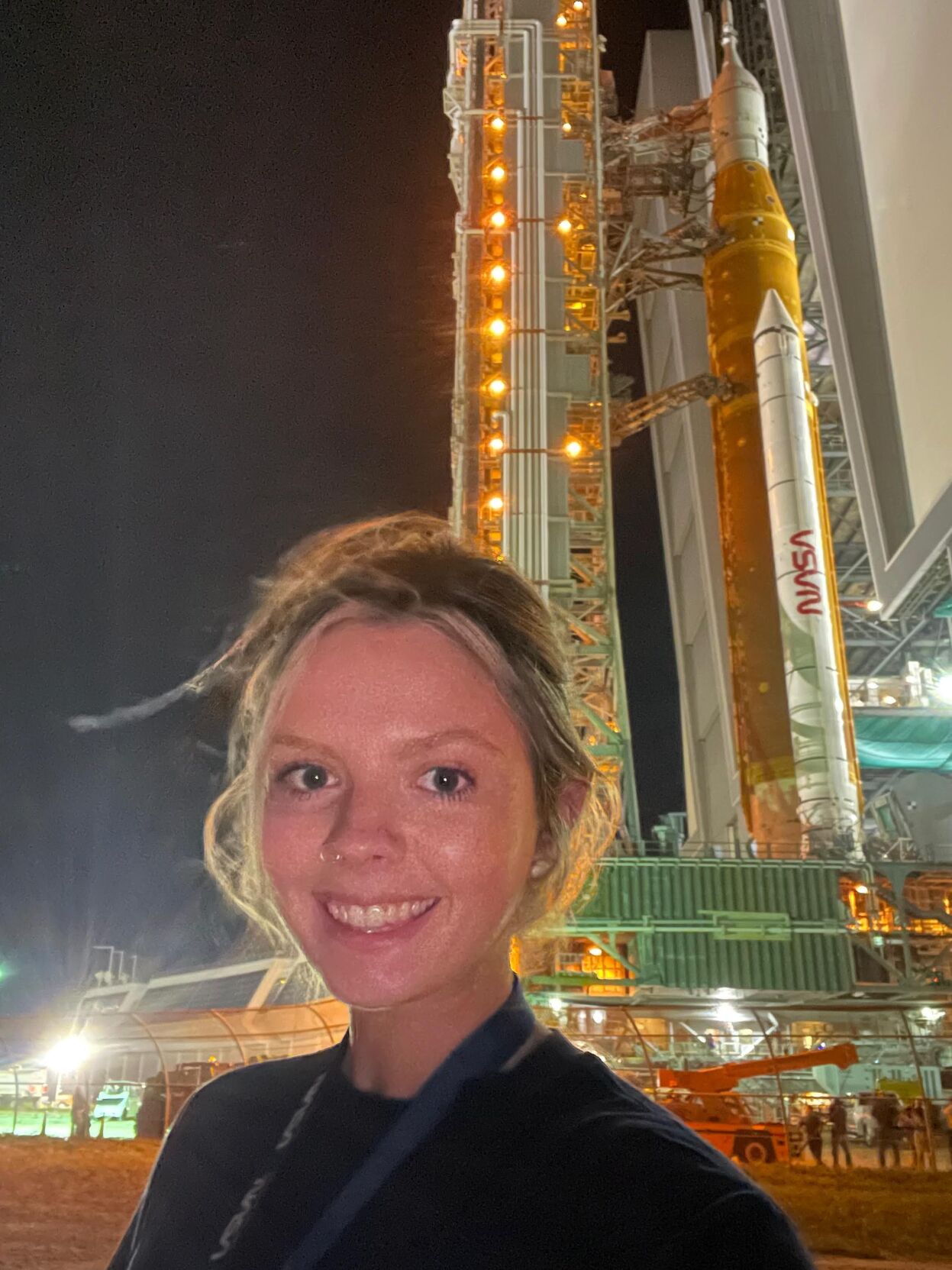
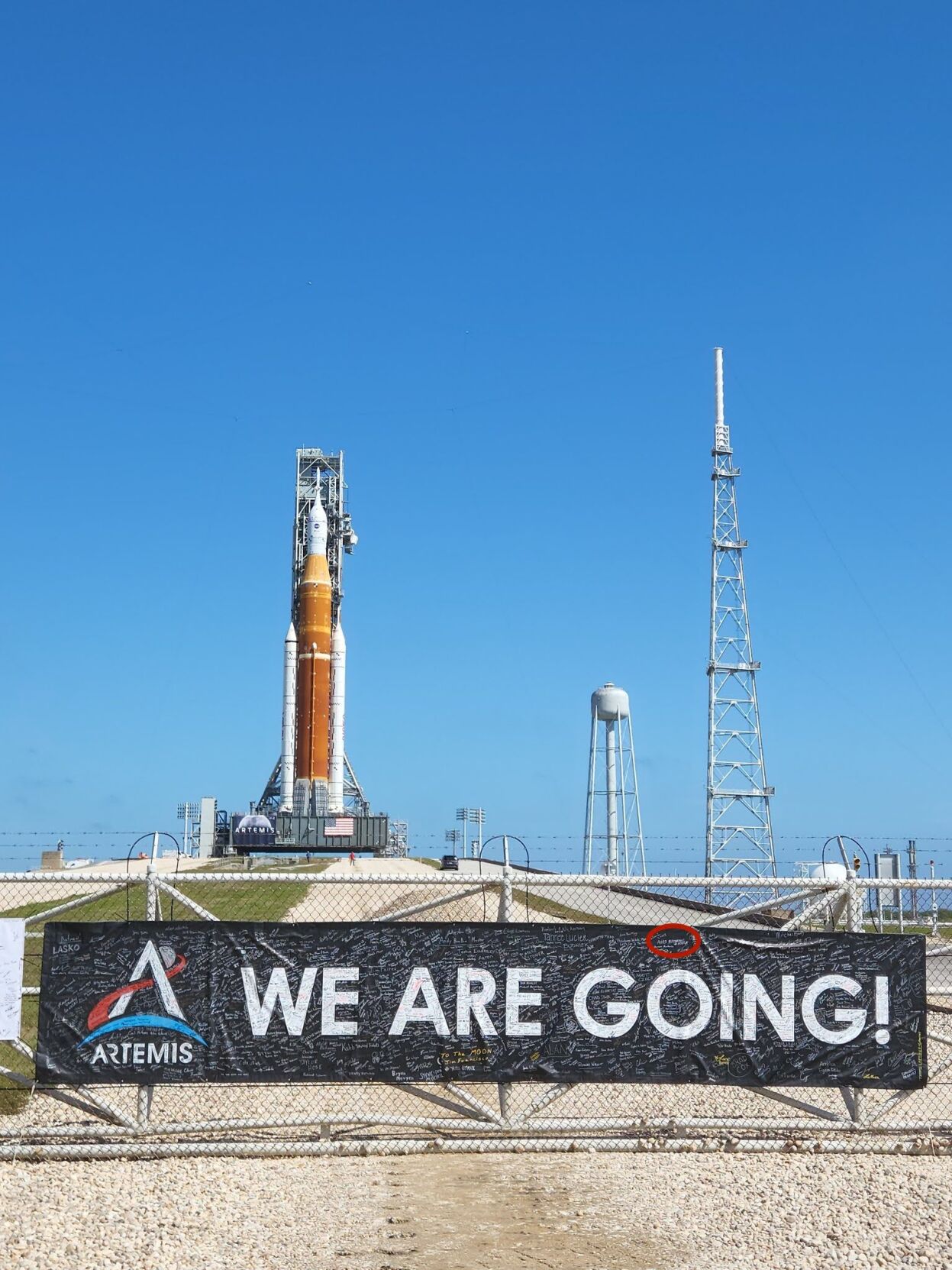
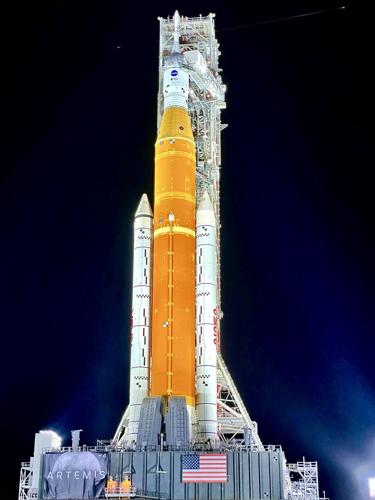
As a flight communications and tracking engineer, Mazarakis serves on a team of engineers that handles the radiofrequency communications to the antennas on the Artemis stack, which includes the Space Launch System rocket and the Orion capsule that NASA hopes will one day carry men and women to the moon.
It's a dream, she admits, she almost didn't follow. But there are three local staples in her life she credits for getting her back on course.
UofL Speed School, the River City Rocketry and Redwire Space (formerly Techshot Inc.).
"I'm a Kentucky Girl"
Mazarakis wasn't born in Kentucky. She was actually born in New York. But her dad was a pilot with UPS, and when she was in middle school, she and her parents moved to Shelbyville, where she would eventually attend Martha Layne Collins High School.
“I went to elementary, middle and high school in Shelbyville, Kentucky," she said. "I went to college at the University at the Speed School of Engineering. And even though I wasn’t born in Kentucky, Kentucky has my heart. I’m a Kentucky girl.”
With a father who flies for UPS Worldport, Mazarakis says aviation was ingrained into her childhood -— and it was "inevitable" that she would find herself drawn to an aerospace career.
"We always had aerospace-themed toys," she said. "You know, I had a pilot Mickey and a flight attendant Minnie as a kid."
Those toys led her to set her eyes on the stars early on.
“I specifically remember being 7 or 8 years old, and having a star-lit chat with my dad on our front lawn, and he would say, ‘What do you want to do when you grow up? Like, what are you thinking about?’ And I remember I told him I wanted to go to college at NASA," she laughed. "And he said, ‘Well, you can’t go to college at NASA, but you could one day work there.’"
For a while, that dream got put on the back burner, as Mazarakis forsook aviation for what she calls "the artsy route." Then her senior year at Martha Layne Collins High School, she found herself getting serious about her future plans.
"Funny enough actually, I thought that maybe it was unrealistic to want to work for NASA," she said. "Like, I thought, ‘Someone from Shelbyville, Kentucky – that’s pretty unlikely.'"
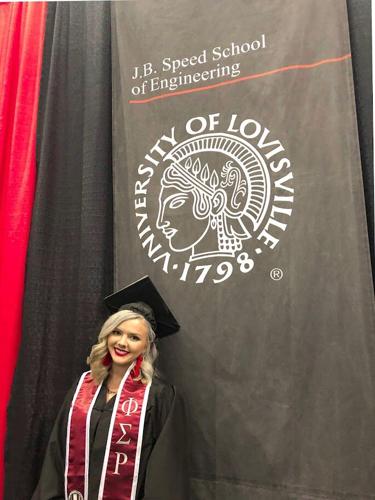
So instead of pursuing an aerospace career, she found herself in the bioengineering program at the UofL Speed School of Engineering, with the ultimate plan of becoming a dentist.
"I want to work on rocketships!"
But Mazarakis felt that pull to the stars again. She says she didn't want to work on teeth. She wanted to work on rockets.
“After about two years in bioengineering, I kind of looked at my coursework and kind of had to do a little bit of soul searching and thought, ‘What am I doing? Like, I don’t want to be a dentist. I want to work in space. Like, I want to work on rocketships – that’s what I want to do,'" she said.

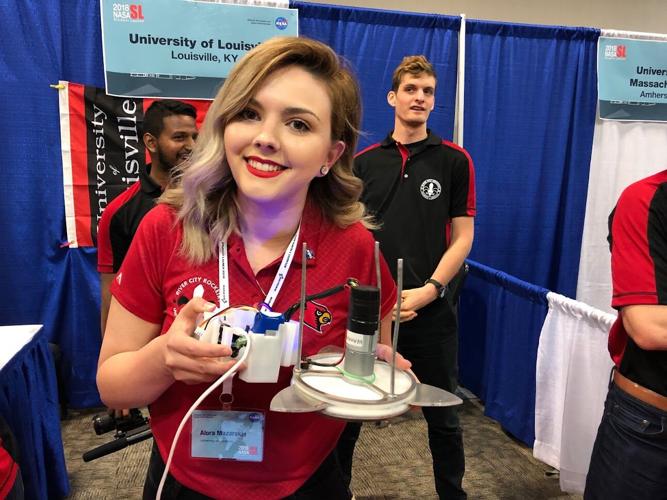
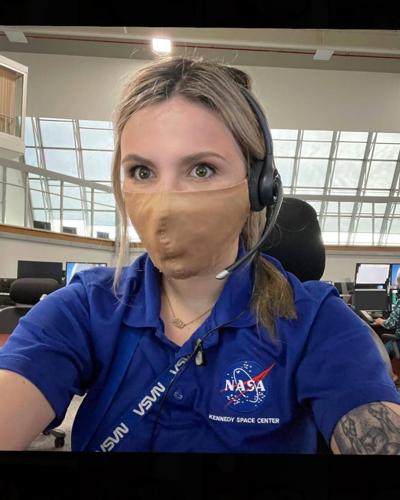
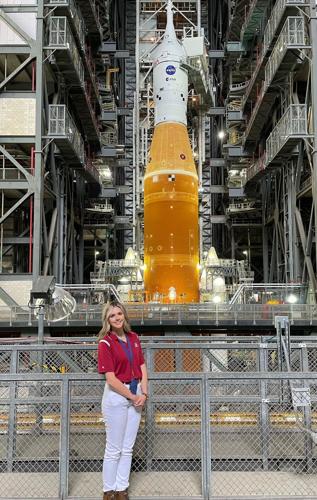
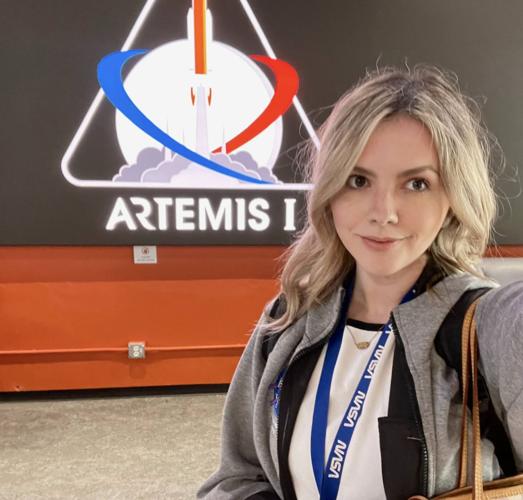
Alora Mazarakis grew up in Shelbyville, Kentucky and credits the UofL Speed School of Engineering and the River City Rocket Club for preparing her for a career as a flight communications and tracking engineer for NASA's Artemis I program. (Image provided by Alora Mazarakis)
The answer came via a circuitry class she took at Speed School — as class she admits she "fell in love with."
"It was one of the first things that I did that I felt like I was super-passionate about in engineering school that I loved and it was really, kind of what I jibed with," she said.
That class led to a "course correction" of sorts for this rocketeer. She says she quickly changed her major from biochemistry to electrical engineering — a decision many challenged because it brought her face-to-face with a course that many in engineering school dread: Differential Equations — not-so-affectionately referred to by students as "Diffy-Q."

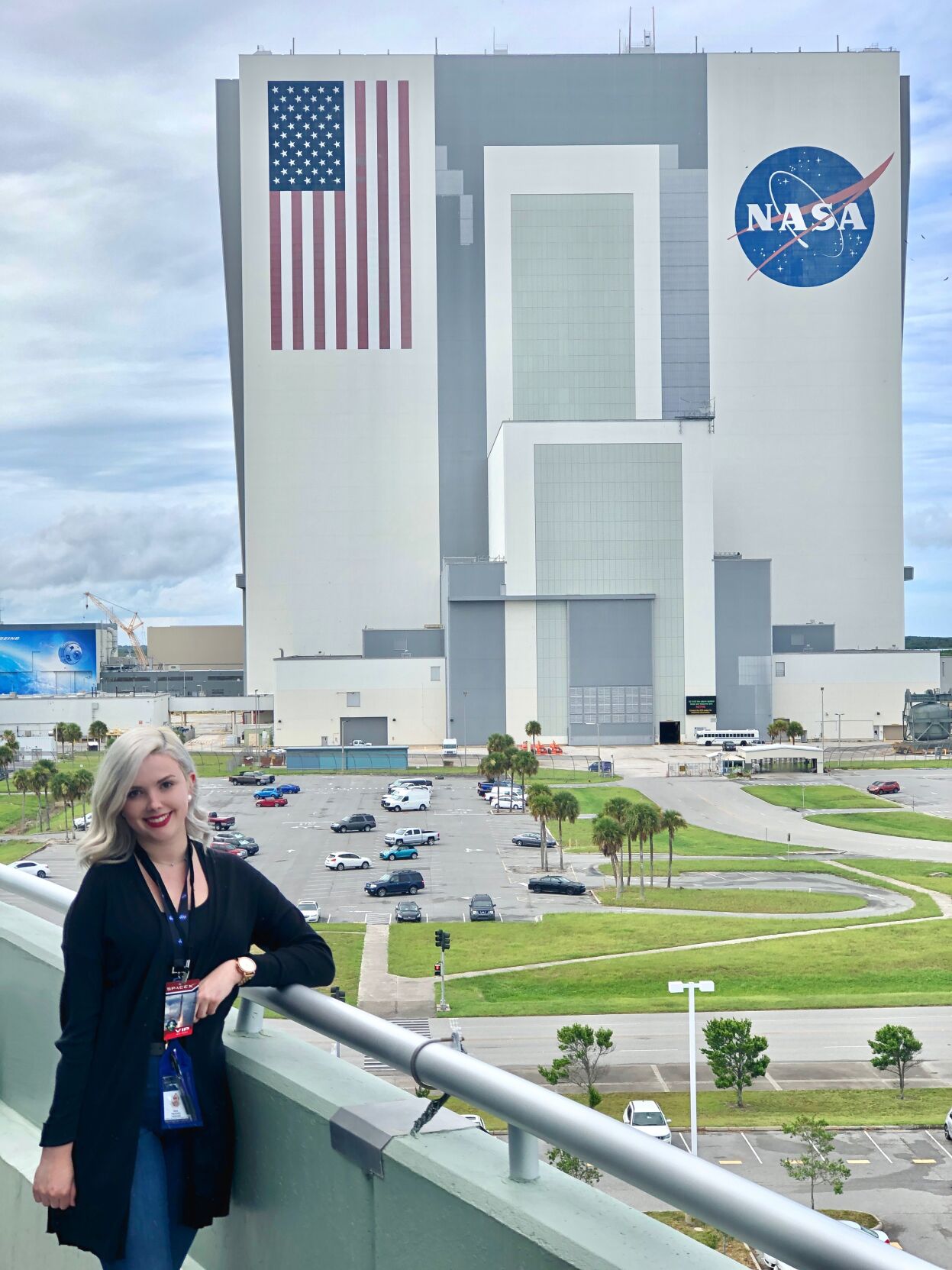
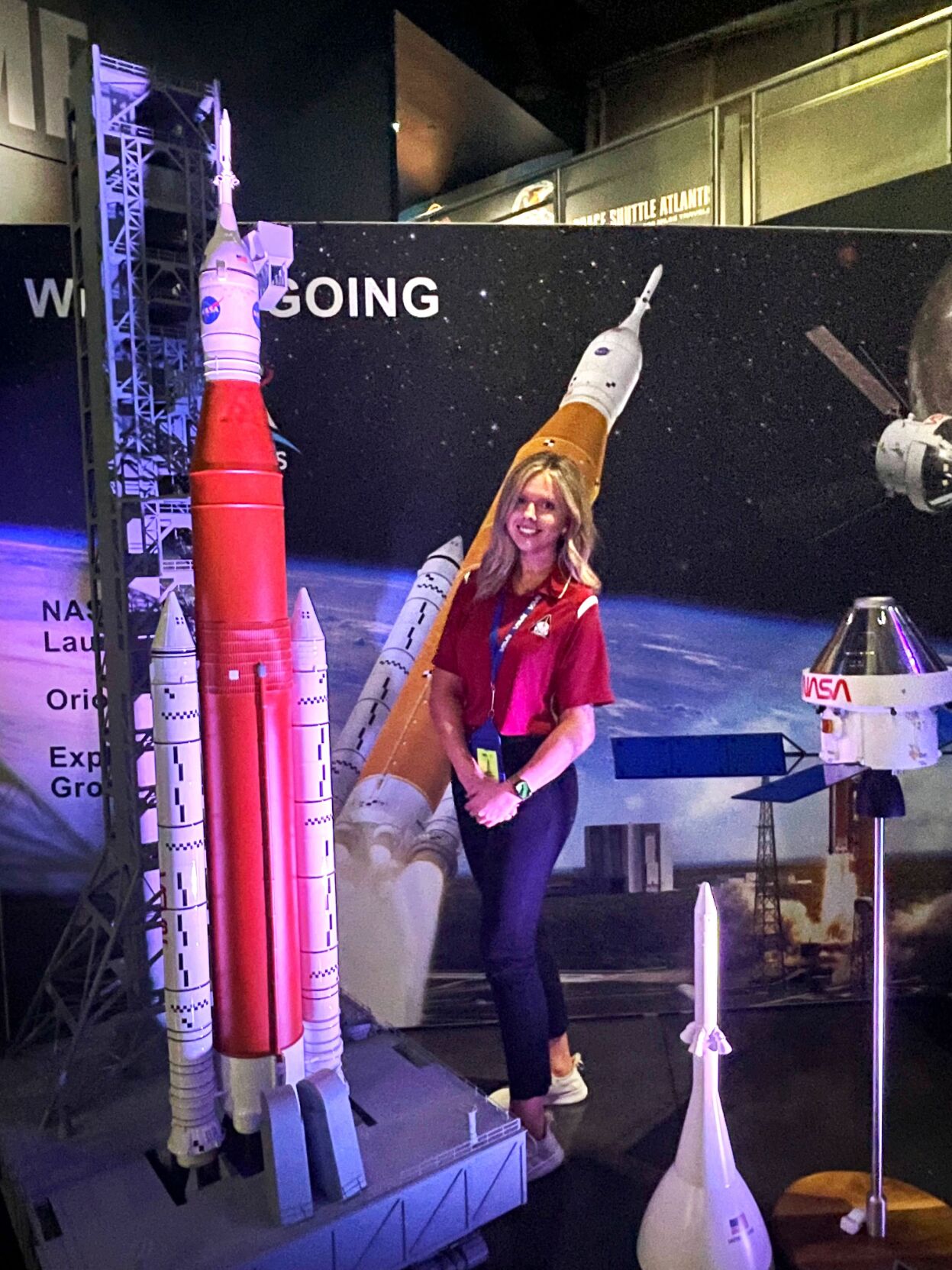
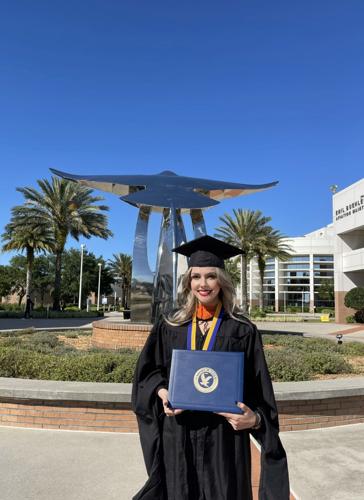
Alora Mazarakis grew up in Shelbyville, Kentucky and credits the UofL Speed School of Engineering and the River City Rocket Club for preparing her for a career as a flight communications and tracking engineer for NASA's Artemis I program. (Image provided by Alora Mazarakis)
"When I switched to electrical, everybody told me, they said, 'Are you sure you wanna do that, knowing that Differential Equations was actually your hardest course that you struggled with the most?’" Mazarakis said. "And I said, ‘You know what, let’s just do it. You gotta push through in life to get what you want.’"
That can-do attitude also led Mazarakis to join the River City Rocketry, a team of rocketeer hobbyists based out of the engineering school.
And, she adds, these rockets were not toys that came from Hobby Lobby.
"I think one of our rockets was 20 feet tall," she said. "We built a two-stage rocket that was 40 feet tall. These were really, really large rockets."
One of her roles with the team was to design and build a "variable drive system" for the rockets.
"It was basically like a smart rocket airbrake system that would take your trajectory and try to aim for a particular apogee altitude," she said. "So that was so cool."
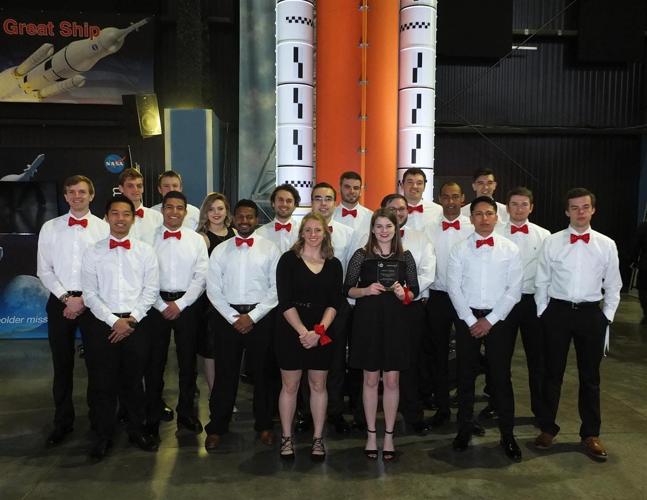
The team regularly participated in NASA's Student Launch Program — a rocket competition for college students. It was a chance for Mazarakis to work with real NASA engineers and take part in a launch review process that mirrored what happens with real space-bound rockets.
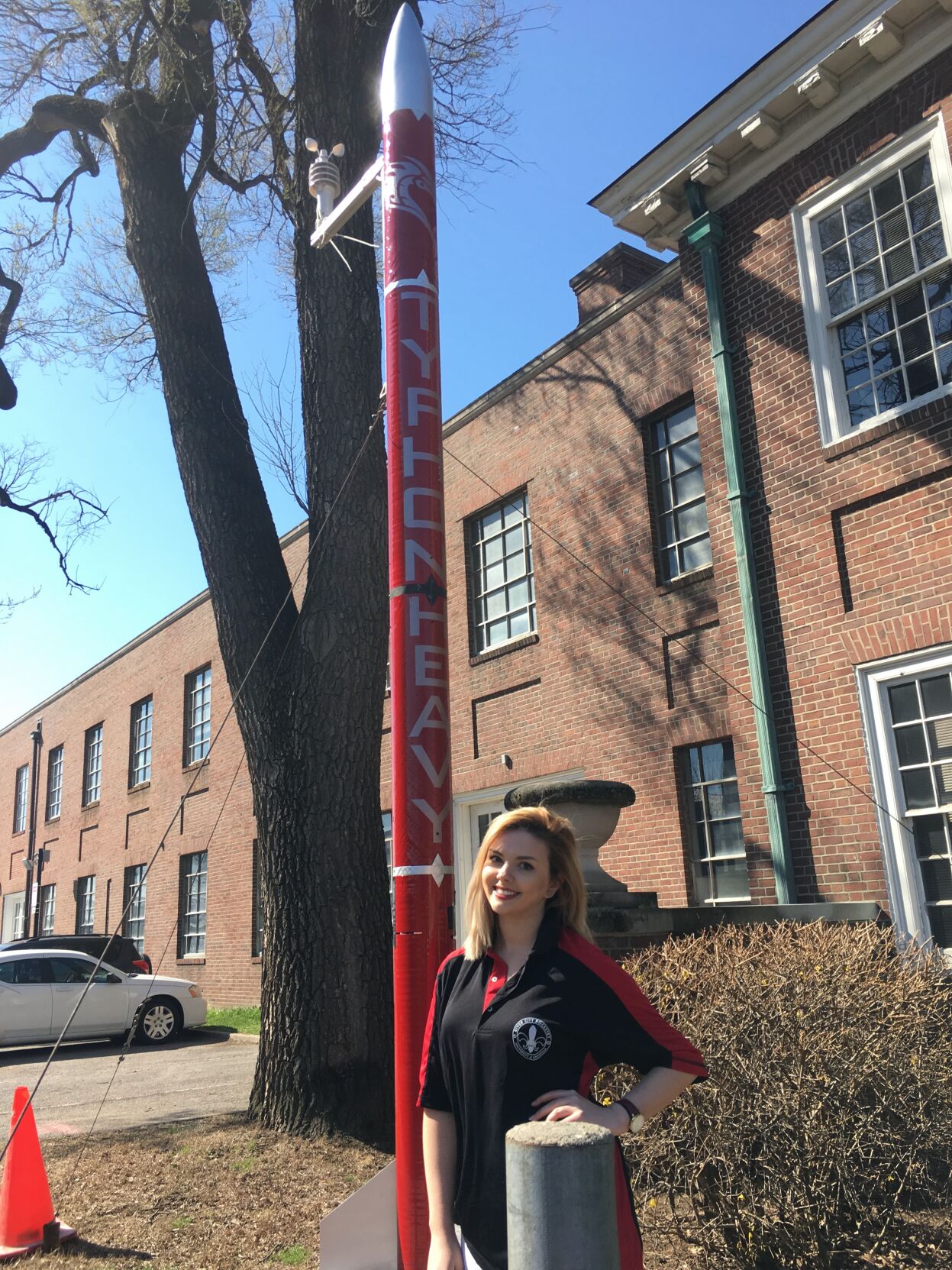
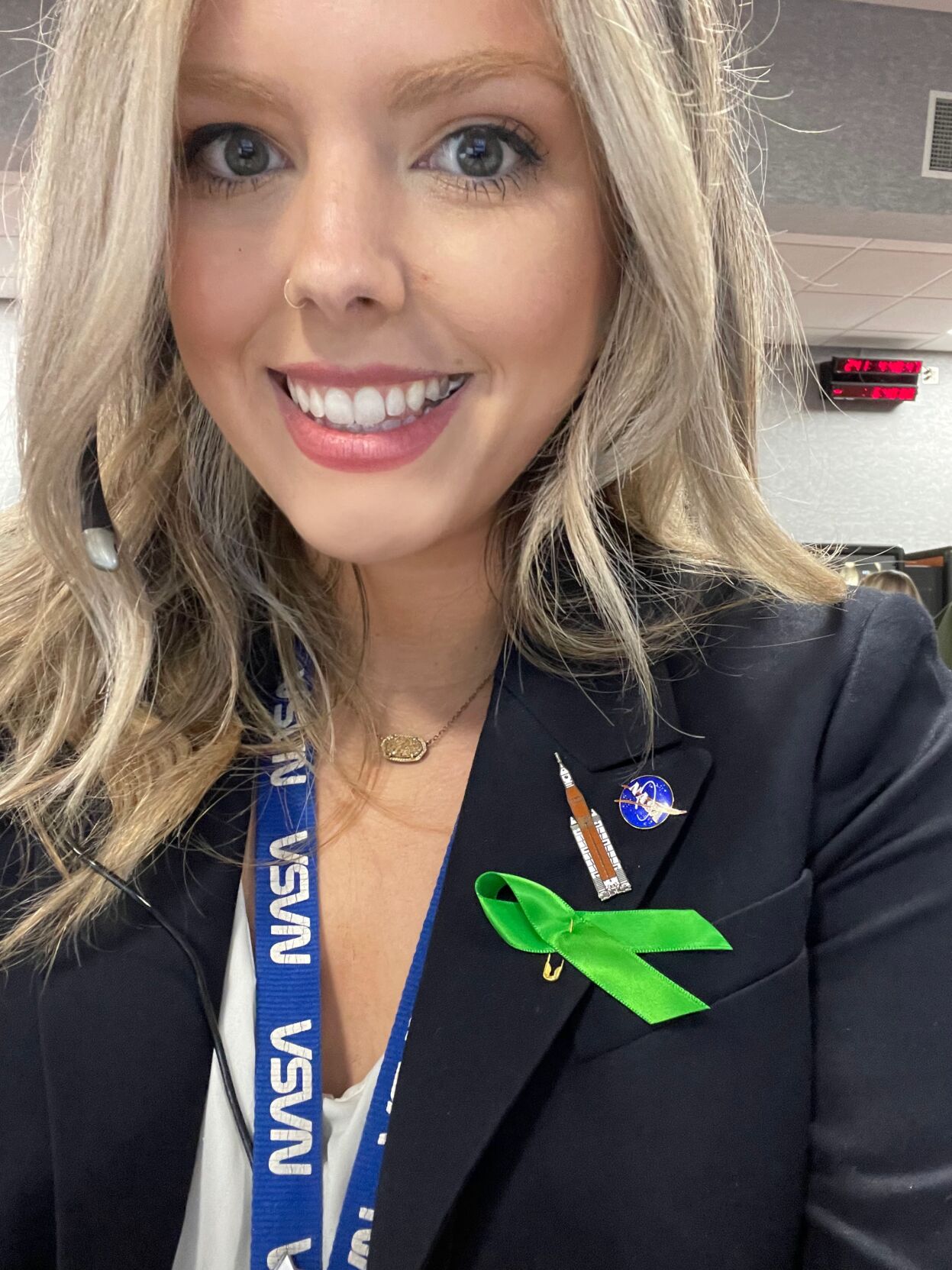
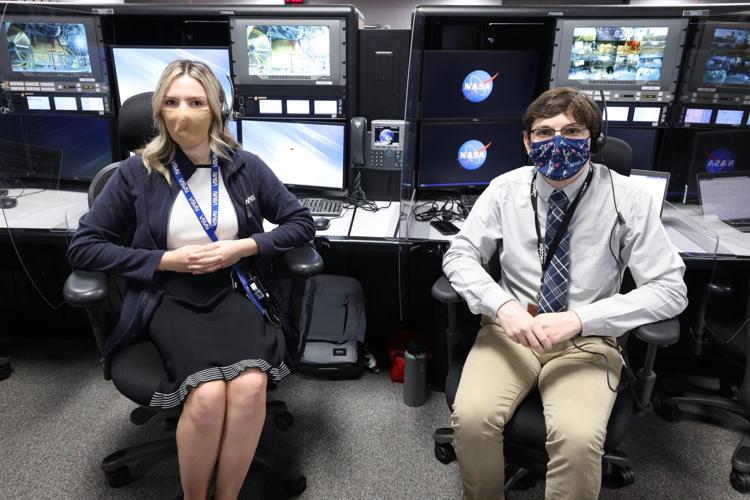
Alora Mazarakis grew up in Shelbyville, Kentucky and credits the UofL Speed School of Engineering and the River City Rocket Club for preparing her for a career as a flight communications and tracking engineer for NASA's Artemis I program. (Image provided by Alora Mazarakis)
While at an exhibit, Mazarakis met a representative of Techshot (now owned by Redwire Space, Inc.) Based in Floyd County, Indiana, Techshot was an aerospace company focused on biotechnology in microgravity, bioprinting, and on-orbit manufacturing needed for commercial space-based research and development. It's a company that regularly sent payloads to space.
Mazarakis would go on to intern there.
What followed was a Master's Degree in Radio Frequency Engineering and Avionics at Embry Riddle Aeronautical University at Daytona Beach.
And then, her dream job: a flight communications and tracking engineer at Kennedy Space Center.
"Black Magic"
That's a long job title. And Mazarakis knows people have a hard time understanding what she does. But she doesn't mind.
“I would say that a lot of people don’t understand radiofrequency engineering. As we like to say in academia and also in industry, it’s kind of black magic to most people," she said. "Just in general, I don’t think people consider the RF systems really at all."
But her role couldn't be more crucial. Mazarakis serves on a team of engineers at Kennedy Space Center who manage communications with the antennas on the spacecraft and capsule up until launch, when control of the spacecraft is turned over to "Fight Operations" at the Johnson Space Center in Houston.
"Once we launch...there is no way to communicate to the ground except for through antennas," she said. "Once it’s on the launch pad, it does talk though umbilical, and optical fiber, and it also talks through RF. But once the rocket launches, the antennas are all we got."
It's a role that requires her to be at her station several hours before launch time: 6 hours and 40 minutes, to be exact. That can make for a hectic schedule.
“All of my friends on my Snapchat and things would be laughing because I’m always sending them things at 3 o’clock in the morning," she laughed.
She says the pace picks up months before a launch.
"The whole entire NASA launch team is working around the clock," she said. "And I mean around the clock, to prepare this for launch. I mean, they’re starting tests at 2 o’clock in the morning. There is no break for weekends, for sleep, for Sundays — I mean everybody is go, go, go all the time."
"For instance, yesterday, they let me know at 1 p.m., like, ‘Hey, do you wanna go in for this test at, like, 2:30 in the morning? We need somebody to be in. Do you wanna go in?’" Mazarakis said. "And I said, ‘Sure, I’ll go in.’"
In some cases, that might mean arriving at her station at 10 p.m. for a launch that is scheduled to go at 8:33 a.m. the next day. And she says she isn't above bringing a camping mattress and sleeping under her desk after a high-profile launch, where public interest means her one-hour drive home might turn to 6 hours, due to traffic.
“You gotta be there really early and you gotta be ready to come home really late," she said. "But it’s all part of the camaraderie. You know, I don’t mind. I’m not complaining. I love that everybody comes out and I’m excited to see all the public.”
"Safety First"
At the time of this writing, the flight of Artemis I has been scrubbed twice in one week. On Monday, the 8:33 a.m. launch was canceled due to various leaks that were discovered in the rockets fuel and coolant systems. A hydrogen leak was to blame for the scrub of Saturday's planned launch.
NASA is still debating the planned time for it's next attempt.
Mazarakis says everyone is disappointed when a launch scrubs, but NASA prioritizes safety over everything else.
“Obviously there’s a lot of pressure to launch," she said. "And it’s not just pressure from the audiences and the people who came out to launch and all of the crowds, but I think also there’s a little bit of political pressure from the program, and there’s financial pressure because every time we have to scrub, it’s a dollar sign. But we learned back in the shuttle era with Challenger and Columbia that the utmost important thing is safety and readiness."

Alora Mazarakis grew up in Shelbyville, Kentucky and credits the UofL Speed School of Engineering and the River City Rocket Club for preparing her for a career as a flight communications and tracking engineer for NASA's Artemis I program. (Image provided by Alora Mazarakis)
NASA, she said, will always err on the side of caution.
“I think that maybe the public, actually, is more disappointed when we have to scrub than the launch team is, because we know that it’s a very real chance," she said.
"A little girl from Shelbyville, Kentucky"
Whenever Artemis I launches, Mazarakis knows she is a role model. She knows there are little girls who will be watching the launch — little Kentucky girls — and she wants them to follow their dreams.
“I love to quote this: ‘Ad Astra, per aspera.’ That’s our motto: To the stars, despite adversity, basically. There are not a lot of women in engineering, and there are not a lot of women in the firing rooms," she said.
"Don’t let that deter you," she added. "You can do anything that you want to do. I was a little girl from Shelbyville, Kentucky, who almost didn’t follow my passion of space because I thought that it was so out-of-reach, even in college. And that is so not true. You can achieve anything that you want to."
It's a lesson she says she learned from history — from the ghosts of engineers who came before her, who still walk the halls of Kennedy Space Center.
“I love to look back at the Apollo era launch control center room," she said. "There was one woman in the room. Just one. And on the nights where I feel tired, or it’s been a long day, or I have to wake up at 10 p.m. the night before to go into launch the next day, you just remember, like, ‘Who was sitting in the seat that I get to sit in?’ Historical, amazing engineers — amazing figures. That woman who was sitting there? I’d like to think that she’d be really, really proud that I’m sitting there now. Another young female kind of doing the same thing."
"And to all the 8-year-old girls who love NASA who are interested in the moon, when it’s you one day, and I know it will be you," she added. "I’ll be really proud of you too."
Copyright 2022 by WDRB Media. All rights reserved.


