

LOUISVILLE, Ky. (WDRB) -- Professors who teach critical race theory in Louisville believe misinformation is driving some of the controversy surrounding it.
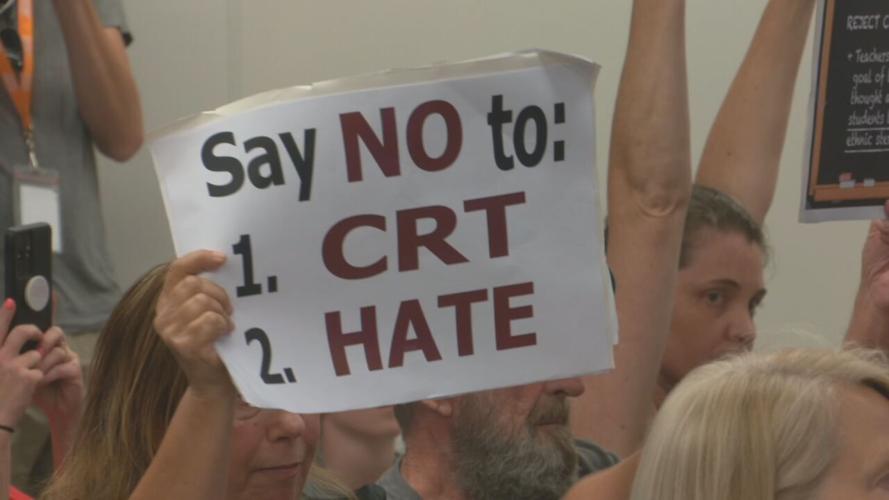
Tempers flared over critical race theory at Tuesday's Jefferson County Public School Board meeting, even though it wasn't on the agenda nor in the district's curriculum, prompting several protesters to get kicked out of the board's public work session.
"No critical race theory! No critical race!" part of the group shouted.
"It's a shame what you're doing to the Black community!" Ruth Ann Shumate-Reed yelled, pointing at the school board before leaving the room.
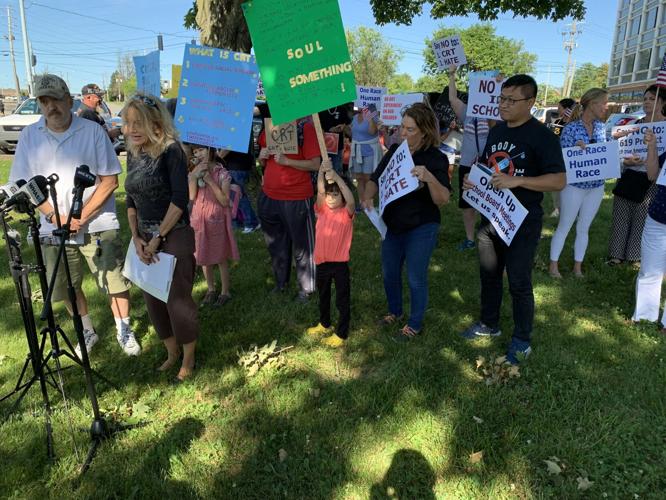
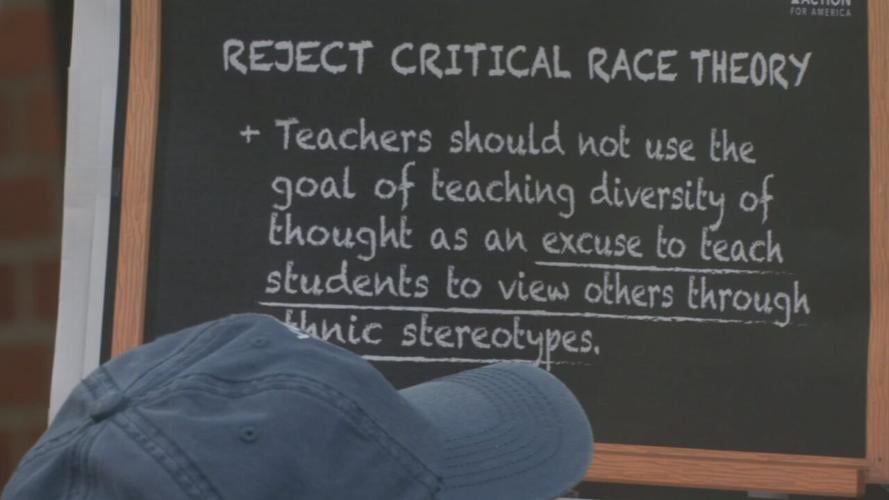
Before the meeting, Shumate-Reed told reporters: "Critical race theory is a Marxist theory ... If you’re a Caucasian male, you’re an oppressor. That goes totally against the Constitution.”
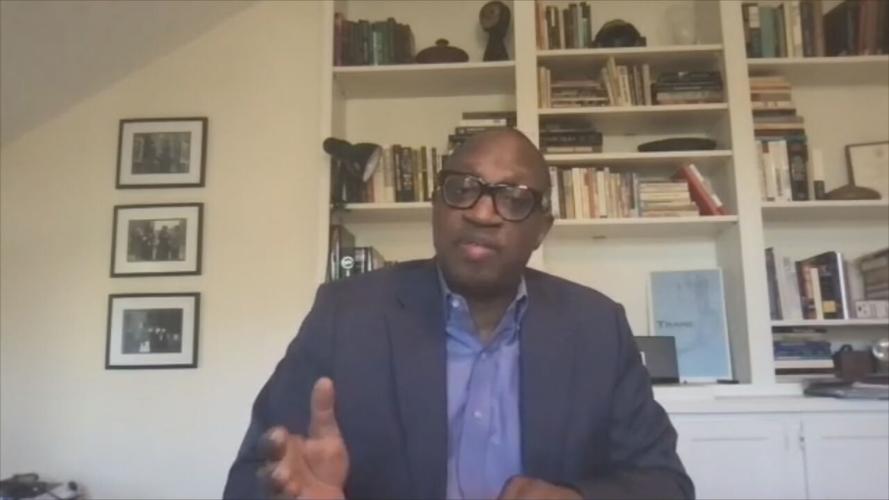
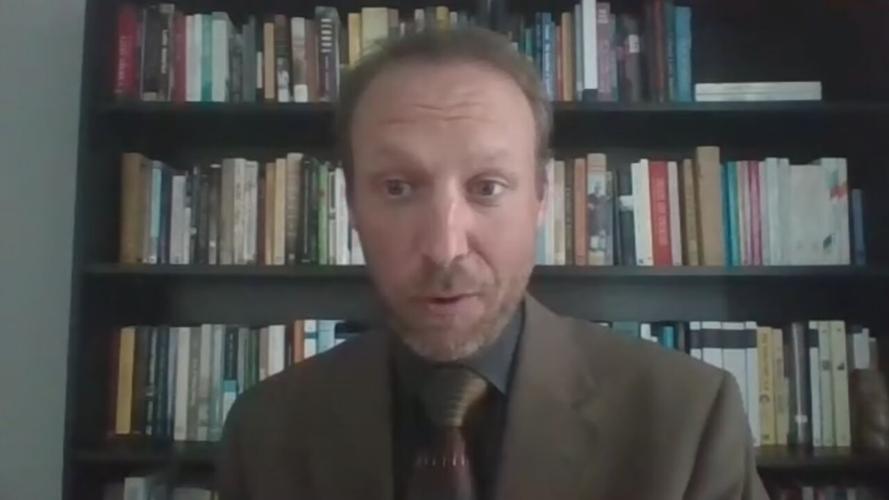
Law professor Cedric Powell, who teaches critical race theory at the University of Louisville, called some of the footage he saw from the meeting "disturbing."

Cedric Powell
"I think there's a lot of ignorance about what critical race theory is," he said. "We need to get away from these catchphrases that 'You hate America,' or 'You are a Marxist,' or 'It's an example of extreme wokeness and we hate all white people.' We're not saying that at all."
Critical race theory, or CRT, is an academic concept that is more than 30 years old and examines the impacts of institutional racism.
"Critical race theory does not look at individuals as racist," Powell said. "It looks at systems of oppression and tries to unpack and analyze those."
Powell said he has his students compare the 1619 Project with the Trump administration's 1776 Project to understand both sides of American history.
"People want to live a particular version of United States history, free of conflict, free of racial tension, a fairy tale," he said. "That is a fairy tale for some people but not others."
Quinn Dauer, an assistant professor that teaches history at Indiana University Southeast, pointed to the benefits of expanding historical perspectives from marginalized groups.

Quinn Dauer
"The ways in which historians interpret the past changes over time because people bring new questions," Dauer said. "We're bringing more perspectives to the table, so that makes a richer history. It makes a more accurate and inclusive history."
"I think a lot of people think if we ignore race, and we ignore racism and the structural impact of racism, that we will be able to move forward," Powell added. "But we cannot fully move forward until we recognize the history of this country, and that's what critical race theory tries to do."
Copyright 2021 WDRB Media. All Rights Reserved.