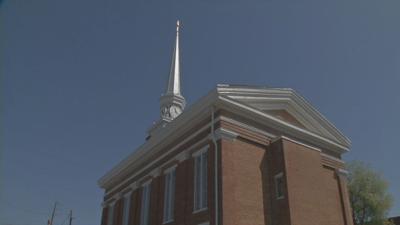
LOUISVILLE, Ky. (WDRB) — Historic Black Churches in the United States are getting another financial boost.
On Monday, the National Trust for Historic Preservation's African American Cultural Heritage Action Fund announced it is granting $4 million to 31 historic Black churches across the U.S.
This is the second round of the Preserving Black Churches grants. Since beginning the Preserving Black Churches initiative in 2022, the Action Fund has given more than $9.8 million in grants to more than 80 historic churches nationwide.
“Black churches have been at the forefront of meaningful democratic reform since this nation’s founding," Dr. Henry Louis Gates, Jr., historian and advisor to the Action Fund, said in a news release. "They’re a living testament to the resilience of our ancestors in the face of unimaginably daunting challenges. The heart of our spiritual world is the Black church. These places of worship, these sacred cultural centers, must exist for future generations to understand who we were as a people.”
This year, these three historical churches in Indiana and Kentucky were chosen for the Action Fund grant:
- The Town Clock Church in New Albany, Indiana, now the Second Baptist Church, was built in 1852 as the Second Presbyterian Church and was a station on the Underground Railroad. According to oral historical claims, fugitives hid in the basement, and would escape through a tunnel that led to a hotel across the street. The grant will help fund important maintenance to ensure the 2014 restoration and preservation process withstands the future.
- St. Paul AME Church in Lexington, Kentucky opened in 1826 as a place of worship and refuge. According to oral claims, the church was a sanctuary for enslaved people escaping slavery. The grant will help the church's restoration project.
- St. Paul Methodist Episcopal Church in Augusta, Kentucky, which is about 50 miles south of Cincinnati, was originally build by freed Black man and brick mason John Pattie, and was completed in 1894. In 1976, saving it from demolition, a local couple bought the building, and it has remained vacant since. The grant from the Action Fund will support the church's rehabilitation process, transforming it into a new Emancipation Heritage Center.
Copyright 2024 WDRB Media. All Rights Reserved.


