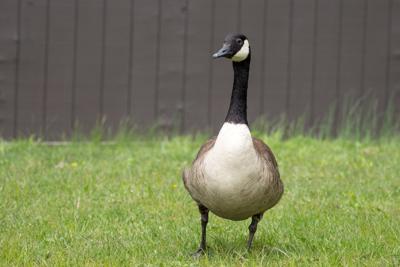


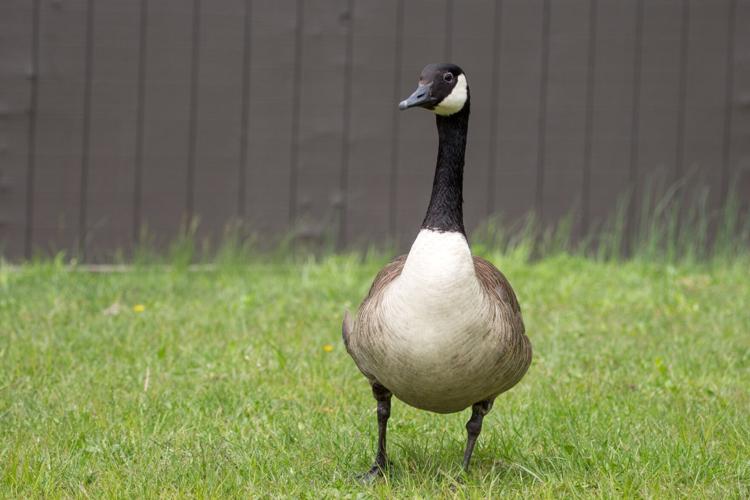
LOUISVILLE, Ky. (WDRB) -- Canada goose nesting season begins in late February, and wildlife officials in Indiana said early prevention can help property owners avoid problems later in the year.
The birds often settle near ponds, lakes and other bodies of water surrounded by short, well-maintained grass. Experts said neatly mowed lawns provide geese with an ideal place to feed and raise their young.
Nonlethal hazing techniques are among the most common deterrents.
These methods use scare tactics rather than physical harm and can include spraying birds with a garden hose, placing visual deterrents like coyote decoys or using auditory devices such as distress calls.
Because geese can quickly adapt, wildlife experts stress the importance of consistency. Hazing should be used regularly for at least two weeks to remain effective.
Installing fencing before nesting begins can also help. While barriers will not stop geese from flying onto a property, they can prevent birds from easily moving between grassy areas and nearby water.
Officials also warn providing supplemental food, including bread or bird seed, can attract geese and encourage them to stay.


