

LOUISVILLE, Ky. (WDRB) -- Everyone needs to care for their mental health, but not everyone in Louisville has the same access to services.
But a therapist with Norton Healthcare aims to help change that.
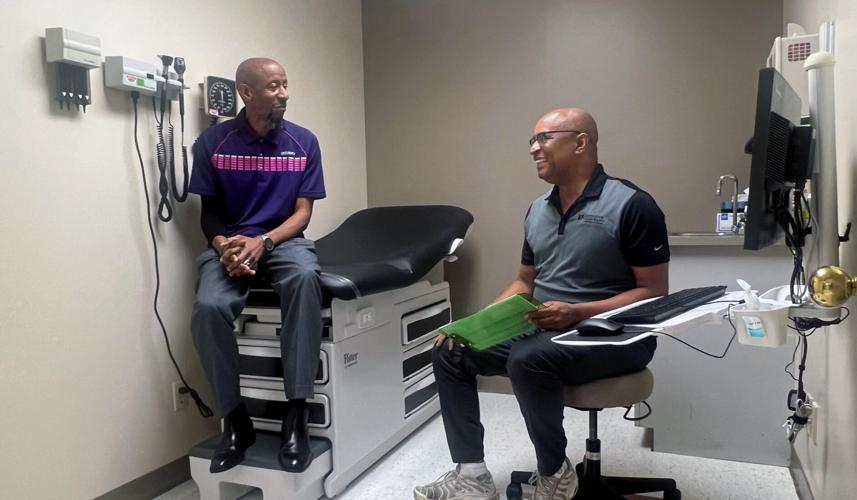
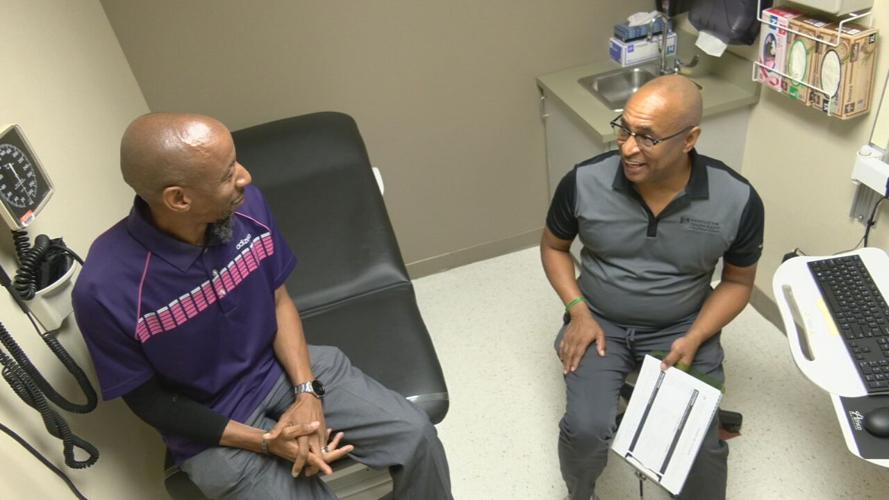
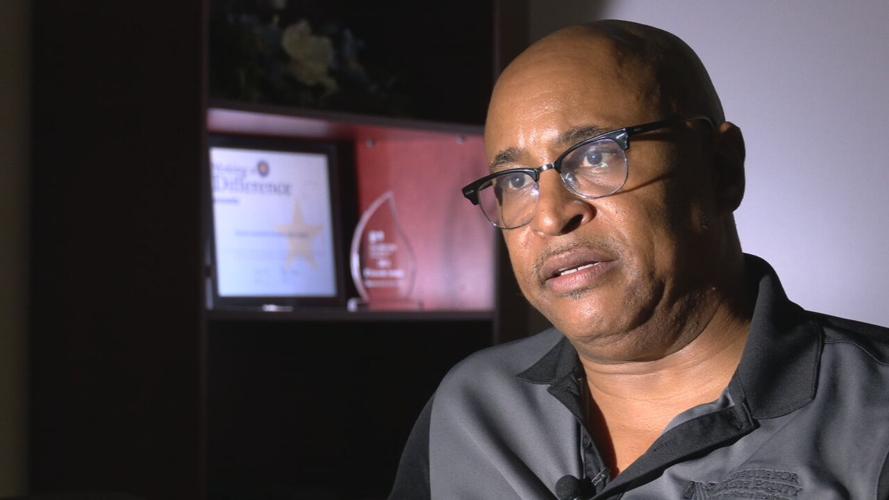
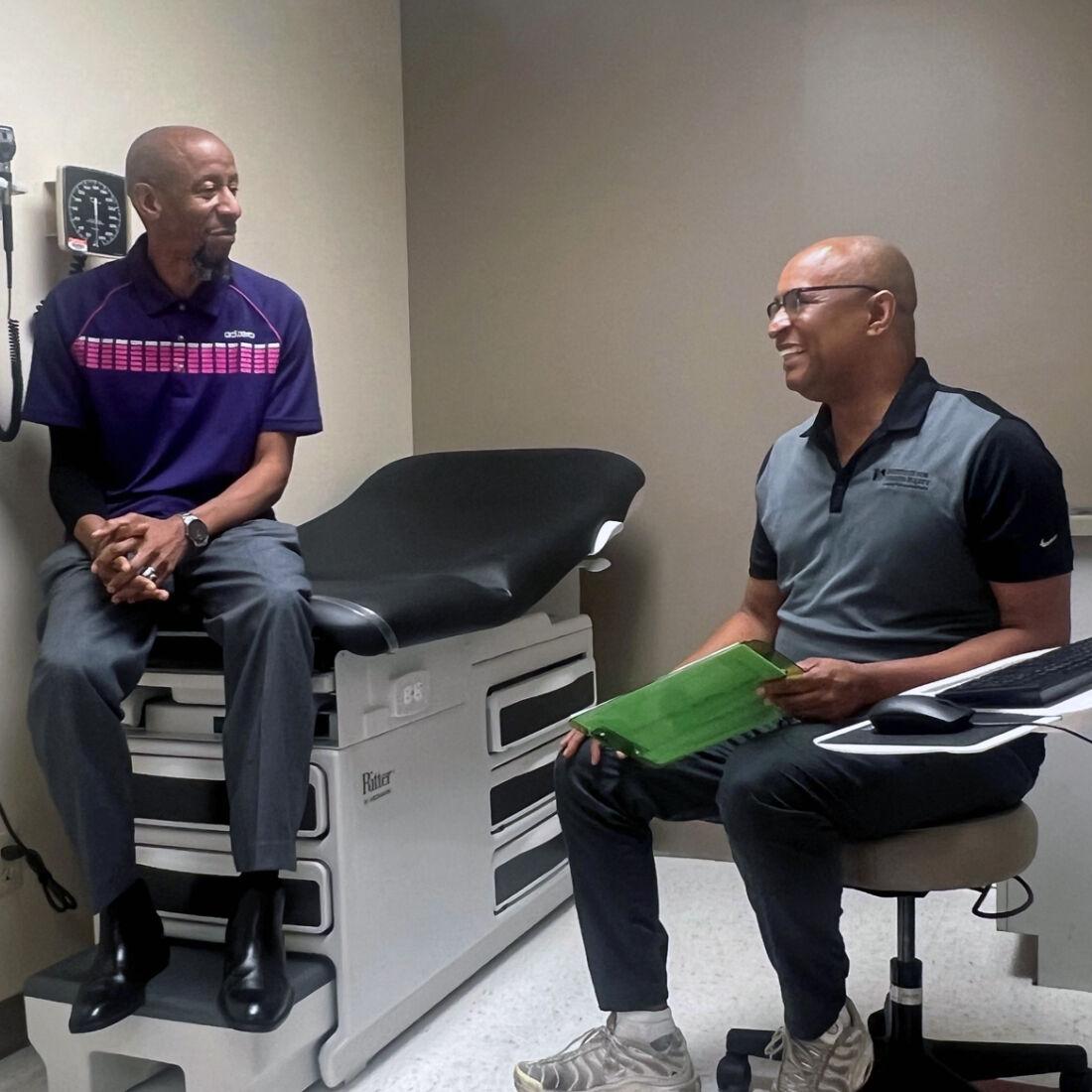
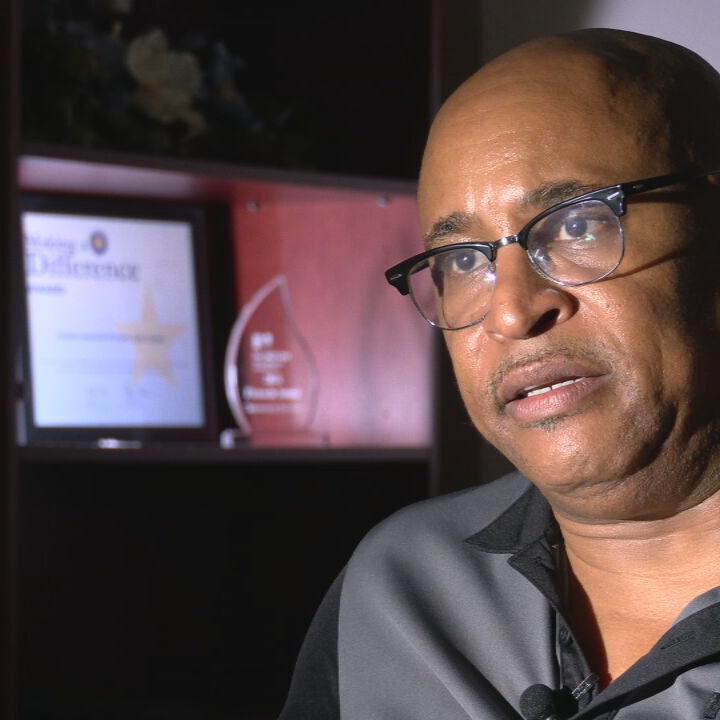
Jonathan White is a therapist with Norton Healthcare who hopes to be part of the solution. Born on Louisville's west side, he said he knows what it means to have disadvantages, but it hasn't changed his love for the people he grew up with.
"I live in 40212 and I love it," he said. "I love my community. From my lens, I don't see the negativity everybody sees, I see opportunity: opportunity for investment and opportunity for growth."
White said as he grew up, he learned to understand the impact poverty can have on other aspects of one's life, such as their mental health and ultimately the decisions they could make.
"I always would see good people make one decision that had all these adverse outcomes," he said. "I came to understand poverty and the influence of that. Also, recognizing that systems aren't always equitable. I'd see people that were designed to help and actually were doing something counterproductive."
White said that's why he decided to become a therapist in the first place. He now works with Norton Healthcare to help break down mental health barriers in minority communities.
"I had a 70-year-old patient come into my office and he was surprised I was Black. He was looking around and said I have never seen a Black person in the front seat before," White explained. "That helped break down stigmas with him and we started talking about how we've grown and he was able to open up and share some very personal things he hadn't shared with anybody."
Kary Goff is 56 and has been seeing White for two years.
He said he first realized he needed to seek help after losing his mom during the pandemic and testing positive for COVID-19 himself.
"I always felt like I could battle through storms on my own and I kind of finally realized things I was doing wasn't working," Goff said. " I prayed and what not and that led me to grief counseling."
For much of his life, Goff said people around him didn't discuss mental health and he used to believe Black people didn't commit suicide. As he got older, Goff said he realized mental health impacts everyone.
Goff said his mental health really became a priority after he tested positive for COVID-19 and didn't think he was going to survive. After a tough physical health battle, Goff said he started seeing White to help navigate life and not living in fear during an ongoing pandemic.
"My brother -- I was talking to him," Goff said. "He straight up told me: he was like, 'G, there's excuses and there's reasons. I think you're giving a bunch of excuses to die but you have plenty of reasons to live.'"
Together, Goff and White say they will continue to let others know that help is out there, and that it's okay to need it.
"We have to tear down some of these generational curses where a man shouldn't cry, a man shouldn't back down in front of another man, a man should handle his own things," Goff said. "A lot of folks will say I'm just going to give it to God and pray about it. But when you pray, it's got to lead to action and some of those actions is probably God telling you, you need to get some help."
The pair said they hope to break down barriers by changing the idea of what is normal.
"Unfortunately, sometimes poverty is so engrained. I have patients that come to me that say, 'I just deal with stuff normal Black people do,' White said. "When I ask for an explanation they say, 'Oh there's gun violence, I've seen x amount of people get shot, my mom did this or my father is in jail.' Those aren't necessarily normal experiences. Those are experiences unique to people in a certain neighborhood or a certain socioeconomic background."
White said getting more minorities to feel more comfortable discussing their mental health starts by changing "that idea of normalcy."
"Not all people of color are violent, aggressive or need to be in jail," he said.
White also encourages parents to discuss mental health with their children, especially those who may have witnessed traumatic events.
"A lot of time we're deferring to ADHD when trauma is the underlying issue and trauma is producing those same systems as ADHD," White said.
White, a father to a 9-year-old girl, said he tries to implement what he calls the GLAD technique in his own parenting.
"What are you grateful for, what did you learn positive, what did you accomplish and what did you smile about?" White further explained the idea saying, "Now I'm building up her emotional resilience before we go to something negative."
White said changes in behavior is typically a key sign someone may need to seek help.
Anyone experiencing a mental health crisis can call the National Suicide Hotline at any time by dialing 988.
Copyright 2023 by WDRB Media. All rights reserved.


