



LOUISVILLE, Ky (WDRB) — Used cooking oil from frying chicken, French fries and other kitchen uses is becoming a growing target for organized crime, and companies say thefts are rising.
Behind many restaurants sits a tank that can hold hundreds of gallons of used kitchen oil. In some cases, the oil flows from inside the kitchen through a tube into a locked container. It takes a special key to open it — and there’s a reason for the extra security.
Used cooking oil is being stolen at a shocking rate.
"It’s not individuals for personal use. It’s organized crime… very organized," said Jay Ford, general manager of VOCARS. "The feds were involved last year in a five-state operation… they confiscated $27 million in cash, along with 150 vehicles and 26 warehouses involved in the theft ring."
That oil once used to cook has become a hot commodity. After collection, it’s filtered, heated and refined for use in biofuels and animal feed and restaurants are paid for it.
Based in Louisville, VOCARS collects used cooking oil from about 3,000 restaurants across Indiana, Kentucky and Ohio. But Ford says theft is cutting into their supply.
"We usually have our drivers make about 22 to 24 stops in a day, and they might hit four or five of those where there’s nothing in the tank," Ford said. "We’ve added customers, but our raw material tonnage has gone down — and it’s due to nothing but theft."
Ford says the losses impact restaurants too. Some chains factor waste-oil rebates into manager bonus structures, meaning stolen oil can affect employee pay.
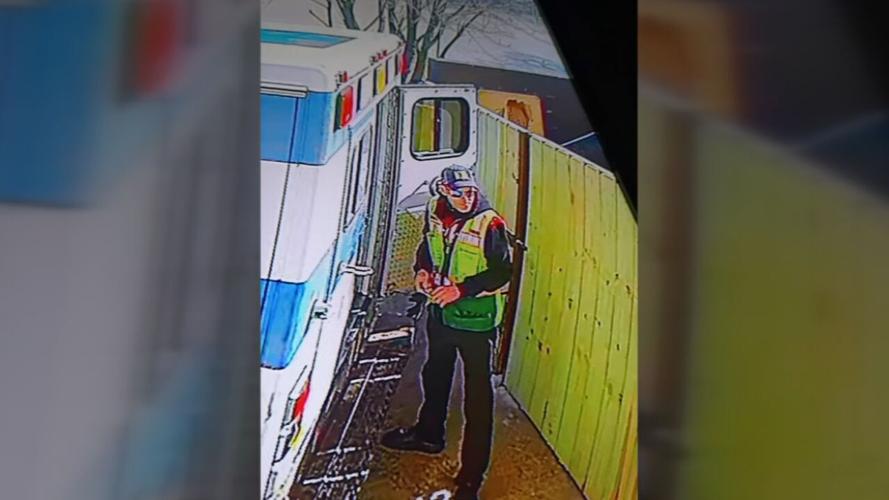
The oil is worth roughly $1.50 per gallon. Surveillance video frequently shows thieves pulling up with homemade trash pumps and hoses, draining tanks into portable containers that can hold up to 300 gallons.
To combat the problem, VOCARS is replacing older tanks with anti-theft containers that cost two to three times more.
This year alone, Ford says the company will spend about $600,000 on new recycling bins and a private detective — while still expecting to lose another $300,000 to $400,000 in stolen oil.
"They’re eventually getting it into the biofuel market through unscrupulous brokers," Ford said. "The product cannot be traced."
Police have arrested some suspects, but Ford says getting convictions — especially ones that include jail time — has been frustrating.
For now, companies are tightening security, hoping stronger locks and upgraded containers will slow a crime fueled by something most people simply throw away.
Copyright 2026 WDRB Media. All Rights Reserved.


