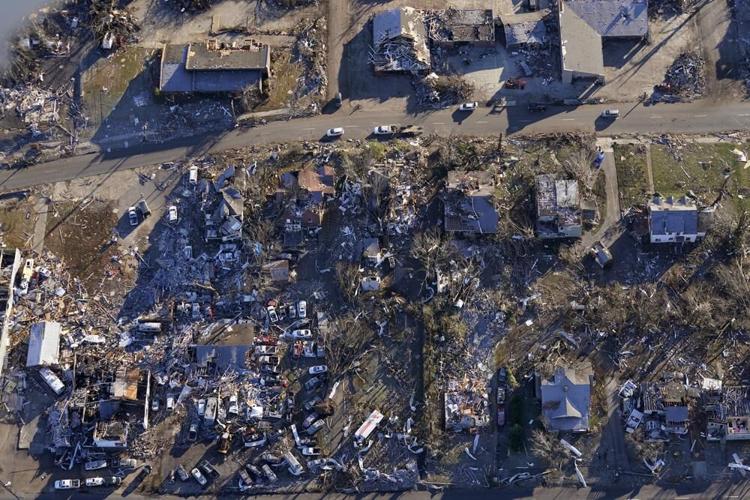
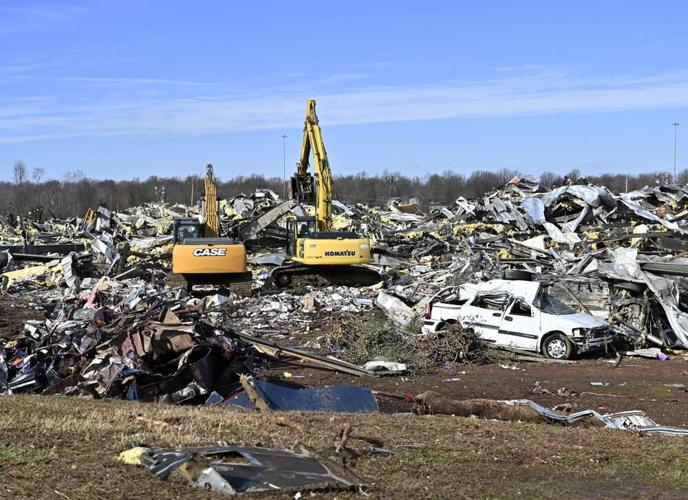
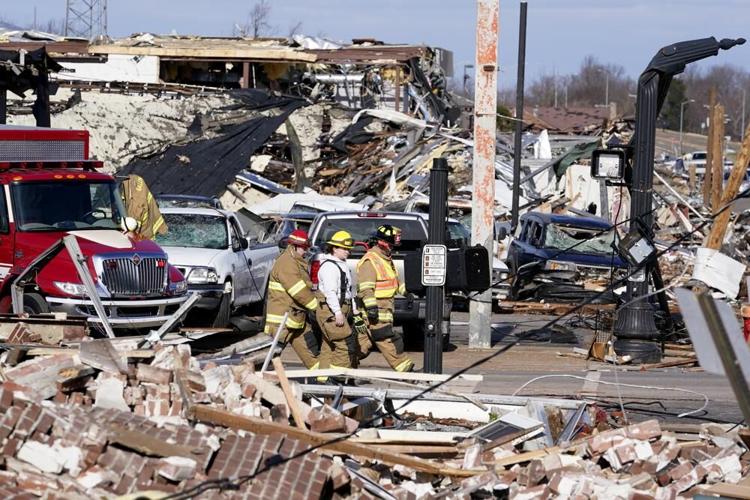
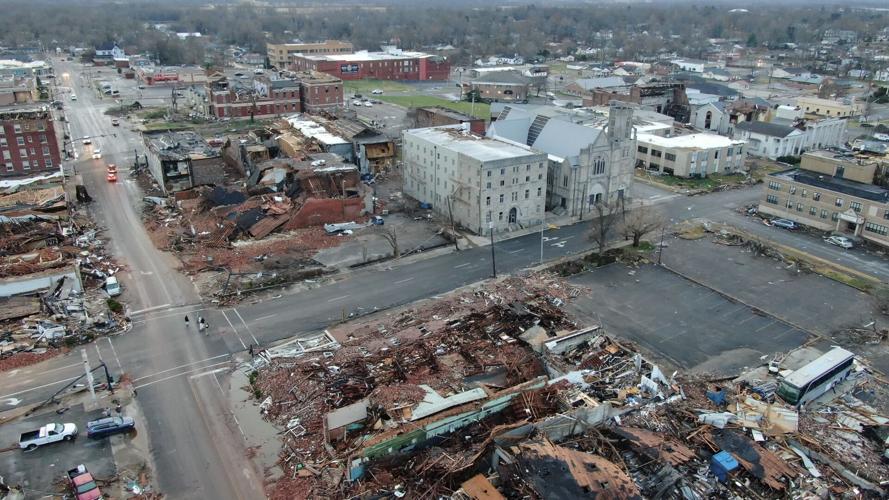


LOUISVILLE, Ky. (WDRB) -- U.S. Sen. Mitch McConnell will visit Kentucky communities ravaged by tornadoes.
"I'll listen to their concerns and bring their stories back to Washington to ensure that they get the help that they desperately need," McConnell said Thursday in Washington. "The scene on the ground in western Kentucky is still devastating and quite discouraging for far too many families. This Christmas will be tragically abnormal."
McConnell will visit more of the areas ravaged by tornadoes Dec. 11. He is meeting with those in charge of recovery efforts.
The Senate Minority Leader's team compiled a list of resources that tornado victims can use to help connect with government assistance.
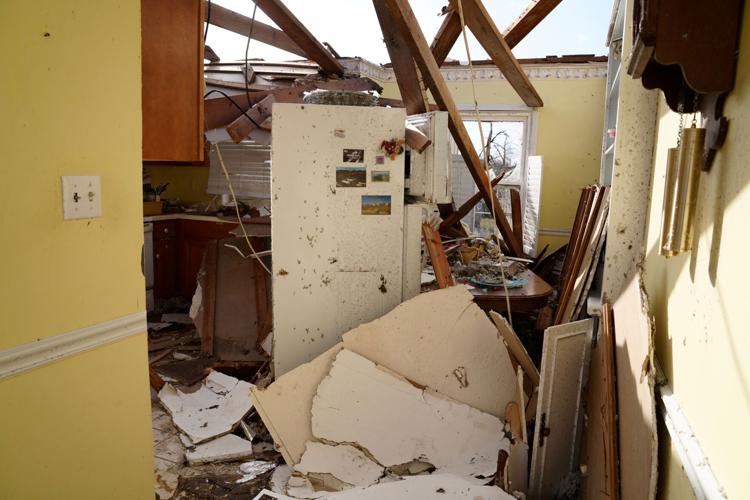
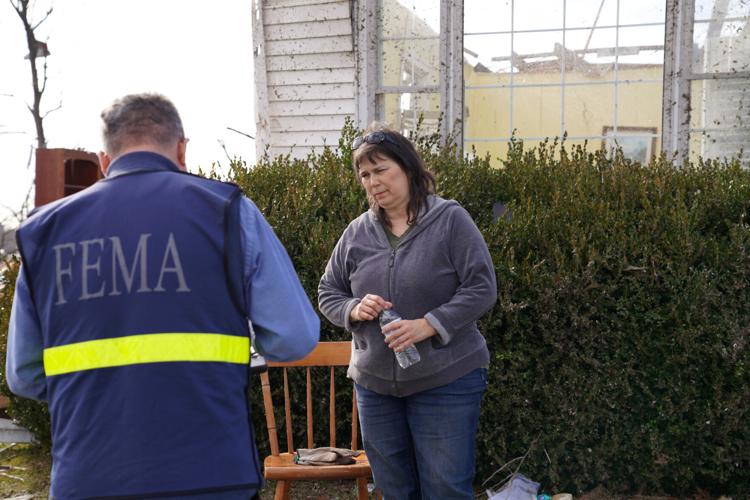
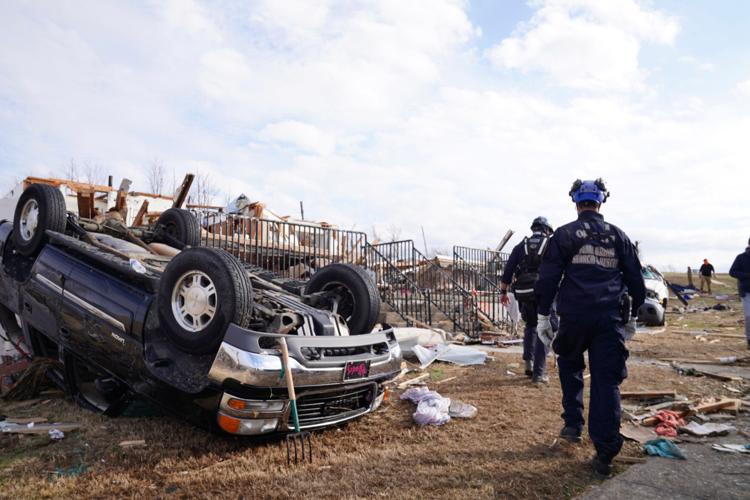
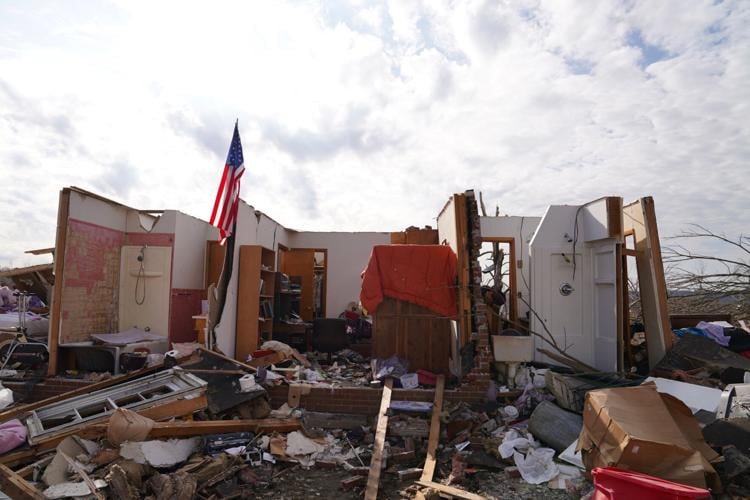
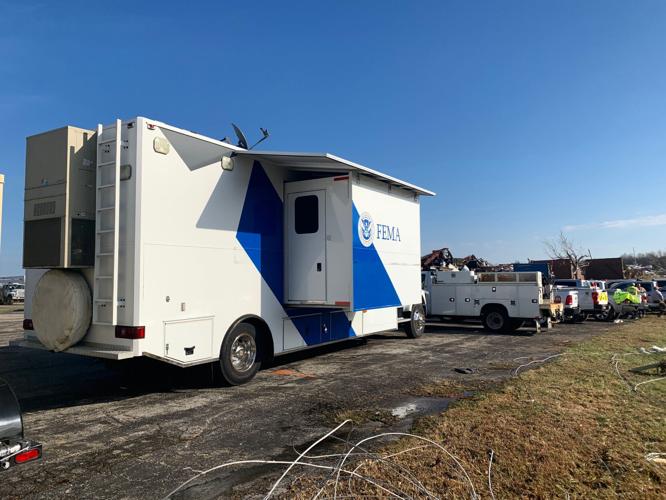
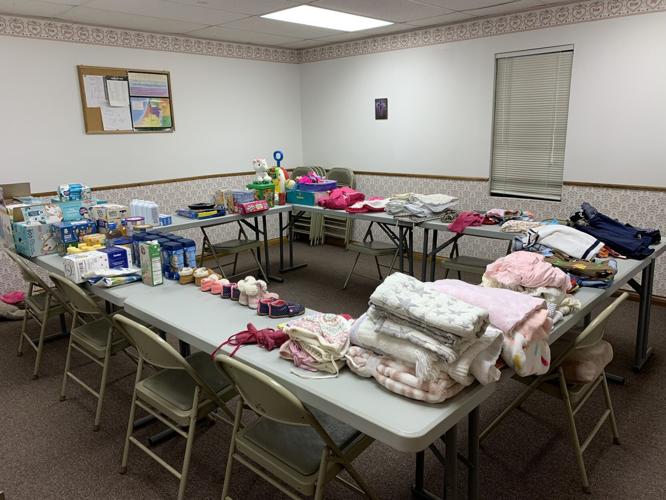
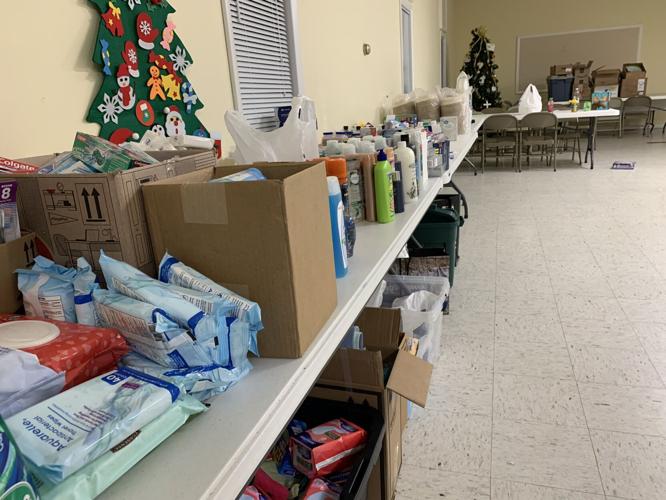
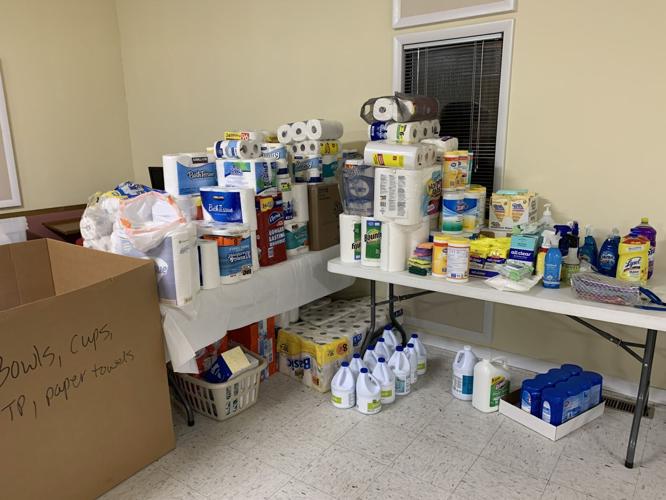
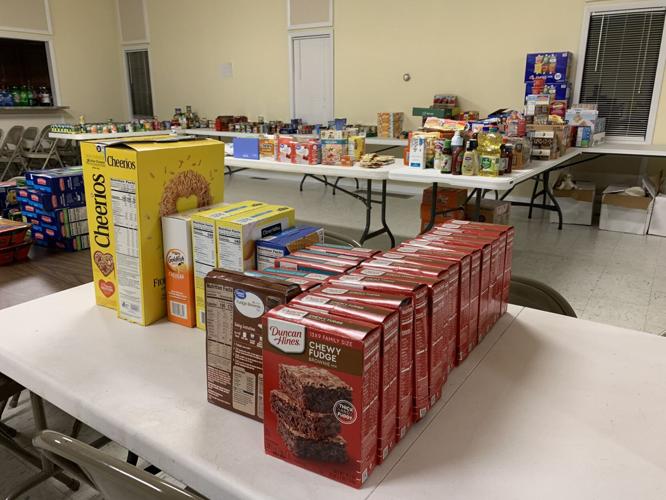
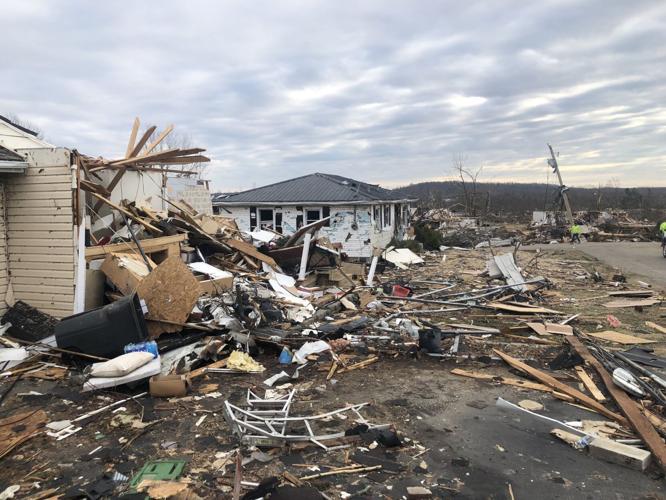
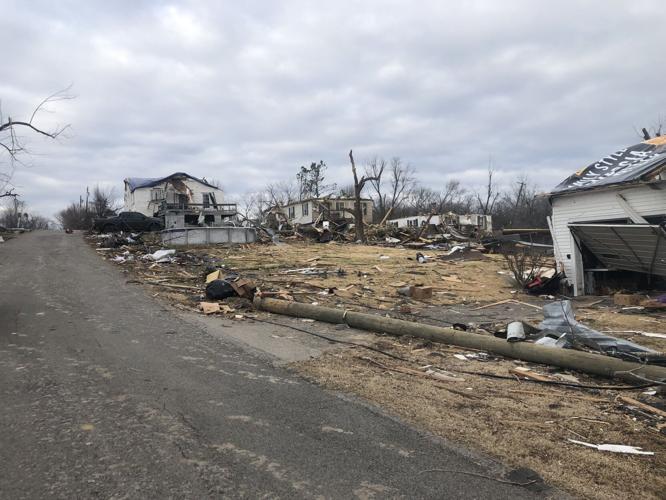
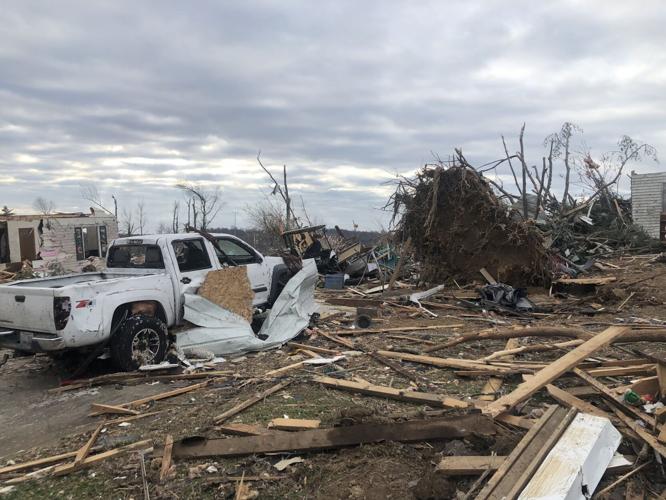
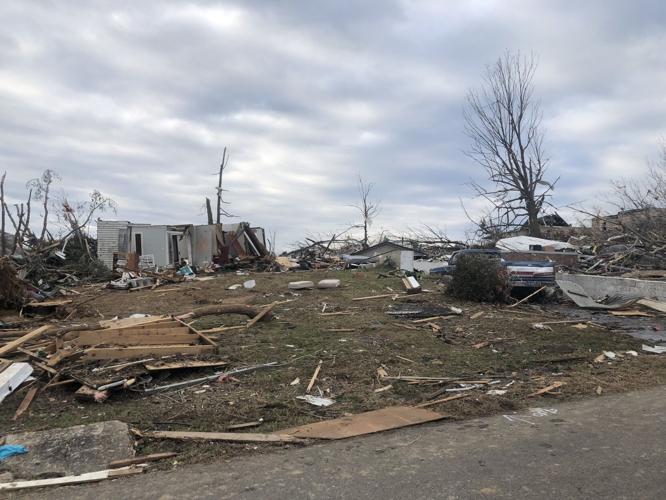
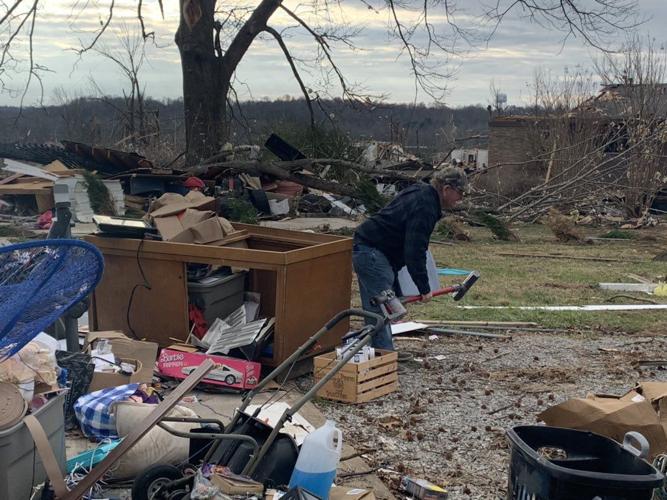
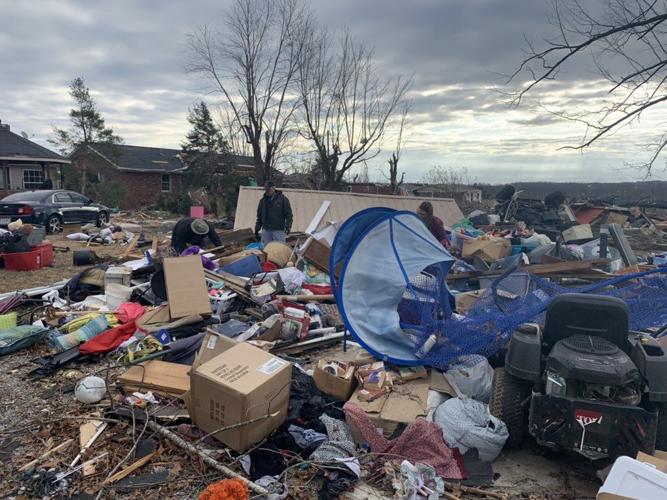
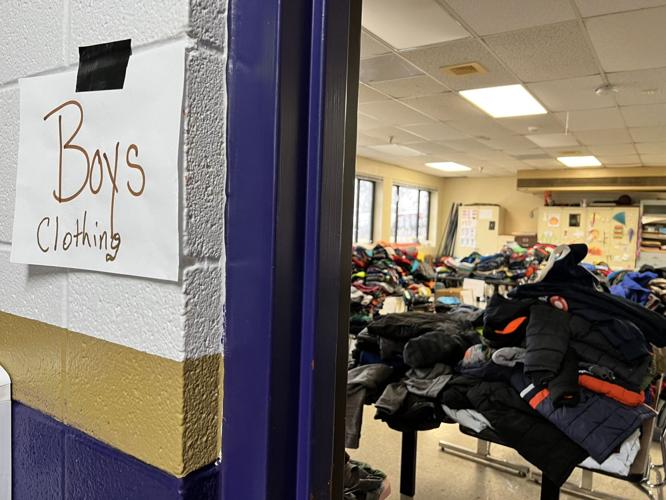
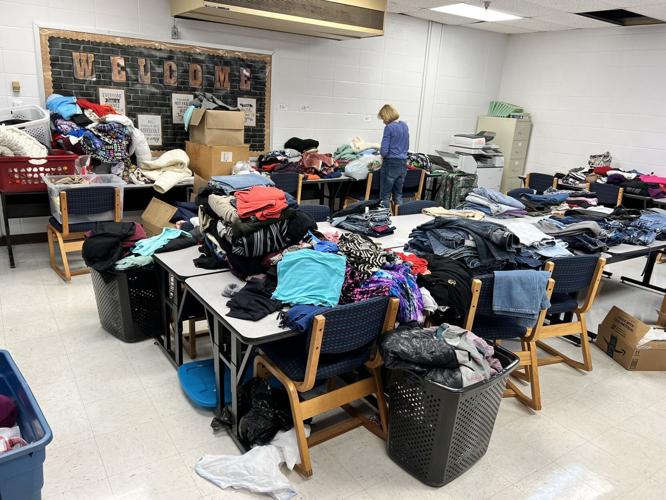
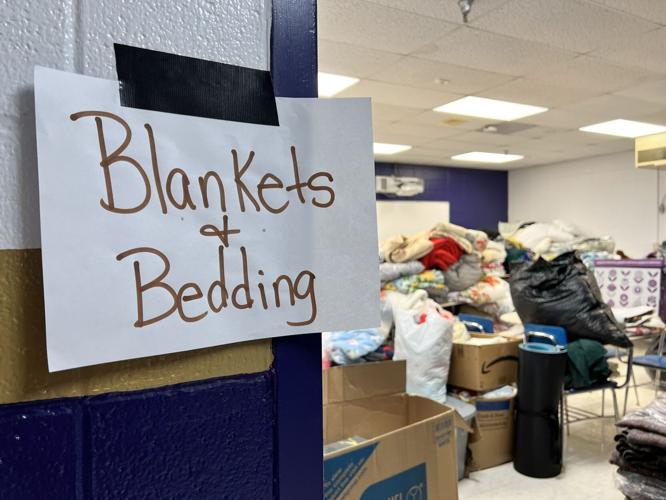
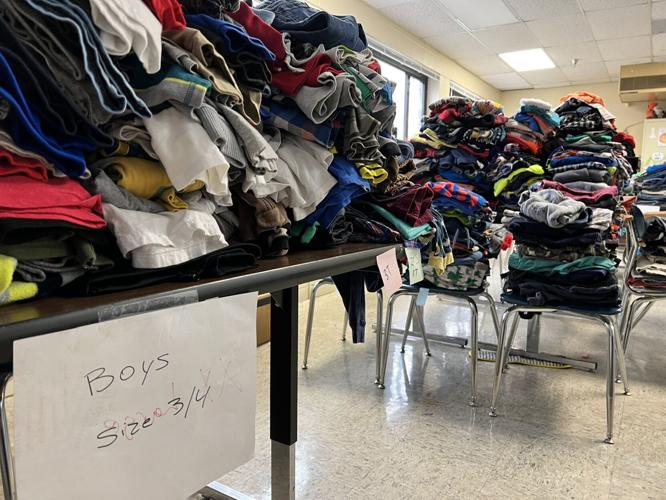
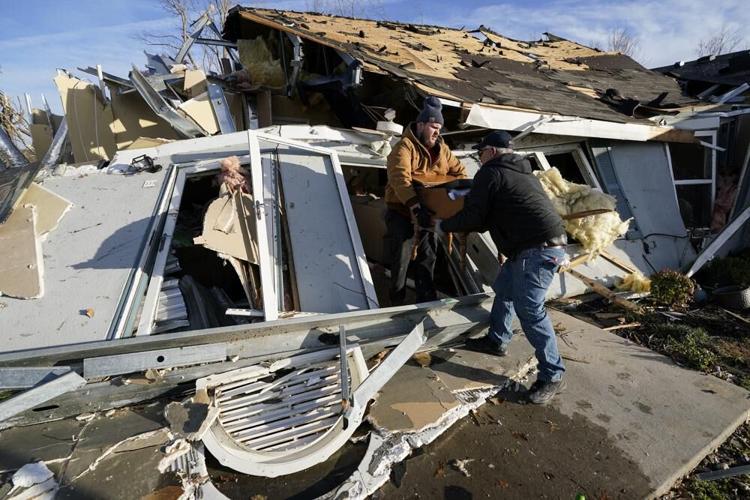
IMAGES | Residents of Dawson Springs, Ky. begin picking up the pieces after tornado
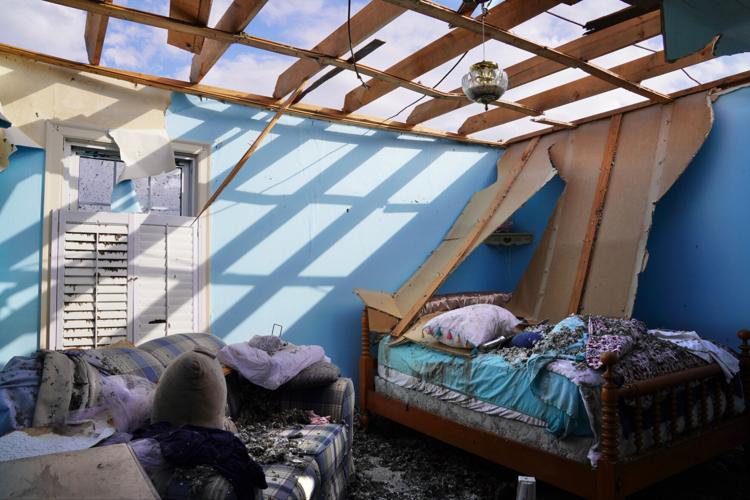
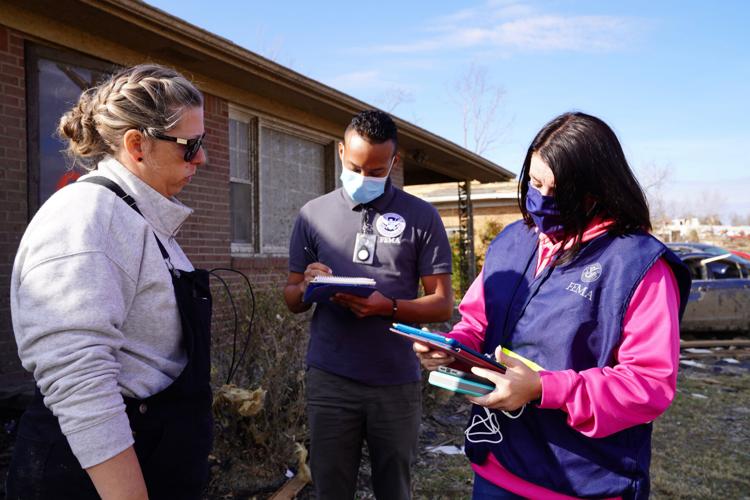
DAWSON SPRINGS, KY - December 14, 2021 - Disaster Survivors Assistance (DSA) teams have arrived in Dawson Springs, Kentucky, going door to door to help register survivors of the recent tornadoes. FEMA Photo / Dominick Del Vecchio
Tornado relief resources for those impacted by the tornadoes: (compiled by office of Sen. Mitch McConnell)
Federal Emergency Management Agency (FEMA)’s Kentucky disaster webpage: click here.
Kentucky Emergency Management (KY-EM)’s webpage includes info about volunteering and donating critical supplies. click here.
Kentucky Gov. Andy Beshear's page for updates on state response: click here.
Federal Emergency Management Agency (FEMA) Resources
For individuals in the counties covered by the President’s Major Disaster Declaration, Individual Assistance is available. Individuals in Caldwell, Fulton, Graves, Hopkins, Marshall, Muhlenberg, Taylor, and Warren counties are currently eligible. Additional counties may be added as damage assessments continue. Individuals can apply for Individual Assistance with FEMA the following ways:
- Internet or Smartphone Application: Disaster survivors may apply for IHP Assistance or check their application status online at www.disasterassistance.gov. Disaster survivors may also access FEMA via smartphone by downloading the application from www.fema.gov or through their mobile provider’s application store.
- FEMA Toll-Free Helpline: Disaster survivors may call FEMA toll-free at 1-800-621-3362 (TTY for deaf or hard-of-hearing Kentuckians: 1-800-462-7585) to register for assistance or check their application status.
Individual Assistance programs include:
- Mass Care and Emergency Assistance (MC/EA): Mass Care is composed of seven services known as activities: sheltering; feeding; distribution of emergency supplies; support for individuals with disabilities and others with access and functional needs; reunification services for adults and children; support for household pets, service, and assistance animals; and mass evacuee support.
- Crisis Counseling Assistance and Training Program (CCP): CCP provides eligible state, territorial, tribal and local (STTL) governments, and non-governmental organizations with supplemental funding to assist disaster-impacted individuals and communities in recovering from the major disasters through the provision of community-based outreach and psycho-educational services.
- Survivors in distress may call or text the Disaster Distress Helpline operated by the Substance Abuse and Mental Health Services Administration (SAMHSA) at 1-800-985-5990. This hotline is a 24/7, 365-day-a-year, national hotline dedicated to providing immediate crisis counseling for people who are experiencing emotional distress related to any natural disaster.
- Disaster Unemployment Assistance (DUA): DUA provides unemployment benefits and re-employment assistance services to eligible survivors. These services are under the responsibility of the U.S. Department of Labor and administered by the state and local government emergency management officials of the affected area(s).
- Disaster Legal Services (DLS): DLS provides legal aid to affected survivors through an agreement with the Young Lawyers Division (YLD) of the American Bar Association. DLS is available to survivors who qualify as low-income.
- Disaster Case Management (DCM): DCM is a time-limited process that promotes partnership between a case manager and a disaster survivor in order to assess and address a survivor’s verified disaster-caused unmet needs through a disaster recovery plan.
- Individuals and Households Program (IHP): IHP Assistance provides financial assistance and direct services to eligible individuals and households who have uninsured or underinsured necessary expenses and serious needs. IHP Assistance is not a substitute for insurance and cannot compensate for all losses caused by a disaster; it is intended to meet basic needs and supplement disaster recovery efforts.
Public Assistance is authorized for state and local governments to conduct Emergency Work, including debris removal and emergency protective measures. Permanent Work may be authorized at a later date.
- For the latest information about Public Assistance, including work and county eligibility, please see FEMA’s Kentucky disaster webpage: click here.
- For information and guidance, including how to apply and eligibility requirements, click here.
Hazard Mitigation Assistance (HMA) is authorized for the entire Commonwealth. The HMA Program assists states, and local communities by:
- Significantly reducing or permanently eliminating future risk to lives and property from natural hazards
- Providing funds to implement projects in accordance with priorities identified in State, tribal, or local hazard mitigation plans
- Enabling mitigation measures to be implemented during the recovery following a major disaster declaration
- For further information about FEMA’s Hazard Mitigation Assistance Program click here or call the Hazard Mitigation Assistance Helpline: 1-866-222-3580.
Small Business Administration (SBA) Resources
For the latest information regarding the Small Business Administration’s (SBA) loan and grant programs, click here.
SBA Disaster Loans: Individuals and businesses in SBA’s declared disaster areas may apply for and receive funds from SBA for losses not covered by insurance or FEMA.
- Home and Personal Property Loans: Individuals who have experienced damage to their home or personal property may apply for low-interest loans to replace or repair their primary residence as well as to replace or repair personal property. For more information regarding Home and Personal Property Loans, click here.
- Business Physical Disaster Loans: Businesses of any size and nonprofit organizations may apply for and receive low-interest loans to recover after a disaster. These funds may be used to replace or repair real property, machinery, equipment, fixtures, inventory, and/or leasehold improvements. For more information regarding Business Physical Disaster Loans, click here.
- Economic Injury Disaster Loans: Small businesses, small agricultural cooperatives, and most private, nonprofit organizations are eligible. Low-interest loans are based on economic injury, not property damage, and provide working capital until normal operations resume after a disaster. For information regarding Economic Injury Disaster Loans, click here.
- Military Reservists Economic Injury Loans: Small businesses may apply for and receive low-interest loans to help meet operating expenses that could have been met due to an essential employee being called-up to active duty as a military reservist. For more information regarding Military Reservists Economic Injury Loans, click here.
Internal Revenue Service (IRS) Resources
IRS Tax-Filing Extension: Kentuckians living in counties included in Kentucky’s Major Disaster Declaration will have until May 16, 2022 to file various individual and business tax returns and make tax payments. For more information on the extended deadlines and a current list of eligible localities, click here.
Copyright 2021 WDRB Media. All Rights Reserved.