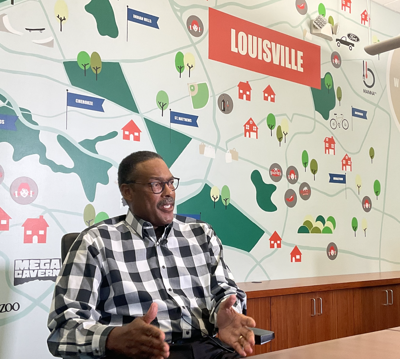


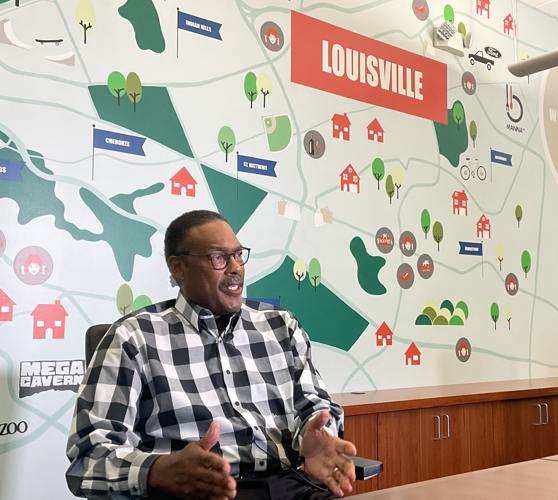
LOUISVILLE, Ky. (WDRB) -- Before there was Darrell Griffith, Pervis Ellison or any other recruit who believed in Denny Crum's basketball vision at the University of Louisville, somebody had to be first to commit to a rookie coach.
That player was Junior Bridgeman.
That time was spring of 1971, weeks after Crum left an assistant coaching job at UCLA for U of L and Bridgeman won an Indiana state high school title for East Chicago Washington.
Crum was 34 then. He was 86 when he died Tuesday at his home in eastern Jefferson County. Bridgeman, along with Griffith and U of L coach Kenny Payne, will speak at a celebration of Crum's life at 7 p.m. Monday at the KFC Yum! Center.
Bridgeman should go first because he was first to believe in Crum. His recruitment story remains as remarkable today as it was in the spring of 1971.
Crum was in the coaches' office at ECW watching film of that unbeaten team, long considered the state's best team of all time. Crum had made multiple trips to northwest Indiana from Los Angeles that winter but not to see Bridgeman. Crum wanted Pete Trgovich, the team's best player, to sign with UCLA. And Trgovich, a floppy-haired Serbian in the mold of Pete Maravich, wanted to play for UCLA. So he signed with the Bruins' dynasty.
Bridgeman was going to be an Indiana all-star. He had a better college career than Trgovich and then played more than a decade in the NBA. But, in high school, Crum and Wooden did not consider Bridgeman UCLA material.
Plot twist. Crum needed players at Louisville. He dispatched assistant coach Bill Olsen to Birmingham, Alabama, to recruit Allen Murphy. Crum returned to east Chicago for another look at Bridgeman and two ECW teammates.
"He said he was going to be the coach at the University of Louisville and that he didn't need to see any more film," Bridgeman said. "He wanted to talk to me about coming to play for him at Louisville."
Bridgeman had just spoken with Bob Knight, who was weeks into taking over at Indiana. North Carolina State wanted him and the Wolfpack signed one of his teammates, Tim Stoddard. Bridgeman visited Texas Western, which beat Kentucky for the national title five years earlier. Other Big Ten programs called.
But Bridgeman agreed to the visit, flying from Chicago to Louisville on a Friday afternoon. After dinner, he spent the night at the Executive West hotel before he was brought to Crawford Gym on Saturday morning for a game of pick-up basketball.
"Coach Crum actually played in the game," Bridgeman said, laughing at the memory. "Bill Olsen (then Crum's top assistant and later the U of L athletic director) played.
"I couldn't believe how physical they were. I mean, they were just pounding on each other. For coaches, I was like, 'This is a little strange.'
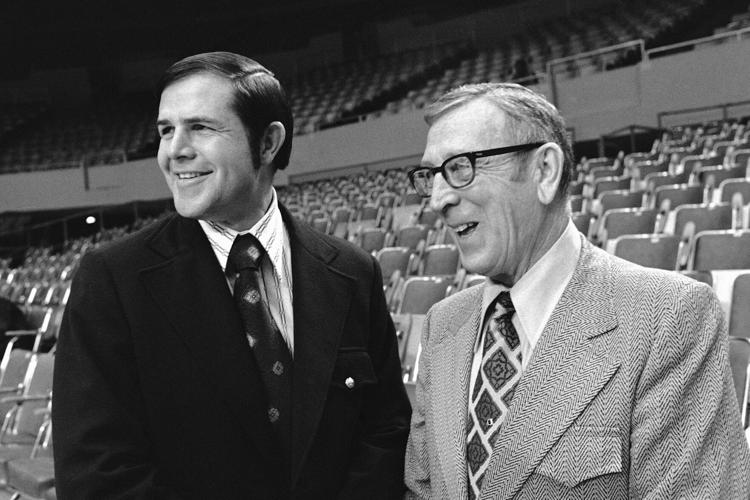
UCLA coach John Wooden, right, and Louisville coach Denny Crum see something funny as they watch UCLA work out for their NCAA game with Louisville at the Sports Arena in Los Angeles on Thursday, March 22, 1972. Crum played for UCLA and then assisted Wooden three seasons through the 1970-71 campaign. (AP Photo/Harold Filan)
- Harold Filan
IMAGES | Denny Crum
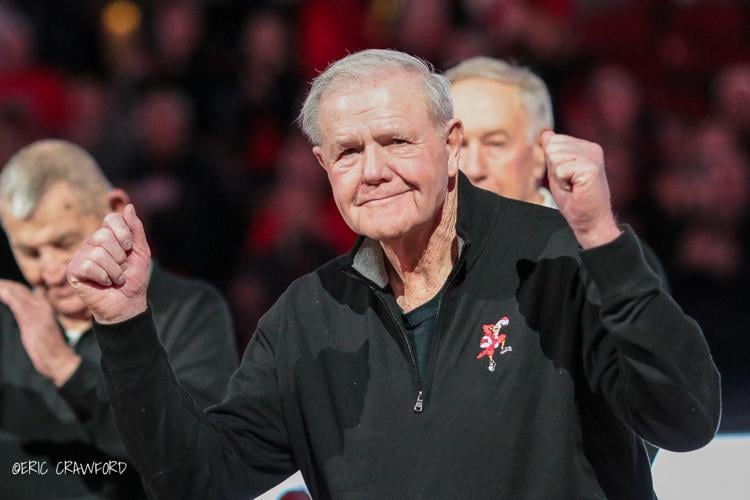
Denny Crum said Louisville's 1980 NCAA championship was an important moment of the university and the city.
- Eric Crawford photo
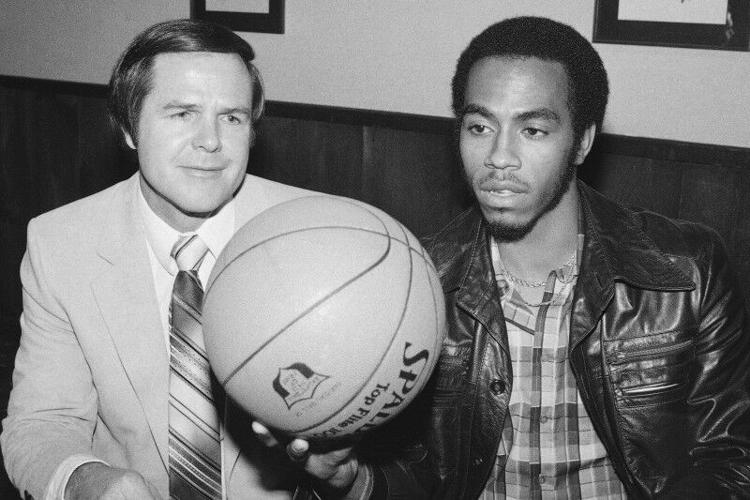
Denny Crum with Darrell Griffith.
- AP PHOTO
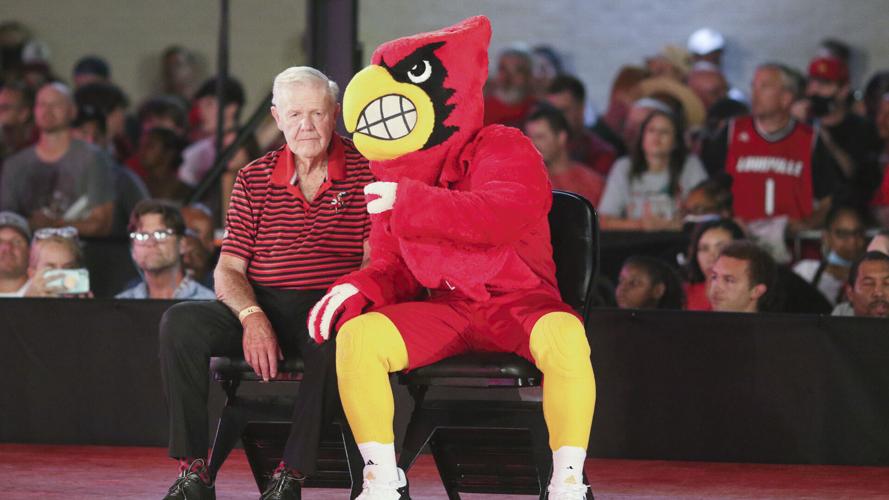
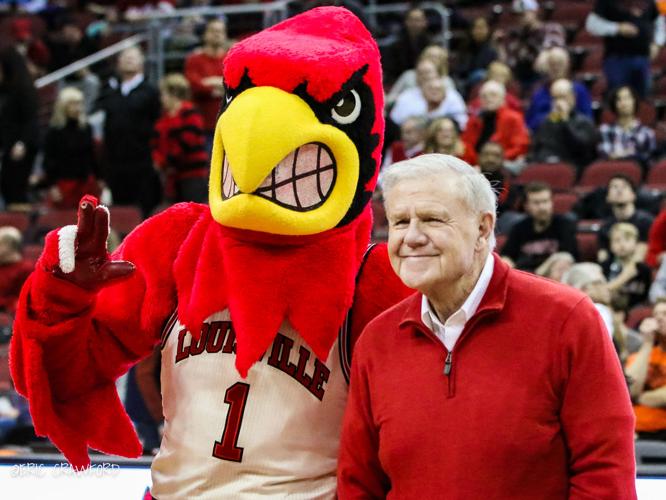
Denny Crum with Louisville's Cardinal mascot at Louisville Live at Churchill Downs in 2021.
- Eric Crawford
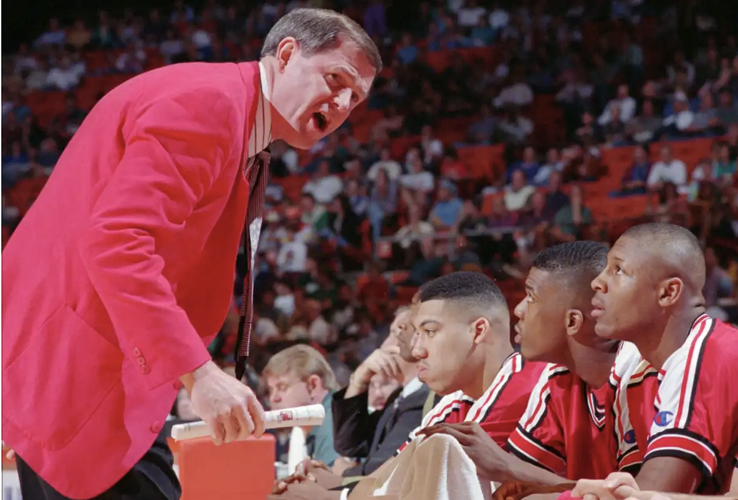
Denny Crum talks to his team during an NCAA Tournament game in March, 1995.
- AP PHOTO / DAVID J. PHILLIP
UCLA coach John Wooden, right, and Louisville coach Denny Crum see something funny as they watch UCLA work out for their NCAA game with Louisville at the Sports Arena in Los Angeles on Thursday, March 22, 1972. Crum played for UCLA and then assisted Wooden three seasons through the 1970-71 campaign. (AP Photo/Harold Filan)
- Harold Filan

Denny Crum performs the ribbon cutting during the dedication ceremony of Denny Crum Hall on the Louisville campus on Sept. 29, 2022.
- ERIC CRAWFORD
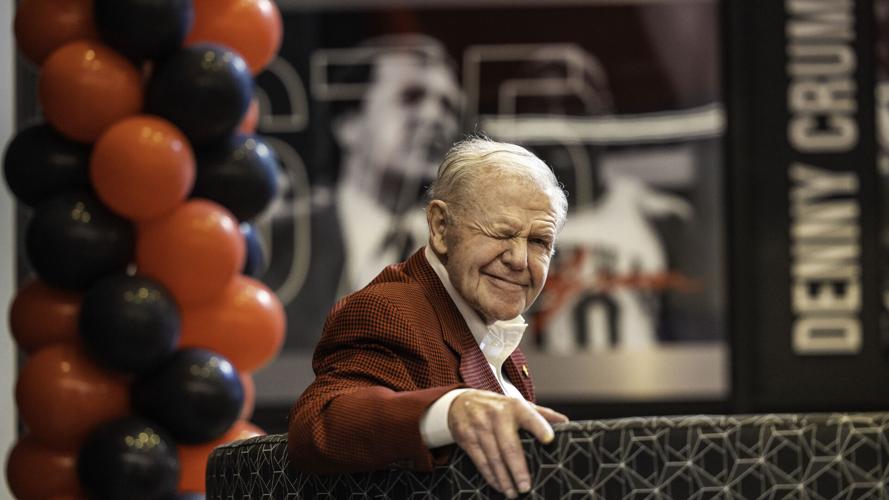
Denny Crum winks while his photo is taken after the dedication of Denny Crum Hall on the University of Louisville campus on Sept. 29, 2022.
- ERIC CRAWFORD
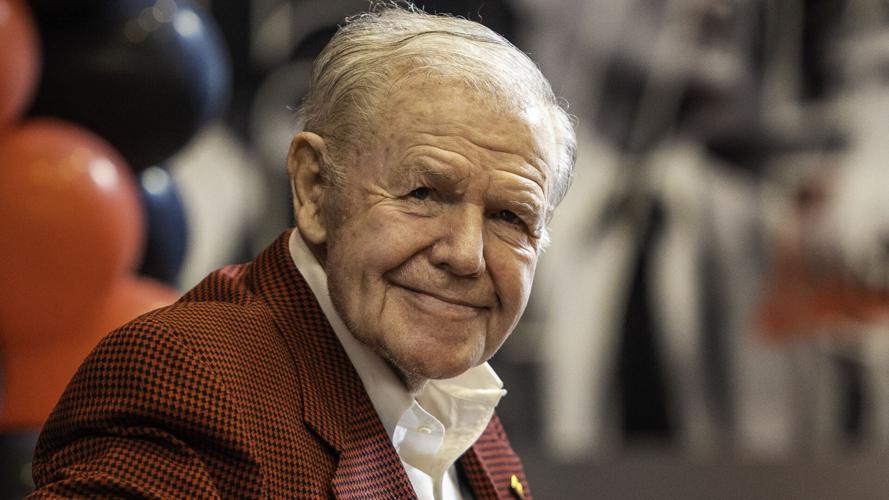
Scenes from the dedication of Denny Crum Hall on the campus of the University of Louisville on Sept. 29, 2022.
- ERIC CRAWFORD

Scenes from the dedication of Denny Crum Hall on the campus of the University of Louisville on Sept. 29, 2022.
- ERIC CRAWFORD

Scenes from the dedication of Denny Crum Hall on the campus of the University of Louisville on Sept. 29, 2022.
- ERIC CRAWFORD

New Louisville basketball coach Kenny Payne poses with former Cardinals' players, Hall of Fame coach Denny Crum, and former staffers in the basketball office after his introductory news conference.
- Eric Crawford photo.

New Louisville basketball coach Kenny Payne greets former Cardinals' coach Denny Crum after arriving at Bowman Field in Louisville.

New Louisville basketball coach Kenny Payne hugs former Cardinals' coach Denny Crum after arriving at Bowman Field in Louisville.
- Eric Crawford
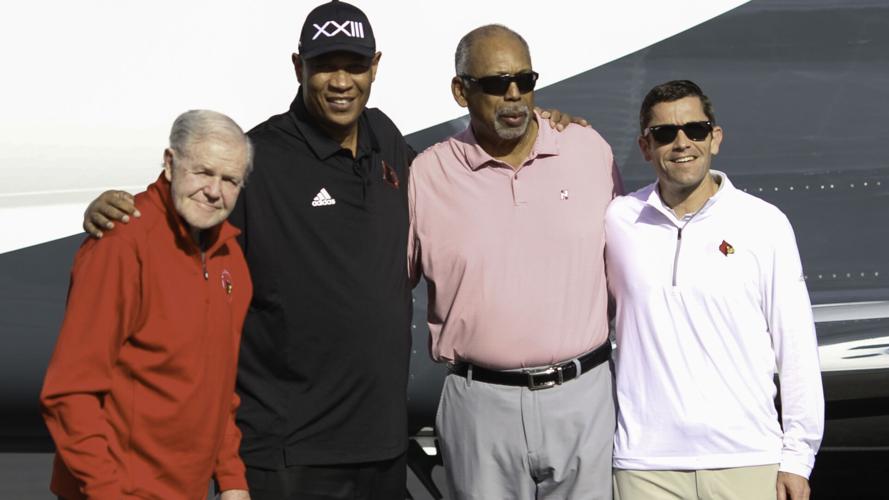
Denny Crum, Kenny Payne, Wade Houston and Josh Heird after Payne's arrival at Bowman Field. Crum and Houston recruited Payne to Louisville as a player, and Heird hired him to be the Louisville basketball coach.

Hall of Fame coach Denny Crum awaits the arrival of new Louisville basketball coach Kenny Payne at Bowman Field.
- Eric Crawford
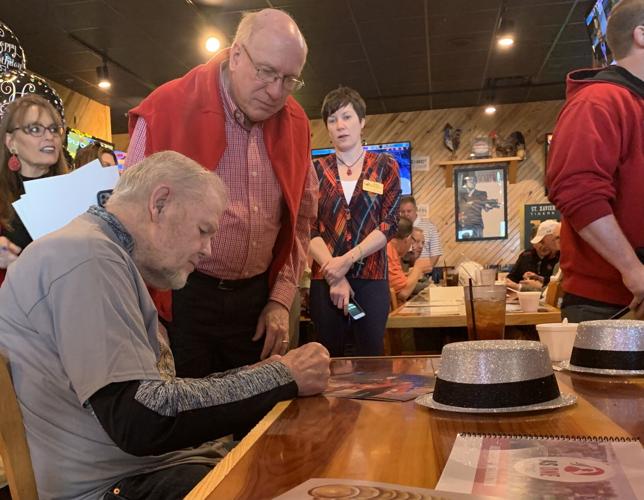
Former Louisville coach Denny Crum signed autographs at his 85th birthday party Wednesday at Roosters restaurant. WDRB Photo Rick Bozich
- Rick Bozich
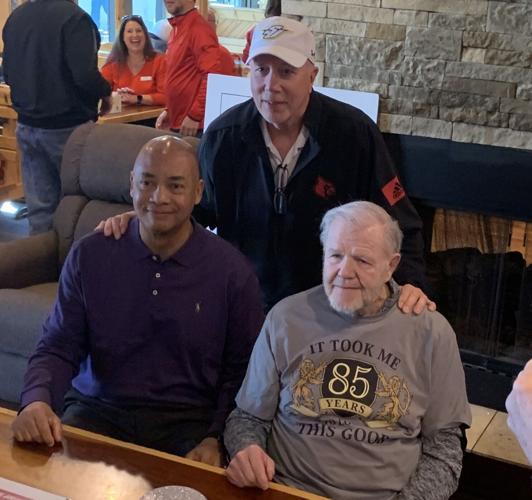
Denny Crum celebrated his 85th birthday Wednesday with two members of his 1980 NCAA title team -- Jerry Eaves (left) and Roger Burkman. WDRB Photo Rick Bozich
- Rick Bozich
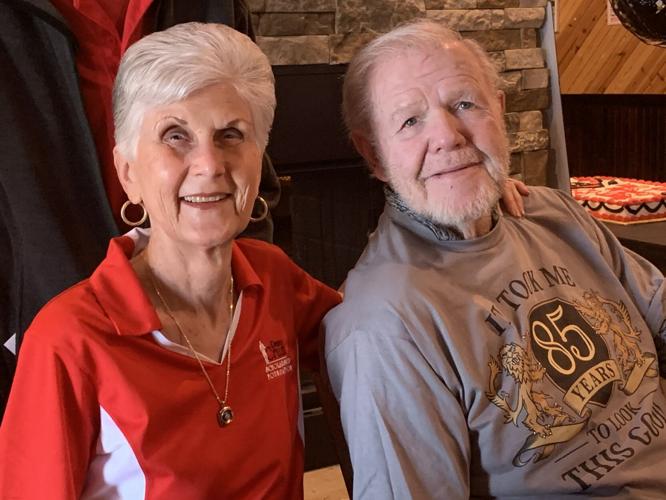
Denny Crum shared some birthday memories with Judy Cowgill, his former administrative assistant, at Crum's 85th birthday party Wednesday. WDRB Photo Rick Bozich
- Rick Bozich
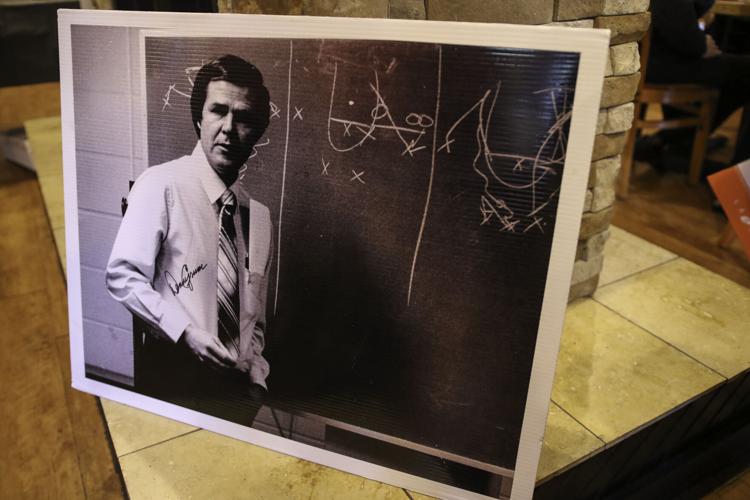
An old photo of Denny Crum at his 85th birthday celebration and Potato Soup fundraiser at Roosters in Middletown.
- Eric Crawford
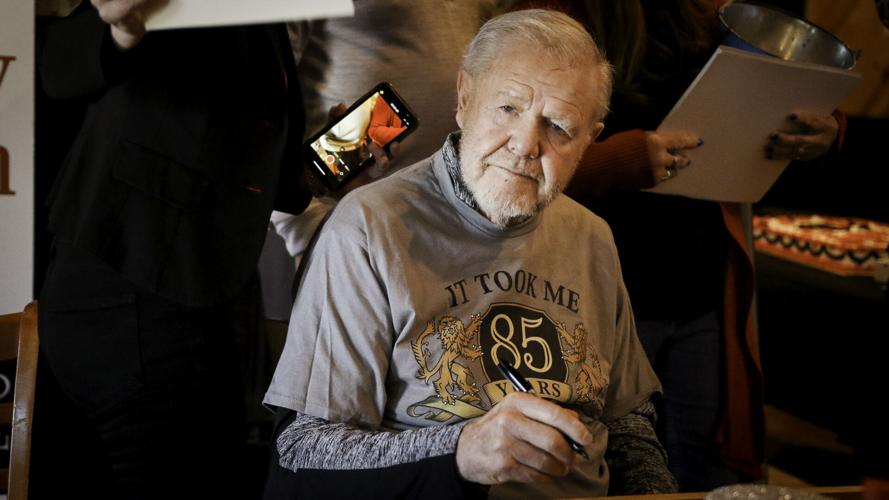
Denny Crum during his 85th birthday celebration and Potato Soup fundraiser at Roosters in Middletown.
- Eric Crawford
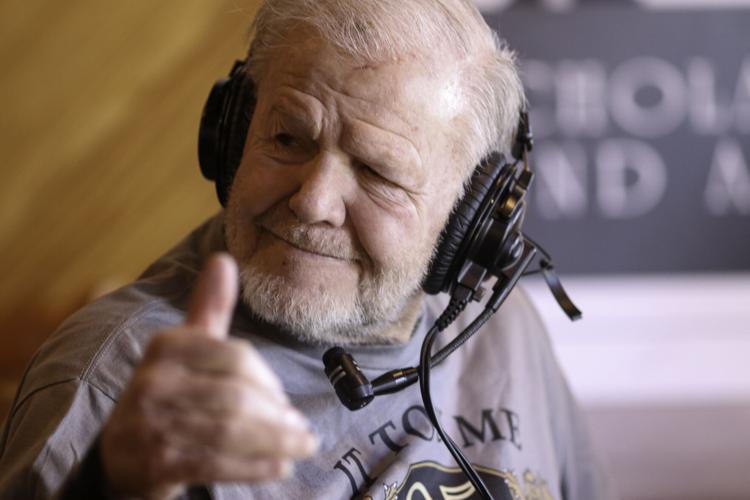
Denny Crum gives the "thumbs up" sign during his 85th birthday celebration and Potato Soup fundraiser at Roosters in Middletown.
- Eric Crawford photo.
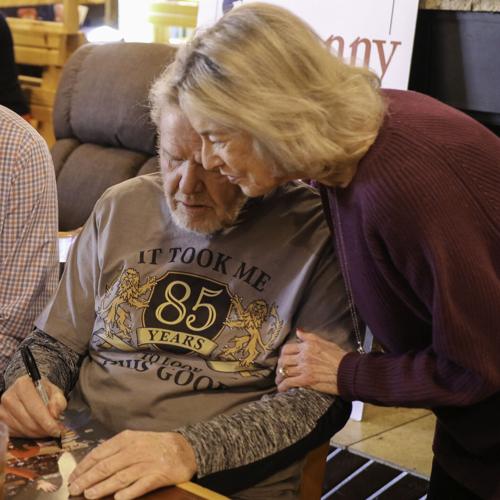
Denny Crum signs an autograph during his 85th birthday celebration and Potato Soup fundraiser at Roosters in Middletown.
- Eric Crawford

Denny Crum takes a look at his cake during his 85th birthday celebration and Potato Soup fundraiser at Roosters in Middletown.
- Eric Crawford
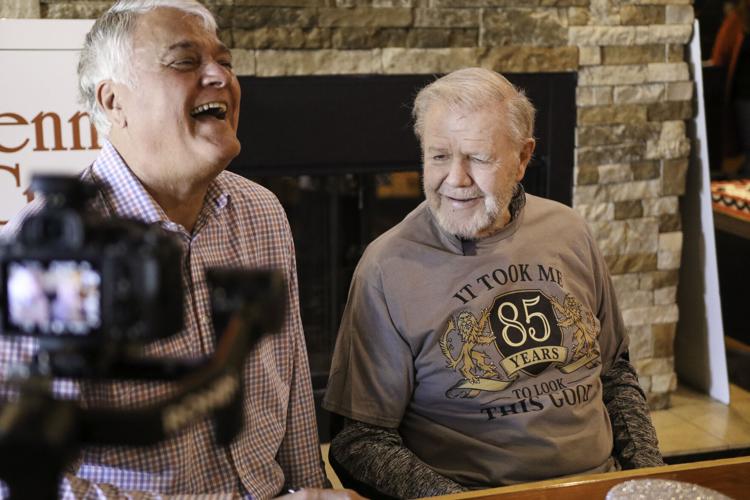
Denny Crum shares a laugh with Rick Bozich during the coach's 85th birthday celebration and Potato Soup fundraiser at Roosters in Middletown.
- Eric Crawford
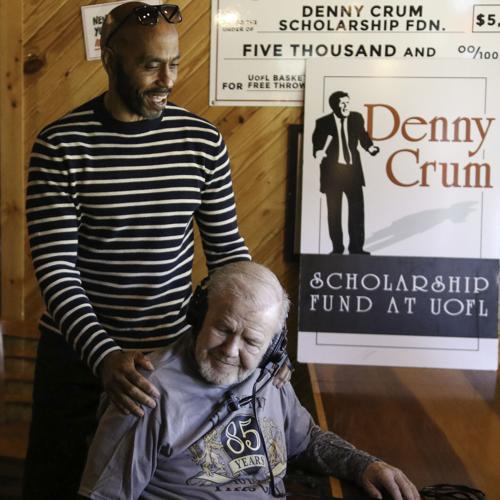
Darrell Griffith greets his old coach, Denny Crum, during Crum's 85th birthday celebration and Potato Soup fundraiser at Roosters in Middletown.
- Eric Crawford
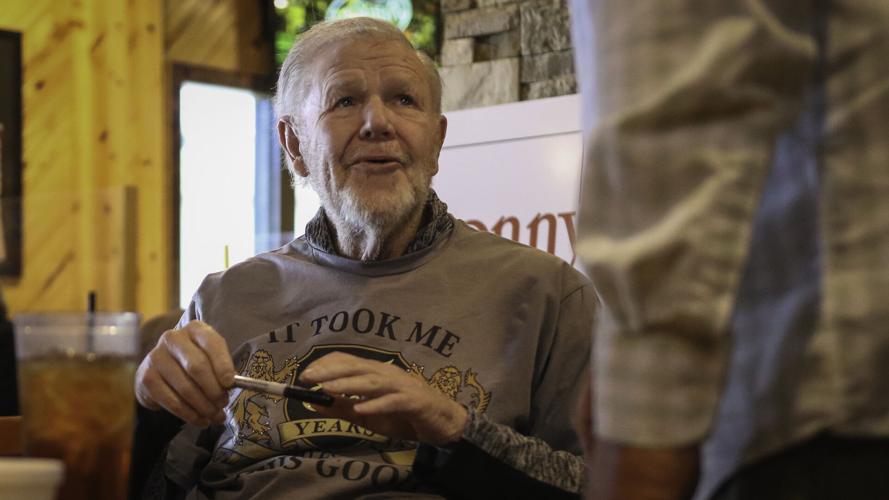
Denny Crum during his 85th birthday celebration and Potato Soup fundraiser at Roosters in Middletown.
- Eric Crawford
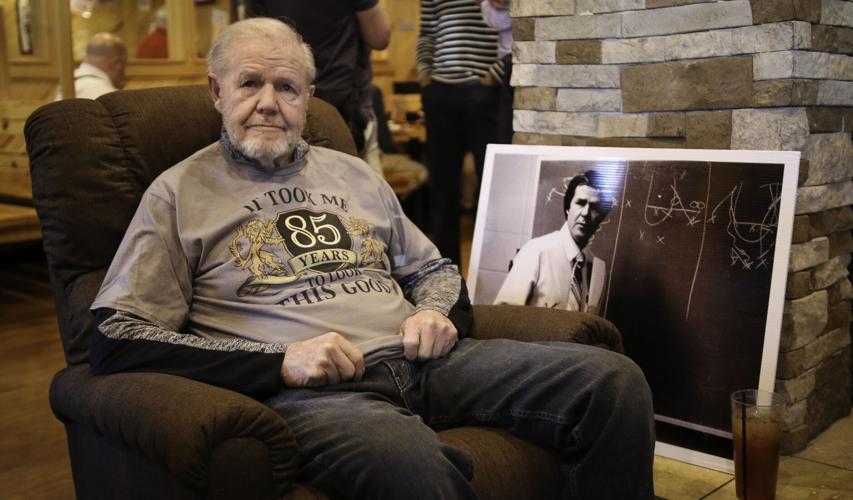
Denny Crum takes a minute in his easy chair during his 85th birthday celebration and Potato Soup fundraiser at Roosters in Middletown.
- Eric Crawford
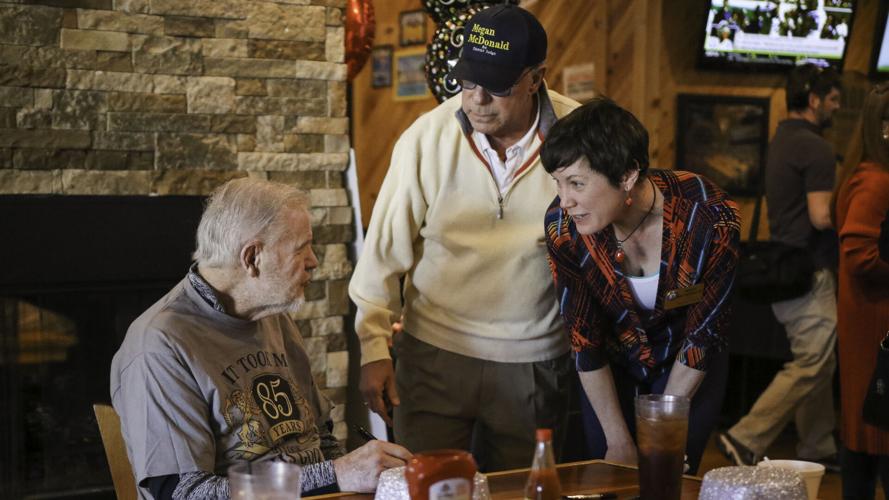
Denny Crum signs autographs during his 85th birthday celebration and Potato Soup fundraiser at Roosters in Middletown.
- Eric Crawford
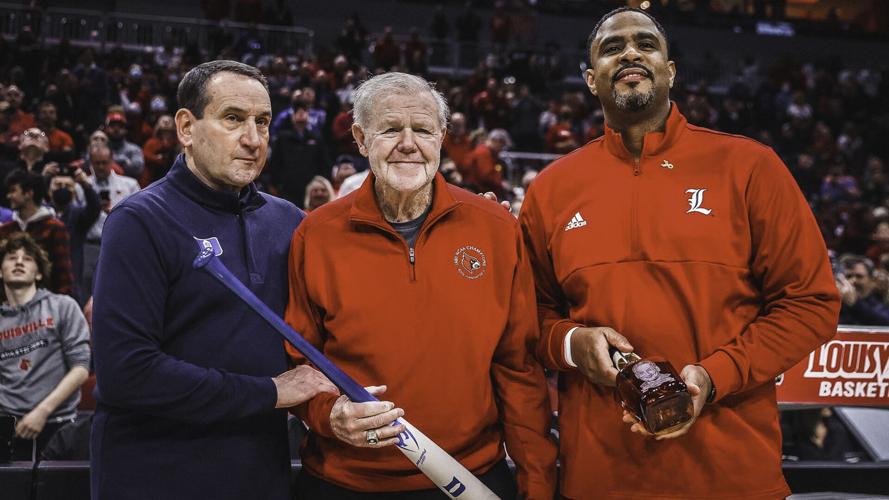
Mike Krzyzewski, Denny Crum and Mike Pegues pose after the Duke coach is presented with gifts before his final game at the University of Louisville.
- University of Louisville
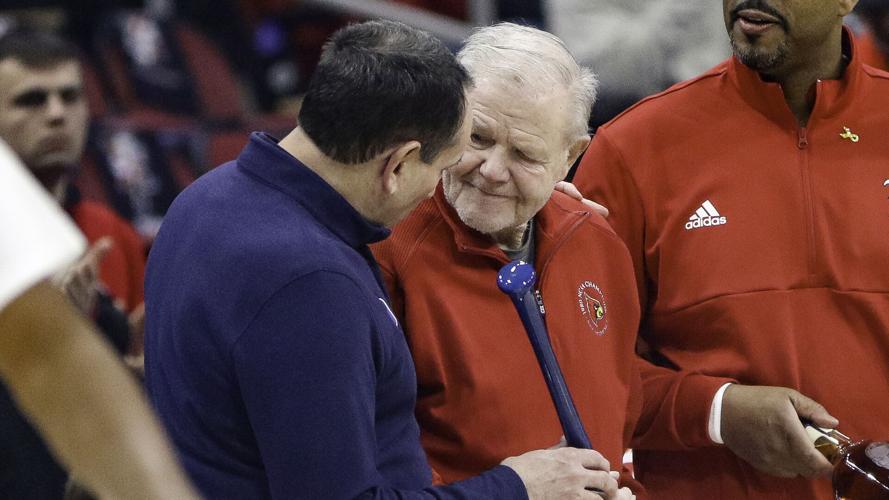
Mike Krzyzewski and Denny Crum talk before Duke's game at Louisville on Jan. 29, 2022.
- Eric Crawford
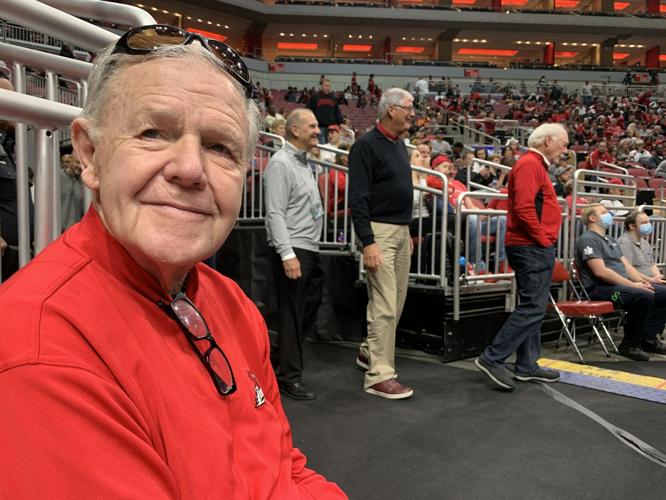
Former Louisville basketball coach Denny Crum said he was impressed by what he saw from the Cards in a Red/White scrimmage Saturday. WDRB Photo/Rick Bozich
- Rick Bozich
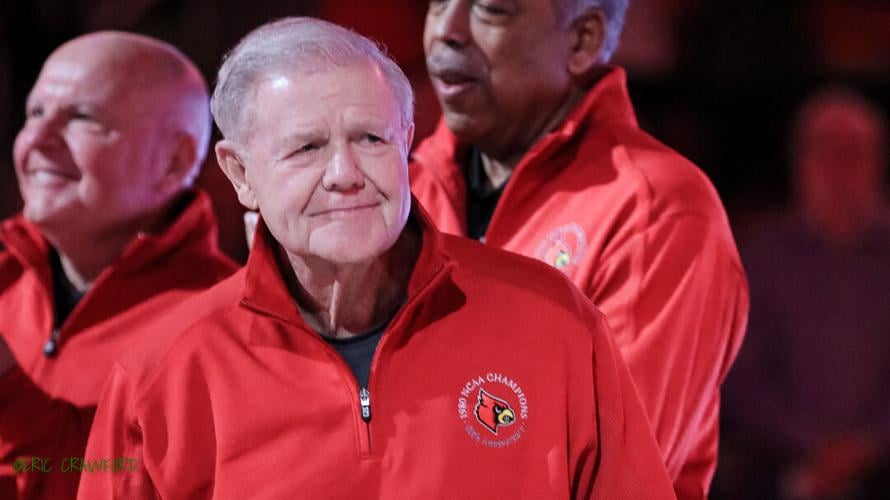
Denny Crum being introduced during a Louisville basketball game in 2018.
- Eric Crawford photo.
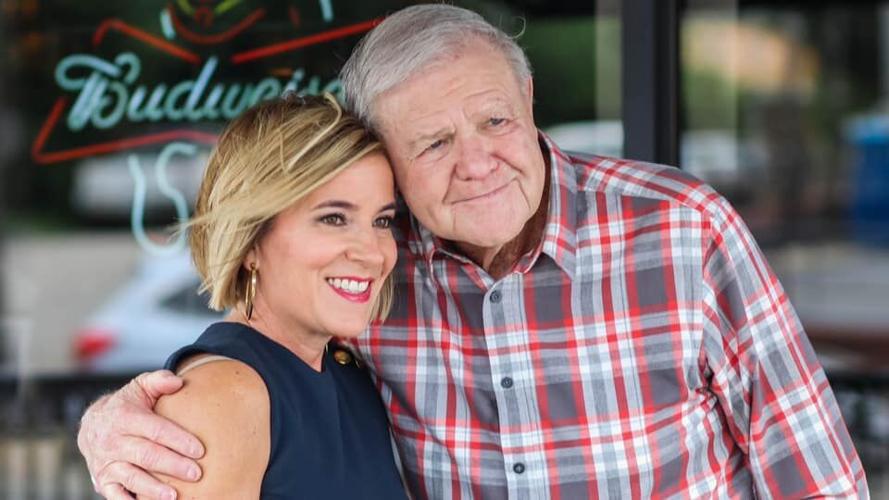
Elizabeth Woolsey with Hall of Fame coach Denny Crum
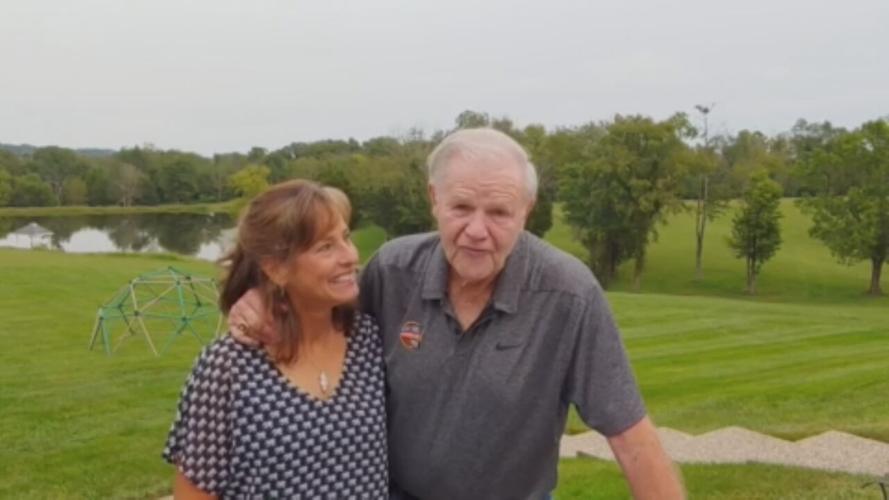
WDRB file photo.

Film-maker Anthony Holt (left) has started work on a documentary about Louisville's Doctors of Dunk, who were coached by Denny Crum (center) and led by Darrell Griffith. WDRB Photo/Rick Bozich
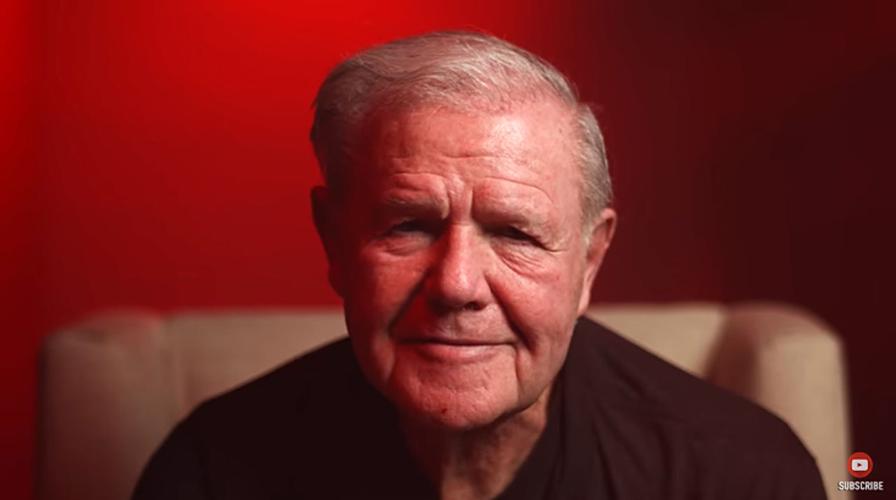
Former U of L men's basketball coach Denny Crum
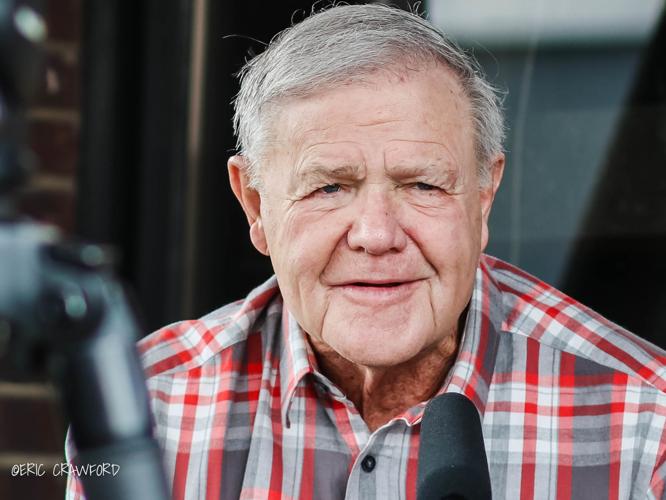
Denny Crum speaks with WDRB's Elizabeth Woolsey on June 21, 2019, at Kern's Korner in the Highlands.
- Eric Crawford photo.

Denny Crum speaks with WDRB's Elizabeth Woolsey on June 21, 2019, at Kern's Korner in the Highlands.
- Eric Crawford photo.
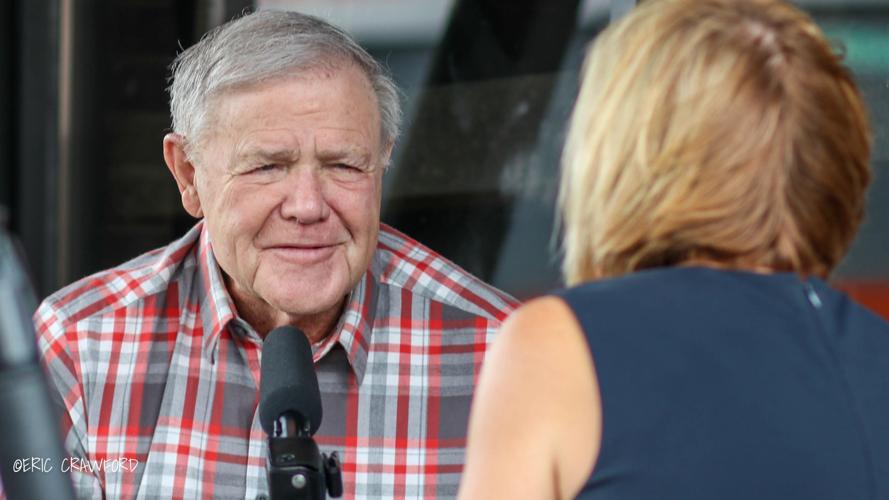
Denny Crum speaks with WDRB's Elizabeth Woolsey on June 21, 2019, at Kern's Korner in the Highlands.
- Eric Crawford photo.
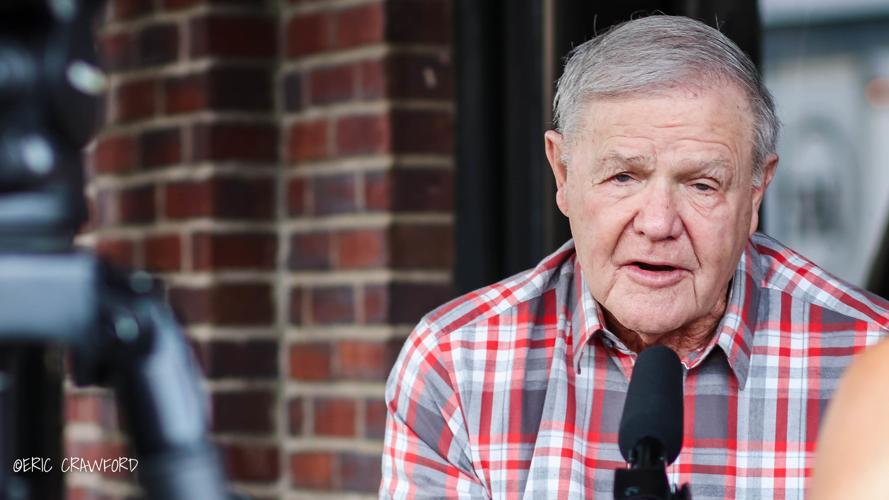
Denny Crum speaks with WDRB's Elizabeth Woolsey on June 21, 2019, at Kern's Korner in the Highlands.
- Eric Crawford photo.
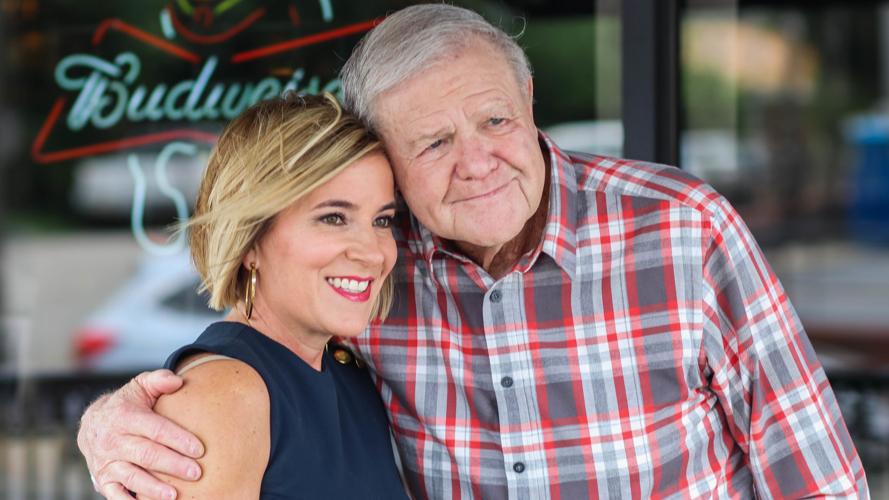
Denny Crum speaks with WDRB's Elizabeth Woolsey on June 21, 2019, at Kern's Korner in the Highlands.
- Eric Crawford photo.
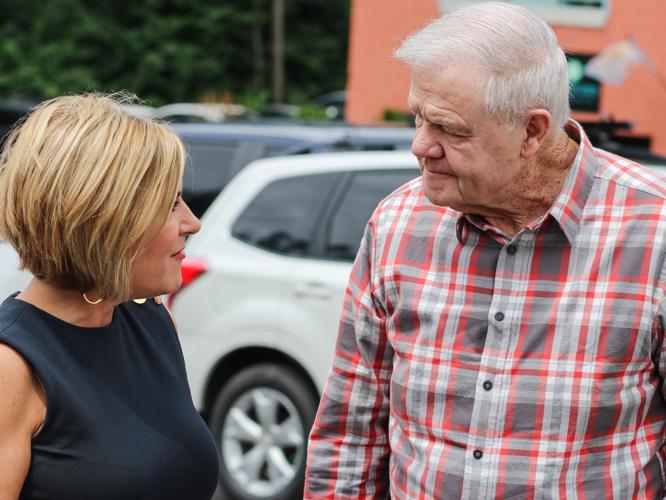
Denny Crum speaks with WDRB's Elizabeth Woolsey on June 21, 2019, at Kern's Korner in the Highlands.
- Eric Crawford photo.
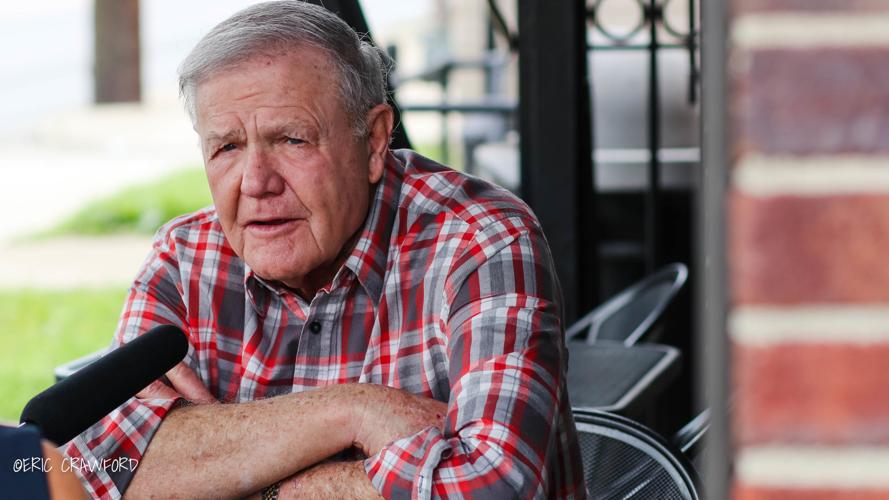
Denny Crum speaks with WDRB's Elizabeth Woolsey on June 21, 2019, at Kern's Korner in the Highlands.
- Eric Crawford photo.
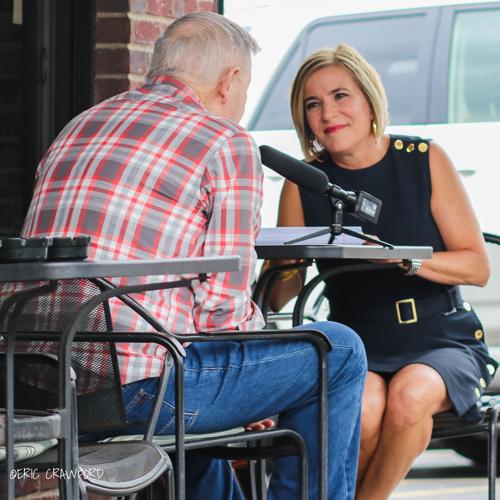
Denny Crum speaks with WDRB's Elizabeth Woolsey on June 21, 2019, at Kern's Korner in the Highlands.
- Eric Crawford photo.
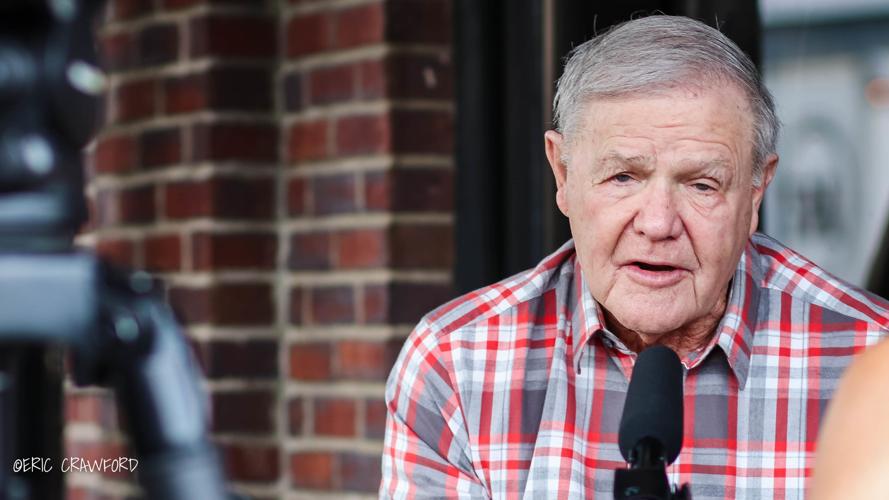
Denny Crum speaks with WDRB's Elizabeth Woolsey on June 21, 2019, at Kern's Korner in the Highlands.
- Eric Crawford photo.

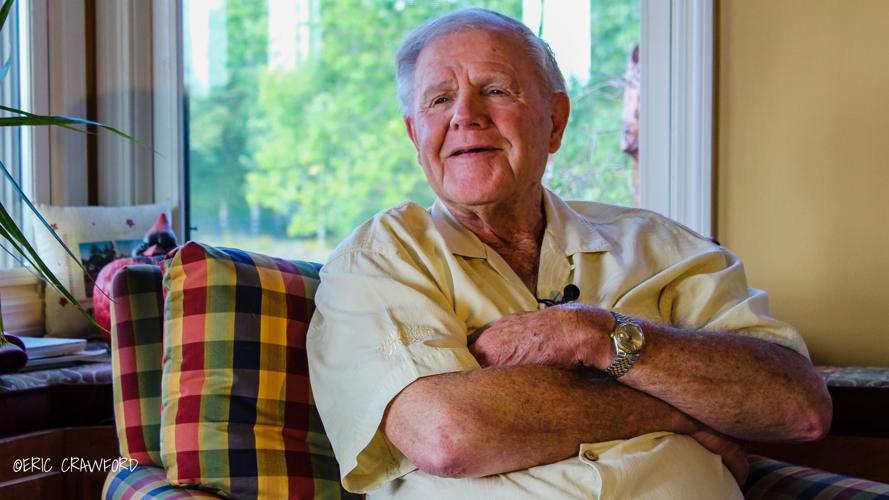
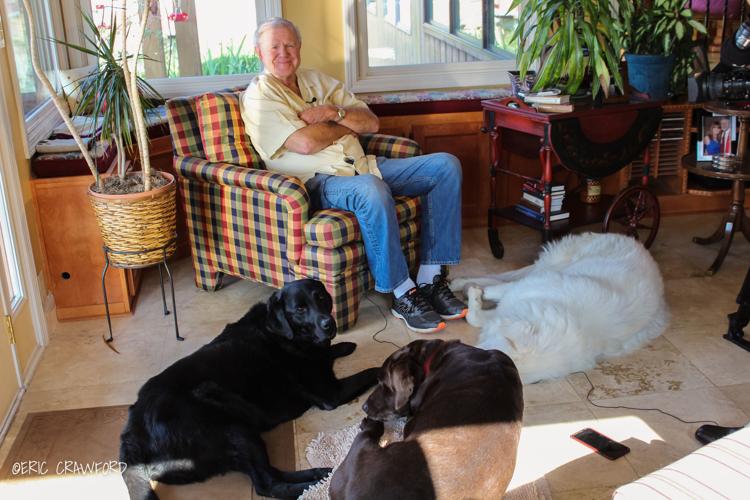
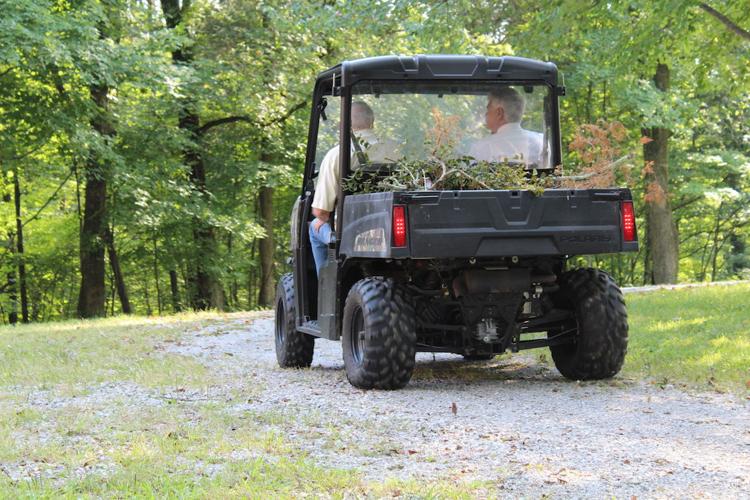
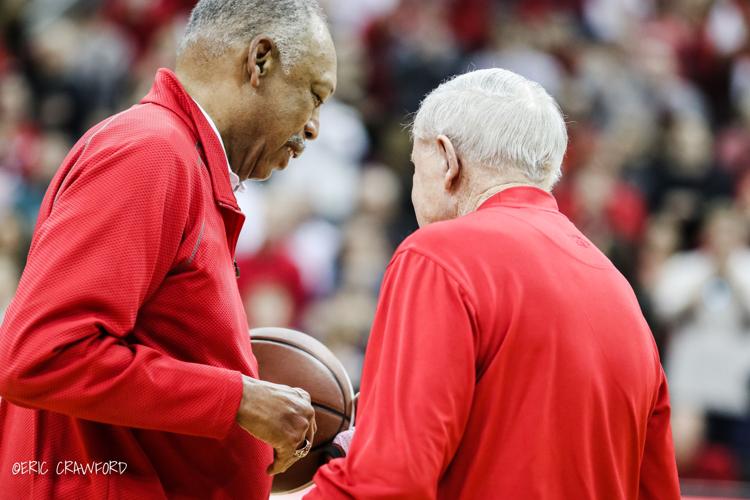
Denny Crum speaks with WDRB's Elizabeth Woolsey on June 21, 2019, at Kern's Korner in the Highlands.
- Eric Crawford photo.
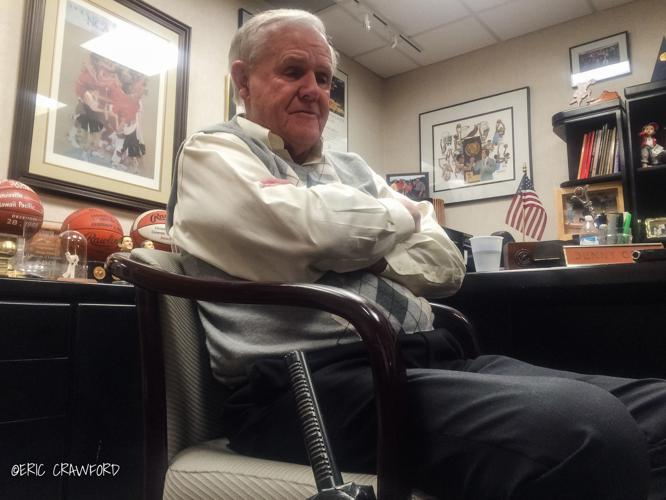
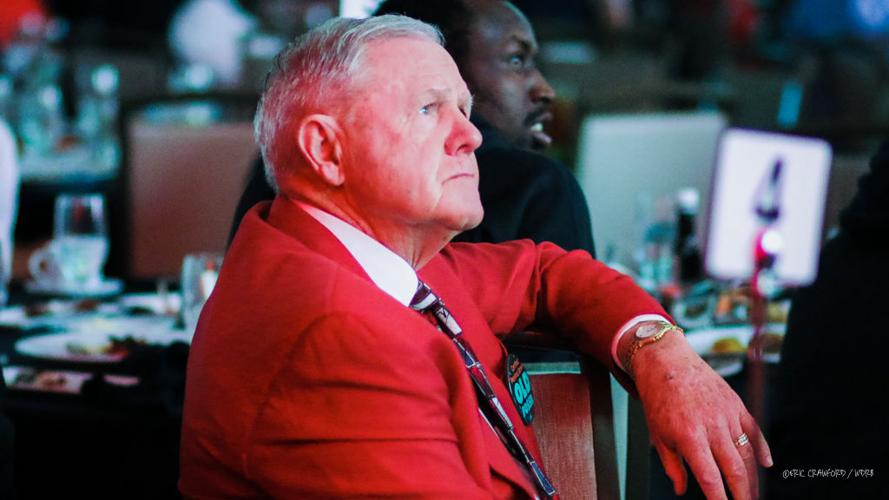
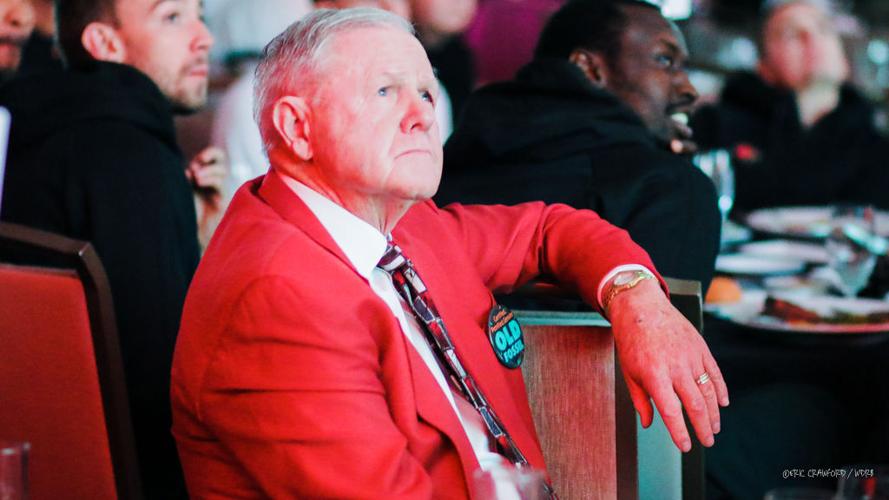


- Eric Crawford photo.

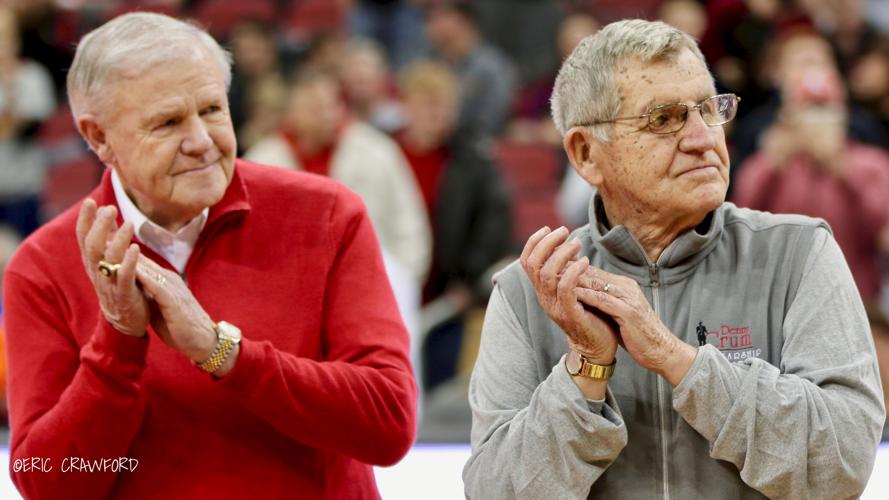
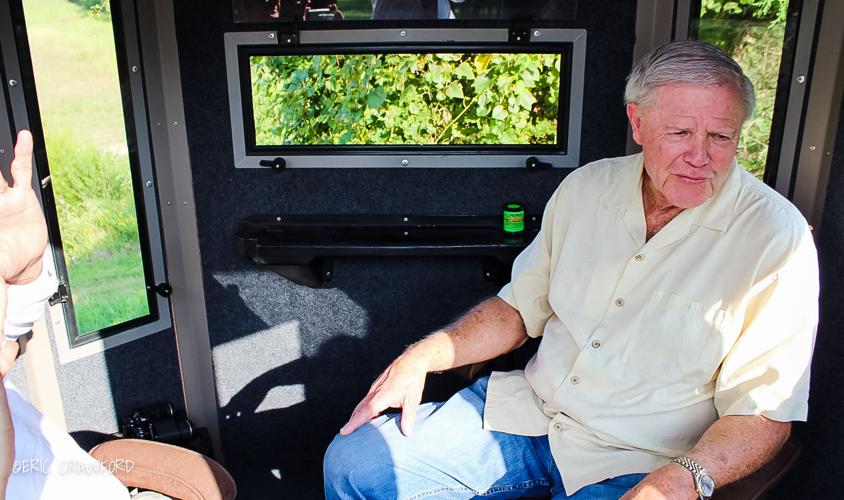
- Eric Crawford photo.
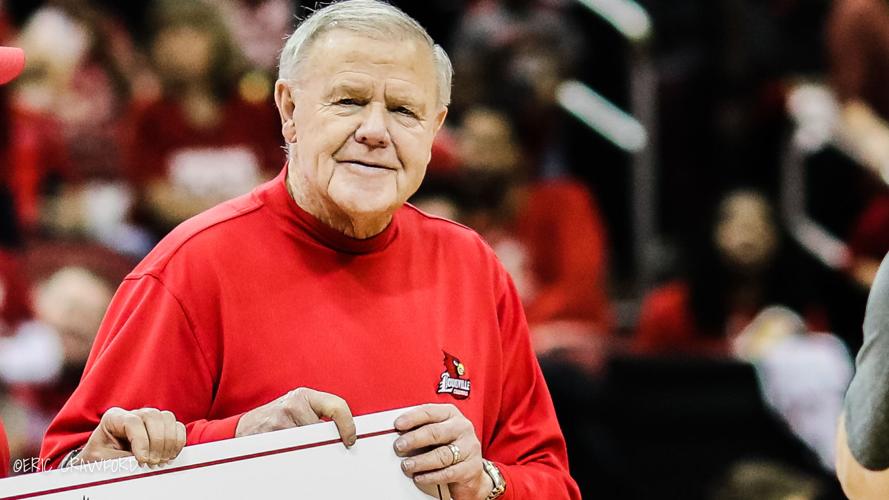
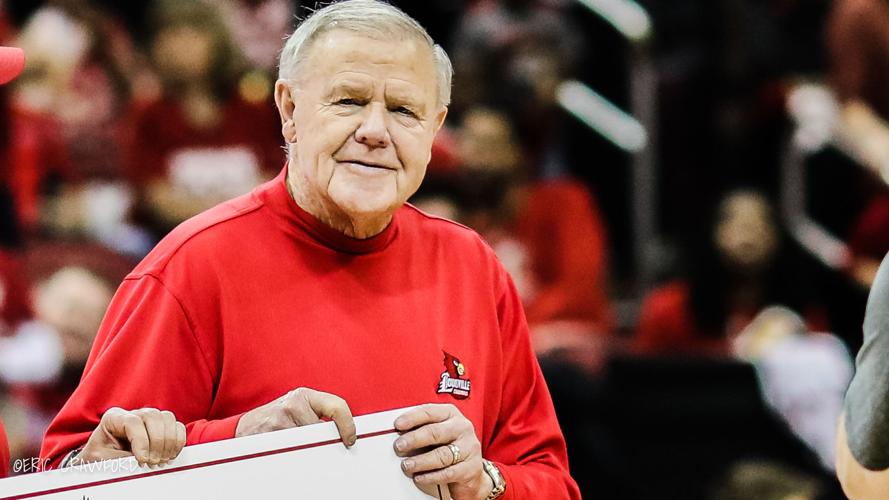
Denny Crum presents a check on behalf of the Denny Crum foundation in February of 2019
- Eric Crawford photo.
"I remember we kind of stopped the game because Denny's arm was bleeding.
"So I said, 'If coaches practice like this, how is regular practice going to be?'"
Bridgeman had a decision to make. He grew up in Big Ten country. Those programs were closer to home. Don Haskins won that national title at Texas Western as the first program to start five Black players. North Carolina State had David Thompson and Tom Burleson, the foundation of a team that would win the 1974 national title.
But Crum had an ally. He built a friendship with ECW freshman coach Frank Kollintzas. Although others pushed Bridgeman toward N.C. State, Kollintzas kept telling Bridgeman that Crum was a terrific young coach, and, with mostly upperclassmen on the Cardinals' roster, immediate playing time would be available at Louisville.
That was enough to swing the opinion of a guy who has grown into one of five most successful Black businessmen in America. After a long run in the restaurant business, Bridgeman has transitioned into owning multiple Coca-Cola bottling operations in the U.S. and Canada, an aluminum mill, Ebony and Jet magazines and a stake in Valhalla Golf Club. Bridgeman said he learned a valuable lesson in the recruiting process.
"It was absolutely a little bit of a leap of faith (coming to U of L) and a little bit of being hoodwinked, I think," Bridgeman said with another laugh.
The campus Bridgeman experienced on his visit seemed different from the campus he saw when he moved in a dormitory for his freshman year at U of L.
"The guys that took me around and some of their stories," he said. "I'd asked them about how big the campus was, how many students, the diversity and all that stuff.
"The numbers they gave me were so far out of line. But that was all in the recruiting scheme. Once you sign and you're here, you're here. And you just kind of figure out how to make the best of it."
Bridgeman figured it out and absolutely made the best of it. The NCAA did not allow freshmen to play for the varsity until the 1972-73 season, so Bridgeman starred for a freshman team that Crum persistently insisted was more talented than the freshman class Adolph Rupp brought to Kentucky that included Mr. Basketballs from Kentucky, Indiana, Ohio and Illinois.
He scored 1,348 points in three seasons as a Cardinal as the program won 72 of 89 games. He led the team to the 1975 Final Four, where they lost a gut-tearing game to UCLA in overtime in San Diego, California. With a victory, U of L would have played UK for the championship.
The Lakers selected Bridgeman with the No. 8 pick in the 1975 draft and included him in the four-player package they traded to Milwaukee for Kareem Abdul-Jabbar. Over a dozen seasons, he scored 11,517 points, crediting the coaching he received from Crum and his staff for his successful career.
"I didn't really understand what it meant to be with a Hall of Fame coach until you get away and you look back and you're with some other coaches," Bridgeman said.
"The first time I really realized how much of an influence that (Crum) had had and how much I had learned was when I got to the pros.
"The fundamentals that he had taught us were a big, big part of being successful in the pros. Positioning on the floor. I could go through a whole list of things.
"I remember thinking how thankful I was that I had gone through that here at the university because it was a big leg up on on a lot of guys coming into the pros at that time."
One more thing. I asked Bridgeman if he ever asked Crum why he recruited him to Louisville but did not recruit him to UCLA.
"No," Bridgeman said with a final laugh.
"That's one of those questions that I guess we'll have to wait until the afterlife to get an answer for you."
Related Stories:
- CRAWFORD | Louisville All-American Jim Price still carries lessons from Crum's 1st season
- BOZICH | What lessons did Denny Crum teach Milt Wagner? The list is long
- Denny Crum, Louisville's legendary Hall of Fame coach, dies at 86
- CRAWFORD | My final Denny Crum moment, and a wink I will never forget
- 'Rest in peace' | Louisville community, college basketball world laments death of Denny Crum
- BOZICH | Denny Crum came, conquered, stayed, becoming Louisville icon
Copyright 2023 WDRB Media. All Rights Reserved.


