

LOUISVILLE, Ky. (WDRB) – The only thing faster than racehorses on the backside of a thoroughbred track are rumors. This one broke sometime late Thursday, set moderate early fractions, then mounted a late rally Friday afternoon before Churchill Downs made it official just after 5 p.m.
The nation’s most famous racetrack will go dark for racing and training in the wake of a dozen horse deaths in just over a month. It's the first action of its kind for the historic venue – and the message it sends within the insulated world of thoroughbred racing should be seismic.
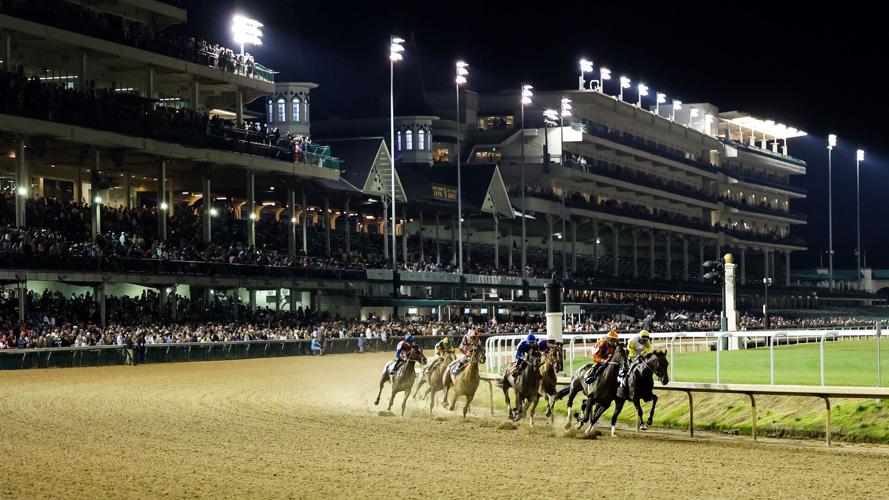
Racing went on as normal at Churchill Downs on Friday, as it will this weekend. But under the Twin Spires this week, nothing has been business-as-usual.
Sources close to the discussions said that the newly formed Horseracing Integrity and Safety Authority expressed an interest in Churchill Downs shutting down even before its “emergency summit” on the track’s 12 horse deaths in a one-month span began on Tuesday. That meeting convened in Lexington, with veterinarians from HISA, the Kentucky Horse Racing Commission and Churchill Downs going over each fatality.
HISA also asked longtime track surface expert Dennis Moore to perform an independent analysis of the Churchill Downs racing surface.
At the end of its summit, HISA said it could find no common link among the horse deaths at Churchill, and on Friday confirmed that Moore’s examination of the Churchill surface was consistent with examinations Churchill had already done and showed “no primary areas for concern.”
Nonetheless, HISA asked Churchill Downs to shut down “to allow for additional comprehensive investigations into the cause of recent equine fatalities at the track.”
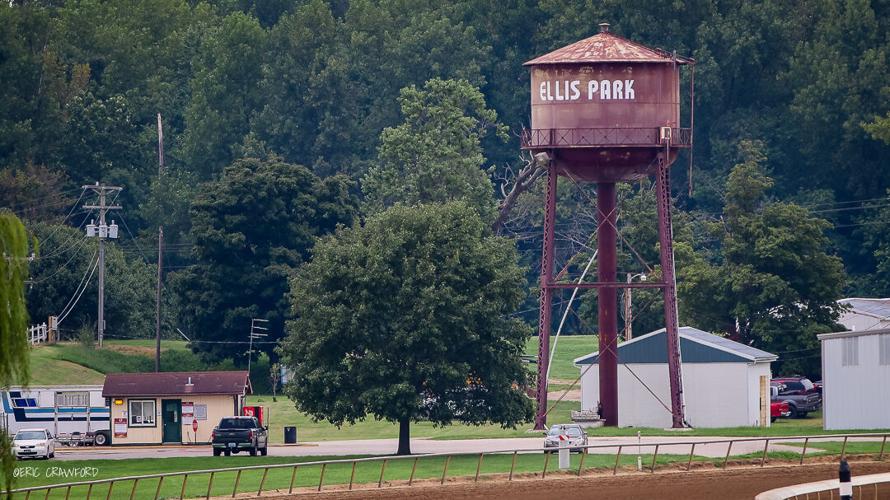
Churchill Downs officials, who knew the recommendation was coming, and that they would abide by it, began to scramble to salvage a summer racing meet in the state of Kentucky. They didn't want a shutdown. They wanted a relocation. So, they looked to the most natural substitute – Ellis Park, a track that Churchill Downs already owned, having bought the facility for $79 million last September.

Ellis Park in Henderson, Kentucky.
Track employees were informed of the decision on Thursday night. Trainers will be informed that they can continue to train and stable their horses at Churchill as usual, even as track officials continue to investigate their racing surface with feedback from riders and trainers, who have offered no complaints on the surface to date.
As of Friday evening, track officials still were working through the logistical headaches of horse transportation to Ellis Park, what kind of housing they could find for the many track employees, starters, valets, and others who would need to spend long stints near Henderson. There had been only cursory discussions of refunding money spent for season boxes, or suites, or group sales and other events scheduled around the racing.
The entire economic impact to the track and surrounding community can’t begin to be known. Certainly, some seasonal jobs will be lost, at the very least. But for Churchill Downs, more fatalities and more scrutiny might have posed an even greater economic threat.
This recommendation stands as the first significant national action for HISA, which came into being through an act of congress in 2020 and has been in operation since last year.
“HISA’s highest priority is the safety and wellbeing of equine and human athletes competing under our jurisdiction,” HISA CEO Lisa Lazarus said. “Given that we have been so far unable to draw conclusions about the cause of the recent equine fatalities at Churchill Downs, and therefore have been unable to recommend or require interventions that we felt would adequately ensure the safety of the horses running there, we made the decision to recommend to CDI that they temporarily suspend racing at Churchill Downs while additional reviews continue. We know that CDI and the KHRC share our goal of ensuring safety above all else, and we appreciate their thoughtfulness and cooperation through these challenging moments. We will continue to seek answers and work with everyone involved to ensure that horses are running safely at Churchill Downs again in the near future.”
Once it knew the shutdown was coming, Churchill Downs Inc., CEO Bill Carstanjen said that the major concern was trying to preserve a summer racing circuit in the state of Kentucky.
“What has happened at our track is deeply upsetting and absolutely unacceptable,” Carstanjen said. “Despite our best efforts to identify a cause for the recent horse injuries, and though no issues have been linked to our racing surfaces or environment at Churchill Downs, we need to take more time to conduct a top-to-bottom review of all of the details and circumstances so that we can further strengthen our surface, safety and integrity protocols. In addition to our commitment to providing the safest racing environment for our participants, we have an immense responsibility as the economic engine of the thoroughbred industry in Kentucky which provides jobs and income for thousands of families every day. By relocating the remainder of the meet to Ellis Park, we are able to maintain this industry ecosystem with only minor disruption. We are grateful to the Kentucky horsemen for their support, resiliency and continued partnership as we collectively work to find answers during this time.”

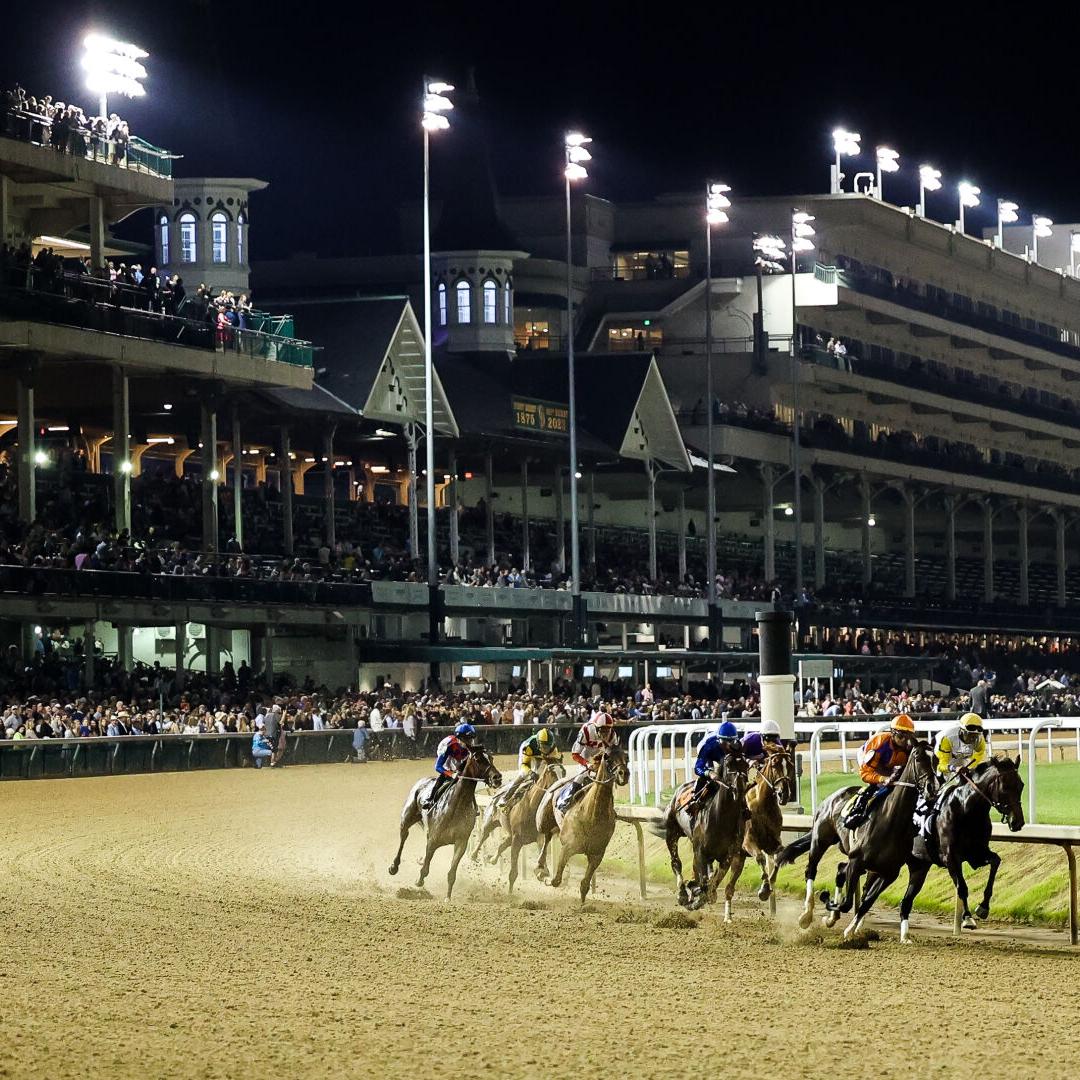
Churchill Downs on the opening night of the 2023 spring meet.
At least one Kentucky horsemen’s group is less than thrilled. Rick Hiles, president of the Kentucky Horsemen’s Benevolent and Protective Association, issued a quick response.
“Horsemen question the purpose of this unprecedented step, especially without conclusive evidence that there is a problem with the racetrack at Churchill Downs,” he said. “We all want to find solutions that will improve safety for horses. However, we need to discuss allowing trainers and veterinarians to use therapeutic medications that greatly lessen the risk of breakdowns. Drastic steps, such as relocating an active race meet, should only be considered when it is certain to make a difference.”
Indeed, the news on the Churchill Downs racing surface on Friday was all good. HISA released the following metrics from Moore’s examination of the track.
- Cushioning: “Consistent at the various measurement points around the track.”
- Cushion layer: “Did not identify any anomalies or causes for concern.”
- Daily measurements: “Within the expected measurement ranges.”
- Surface grade: “Similar to pre-meet inspection.”
- Composition: “Consistent with previous years.”
At this point, it has to be said – the problem is not with the track. The problem is with the horses. It’s with the breed. These animals are bred for speed, not soundness. And years of inbreeding has exacerbated the issue.
They are not as durable as they used to be, nor as durable as they need to be.
Until deeper problems in the sport are addressed – and changes to medication only begin to do that, while some changes may not be helping at all – horses will still die. That’s the problem HISA, and the sport, are facing.
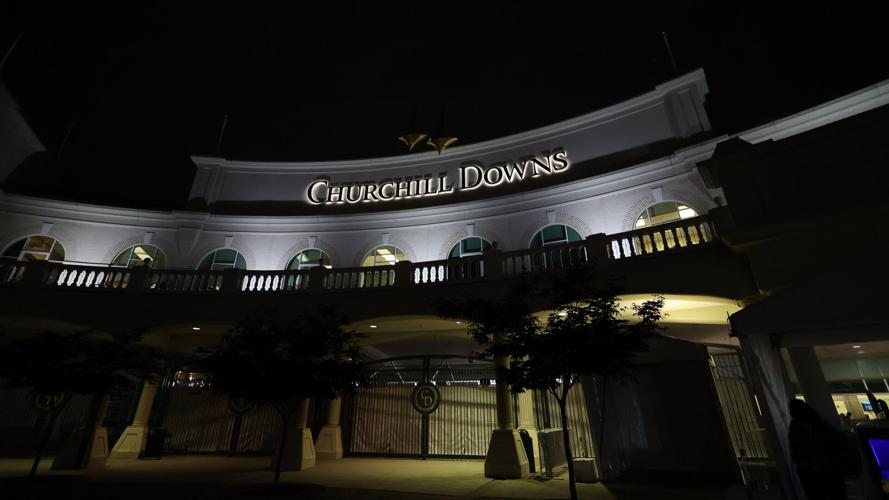
The Twin Spires are iconic in the sport. What happens beneath them draws national attention. The track’s willingness to suspend its live racing and move it elsewhere is a nod to the need to respect horse racing's new national safety authority.
For the second summer in 4 years, Churchill Downs will go dark for the early summer months. Whatever you think of its motives, perhaps this does position the track to be a light in dark times for its sport.
Whether it will save any equine lives is far less certain.
Related Stories:
- Top trainers Romans, McPeek support Churchill Downs' move to Ellis Park
- Churchill Downs moving spring meet to Ellis Park after 12 deaths in 30 days rock horse industry
- HISA 'emergency summit' finds no pattern in Churchill horse deaths, adds safety measures
- After meeting with horsemen, Churchill Downs announces new safety measures
- Horse death in Churchill's first race Saturday, the track's 12th in a month, prompts statement
Copyright 2023 WDRB Media. All Rights Reserved.

