LOOK UP!
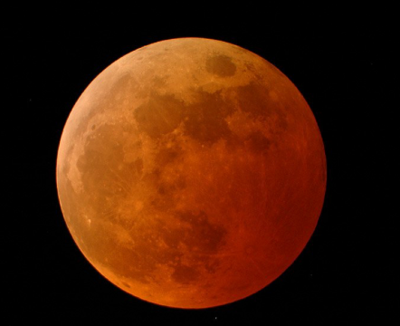
There is a lot to see in the night sky this holiday weekend - including a lunar eclipse! During a lunar eclipse, Earth gets in the way of the sun’s light hitting the moon. That means that during the night, a full moon fades away as Earth’s shadow covers it up.
Tonight we will have a partial penumbral lunar eclipse. This will create a subtle shadow on the moon tonight/early tomorrow. This is occurring on the full moon. The July full moon is known as the buck moon!
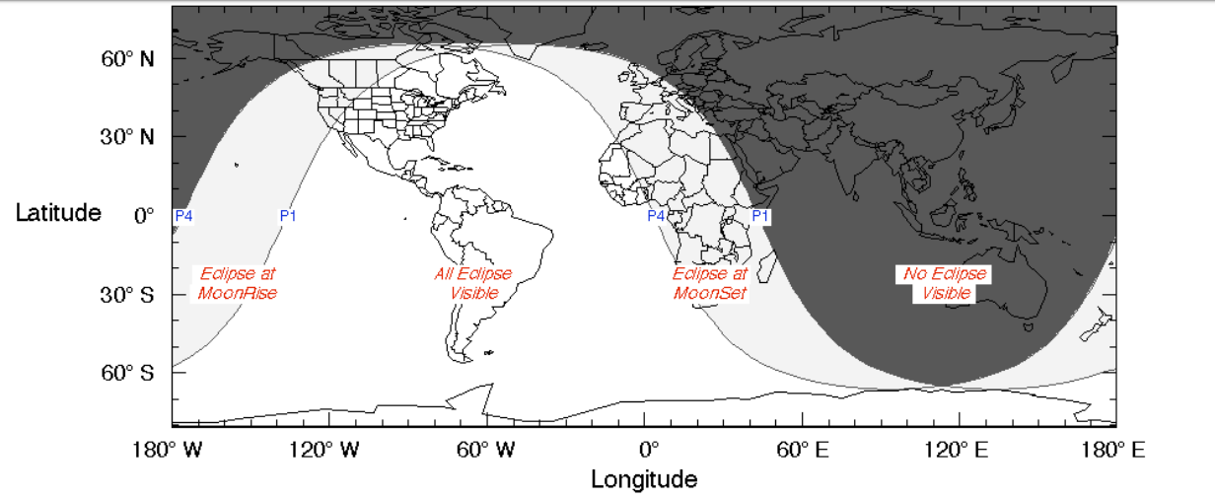
This partial penumbral eclipse of the Moon will be visible from most of North America, but the slight reduction in brightness on part of the Moon will be difficult to notice with the human eye.

When to Look:
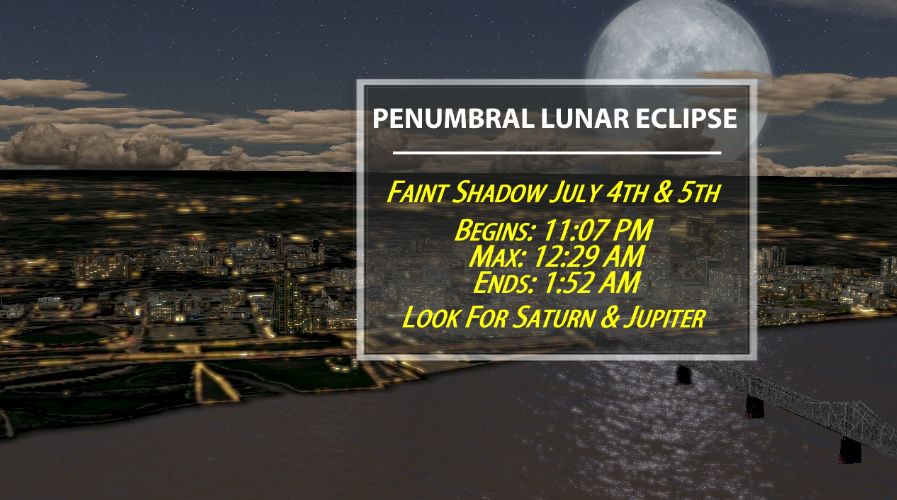
The Moon will start to enter the partial shadow on Saturday night, July 4, 2020, at 11:07 p.m. EDT. On Sunday morning at 12:30 a.m. (the peak of the eclipse) about 35 percent of the Moon will be in the partial shadow. The Moon will finish exiting the partial shadow of the Earth at 1:52 a.m.
THAT'S NOT ALL!
This evening, as twilight ends, the bright planet Jupiter and the fainter planet Saturn will appear in the east southeast, with Jupiter to the right about 6 degrees above the horizon and Saturn on the left about 3 degrees above the horizon.
The bright star closest to appearing directly overhead will be Arcturus, appearing 64 degrees above the southwestern horizon. The three bright stars of the "Summer Triangle" will appear towards the east, with Vega appearing 55 degrees above the horizon in the east-northeast, Deneb about 35 degrees above the horizon to the lower left of Vega, and Altair in the east about 26 degrees above the horizon.
As the lunar cycle progresses, the background of stars and planets will appear to shift towards the west. This summer should be a great time for Jupiter and Saturn watching, especially with a backyard telescope.
Jupiter will be at its closest and brightest for the year on July 14, 2020, while Saturn will be at its closest and brightest on July 20, 2020. This is called "opposition" because they will be opposite the Earth from the Sun. Both will appear to shift towards the west over the summer months, making them visible earlier in the evening sky and friendlier for backyard stargazing, especially if you have young ones with earlier bed times.
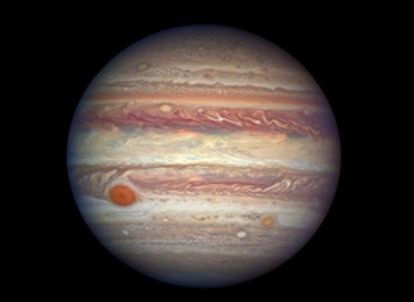
With clear skies and a small telescope you should be able to see Jupiter's four bright moons, Ganymede, Callisto, Europa, and Io, shifting positions noticeably in the course of an evening. For Saturn, you should be able to see the brightly illuminated rings as well as the motions of Saturn's moons, particularly the largest moon, Titan.


