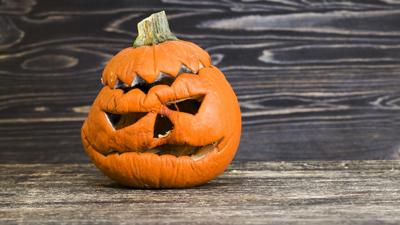
Meteorologist Hannah Strong explains how weather can ruin your pumpkins faster and how to prevent it
WHAT YOU NEED
- Carved pumpkin
- Cooking oil OR vinegar solution (2 parts water, 1 part vinegar)
WHAT YOU DO
Carve your pumpkin, removing as much of the guts as you can. After carving it, coat the pumpkin in either cooking oil or the vinegar solution described above. This will help "seal" all the sensitive "flesh" of the pumpkin you just exposed. Don't use bleach, WD-40, or petroleum jelly to accomplish this, even though other posts on the internet say those are options. Those substances can be harmful to critters who might come investigate your pumpkin.
WHAT IS HAPPENING
Have you noticed how pumpkins get mushy after sitting out too long? This activity shows you why and what you need to do to prevent that from happening. Pumpkins grow on vines, so once you cut it off the vine, you have started its process of slowly dying. But you can slow that decay by keeping fungus and bacteria away from your pumpkin. Bacteria and fungus grow in a wet environment, which is why you should pull out all the pumpkin's guts to remove as much moisture as possible when you carve it.
The pumpkin won't do well in heat, direct sunlight, too much rain, or sub-freezing temperatures. If one of those is forecast to happen, consider bringing the pumpkin indoors to keep it healthier longer. You do need to keep the pumpkin cool and hydrated to preserve it, so consider laying a cool, wet towel over it at night or storing it in the refrigerator at night.
DISCUSSION IDEAS
Do you carve pumpkins in the fall?
Have you noticed your pumpkin starting to get soft or collapsing after a few weeks outside?
What other things get stored in the refrigerator to keep them fresher longer?
Why do pumpkins not react well to weather extremes?


