WHAT YOU NEED:
flashlight
2 liter bottle
milk
water
WHAT YOU DO:
Fill the bottle about 3/4 of the way full with water
Prop the flashlight up so it shines through the side of the bottle
Add a little milk (about 1 tsp to start) and shake the bottle to mix. Repeat until the liquid in the bottle takes on a blue tint in the light of the flashlight
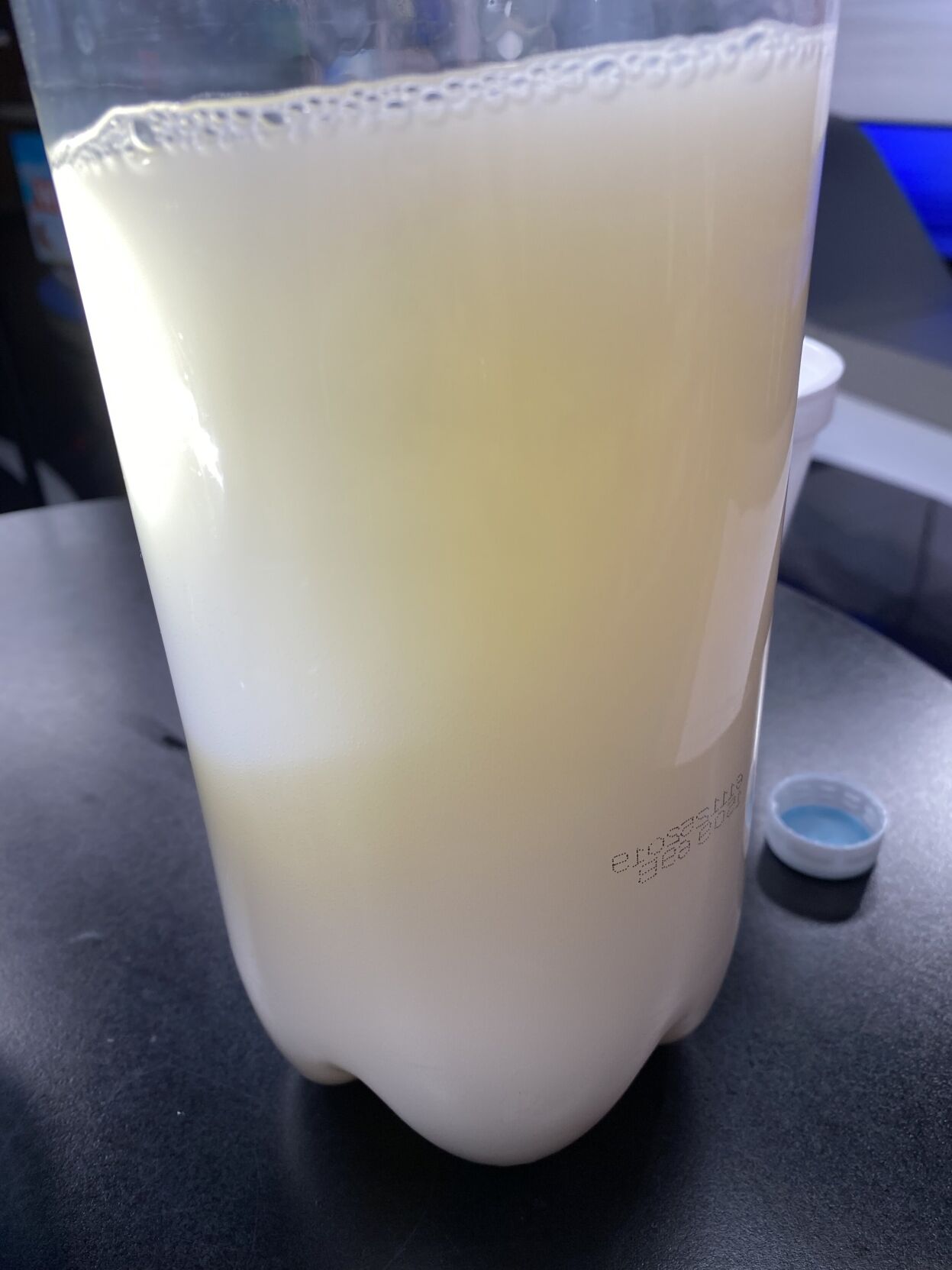
Stop and observe the blue color. Then continue the process of adding milk and mixing the contents until it turns more of an orange color. Observe any other changes you see along the way.
WHAT IS HAPPENING:
The water in your bottle is acting like the atmosphere if everything was perfect: no pollutants, clouds, or particles of any kind - just pure oxygen and nitrogen. Adding the milk simulates those other particles in the air: water vapor, carbon dioxide, dust, pollutants, etc.
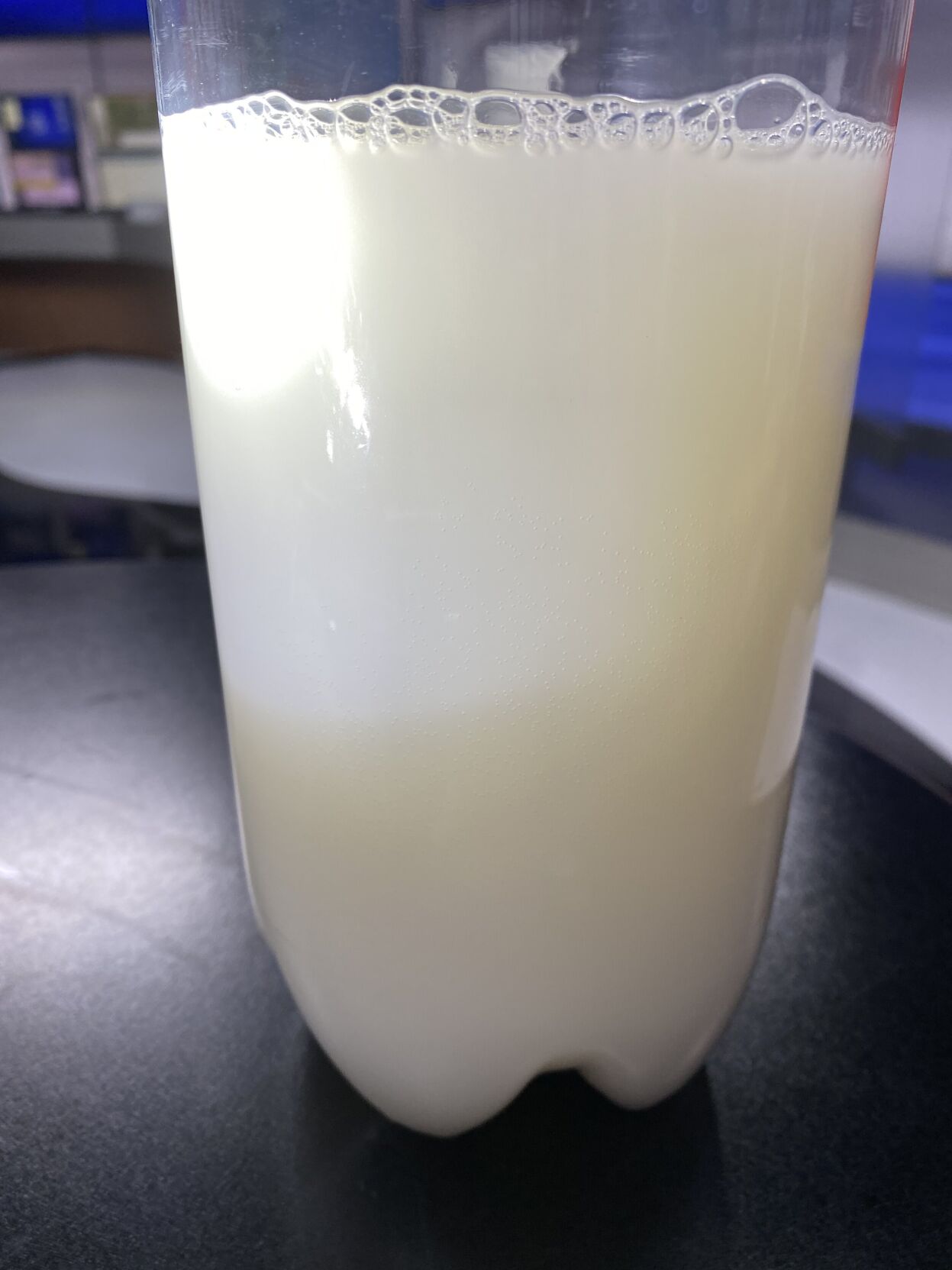
- Our atmosphere scatters more blue light than any other color because it has a smaller wavelength. That allows blue light to successfully make it through all those particles when the other colors on the visible spectrum get blocked from reaching us.
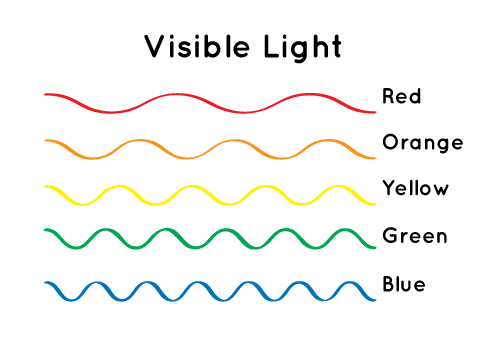
Image Credit: NASA
- As you add more milk the color turns orange. This happens around sunrise or sunset when the light is being filtered through thicker parts of the atmosphere (lower sun angle, closer to the horizon), so even more of the visible light spectrum is getting scattered.
DISCUSSION IDEAS:
Now that you know this, why is the sky not red? Purple?


