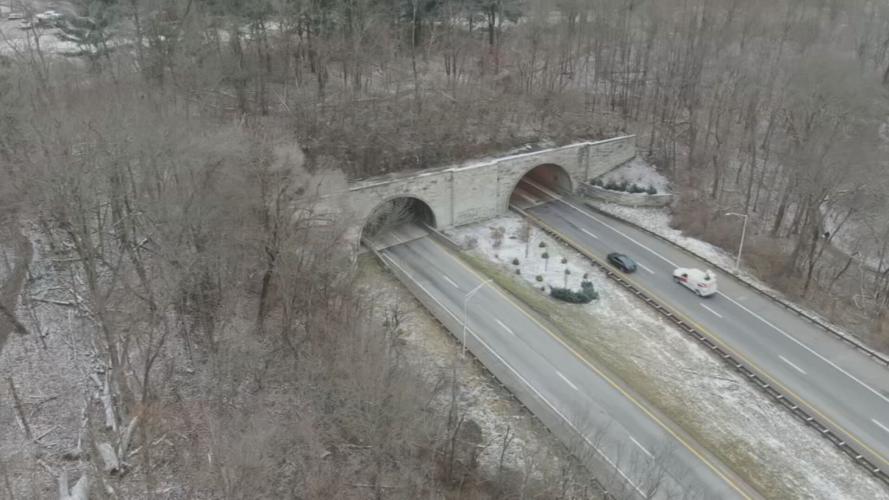


LOUISVILLE, Ky. (WDRB) – Widen Interstate 64. Erect signs warning of traffic backups. Create lanes for cars carrying more than one person. Build a third tunnel through Cochran Hill.
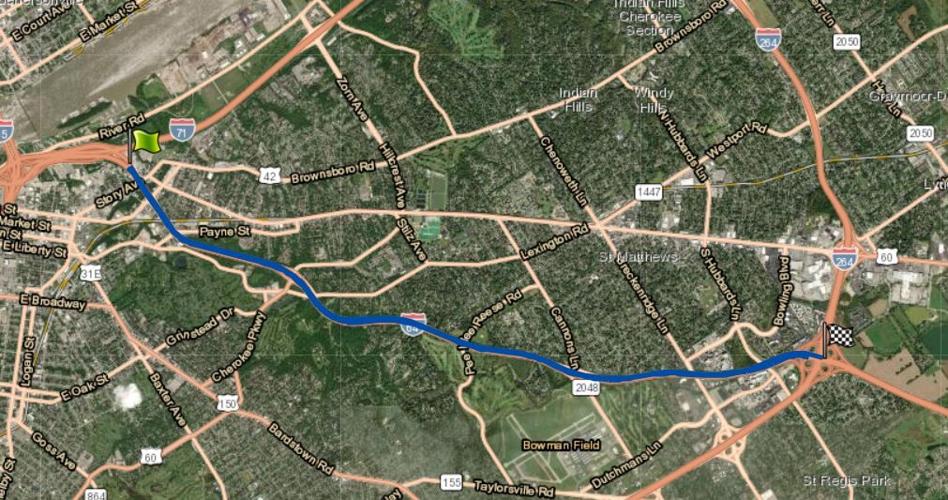
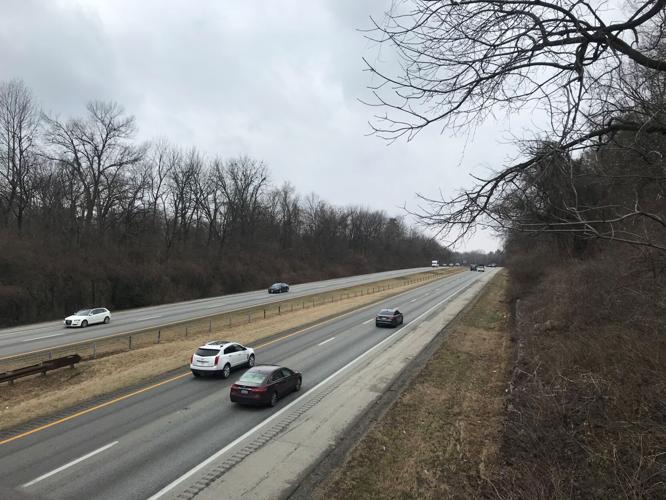
Those are among the ideas transportation officials and state consultants are reviewing as part of an effort to improve safety and ease congestion on the four-lane stretch of I-64 between the Watterson Expressway and Butchertown.
The Kentucky Transportation Cabinet expects to release its report in February, possibly using the findings to guide short- and long-term projects on the city’s interstate corridor that runs close to Cherokee and Seneca parks, Bowman Field, medical buildings and surrounding neighborhoods. It could also recommend doing nothing.
State officials have targeted this part of I-64 for years, proposing a widening through the tunnels near Grinstead Drive in the early 2000s before pulling the idea after public backlash. The agency sought another expansion just over a decade ago, but it didn’t advance.
Public sentiment is largely against any changes this time as well, according to project documents. Of the 407 people surveyed last summer, nearly 40 percent said no improvements are needed to the area, while about 35 percent supported minor work.
The prospect of widening the interstate has brought opposition from the Olmsted Parks Conservancy, which fears that approach would take trees and other park land, introduce invasive species, threaten wildlife and endanger Beargrass Creek.
“Our main point is that we don’t want to see (I-)64 widened through Cherokee or Seneca, because to do so they would have to take some park property,” said Layla George, the conservancy’s president and CEO. “And we’re adamantly opposed to any loss of park property.”
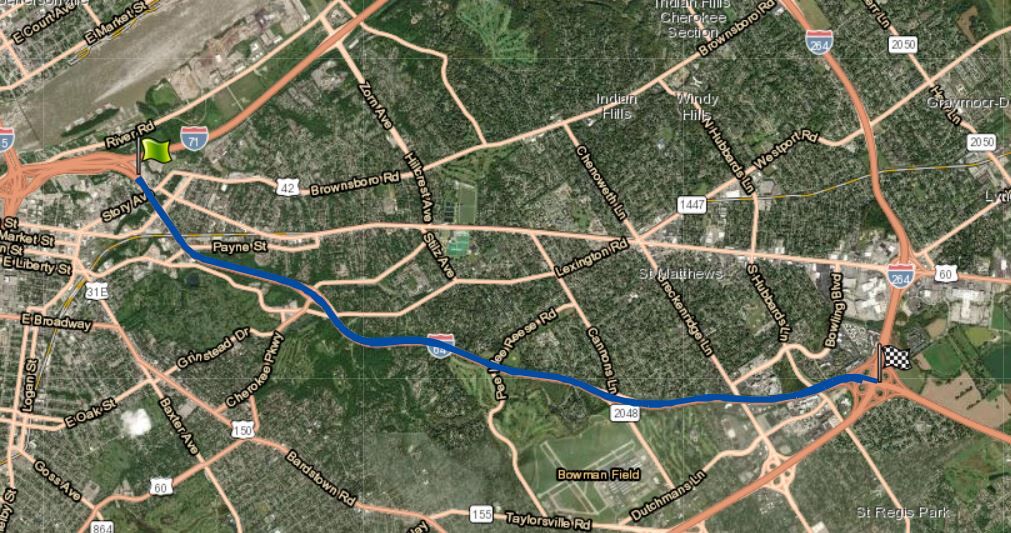
The stretch of I-64 included in the planning study.
The study also comes at a time when more people are flocking to the city’s parks during the COVID-19 pandemic, George said. Park use in Louisville is up 150 percent, she said, citing Google-tracked cell phone data.
The conservancy is one of the “stakeholders” that has offered input on the study state lawmakers commissioned in 2018. The Transportation Cabinet declined to list others, directing a reporter to submit an open records request for those names; that request hasn’t yet been fulfilled.
But public feedback will be part of the final report, Transportation Cabinet spokeswoman Stephanie Caros said.
“The Cabinet understands and remains committed to the value of environmental preservation. The Cabinet currently has no plans to pursue a major project that would impact the tunnels or the park,” she said in a statement.
The Transportation Cabinet’s $293,144 study seeks to find ways to reduce congestion, fix I-64 “deficiencies,” weigh environmental impacts and allow for future traffic increases. Planning officials held two rounds of meetings for stakeholders, and conducted two online surveys.
The most recent survey wrapped up last week. Its results have not yet been made public.
In the earlier survey, people who opposed any work in the area said they were concerned about potential impacts on parkland and the tunnels. And they argued that a major widening project would be too costly.
Some contended that the state should be promoting mass transit and better pedestrian and bicycle infrastructure in the area.
In all, project planners put forth three “improvement strategies” and rated them based on their overall impacts:
Transportation Systems Management and Operations. This approach would use technology such as electronic signs and text alerts to let drivers adjust to traffic — like cars queuing on the Grinstead Drive off-ramp.
Also under consideration is ramp metering, a method that uses traffic signals to manage how many cars can enter the highway. The devices aren’t used in Kentucky.
And planners are interested in possibly converting one of the existing lanes in each direction for "high occupancy vehicles" — cars with more than one person — or buses.
Safety. Targeted safety work being studied includes widening to three lanes on I-64 West between the Watterson and Cannons Lane; and on I-64 East between Story Avenue and Grinstead. Another idea is to add new lanes west of Grinstead and east of Cannons. Any expansion would occur in the median.
Another idea is to extend lanes for speeding up and slowing down at the Grinstead and Cannons interchanges, with public feedback showing the greatest need at Grinstead. However, project documents suggest it would be difficult to lengthen either off-ramp; the eastbound ramp is near Beargrass Creek, while the western ramp is close to the tunnels.
Major widening. Perhaps the most controversial proposal, crews would widen the entire interstate between Story and the Watterson in the median — including expanding the current Cochran Hill tunnels. More work is needed, however, to know whether there is enough rock cover to widen the tunnels.
A geological study also would have to determine if a third tunnel could be built, either north of south of the current tunnels “to minimize impacts to Cherokee Park.” The interstate’s westbound tunnel could be used for an express lane with no access to Mellwood Avenue, Grinstead and Cannons.
Metro Council member Bill Hollander (D), whose 9th District includes the interstate between Story Avenue and Grinstead Drive, said he opposes any widening. “I don’t think there’s a good way to add lanes in this section of I-64, and I also don’t think it’s good policy at this point,” he said.
Instead, Hollander said he supports changes to address existing backups on I-64 at the Grinstead exit, such as adding additional turning lanes at the intersection.
The state’s analysis estimates traffic volumes in 2045 and compares those with 2020, when the coronavirus pandemic altered work, school and travel patterns for much of the year. It’s still unclear how vehicle use will be affected by permanent changes to driving.
The state data show that 80,500 cars used I-64 between Grinstead and Cannons last year, for example, with average daily traffic of 87,900 forecast in 2045.
Those estimates are lower than the 82,552 vehicles that traveled that section of I-64 in 2018, according to state data. Meanwhile, I-64 traffic between Cannons and the Watterson increased, while it dropped between Grinstead and Story Avenue.
Overall, traffic is expected to increase by as much as 10 percent in the corridor by 2045.
Caros, the Transportation Cabinet spokeswoman, said a modeling system for traffic demand run by the regional Kentuckiana Regional Planning and Development Agency is the “best tool we have to estimate traffic due to roadway changes.”
Copyright 2021 WDRB Media. All rights reserved.


