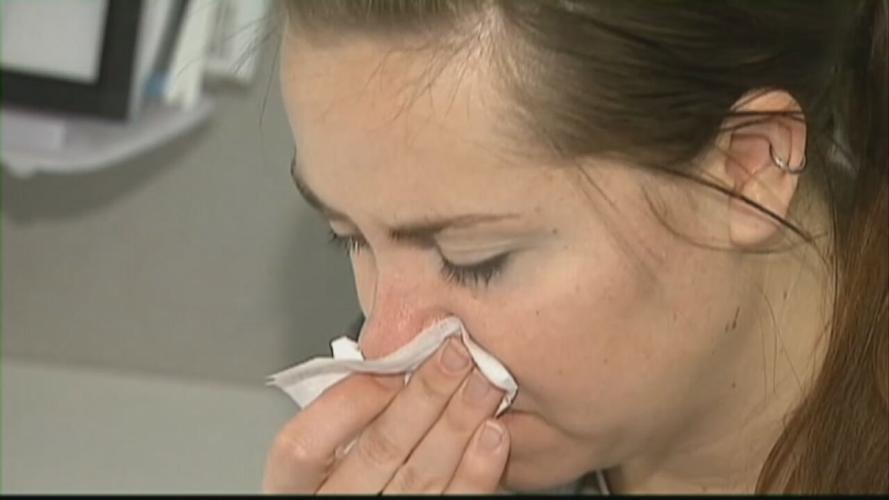
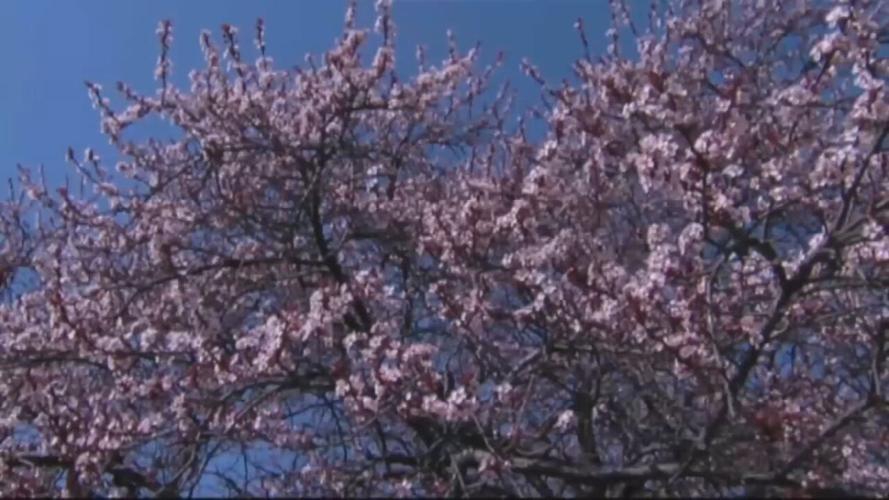
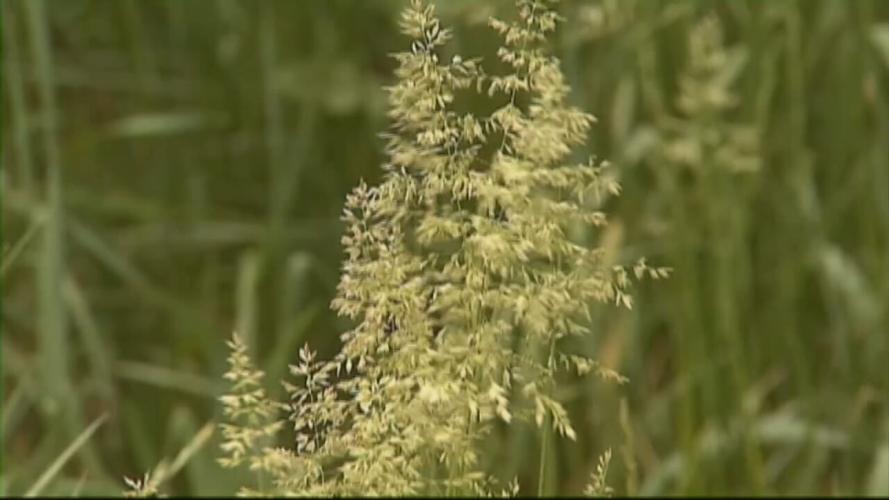


LOUISVILLE, Ky. (WDRB) -- Seasonal allergies have started have started to bother people around the Ohio River Valley region.
A recent study published in the Proceedings of National Academy of Sciences in the United States of America strongly suggested anthropological climate change is making allergy season worse and longer.
The study observed pollen trends from 1990-2018 using 60 stations across North America that are maintained by the National Allergy Bureau.
Angela Sandlin, pharmacy director at Baptist Health La Grange, said allergy season has started earlier this spring.
"We're seeing more of that at the hospital. Patients are mentioning it," Sandlin said. "It's worse earlier. That's what seems to be the consensus."
There's a difference between allergy symptoms and COVID-19, according to Sandlin. She said COVID-19 comes with the loss of taste and smell, along with more achy pain and general sickness.
Allergy symptoms typically include a runny nose, nasal congestion and sneezing.
"We call that differential diagnosis because even though they can all have nasal symptoms and cough sometimes, there are things that are particular to one of the other," Sandlin said.
A cold is more likely to have symptoms like a soar throat and a cough, according to Sandlin. A fever can be symptoms for COVID-19 or a cold but not allergies.
"Your health care provider can very much help you distinguish that," Sandlin said. "The best thing to do would be to prevent it."
Preventive care can help control allergies, according to Sandlin.
"Stay indoors when the pollen count is high," Sandlin said. "You can vacuum often. Believe it or not, a lot of that pollen ends up on your floor and furniture."
Changing air filters and keeping windows closed when the pollen count is high can also help, Sandlin said.
She recommends taking decongestants, antihistamines and nasal sprays to help treat allergies.
Related Stories:
Copyright 2022 WDRB Media. All Rights Reserved.


