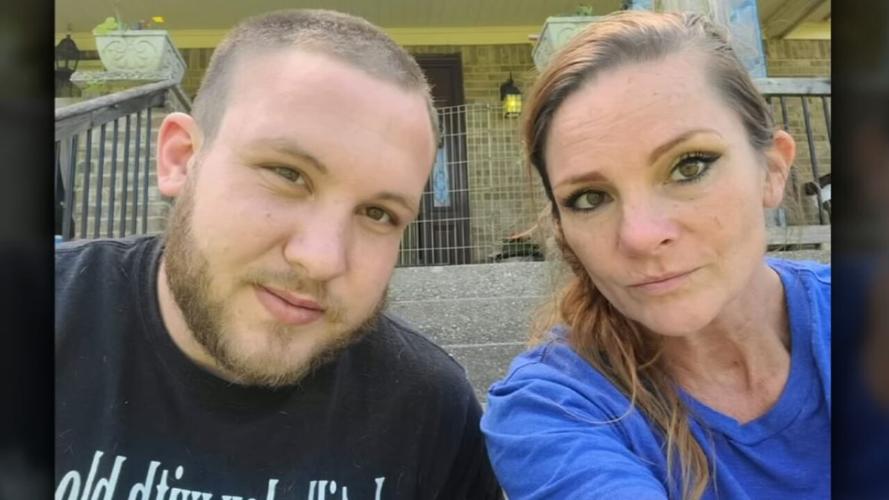




LOUISVILLE, Ky. (WDRB) -- A local mother's heart breaks as she watches her adult son with schizophrenia get pushed around a revolving door of Louisville's mental health system.
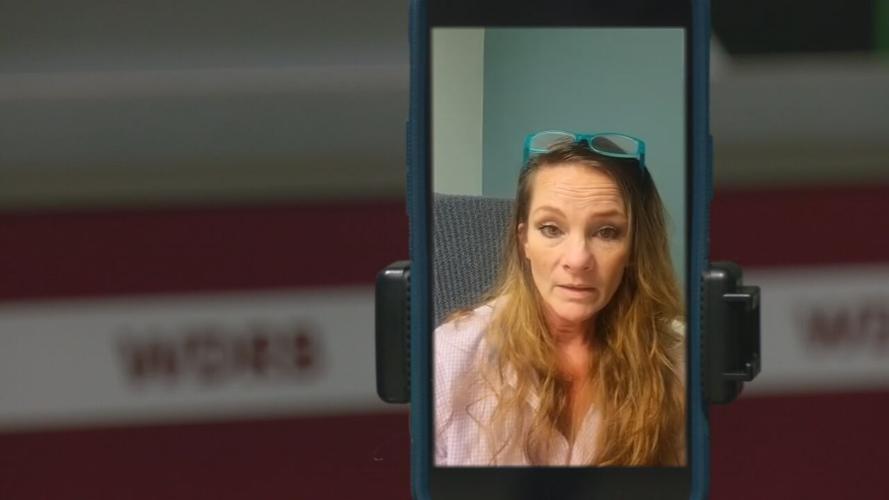
Christy Collins said a scathing report from the U.S. Department of Justice this week on services provided in the city has echoed her cries for years as she tries to get her son the help he needs.
"I mean, literally you do what you can to get through it," Collins said.
Her son, Destin, was in jail for six months.
"And the only thing he had was the voices in his head," she said.
He's been in and out of local hospitals, something Collins said is a "constant revolving door."
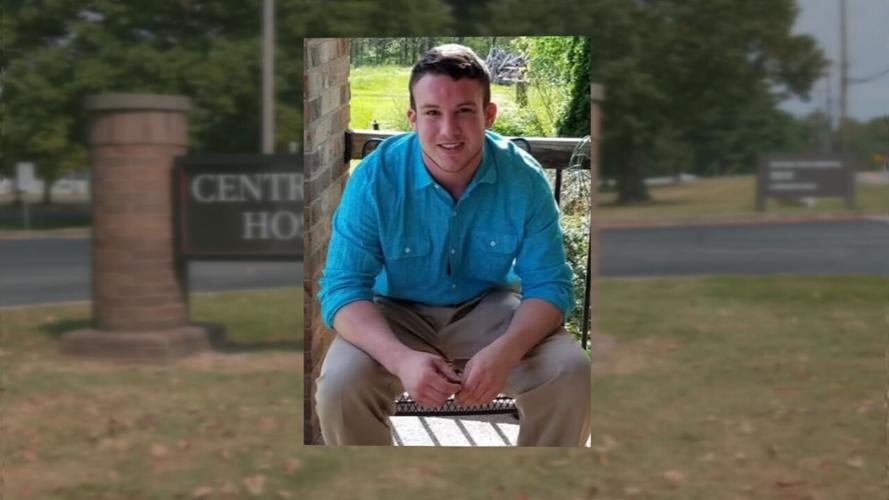
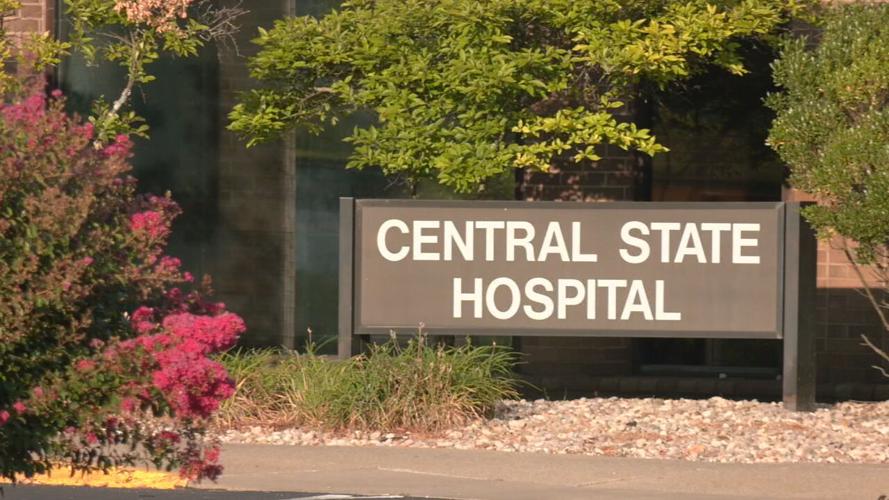
Her son has had 11 mental inquest warrants and has done two stints in Louisville's Central State Hospital.
Collins said her son is 26 years old, but cognitively he's much younger.
"Depending on the day, it could be 12, it could be 15," she said. "And those are on good days."
He was diagnosed with schizophrenia five years ago.
In a report released Tuesday, the U.S. Department of Justice said the state of Kentucky is failing people with mental illness.
Collins whole-heartedly agrees.
"There comes a point where the medication isn't right, or it stops working and it's a revolving door," she said. "It literally is."
In her experience, hospitals offer a Band-Aid fix, at most.
"For instance, some of the medication that they put them on, they will release them after seven days, and it takes 14 days for the medication to even kick in," said Collins. "So they're still in psychosis when they're being released."
She said that happened to her son this summer.
"And that's a problem, especially when they're not relaying that to the family," she said.
Collins said Destin could not stop pacing back and forth in their driveway and when she went to check on him, he was gone. She started searching and called police. He was found 16 hours later.
"At that point, the only place that could do anything for him was Central State," she said.
He's been there for a few weeks, and could be there for another two weeks as they work to find the right medication for Collins' son.
But what comes next is uncertainty.
"It's terrifying, it's heartbreaking," said Collins. "You feel like there's nothing you can do. And so you try and you ask every service that there is, 'Can I get help?' Can I have care like for an elderly person? Elder care? Or some sort of adult day care."
The DOJ's report said Louisville needs more community-based services to help with crisis stabilization, employment, housing and transportation.
It paints the same picture of what mental health advocates told WDRB during an investigation into Louisville's justice system last year.
"Long-term care would be the best solution and not just this rapid cycling through the justice system," Nancy Brooks, executive director of NAMI Louisville, said. "That's not helping anybody."
Collins has her own health struggles, and dreads thinking about what will happen to Destin when she's gone.
"That is my greatest fear, that my son's going to wind up homeless," she said. "He's my child. I love him. You don't ever give up on that," said Collins.
She said she's written to every single Kentucky state lawmaker, and she only received a response from one of them.
Collins encourages others to reach out to lawmakers as well, in hopes of getting more funding for mental health resources.
Related Stories:
- Officials outline path forward after DOJ criticizes Kentucky's mental health system
- DOJ report accuses Kentucky of 'unnecessarily' hospitalizing Louisville residents with mental illnesses
- 'Broken' justice system highlighted by Louisville rape case prompts calls for reform
- Kentucky lawmakers remove funding for mental health issues
- 'Safer Kentucky Act' looks to address loophole in 'Cane Madden' law
- Local health care leaders working to end stigma of mental health help among minority communities
- Louisville mental health clinic using ketamine to treat patients
Copyright 2024 WDRB Media. All Rights Reserved.


