
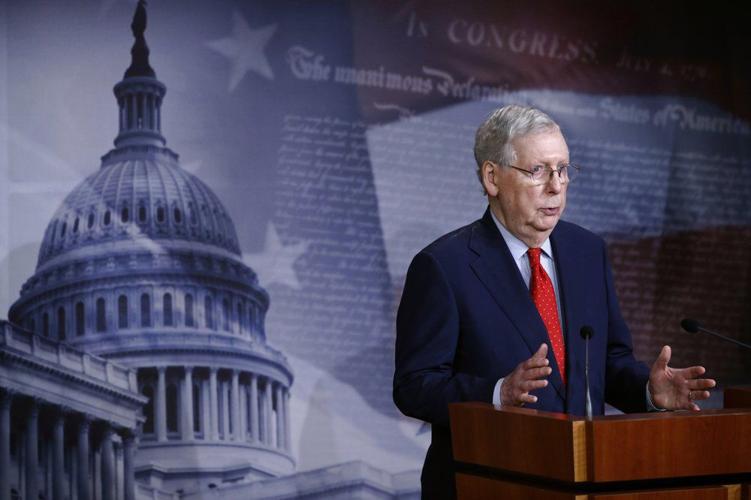



LOUISVILLE, Ky. (WDRB) — Louisville’s police department, fire department, libraries, parks and other services will face deeper, more drastic cuts unless the city secures federal aid, Mayor Greg Fischer warned in his annual budget request to Metro Council.
“(This budget) is the tenth and, in many ways, most difficult budget proposal that I’ve had to present to you as our city, commonwealth, country, and planet struggle with the devastating COVID-19 pandemic,” he wrote to council members.
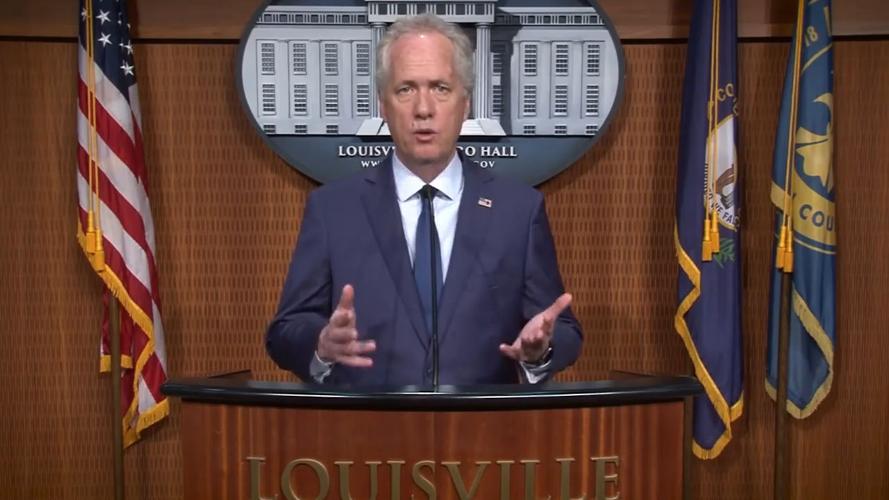
For the first time, as the deadly COVID-19 pandemic spreads, Fischer didn’t deliver his comments in front of the council at City Hall. He taped his comments at Metro Hall and broadcast them to members via WebEx, with social distancing in mind.
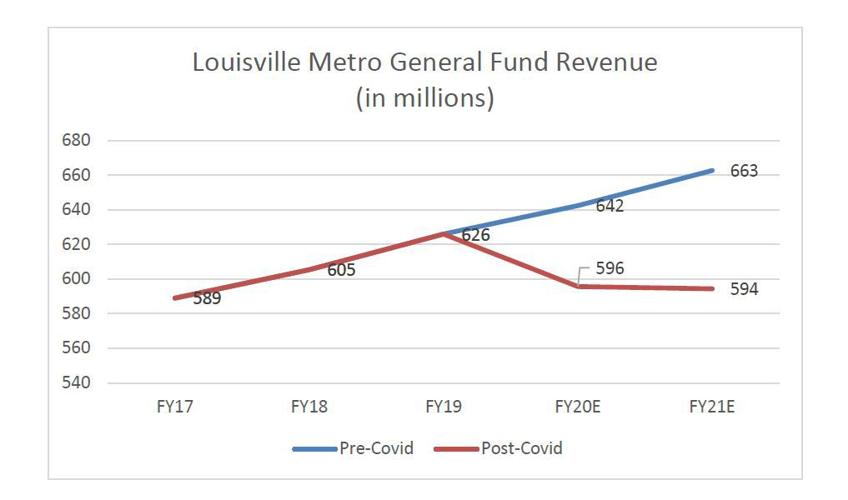
Fischer said the pandemic has stifled the city’s finances as it crushes the nation’s economy. Increased unemployment has stymied payroll taxes, which account for 47% of the city’s budget. Businesses are seeing fewer profits, and 11% of the budget is funded by taxes that businesses pay on profits. Additionally, the city is bringing in less revenue from fees charged by services like EMS, the Louisville Water Company and the Louisville Zoo.

(Source: Louisville Metro Government)
The city is projecting a $46 million decline in revenue for the current fiscal year and another shortfall of $69 million during the next fiscal year, which begins on July 1, 2020.
For that reason, Fischer is proposing a tentative “continuation budget” for the next fiscal year. Combining $594.4 million in expected tax revenue, $7.6 million of non-recurring funds and the use of $19 million from Louisville’s "rainy day" account, city services would tentatively be funded at their current levels, which are already reduced after the city cut roughly $25 million from its budget last year when faced with an increasing pension obligation from the state.
More cuts, however, could become necessary as the city continues to learn the extent it’ll suffer financially because of COVID-19.
Fischer said the city’s financial well-being will depend on whether or not Washington sends more aid to cities like Louisville.
“That’s why I and mayors across the country are adamantly urging Congress to give cities flexibility in how we spend those dollars, plus provide additional direct funding to address our gaps,” Fischer said. “American cities must receive federal relief to make sure our residents have police, fire, emergency, public health, housing, sanitation and other services needed to recover from this crisis.”

While he noted that Washington has already sent Louisville $134 million as part of the Coronavirus Aid, Relief, and Economic Security (CARES) Act, Fischer said that money can’t be spent on anything other than direct COVID-19 expenses.
Fischer warned that without more help from Congress between now and Oct. 1, the city will be forced to suffer “immense pain” by tripling the cuts it made last year.
“For context, remember the painful cuts forced by a $25 million deficit last year?” the mayor said. “Now, we’re facing the prospect of cuts about three times that amount. There is simply no way to absorb this level of loss without considering a significant tax increase or reducing every single agency of Metro Government, including our top priority of public safety, since it makes up over 60 percent of our budget.”
Fischer added that a tax increase is the very last resort.
“This would be a terrible time to ask people for a tax increase,” he added.

Louisville Metro Council President David James
In a morning teleconference with media members, Metro Council President David James, D-6, echoed the mayor’s plea for more help from Washington and hesitation against a tax increase.
“I don’t see that as something the council or mayor, right now, have an appetite for,” James said.
Last year, a proposed insurance premium tax was defeated by both Metro Council Republicans and Democrats, and there’s been little desire by council to pursue a tax hike ever since.

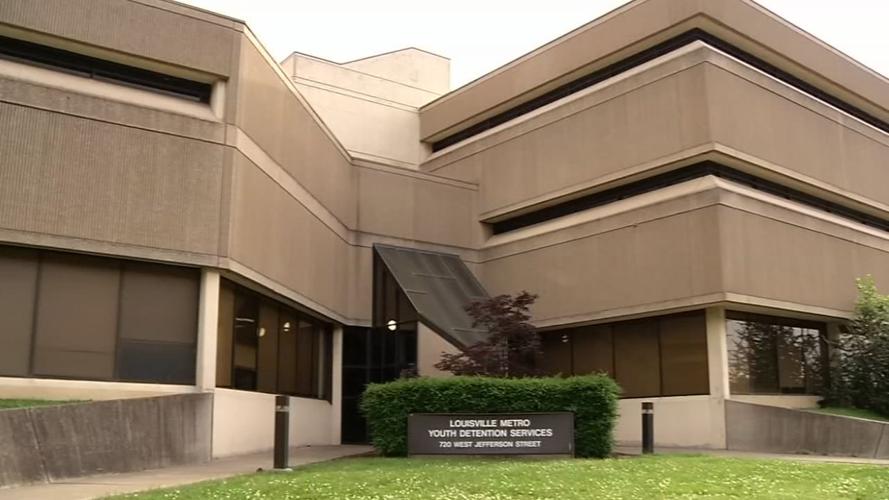
Metro Youth Detention Services is now closed because of last year's budget cuts.
Last year, council ultimately signed off on a package of cuts that reduced the overall number of LMPD officers, reduced staffing at a fire station in the Highlands, closed a library and surrendered youth detention services to the state.
Months ago, in a strong economy, the city projected it would bring in $18.9 million more in revenue than it had anticipated. When the coronavirus led to a sharp downturn in the economy, that hopeful projection was erased.
Thursday, as he invited the city’s residents and business owners to contact members of Louisville’s federal delegation and ask for aid, Fischer also launched a new citywide recovery effort he’s dubbed “Build Back Better, Together." It's a three-step initiative that will guide the city through re-activating its economy once the public health threat of COVID-19 is minimized.
“When we lean into that work, when we lean into challenges, our city and our people can flourish,” he said.
See the mayor’s full budget presentation below.
Copyright 2020 WDRB Media. All Rights Reserved.


