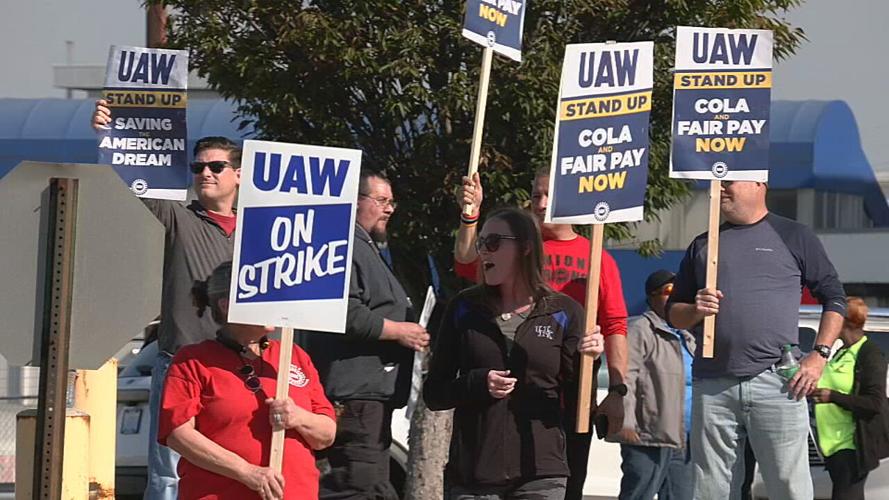



LOUISVILLE, Ky. (WDRB) -- Thousands of auto workers are on strike in Louisville, grinding the world's biggest Ford plant to a halt as union members fight for better pay.
The impact of the strike will be felt nationally, but it will also have an impact locally.
Todd Dunn, president of UAW Local 862, called the decision to strike the "nuclear option." Now, he said the ripple effect could hit the Louisville Assembly Plant, which could shut down as soon as Friday.
"Rain, sleet, or snow, we're gonna stay out here until we win," said Tim Smith, UAW Region 8 director.
Local economist Thomas Lambert, with the University of Louisville, said the effects of an extended strike would stretch beyond Ford workers on the picket line.
"If this is over in a week or two, you'll see minimal impact. But if this drags on for like six months, seven months, then you'll see the sales tax and other big stores impacted," Lambert said.
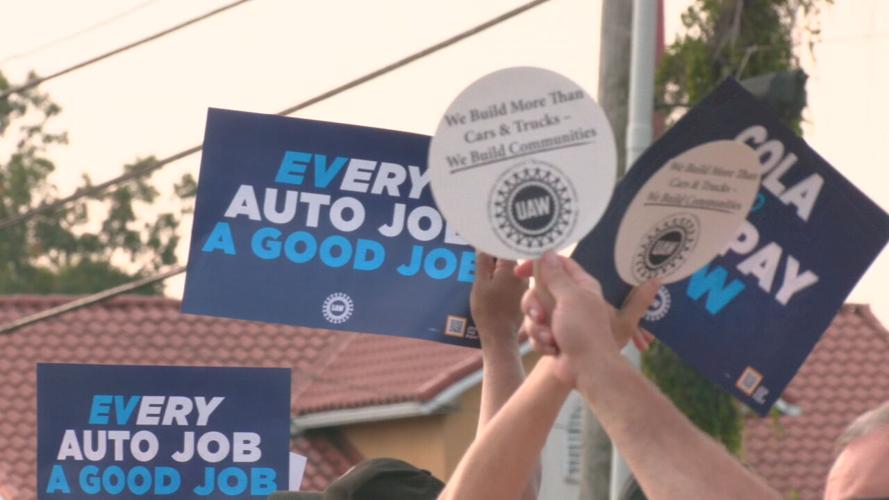
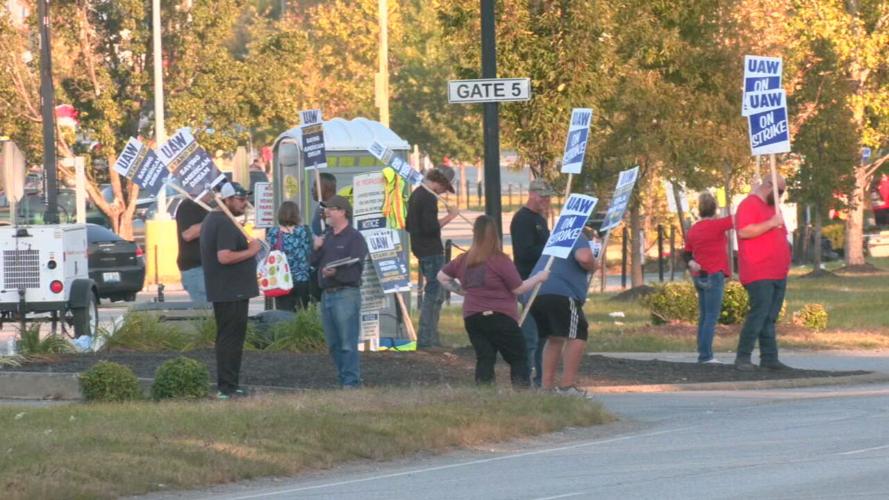
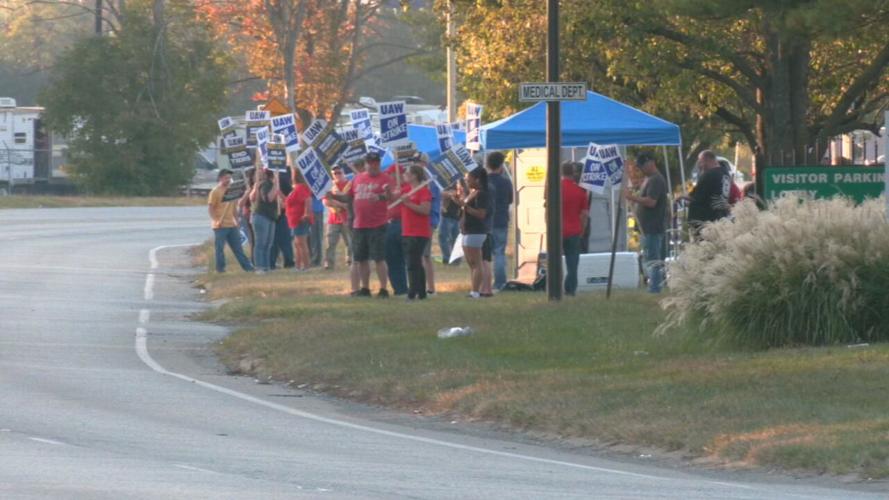
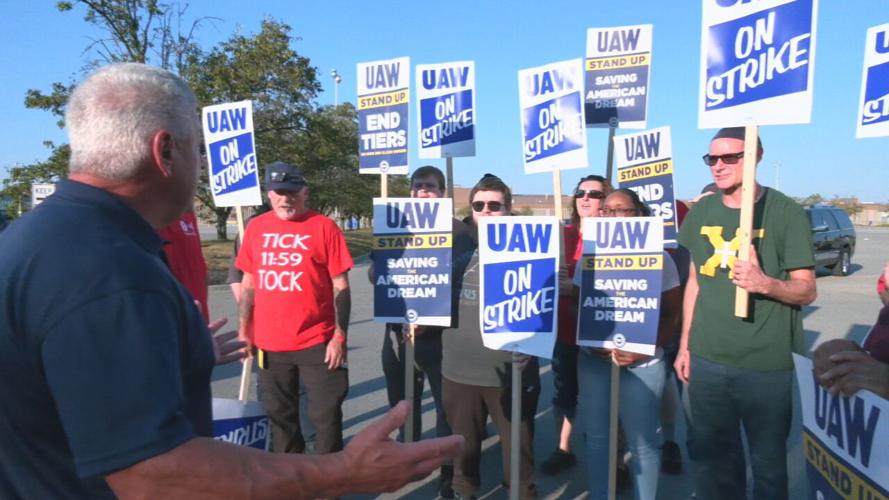
Nearly 9,000 employees at Louisville's Kentucky Truck Plant started walking off the job around 6:30 p.m. Wednesday, Oct. 11, joining thousands of UAW members holding out for better pay in a strike that has been ongoing for nearly a month.
"I just hit my top-out, so there's nowhere to go after eight years," said Kevin Burns, a KTP worker on strike.
Lambert has studied the potential impact of a Louisville Ford strike involving 12,000 workers between the two plants — KTP and LAP.
"One job at Ford supports about four others in this region," he said.
In his study, Lambert writes "Ford produces around $25.3 billion in output at its two plants, which in turn produces around an extra $8 billion output in the local economy with around $5.3 billion of that ordered from local suppliers and around $2.6 billion coming from Ford employees and the employees of suppliers demanding a certain level of goods in the local economy."
From auto part suppliers to car seat makers, to grocery stores and restaurants, Lambert said a prolonged strike could hit businesses throughout Kentuckiana.
"For every dollar a Ford employee strikes, it ripples across the local economy an extra $1.68," he said.
Workers will receive strike benefits and $500 a week from the UAW's Strike Pay Fund, but they'll still be pinching pennies while on the picket line.
That means some luxuries will have to be put on hold to pay for necessities.
"I gotta play a little less golf, I guess," said Burns. "The groceries are the biggest expense nowadays."
No one knows how long the strike will last, but KTP worker Regina Vaden is ready to hold the line.
"We're making sacrifices right now, but in the end, it's worth it," Vaden said.
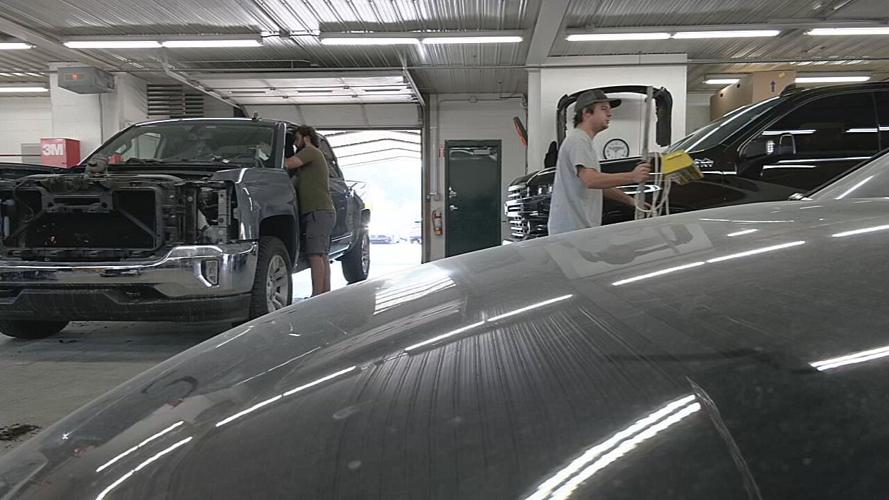
The effects of the strike also stretches to auto body shops. With union workers on the picket line, new trucks aren't rolling off the assembly line, which also means car parts become scarce.
"In a perfect world, you're talking 10 to 14 days to finish a nice-sized job, and now you're talking months," said Dave Bary.
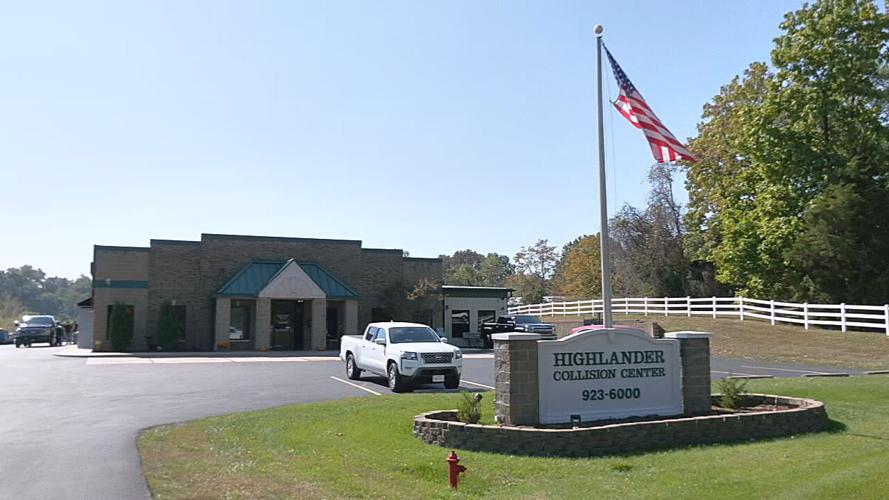
Bary has owned Highlander Collision Center in southern Indiana for more than six years. He said they're caught in the middle of the UAW strike as the shop gets its parts from GM and Ford at a time when they're more slammed than ever.
"Never seen it like this, and it's not just this body shop, it's every body shop," he said. "It's really been bad."
Like Bary, many of the cars in the lot of the collision center are just standing by for more parts. While they wait, Bary said he's doing what he can with what's on hand.
"You start gathering parts for the ones you can finish, and the ones you're waiting for parts to finish you put them on the backburner, which puts you under the gun with insurance. Everyone's in a rental," he said.
He has dozens of cars collecting dust because they can't get the parts they need, and is asking customers for patience.
"You can have literally hundreds of thousands of your dollars tied up in cars right now, waiting to finish jobs," said Bary.
The UAW's decision to take out KTP came suddenly. The union has previously announced additional strike targets in weekly Friday livestream updates.
In a statement Wednesday, Ford called the UAW's move to strike at KTP "grossly irresponsible but unsurprising."
Striking KTP has "serious consequences for our workforce, suppliers, dealers and commercial customers," Ford said.
The vehicles assembled at KTP alone generate $25 billion a year in revenue, according to Ford. The plant is considered one of the most important auto plants in the world.
Thursday, Ford executives said they've reached the limit of added costs the company is willing to incur in a new four-year labor contract.
The UAW strike has already become the most expensive U.S. auto strike in a century, costing about $5.5 billion in its first three weeks.
Related Stories:
- Ford reaches cost limit in talks with UAW, execs say
- Striking workers at Ford's Kentucky Truck Plant in Louisville asking for 'a little bit more'
- Workers at Ford's Kentucky Truck Plant in Louisville join UAW strike
- UAW strike: Which vehicles are most affected?
- New report estimates UAW strike cost $3.95 billion in first 2 weeks
- United Auto Workers strikes spread as 7,000 more workers at two plants join the picket line
Copyright 2023 WDRB Media. All Rights Reserved.


