

LOUISVILLE, Ky. (WDRB) -- A pair of bills, soon to be filed at the Kentucky State Capitol, could help close a dangerous gap in the law that's allowing some mentally ill defendants with histories of violence to walk free, dodging both prison and treatment.
Sen. Morgan McGarvey, a Democrat, started working on the fix with the help of Sen. Julie Raque Adams, a Republican, after WDRB News exposed the problem earlier this year when an 8-year-old Louisville girl was beaten with a shovel and raped in her own backyard. Police said a stranger was the attacker.
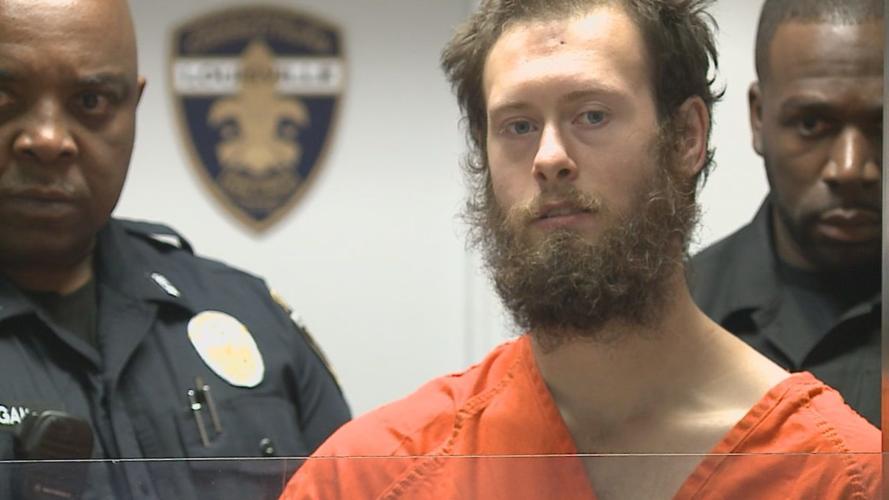
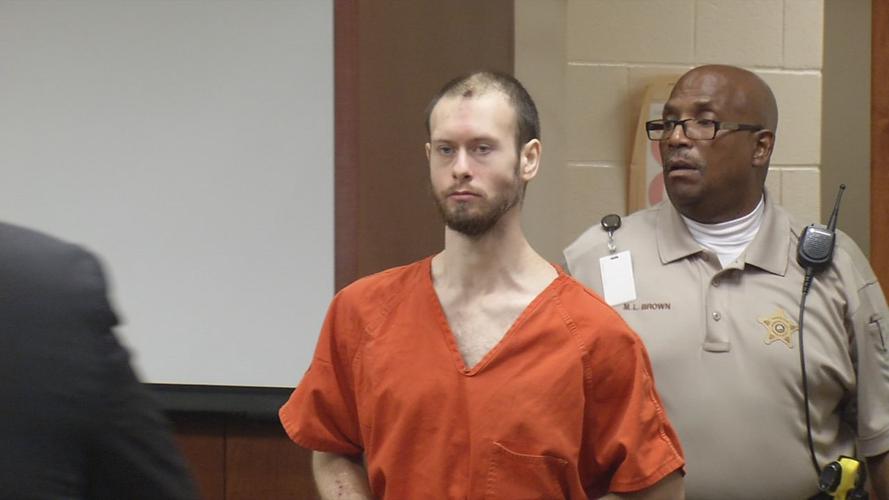
Cane Madden, 30, was arrested and charged. According to court documents, Madden has a long criminal past and a history of mental illness. However, he’s walked free in the past — numerous times — because of the dangerous vicious cycle that continues to play out across Kentucky.
"I think about what happened all the time," McGarvey said. "I have an 8-year-old daughter, and so this has been, you know, particularly hard for someone like me."

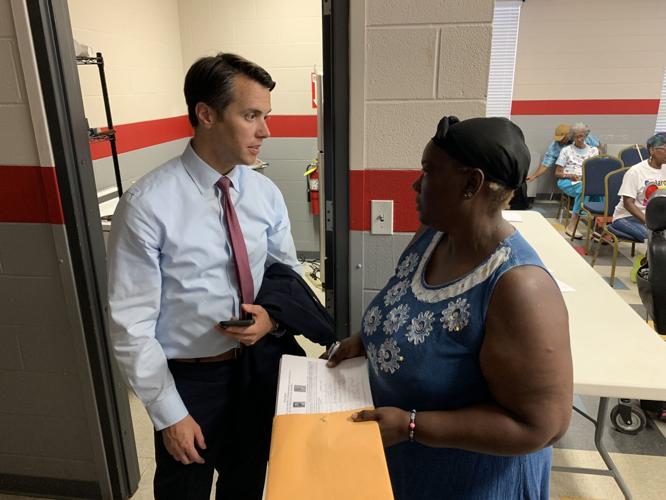
Sen. Morgan McGarvey of Louisville speaks with a California neighborhood resident about Cane Madden. (2019 file photo)
In Kentucky, the problem is caused by a gap between two state laws. One set of laws determines whether someone is competent to stand trial, while another addresses whether that person can be involuntarily hospitalized.
Judges in Kentucky must decide, based on psychiatric evaluations, whether a defendant can understand the charges against him and participate in his defense. If not, the defendant's charges are dropped, and prosecutors then file paperwork to have the defendant hospitalized for treatment.
However, there are three separate criteria, in a state law known as KRS § 202A.026, determining whether a mentally ill patient can be involuntarily hospitalized:
- The person must be deemed a danger to himself or others
- The person can reasonably benefit from treatment; and
- Hospitalization is the least restrictive treatment available
If any one of those criteria is not met, at any time during treatment, the hospital is required by law to release the person.
Because of that law, prosecutors say some defendants — like Madden and numerous others across the state — are sometimes released within hours and without receiving proper mental help.
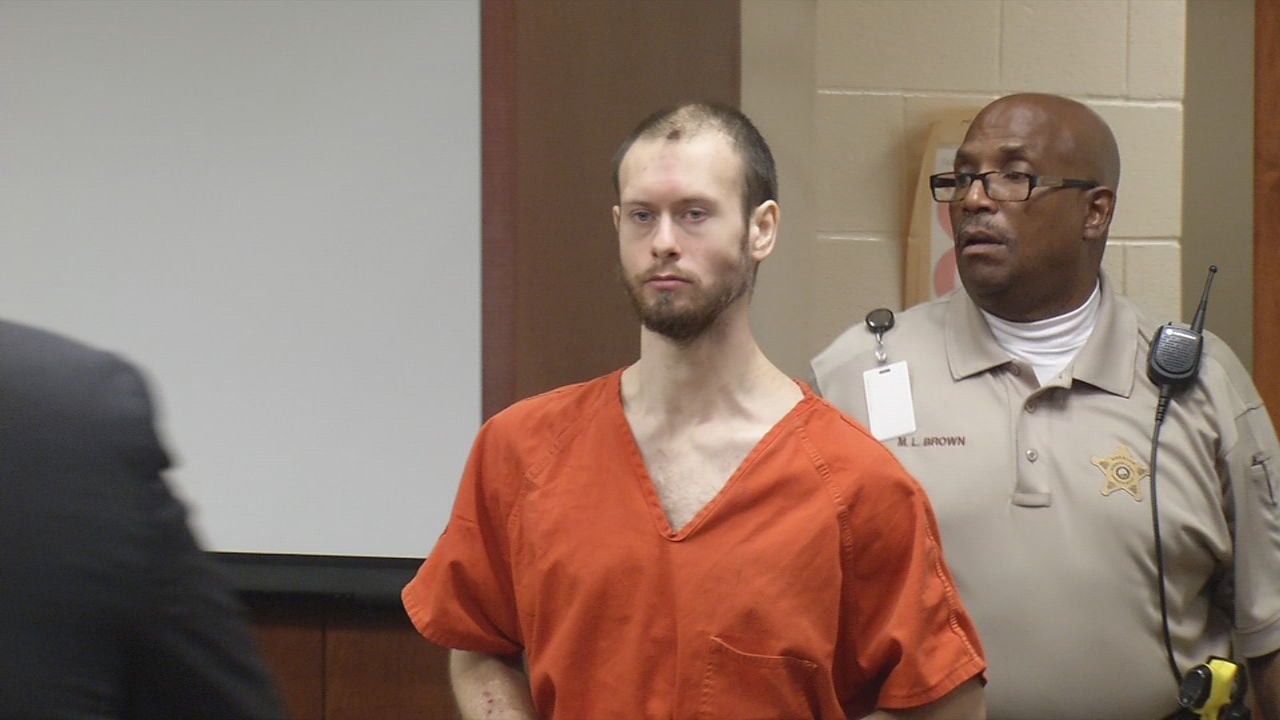
Madden enters the courtroom during an October hearing. (WDRB Photo)
"What we are doing is making sure that this loophole — or this crack, almost — is closed," McGarvey said.
On Wednesday afternoon, he finished up two draft bills and sent them to a group of mental health experts, prosecutors and attorneys for their review. After he and Adams consider that input and possibly make revisions to the drafts, McGarvey said the bills will be filed in the upcoming legislative session.
One of the bills would give the state a better and lengthier opportunity to treat a defendant found incompetent to stand trial.
"It's going to make sure that if you're not competent to stand trial that you can get treatment that you need, or if you're not competent to stand trial and aren't responding to treatment at this point, then there's a way for the court to petition to make sure that you're not released into an unsafe environment either for you or for other people," McGarvey said.
The other bill would seek to build up state facilities to treat those defendants.
McGarvey is hoping for vast bipartisan support to pass both bills before the legislative session ends.
"For us, the clock is ticking," he said.
As McGarvey pointed out, a judge could soon decide Madden is still mentally incompetent and to drop his current charges. Alternatively, the judge could determine that Madden's competency should be tested again. A hearing is scheduled for Jan. 17.
Related Stories:
- SUNDAY EDITION | Sex assaults highlight 'crazy loophole' freeing mentally ill defendants
- RECORDS: Louisville man accused of raping 8-year-old had previous sex crime dismissed
Copyright 2020 WDRB Media. All Rights Reserved.


