

LOUISVILLE, Ky. (WDRB) -- It may be cold outside, but Louisville's health department is already pre-treating for mosquitos.
As mosquito control season begins in early March, employees with the Louisville Metro Department of Public Health and Wellness are gearing up and spreading pesticides.
A team of four people pre-treats more than 300 locations with known standing water across the county.
Matthew Vanderpool, an environmental health specialist with the health department, said even though it's still winter, pesky mosquitos are already here. He said the best way to fight back against mosquitos is to target standing water.
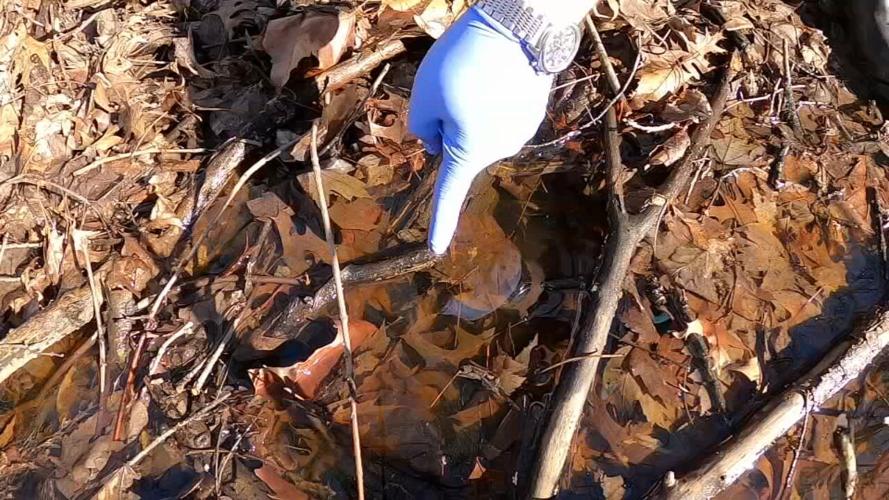
"If you can see this, all those white specks are all baby mosquitos in there," he said, pointing to puddled water in a wooded area near Louisville's Newburg neighborhood.

He said the standing water must remain for four or five days in order to become a mosquito breeding ground.
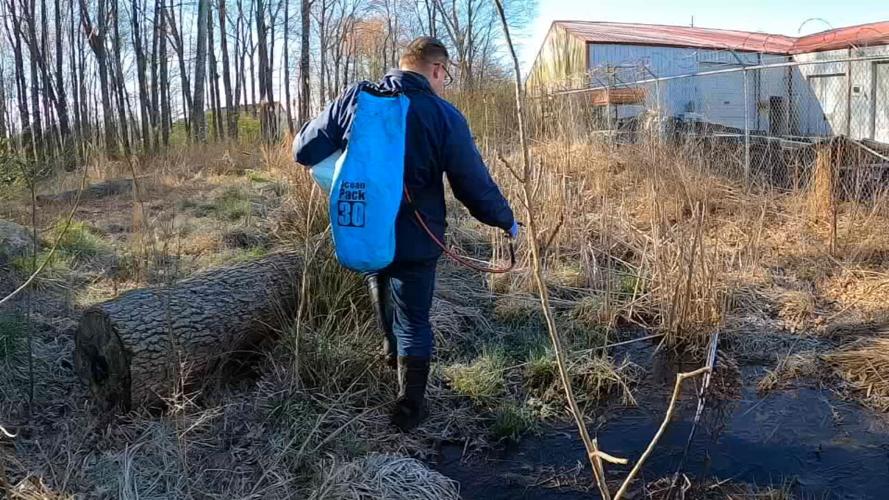
Vanderpool uses pesticides in the form of spray and pellets, which are spread across the water. They work in different ways to keep the mosquito population down.
"Unless these areas are treated for mosquitos, you're going to have thousands and thousand of mosquitos hatching off of all the different areas that are out here," he said. "And we don't want that for the population of Jefferson County."
Vanderpool said there are more than 50 species of mosquitos across Jefferson County. His focus with the health department is on eradicating the ones that could make people sick.
"Our real job is to limit the disease potential for citizens of Louisville Metro," he said. "I mean, if we can also give them some relief from mosquito bites, that's great. But we really want to limit disease."
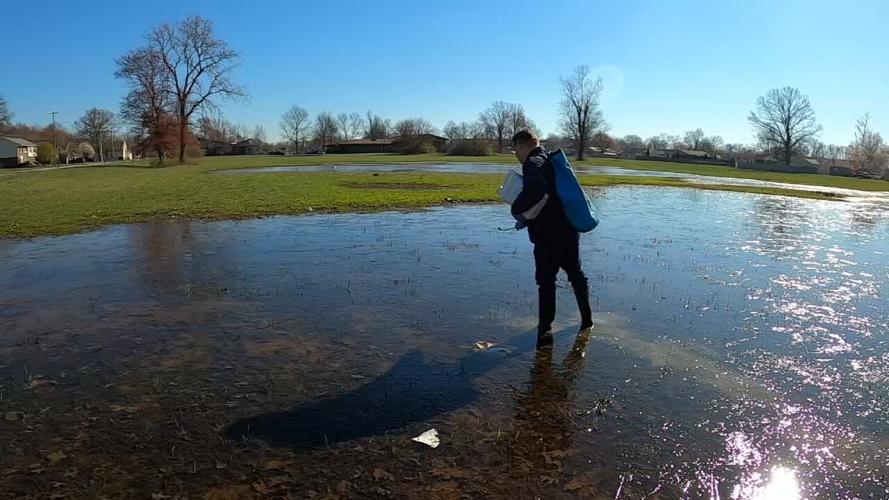
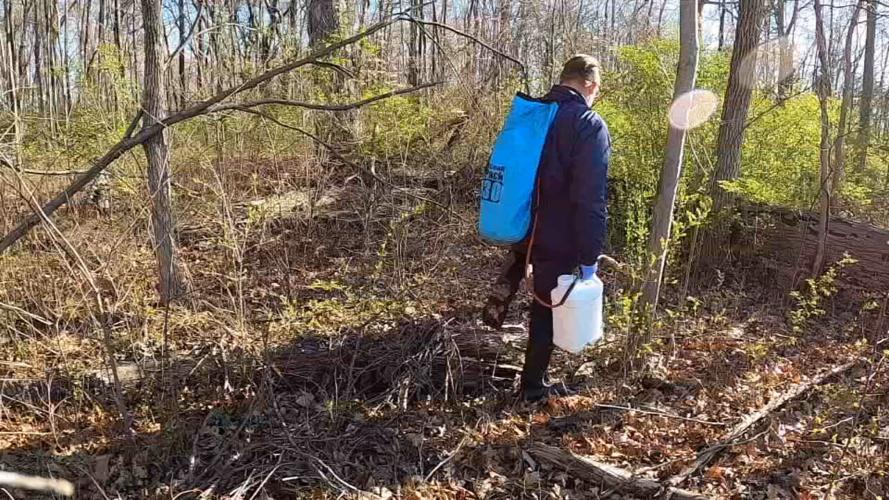
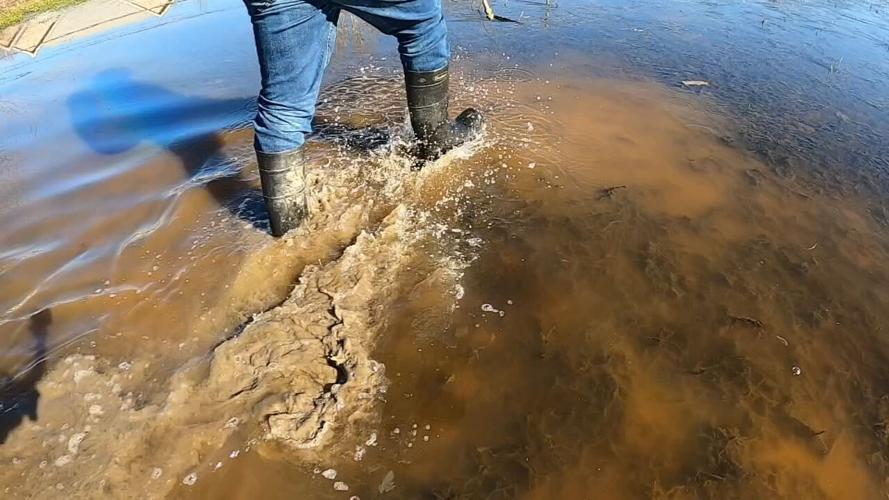
As he drove through Louisville's Newburg neighborhood on Wednesday, Vanderpool made several stops for pre-treatment work. Those stops included wooded areas off the road and also involved walking through standing water in neighborhoods, close to homes and parks.


Environmental Health Specialist Matthew Vanderpool walks through standing water in Newburg spraying pesticides to fight against mosquitos.
Vanderpool said the mosquito control program begin in 1956. He has been part of the process for more than two decades.
The Health Department said one of the best things people can do to prevent mosquitos at their homes is to check the yard for standing water, including spots like gutters.
He said temperature doesn't always have as much to do with the spring mosquito population as some may think.
"A lot of people want to say, 'Oh gosh, we had a really, really cold winter. That's going to kill all the mosquitos.' Mother Nature has already taken care of making sure that mosquitos survive from season to season," he explained.
He said a warmer winter also doesn't necessarily concern him about more mosquitos popping up in the spring.
"When we have warmer temperatures earlier in the season, we will see more mosquito activity. We've already seen adult mosquitos flying around this season. That's just going to be part of it. But to say that we're going to be severely inundated this year versus other years, not really. I wouldn't think so," said Vanderpool.
Mosquito control season will typically run through November. In the summer and warmer months, Vanderpool said treatment will switch to focusing more on storm sewer basins in areas like downtown Louisville. He said those particular mosquitos are the ones that could potentially carry West Nile Virus.
"We never actually completely transition out of treating standing water, it's just where we end up doing the treatment," he said.
As the seasons change, Vanderpool said someone who notices an issue with mosquitos in a certain area can call Metro 311 to file a complaint.
Aside from mosquitos, the health department is also collecting data on ticks.
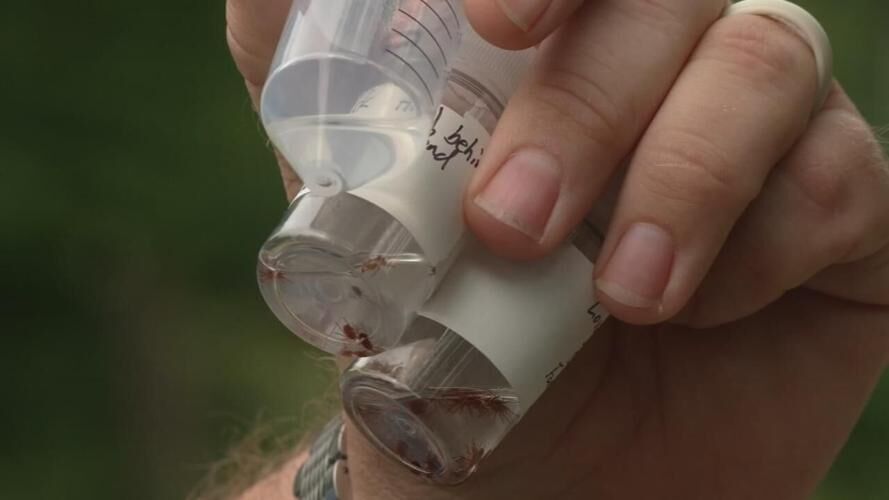
While mosquitos in the metro have been studied for years, Louisville's health department just began studying ticks in 2022 through a program called "Spot a Tick and Share."
Community members across Jefferson County who find a tick or are bitten by one are asked to put the sample in a sealed container with rubbing alcohol and take it to the health department for research.
Vanderpool said more than 150 samples were collected during the first season. He said only one location showed an active tick borne disease, which was on the outskirts out the county.
While he's pleased with the preliminary data, Vanderpool said the health department will continue taking samples this year. To learn how to properly store a tick sample and turn it in, click here.
To learn about mosquito fogging in Louisville, click here.
Related Stories:
- Health department collecting ticks from Louisville area to create map, help prevent disease
- Tracking ticks | Louisville health experts are collecting tick samples from the public
Copyright 2023 by WDRB Media. All rights reserved.


