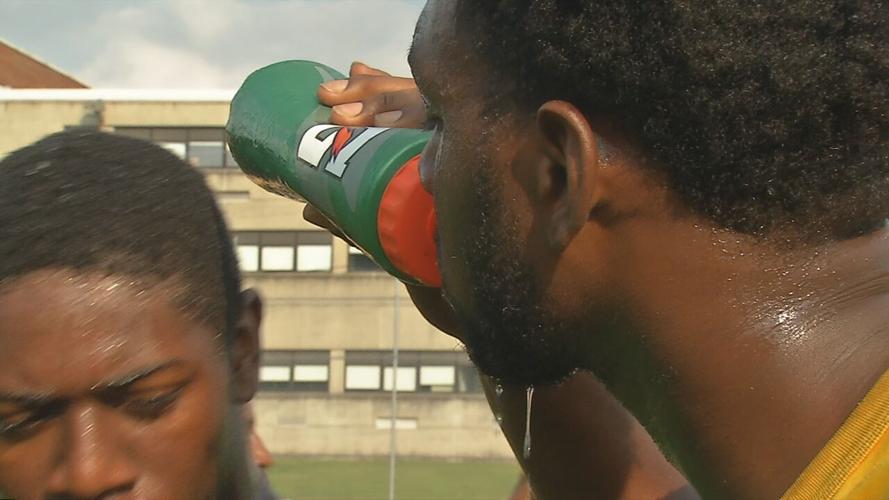

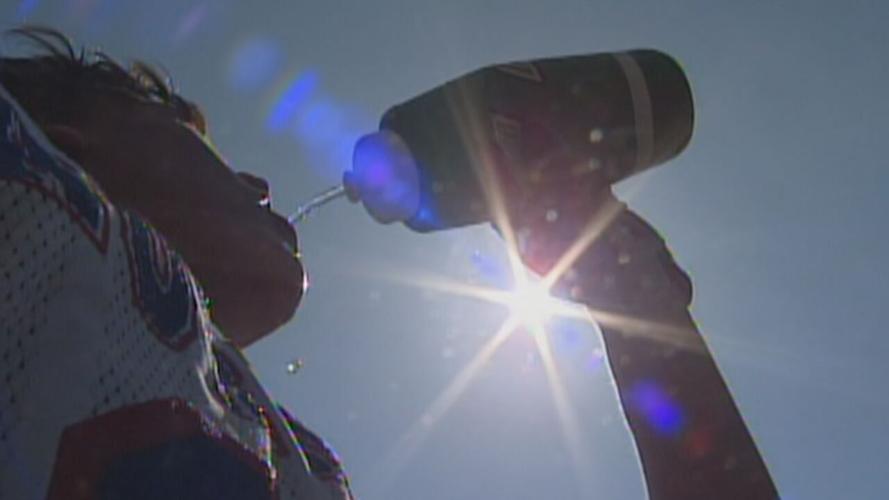





LOUISVILLE, Ky. (WDRB) -- Extreme heat can take a toll on anyone who spends time outside, but it can be even more harmful to student athletes pushing themselves to the limit.
The National Weather Service issued excessive heat warnings this week for the Louisville area. NWS reported heat index values around 105 degrees every afternoon, making practices potentially dangerous for athletes.
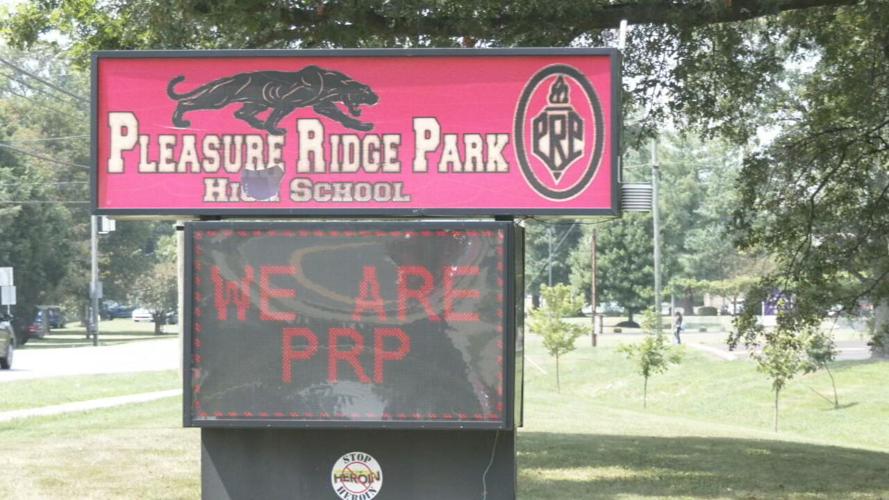
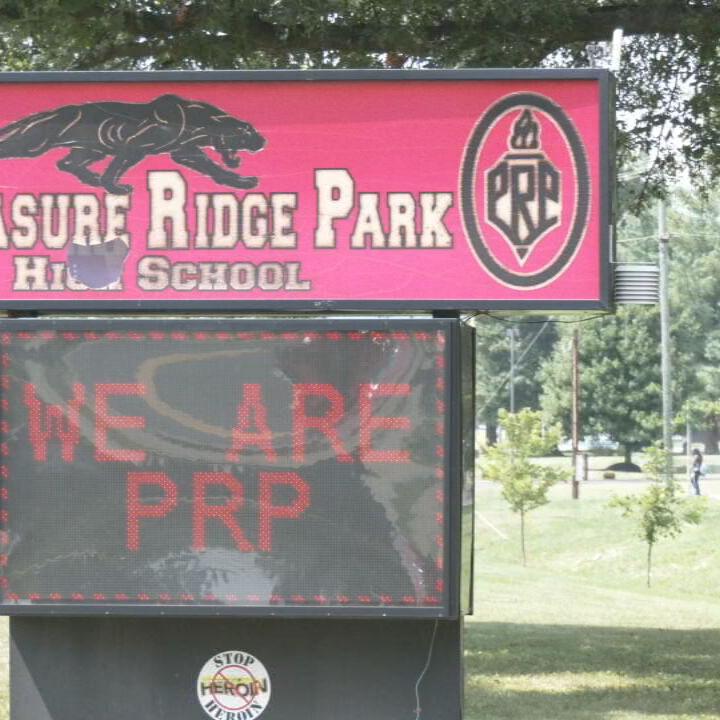
An annual summer race still honors the legacy of a Louisville teenager who died from heat stroke 15 years ago. Max Gilpin died at 15 years old from heat stroke during football practice at Pleasure Ridge Park High School. Even after being transported in an air conditioned ambulance, Gilpin's body temperature inside the hospital was 107, where he later died.
Dr. Jennifer Daily, a sports medicine and primary care physician with UofL Health, said symptoms of heat stroke can be excessive sweating, being confused, lightheadedness and slow reactions.
"If you're worried that someone is too hot, get them in the shade, get them cooled off," Daily said. "If they're acting confused, call 911. No one will ever fault you for being proactive."
It's important for student athletes to hydrate throughout day and stay out of direct sunlight while outside. Daily encourages student athletes and coaches to change their schedules to adjust to the heat.
"There are windows of time, the hottest times of the day 10-4, where if you can avoid practicing at that time, you should," Daily said. "Evening practices should be moved inside if they can."
Kentucky High School Athletic Association (KHSAA) requires all outdoor activities to be stopped if the heat index rises above 104 degrees. If the heat index is 100 degrees to 104 degrees, mandatory water breaks are required every 30 minutes that allow for 10 minutes of hydration.
Coaches go through training modules to be prepared for the heat.
"Coaches are really aware of the heat because they have to be," Daily said. "That's a good thing, that's protective and proactive."
Besides coaches, athletic trainers are on the sidelines and at practices to help athletes stay safe.
"Those individuals are trained to know the signs of heat stroke, heat illness, heat exhaustion," Daily said. "There are cooling mechanisms around so if someone is in trouble, they can recognize it and get them pulled fast."
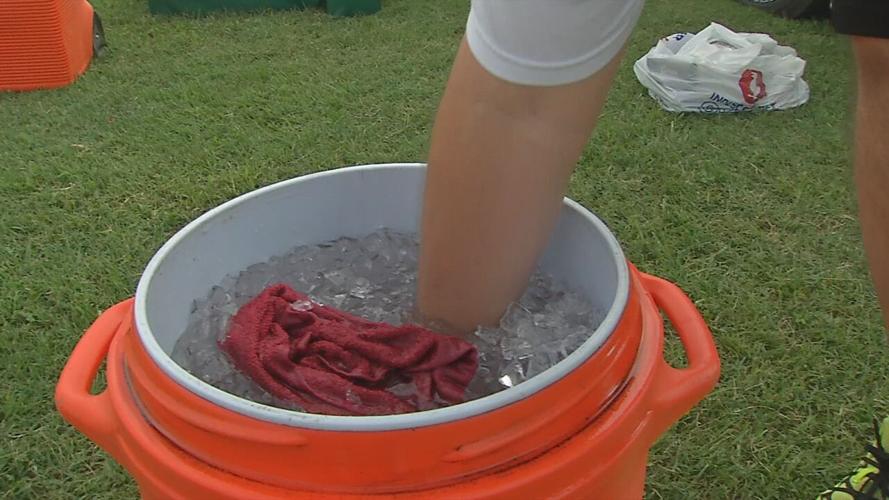
KHSAA requires student athletes to takes breaks in areas away from direct sunlight and towels with ice to be offered to competitors.
Daily said heat stroke and exhaustion is more common than people expect, which is paired with athletes not being acclimated to the temperatures.
"It's something that can sneak up on your especially if you're training in the heat and have not been used to it all year," Daily said. "This time of year is where it's most dangerous, where kids are going back to school and doing more intense practices for longer periods of time."
It's also important for people with pre-existing conditions to be more cautious in the heat, according to Daily.
"If someone has underlying asthma, trouble breathing, COPD, something like that, the air quality is going to make things worse for their breathing," Daily said. "So then they may not handle the heat as well."
Related Stories:
- Hundreds attend 9th annual Splash 'n' Dash to spread awareness of heat-related illness
- JCPS high schoolers return, marking first time all students back in classroom in over 10 days
Copyright 2023 WDRB Media. All Rights Reserved.


