

LOUISVILLE, Ky. (WDRB) -- New laws covering topics including student IDs, alcohol shipping and sex offenders went into effect in Kentucky on Wednesday.
New laws passed this year by state legislators include a requirement that voters show a photo ID at the polls, an authorization for veterinarians to make a report to authorities if they discover that an animal under their care has been abused and a requirement that holders of state-issued ID cards be added to a list of potential jurors.
All laws approved during this year's regular session of the Kentucky General Assembly went into effect Wednesday, according to a news release from the Legislative Research Council.
"While COVID-19 concerns caused lawmakers to gavel into session for only 53 of the 60 days allowed under the Kentucky Constitution, 285 Senate bills and 647 House bills were introduced for a total of 932," the council said. "Of those, 49 Senate bills and 75 House bills became law for a total of 124."
A list of some of the topics covered by the laws, with descriptions provided by the council:
Alcohol: House Bill 415 will allow distillers, wineries and breweries to ship directly to consumers, in and out of Kentucky, once certain regulations are in place. The bill imposes shipping limits of 10 liters of distilled spirits, 10 cases of wine and 10 cases of malt beverages per month. Packages will have to be clearly labeled and be signed by someone 21 or older. HB 415 also prohibits shipping to dry territories, communities where local laws prohibit alcohol sales.
Animal Abuse: Senate Bill 21 allows veterinarians to make a report to authorities if they find that an animal under their care has been abused. Veterinarians until Wednesday were prohibited by law from reporting abuse of animals under their care unless they had permission of the animal's owner or were under a court order.
Eating disorders: Senate Bill 82 established the Kentucky Eating Disorder Council. The group will oversee the development and implementation of eating disorder awareness, education, prevention and research programs.
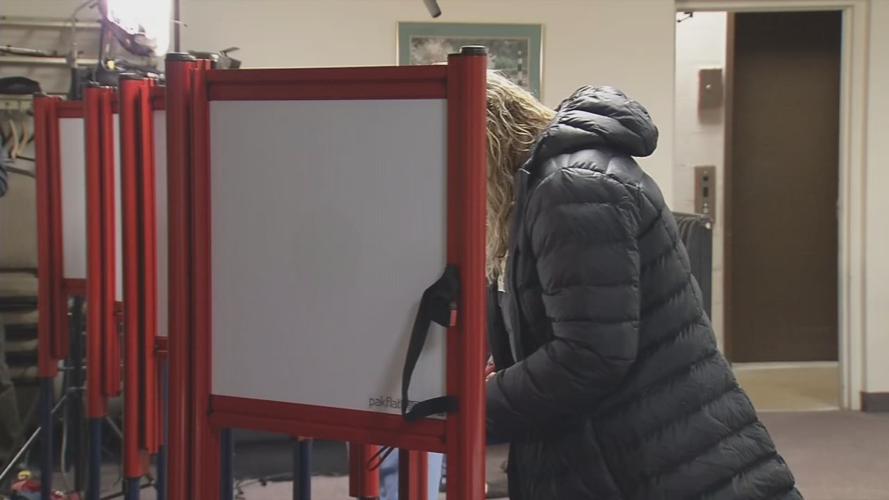
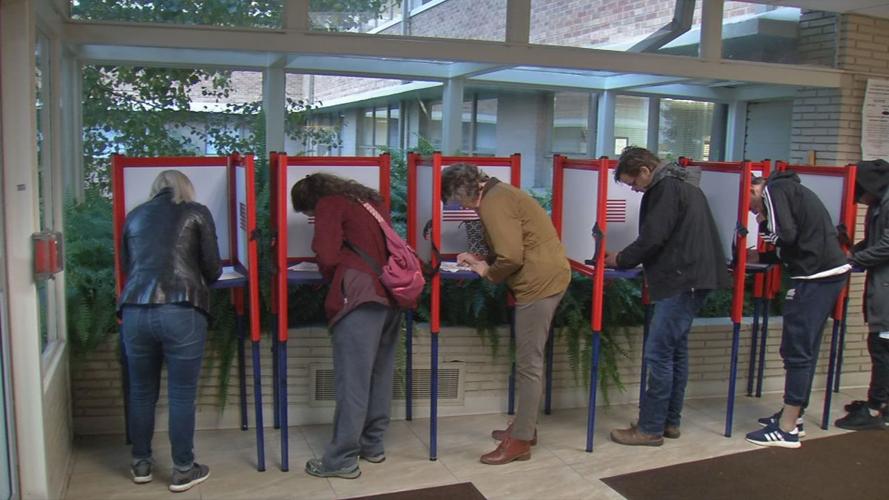
Elections: Senate Bill 2 requires voters to present photographic identification at the polls, starting with November's general election. Voters who do not have a photo ID will be able to show another form of ID and affirm, under the penalty of perjury, that they are qualified to vote. The bill allows poll workers to vouch for a voter they know even if that person has no valid ID. People who request mail-in absentee ballots must also provide a copy of a photo ID or must complete an affirmation that they are qualified to vote. Another provision of SB 2 will provide a free state-issued ID card for individuals who are at least 18 and do not have a valid driver's license.
Human Rights: House Bill 2 requires a national anti-human trafficking hotline number to be advertised in airports, truck stops, train stations and bus stations. Posters with the hotline were previously required in rest areas. The bill also closed a loophole in the state sex offender registry by adding specific human trafficking offenses to the definition of a sex crime.
Infrastructure protection: House Bill 44 specified that above-ground natural gas and petroleum pipelines in addition to certain cable television facilities aren't suitable areas for drone flights. The legislation also defines tampering with the assets as felony criminal mischief.
Jurors: Senate Bill 132 added people with state-issued personal identification cards to the pool of potential jurors in the county where they live. Previously, the pool drew from driver's license lists, tax rolls and voter registration lists.
Lt. Governor: House Bill 336 lets gubernatorial candidates select their running mates for lieutenant governor before the second Tuesday in August instead of during the spring primary campaign.
Mental health: House Bill 153 established the Kentucky Mental Health First Aid Training Program, aimed at training professionals and members of the public to identify and assist people with mental health or substance abuse problems. The program also is to promote access to trainers certified in mental health first aid training.
Senate Bill 122 will change Tim's Law, of 2017, a much-heralded law that has rarely been used by the courts. The law allows judges to order assisted outpatient treatment for people who had been involuntarily hospitalized at least twice in the past 12 months. SB 122 extends the period to 24 months.
Sex offenders: House Bill 204 prohibits sex offenders from living within 1,000 feet of a publicly leased playground. Sex offenders must already follow these standards for publicly owned parks.
Students' wellbeing: Senate Bill 42 states that, starting Aug. 1, student IDs for middle school, high school and college students must list contacts for national crisis hotlines specializing in domestic violence, sexual assault and suicide prevention.
Copyright 2020 WDRB Media. All Rights Reserved.


