


LOUISVILLE, Ky. (WDRB) -- Local healthcare providers are responding after the federal government cut recommended vaccines for children.
The Centers for Disease Control and Prevention is reducing the number of vaccines that are universally recommended to all children from 17 to 11.
Once broadly recommended, the federal government now only recommends protection against the diseases listed below for certain children at high risk or based on individual doctor advice in what's called "shared decision-making."
- Flu
- Hepatitis A
- Hepatitis B
- Meningococcal disease
- Rotavirus
- RSV
- COVID-19, a change made in 2025
Here are the federal vaccine recommendations that stayed the same:
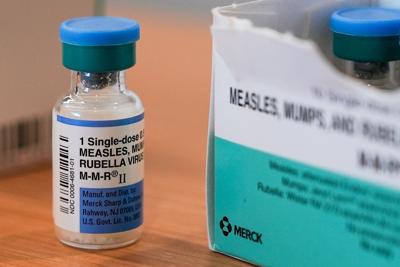
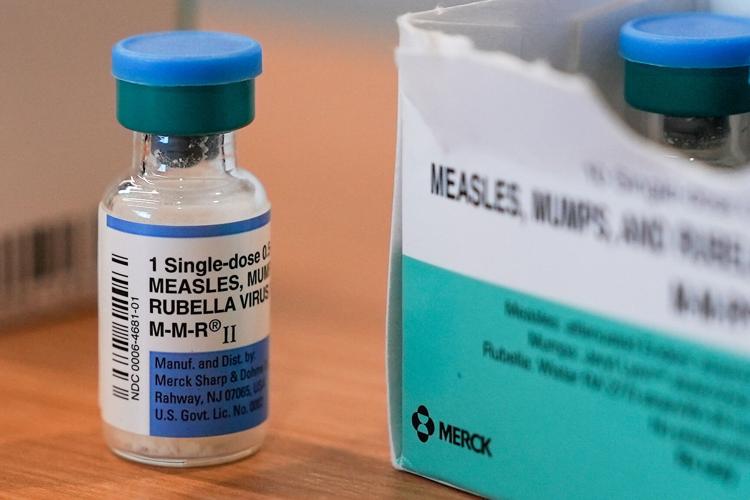
- Measles, mumps and rubella (MMR)
- Diphtheria, tetanus and pertussis or whooping cough (DTaP)
- Polio
- Chickenpox
- Human papillomavirus, or HPV. But in a surprise, the guidance reduces the number of recommended vaccine doses against HPV from two or three shots to just one.
- Hib, or Haemophilus influenzae type B, bacteria that despite the name isn't related to flu
- PCV or pneumococcal conjugate vaccine
Dr. Heather Felton, a pediatrician with Norton Children's, says Norton is following the vaccine schedule laid out by the American Academy of Pediatrics.
"We still carry all of the same vaccines in our office, and we're still giving them out to patients," Dr. Felton said.
UofL Health confirmed it is also following the same schedule.
The nation's large doctors' groups, including the American Medical Association and the American Academy of Pediatrics, say they will continue to recommend the vaccines that the Trump administration has now demoted. They said there was no new science that warranted the changes, including no signs that the former U.S. vaccine schedule harmed children.
Dr. Sean O'Leary of the AAP said the changes could increase child illness and death from preventable disease. He voiced special concern that the U.S. would no longer recommend flu vaccine for children, just as the flu season is becoming severe and after last winter's particularly harsh season.
The pediatricians' group has issued its own child vaccine recommendations. Also, states -- not the federal government -- have the authority to require vaccinations for schoolchildren. While CDC requirements often influence those state regulations, some states have begun creating their own alliances to counter the Trump administration’s guidance on vaccines.
The updated federal guidance has raised concerns among pediatricians, particularly as Kentucky and the nation continue to see high levels of respiratory illness and declining vaccination rates in recent years.
Felton said delaying vaccines can leave children vulnerable, especially during the periods when they are most at risk for serious complications.
"Delaying vaccines does put children at risk because the way that the schedule has been set up is to protect children from diseases when they are most at risk for those specific diseases, and so waiting at all does leave them vulnerable," she said.
Felton said confusion surrounding the changes is already being discussed among pediatricians in Kentucky, though many families have not yet raised questions during routine appointments.
For parents unsure how to navigate the changes, Felton emphasized the importance of discussing concerns directly with a trusted pediatrician rather than making decisions based on headlines alone.
Felton said she plans to continue recommending the AAP schedule, citing long-standing research and personal experience.
"I've used this entire schedule throughout my entire career, and have vaccinated probably 10s of 1000s of children who have done really well with those vaccines, and I've seen very little of these vaccine preventable illnesses because of the schedule that we have been using," Felton said.
The U.S. Department of Health and Human Services said the overhaul was in response to a request from President Donald Trump in December. Trump asked the agency to review how peer nations approach vaccine recommendations and consider revising U.S. guidance accordingly.
HHS said its comparison to 20 peer nations found that the U.S. was an "outlier" in both the number of vaccinations and the number of doses it recommended to all children. Officials with the agency framed the change as a way to increase public trust by recommending only the most important vaccinations for children to receive.
However, many European countries recommend some of the vaccines the U.S. removed from its list.
The Trump administration said coverage will continue for families that still want the shots. Health insurers generally find vaccination a good deal, as shots are cheaper than hospitalizations, and many had previously said they'd planned to cover what was recommended last year through 2026.
More Local News:
State rolls out Kentucky Mobile ID app for REAL ID and standard licenses
Woman hit and killed near Fern Creek after getting out of her vehicle following crash
Man dies after running back into burning southern Indiana home to save family dog
Louisville councilman believes Bardstown Road traffic study could lead to improvements
Louisville man arrested for entering LMPD chief's home
U.S. rehearsed Maduro extraction at Kentucky compound, report says
Copyright 2025 WDRB Media. All rights reserved. The Associated Press contributed to this report.


